Burst Pipe in CT? The First 60 Minutes (Shutoff, Photos, Claims)
If you're frantically searching "burst pipe what to do CT", you need clear steps now, not a sales pitch. At Incredible Restorations, LLC in Newington, we handle burst pipe and water damage emergencies across Connecticut 24/7. Our family-owned team is IICRC-certified in water damage restoration, has been serving CT homeowners since 2017, and works directly with your insurance company on covered claims. The guide below is exactly what we tell our own customers in the first 60 minutes after a pipe bursts.
Recognize the Signs of a Burst Pipe
Before you can fix the problem, you need to be sure you actually have a burst or major leak. Here's how to spot it quickly.
Visible Water Leaks or Stains
Look for:
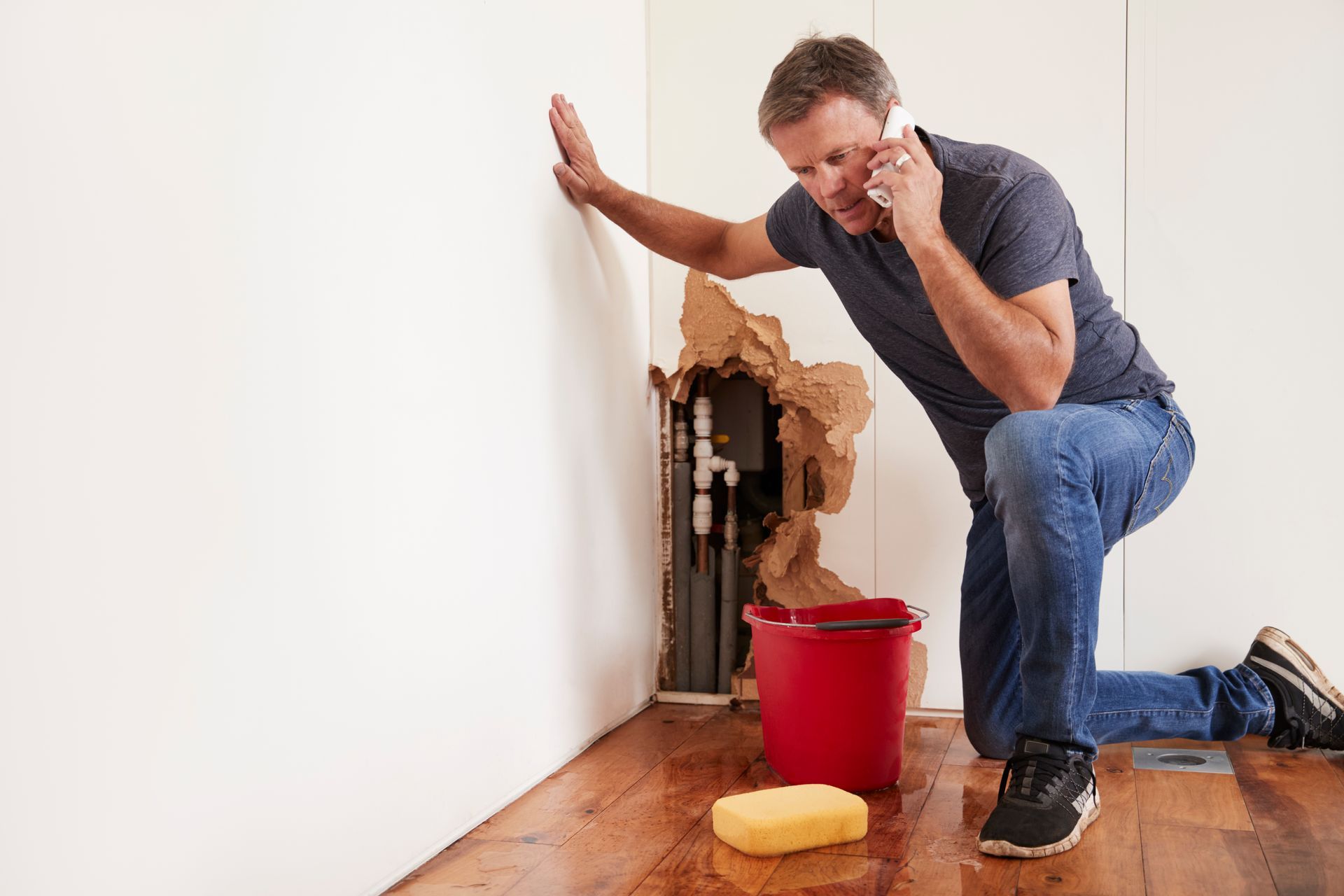
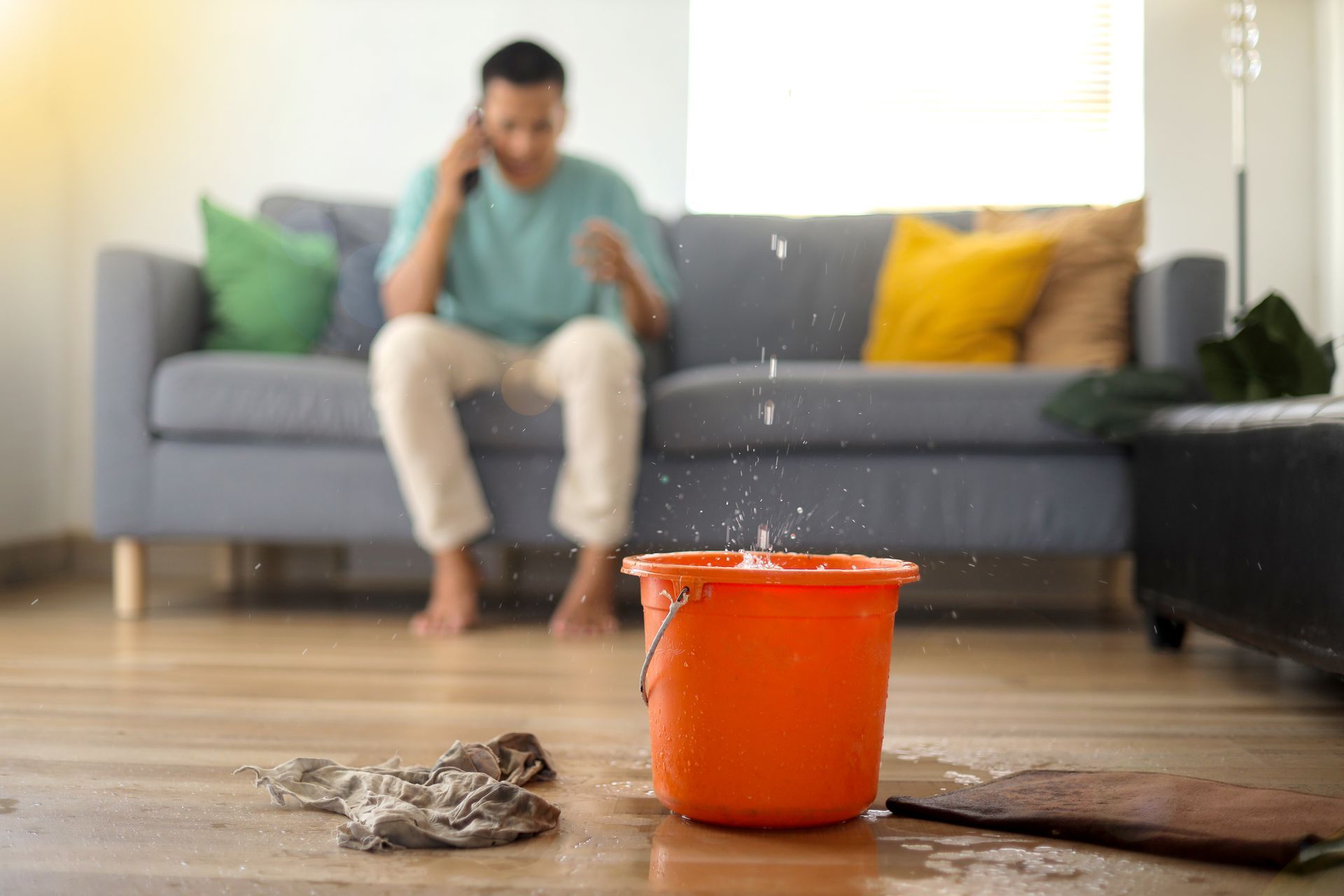
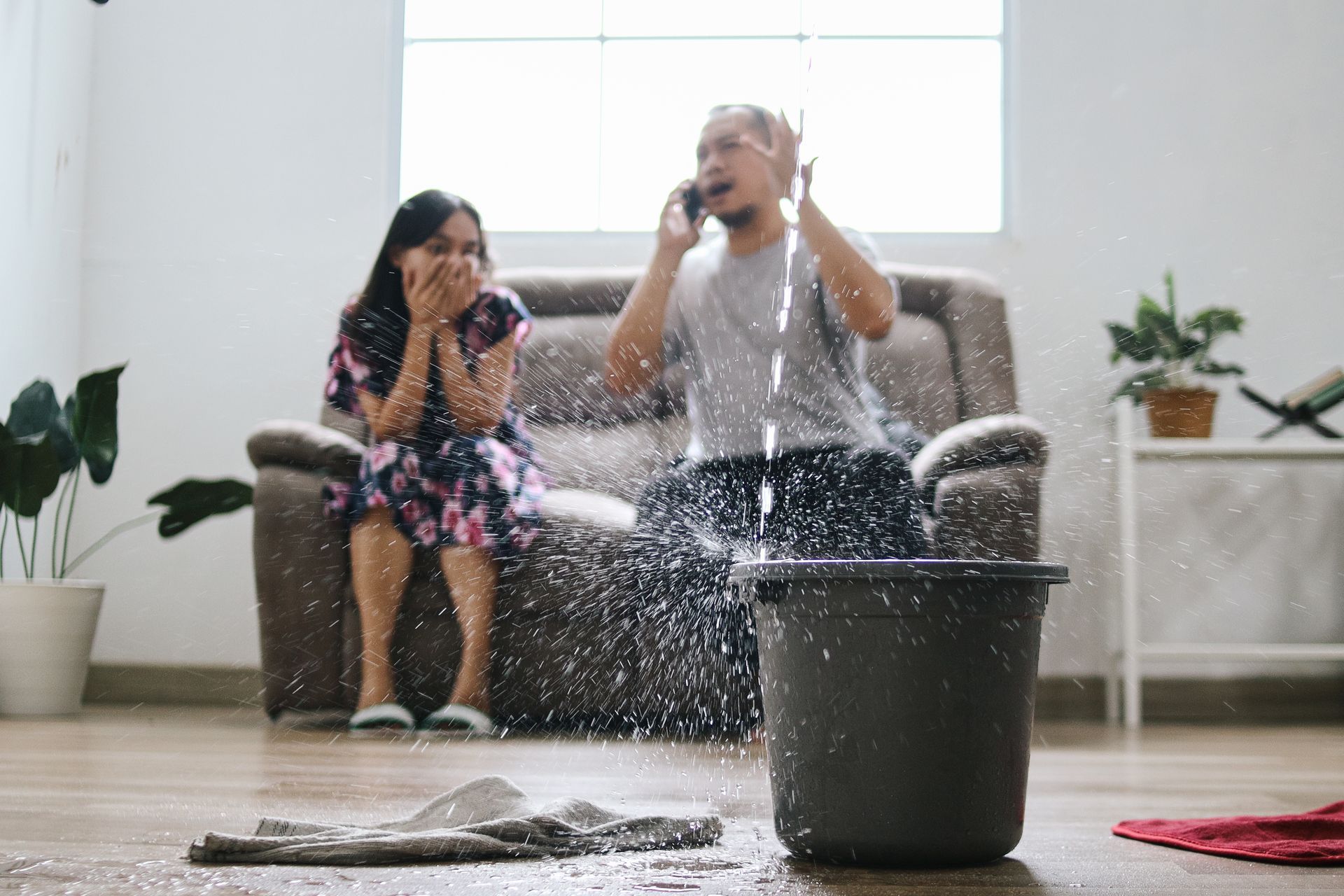
- Water pouring or trickling from ceilings, walls, or light fixtures
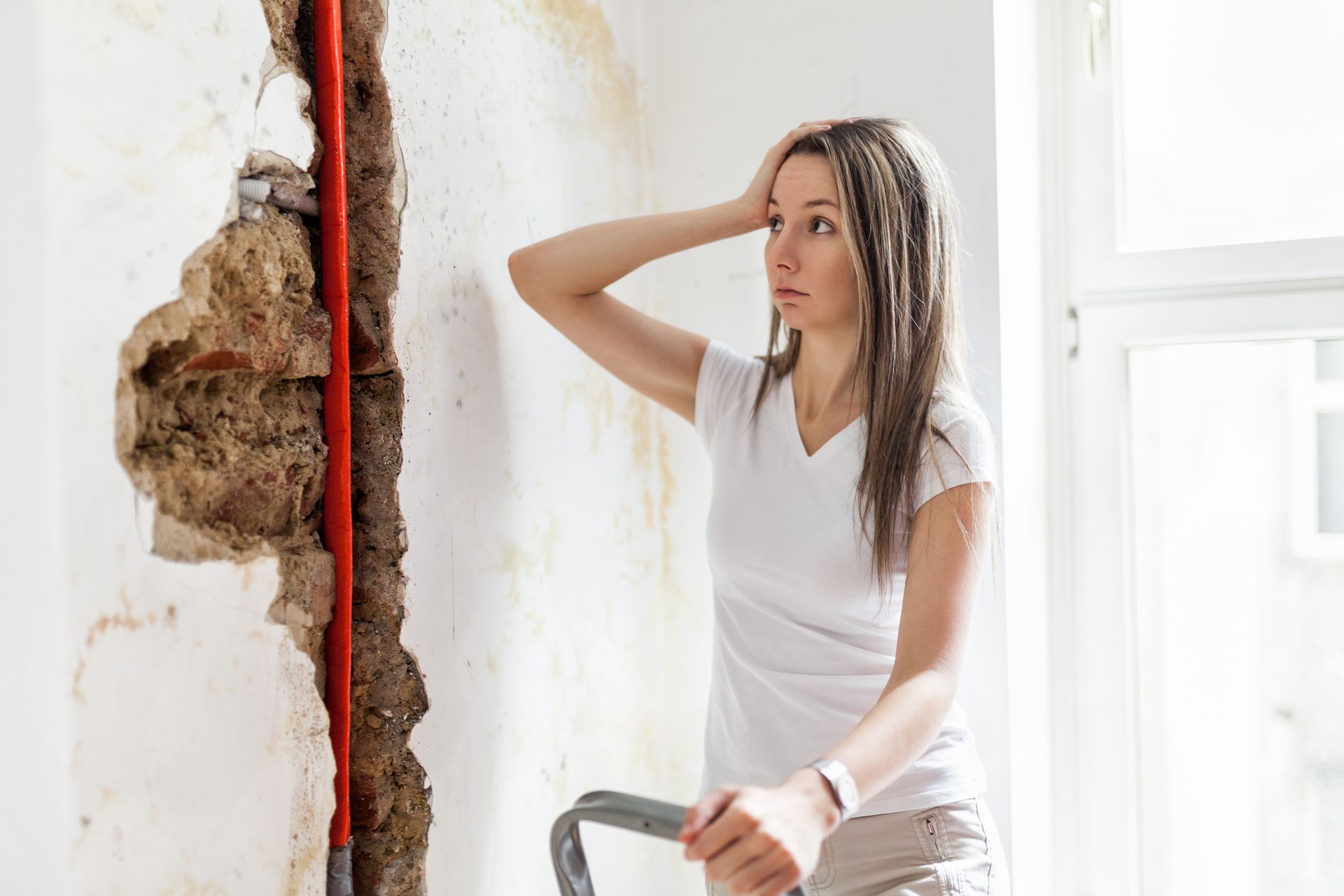
- New stains or bubbling paint on ceilings and drywall
- Wet carpets, warped hardwood, or standing water on floors
If water is actively coming in, treat it as an emergency. Every minute adds more damage.
Sudden Drop in Water Pressure
Turn on a faucet:
- If the pressure is much weaker than normal, or
- Water stops completely in some areas of the house
you may have a burst pipe with water escaping behind walls, in the ceiling, or in the basement.
Strange Noises in the Plumbing
Listen for:
- Hissing or spraying sounds behind walls
- Gurgling pipes when no water is running
- Constant running of the well pump or meter spinning when everything is "off"
These are clues that water is escaping somewhere you can't see.
Step One – Shut Off the Main Water Supply
Your first goal is simple: stop more water from coming in.
How to Locate the Main Shutoff Valve
In most CT homes, the main water shutoff valve is in one of these spots:
- Basement or utility room, near the front foundation wall
- Where the main water line enters the house from the street
- Near the water meter (for city water)
- Near the pressure tank (for well systems)
The valve may be:
- A round handle you turn clockwise to close, or
- A lever you turn so it's across the pipe (90 degrees) to shut off
Turn it all the way off. Then test a faucet to confirm the water stops flowing.
What If You Can't Find the Valve?
If you can't locate or turn the valve:
- Shut off individual supply valves if you know which line is causing the problem (for example, under a sink or to a toilet).
- Call a local plumber or water company right away.
- If you're in a condo or apartment, contact building maintenance or the landlord immediately.
Stopping or reducing the flow of water is the most important thing you can do in the first few minutes.
Step Two – Turn Off Electricity (If Safe)
Water and electricity are a dangerous mix. After shutting off the water, think about electrical safety.
When to Prioritize Electrical Safety
If water is:
- Dripping through light fixtures
- Pooling near outlets, power strips, or cords
- Flooding in the basement where your electrical panel is do not walk through deep water to reach anything electrical.
If you can safely get to the main breaker panel without stepping in water, switch main power to "off."
If you're unsure, stay out of the area. Your safety comes first.
When to Call the Utility Company
Call your electric utility or a licensed electrician if:
- The panel is wet or surrounded by water
- You see sparks, smell burning, or hear buzzing
- You can't safely reach the breakers
They can guide you and, if needed, send someone out to make the area safe before cleanup starts.
Step Three – Document the Damage Thoroughly
Once the water is stopped and the area is safe, start documenting. This is critical for insurance claims later.
Take Clear Photos and Videos
Use your phone to capture:
- Wide shots of each affected room
- Close-ups of damaged walls, ceilings, floors, and belongings
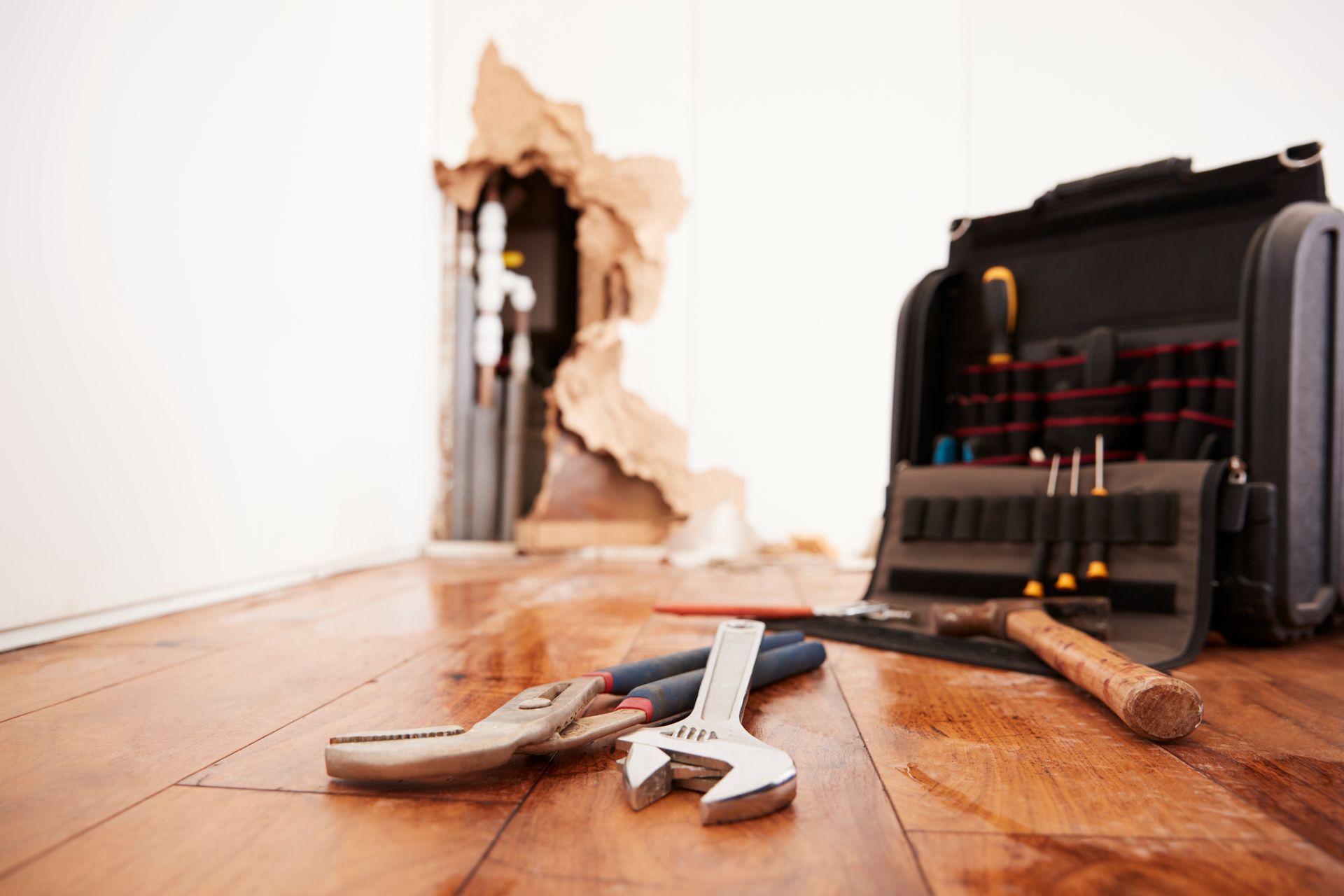
- Photos of where the pipe burst or leak started, if you can safely see it
- Progress shots as cleanup begins
Take pictures before you move or throw away anything damaged, including wet carpet, baseboards, or furniture.
Keep a Written Record of Events
Write down:
- Date and time you first noticed the problem
- When you shut the water off
- Any steps you took (like moving furniture or calling a plumber)
- Names and times of any professionals you speak with
These notes help your future self and make insurance conversations much easier.
Step Four – Remove Excess Water Quickly
The faster you get water out, the less damage, and less chance of mold.
Use Towels, Buckets, or a Wet/Dry Vac
If it's safe and the water is clean (from a fresh water line, not sewage):
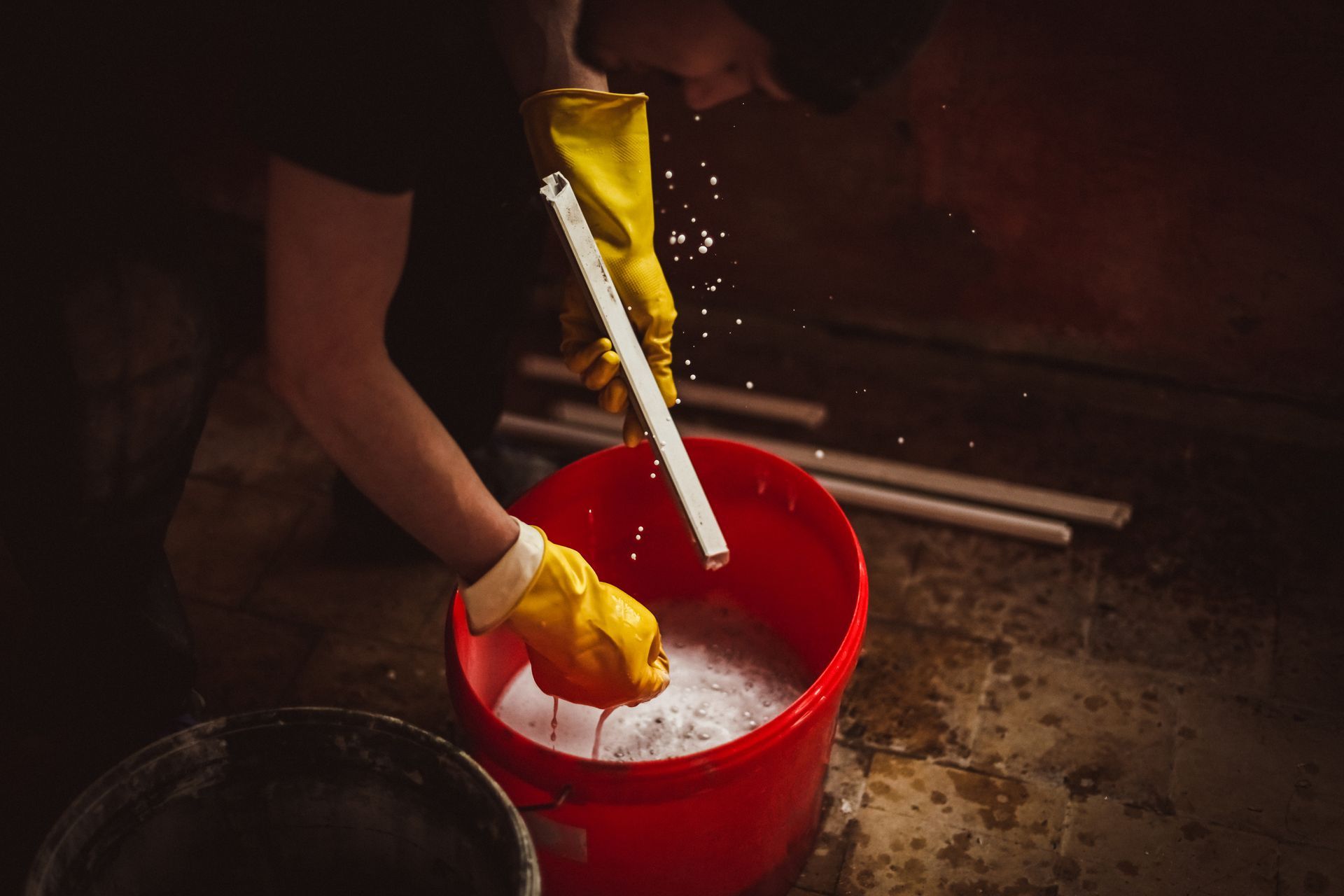
- Mop or towel up standing water
- Use buckets to bail out deeper areas
- Use a wet/dry shop vac on floors and carpets, if you have one
- Move furniture, rugs, and electronics out of wet areas
Focus on stopping water from spreading to dry parts of the home.
Prevent Mold and Further Damage
After the bulk water is removed:
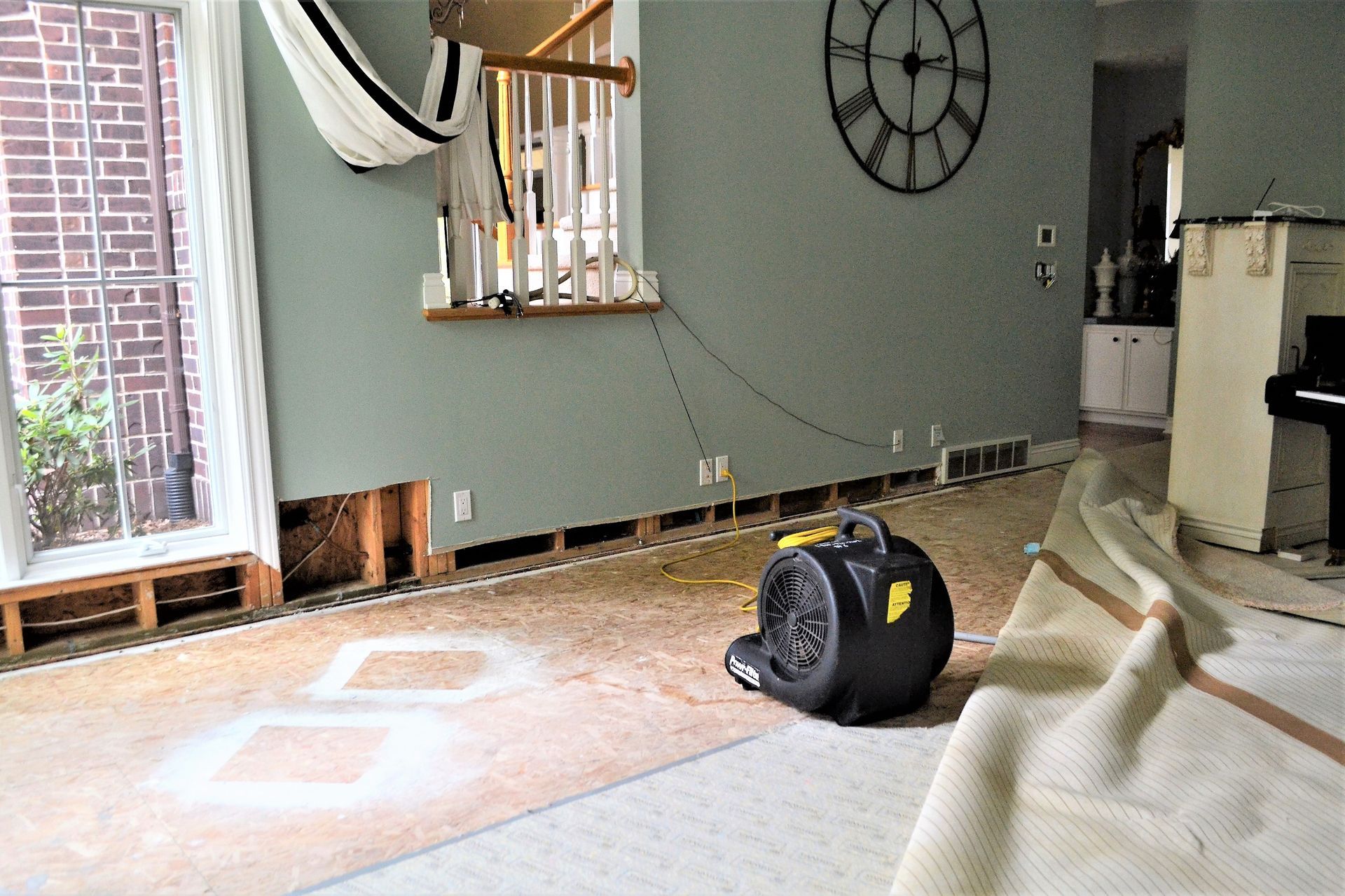
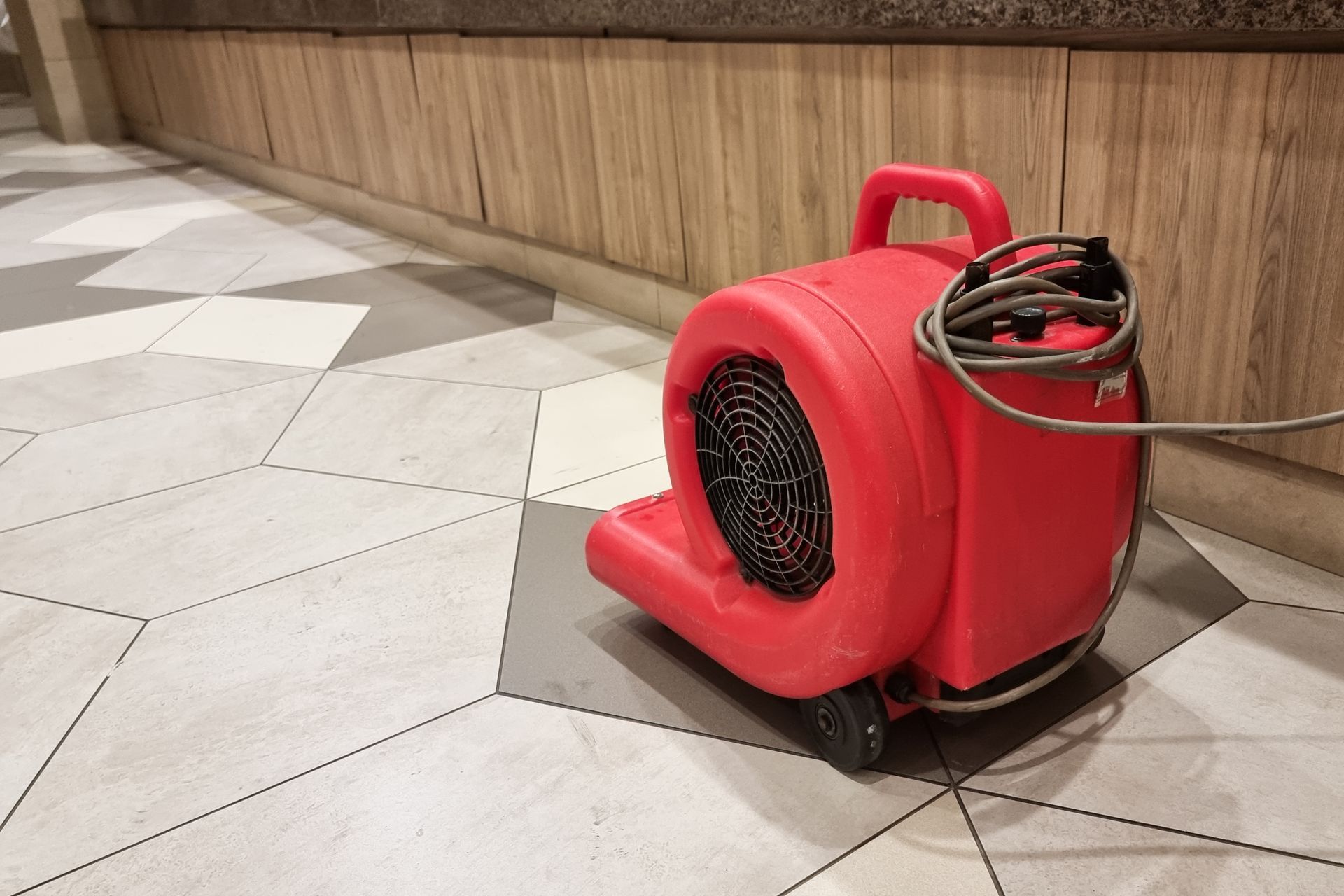
- Run fans to keep air moving
- If weather allows, open doors and windows for fresh air
- Use dehumidifiers to pull moisture from the air
Remember, materials like drywall, insulation, and padding can hold moisture inside even when surfaces feel "just damp." That's why professional water damage restoration and mitigation is often needed, especially after a major burst. If you notice any signs of mold developing, our mold remediation team can help address it before it spreads.
Step Five – Contact a Professional Restoration Team
Once the emergency steps are underway, it's time to bring in experts who handle burst pipe home damage every day.
Why Timing Matters in the First Hour
In the first 24–48 hours:
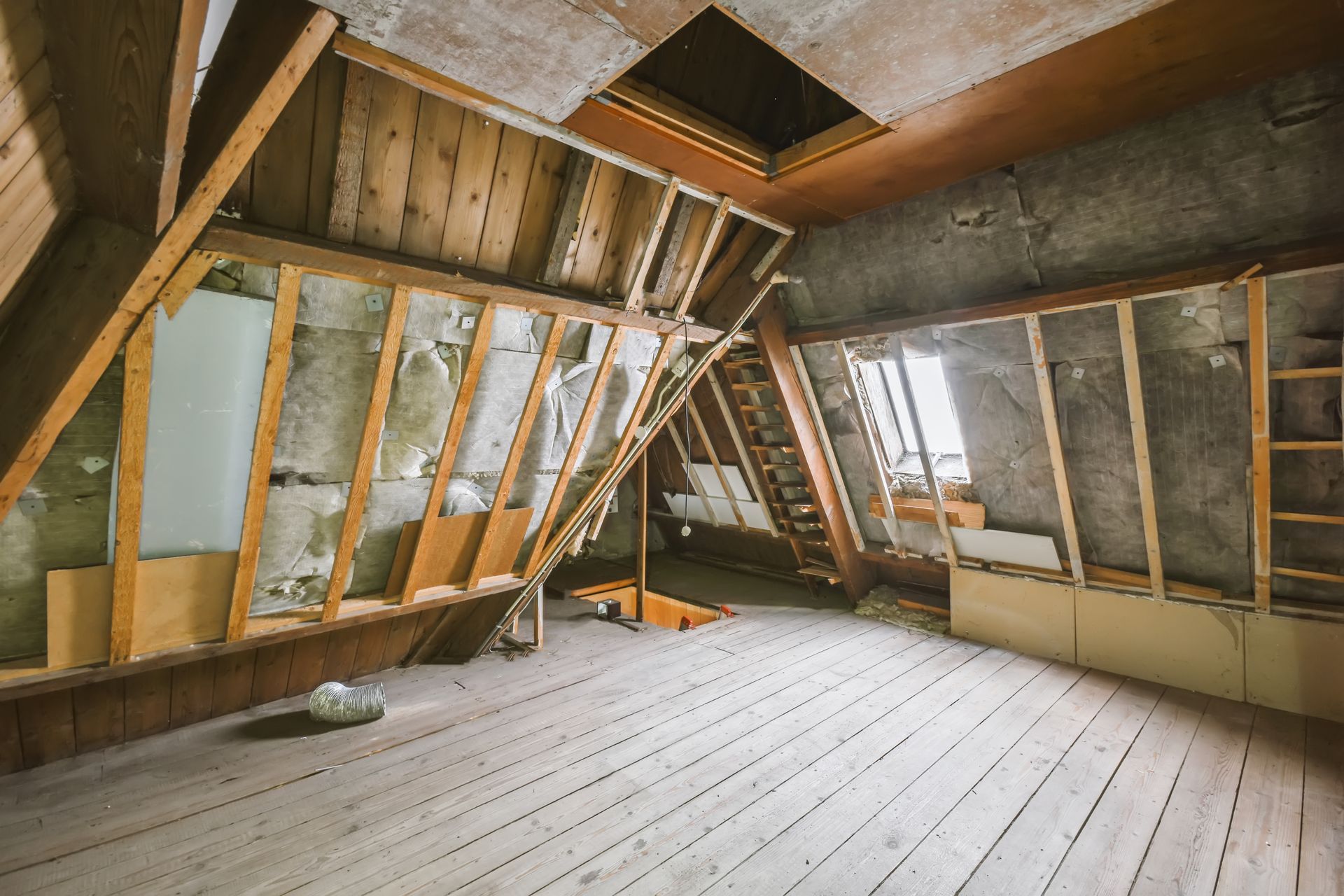
- Moisture can soak deep into walls, flooring, and framing
- Mold can begin to grow in wet, dark spaces
- Swollen wood and warped floors may become permanent
- A professional water damage restoration company can:
- Measure moisture levels inside walls and floors
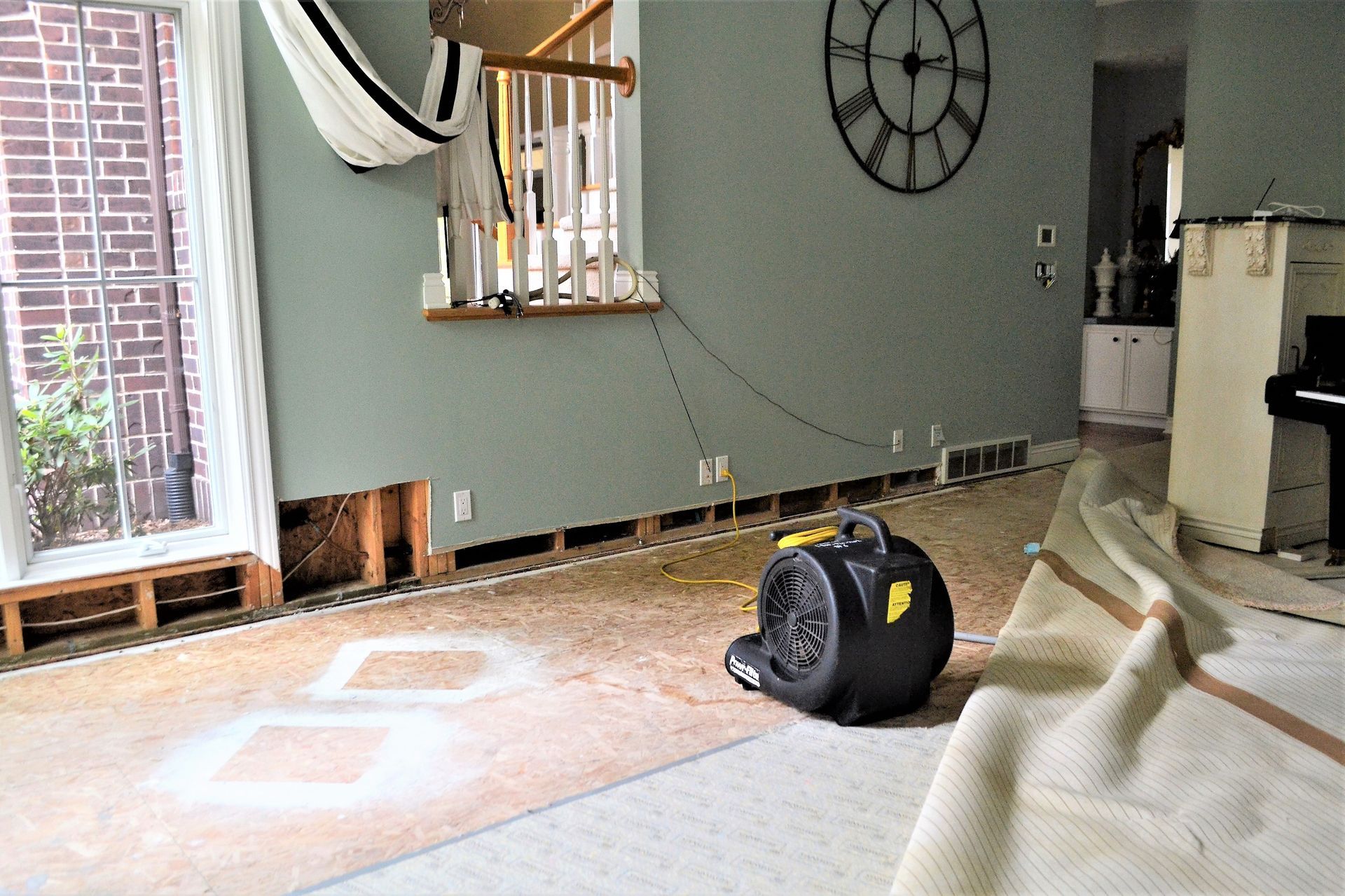
- Set up commercial dehumidifiers and air movers
- Remove wet materials that can't be saved
- Treat surfaces to help prevent mold
Calling early gives you the best chance to save materials and reduce long-term repair costs.
What to Expect from Emergency Restoration Services
A qualified team in CT (like Incredible Restorations) will typically:
- Arrive as quickly as possible, often the same day
- Inspect the damage and explain what they see in plain language
- Create a plan for drying, cleanup, and any needed demolition
- Take their own photos and readings to support your insurance claim
- Work directly with your adjuster, when possible, to document the loss
You stay in control of decisions, but you don't have to figure out every technical detail on your own. For more guidance on the complete recovery process, check out our article on what to do after water damage.
Step Six – Notify Your Insurance Company
After you've stopped the water and started cleanup, loop in your insurance.
Start the Claims Process Early
Most homeowners policies require you to:
- Take reasonable steps to protect the property
- Report damage as soon as practical
Call the claims number on your policy card or log into your insurance app. Let them know:
- You had a burst pipe
- When it happened
- What areas of the home were affected
- That you've already shut off the water and started cleanup
What Information to Provide
Have this info handy:
- Policy number
- Your photos and videos
- Written notes about what happened
- Any invoices or estimates from plumbers or restoration companies
- A list of damaged items (especially big-ticket items like flooring, furniture, electronics)
Your restoration contractor can often help organize this information and speak with the adjuster about the technical side of water mitigation and repairs. To understand typical expenses, review our guide on water damage restoration cost.
Be Prepared for the Future
Once the immediate crisis is under control, it's smart to lower your chances of another burst pipe.
Preventative Tips for CT Winters
Connecticut winters can be hard on plumbing. To reduce risk:
- Keep your home heated, even if you're away
- Insulate exposed pipes in basements, crawl spaces, and garages
- Let faucets drip during deep freezes to keep water moving
- Open cabinet doors under sinks on exterior walls to let warm air in
- Know exactly where your water shut off valve is ahead of time
These simple steps can save you another stressful night. If you experience a flooded basement, understanding the restoration process can help you act quickly.
When to Replace Old Plumbing
Consider having a plumber inspect your system if:
- Your home has very old or corroded pipes
- You've had multiple leaks or bursts
- Water pressure is inconsistent or noisy
Replacing problem sections now can be cheaper than dealing with another emergency later. In severe cases where structural damage occurs, our reconstruction services can restore your home to its original condition.
A burst pipe is overwhelming, but you're not alone. If you're in Connecticut and dealing with a burst pipe emergency, our IICRC-certified team at Incredible Restorations is ready 24/7 to help shut down the damage, dry your home, and guide you through the insurance claim burst pipe process from start to finish.
Call us as soon as it's safe to do so, and we'll walk you through what to do next, step by step, so your home can get back to normal as quickly and safely as possible.
Frequently Asked Questions
How long does it take for mold to grow after a burst pipe?
Mold can begin growing within 24 to 48 hours after water damage occurs. This is why it's critical to remove standing water and start the drying process as quickly as possible. Even if surfaces appear dry, moisture can remain trapped inside walls, under flooring, and within insulation. Professional restoration teams use moisture meters to detect hidden water and prevent mold from taking hold in areas you can't see.
Will my homeowners insurance cover burst pipe damage?
Most homeowners insurance policies cover sudden and accidental water damage from burst pipes, including the cost of water removal, drying, and repairs to your home's structure. However, coverage typically excludes damage from lack of maintenance or gradual leaks you should have noticed. Your policy may also have limits on personal property claims. Contact your insurance company immediately after the incident, document everything thoroughly, and keep all receipts from emergency repairs and restoration services.
Can I stay in my home while water damage restoration is happening?
In many cases, yes, especially if the damage is confined to one area of your home. However, you may need to relocate temporarily if the damage is extensive, affects multiple rooms, or poses safety risks like electrical hazards or compromised structural integrity. Your restoration team will assess the situation and let you know if it's safe to stay. Even if you can remain in the home, expect noise from dehumidifiers and air movers running 24/7 for several days during the drying process.
What's the difference between water damage mitigation and restoration?
Water damage mitigation refers to the immediate emergency response, stopping the water source, extracting standing water, and beginning the drying process to prevent further damage. Restoration comes after mitigation and involves repairing or rebuilding what was damaged, such as replacing drywall, repainting, installing new flooring, or reconstructing affected areas. Most professional companies handle both phases, walking you through the entire process from emergency response to final repairs.
How much does burst pipe restoration typically cost in Connecticut?
Costs vary widely depending on the extent of damage, how long water was present, and what materials need replacement. Minor burst pipe cleanup might run $1,500 to $4,000, while major incidents affecting multiple rooms or requiring structural repairs can exceed $10,000 or more. Factors that affect cost include square footage of affected area, type of water (clean vs. contaminated), flooring and wall materials, and whether mold remediation is needed. Most restoration companies provide free inspections and work directly with your insurance adjuster to determine covered costs.