Frozen Pipe Cleanup in CT: Safety, Dry-Out, and When to Call a Pro
If you're dealing with a frozen pipe in Connecticut, the biggest risks are a sudden burst, fast flooding, and hidden moisture that can lead to mold. At Incredible Restorations, LLC, our team is IICRC Certified and has handled real-world water damage restoration, water extraction, structural drying, and moisture detection in CT homes and businesses since 2017. That experience matters because frozen pipe cleanup isn't just "mop it up", it's about getting your property dry all the way through, safely and quickly.
Why Frozen Pipes Are a Serious Concern
Frozen pipes are more than an inconvenience. They can turn into a major water loss in minutes.
Common Causes of Frozen and Burst Pipes
Frozen pipes usually happen when water sits in a pipe that's exposed to cold air long enough to freeze. Common causes include:
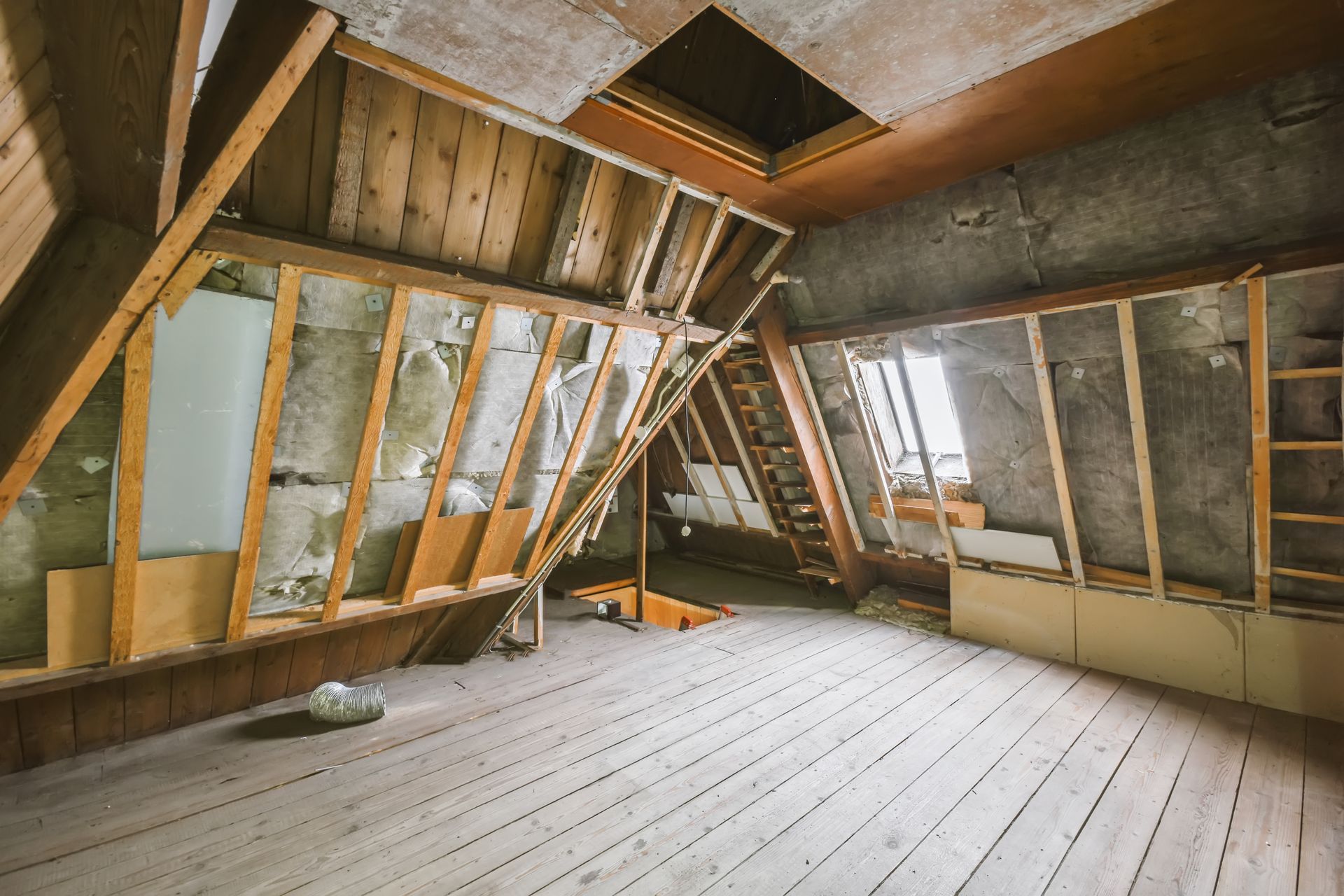
- Poor insulation in basements, crawlspaces, attics, garages, or exterior walls
- Drafts near pipes (cracks around sill plates, vents, or windows)
- Power outages that shut off heat
- Pipes in unheated areas (vacation homes, empty buildings, seasonal spaces)
- Sudden deep cold snaps (common in CT winters)
As water freezes, it expands. That expansion raises pressure inside the pipe until it cracks or bursts, often in a spot you can't see.
Risks and Damages from Burst Pipes
The immediate damage is obvious: water on floors, soaked drywall, and ruined belongings. The less obvious damage is what gets expensive later:
- Water inside walls and ceilings
- Wet insulation that holds moisture for days
- Warped wood, swollen baseboards, and buckled flooring
- Electrical hazards in wet areas
- Mold risk if materials stay damp too long
This is why frozen pipe cleanup CT jobs often turn into full water mitigation projects.
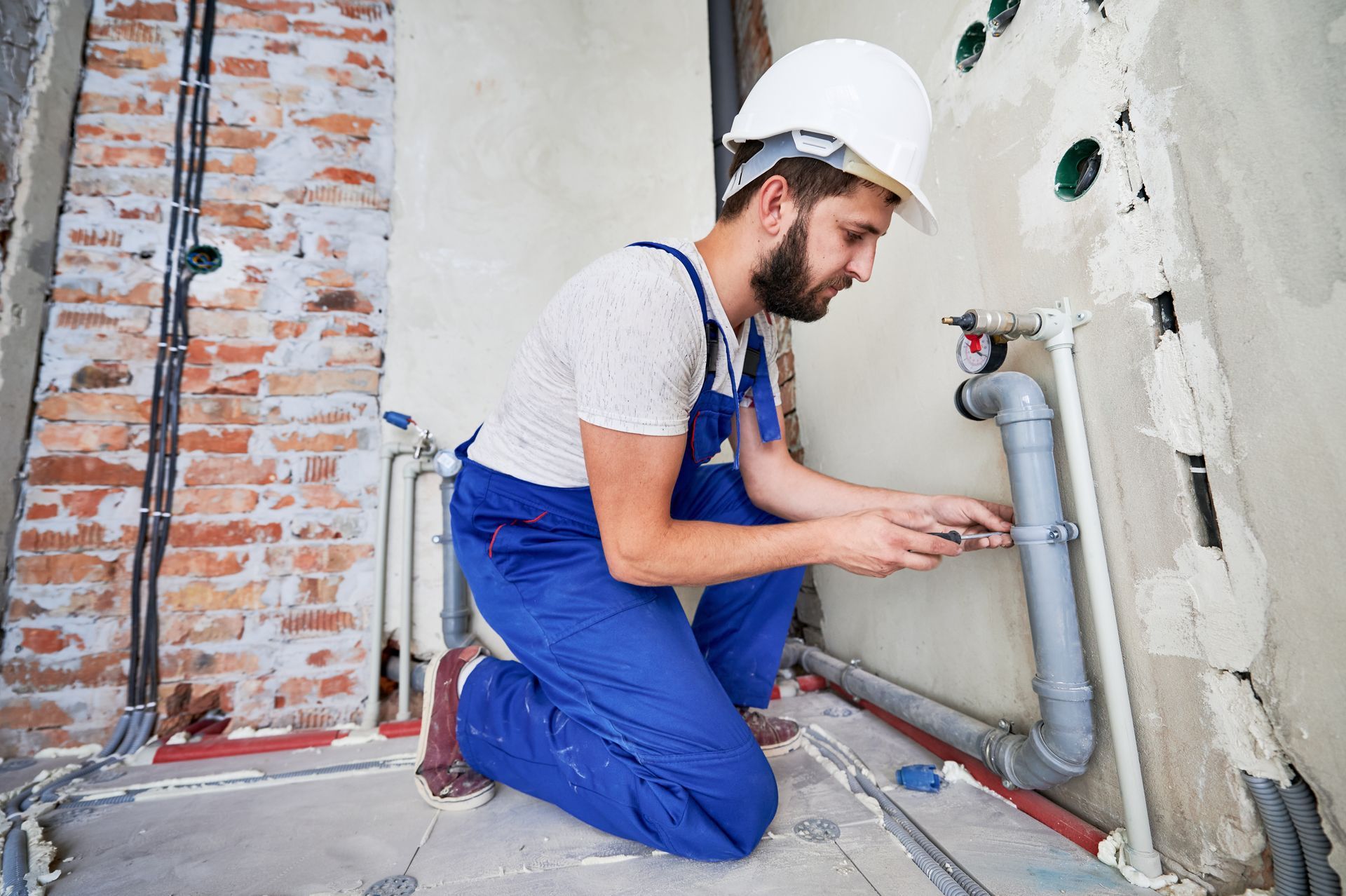
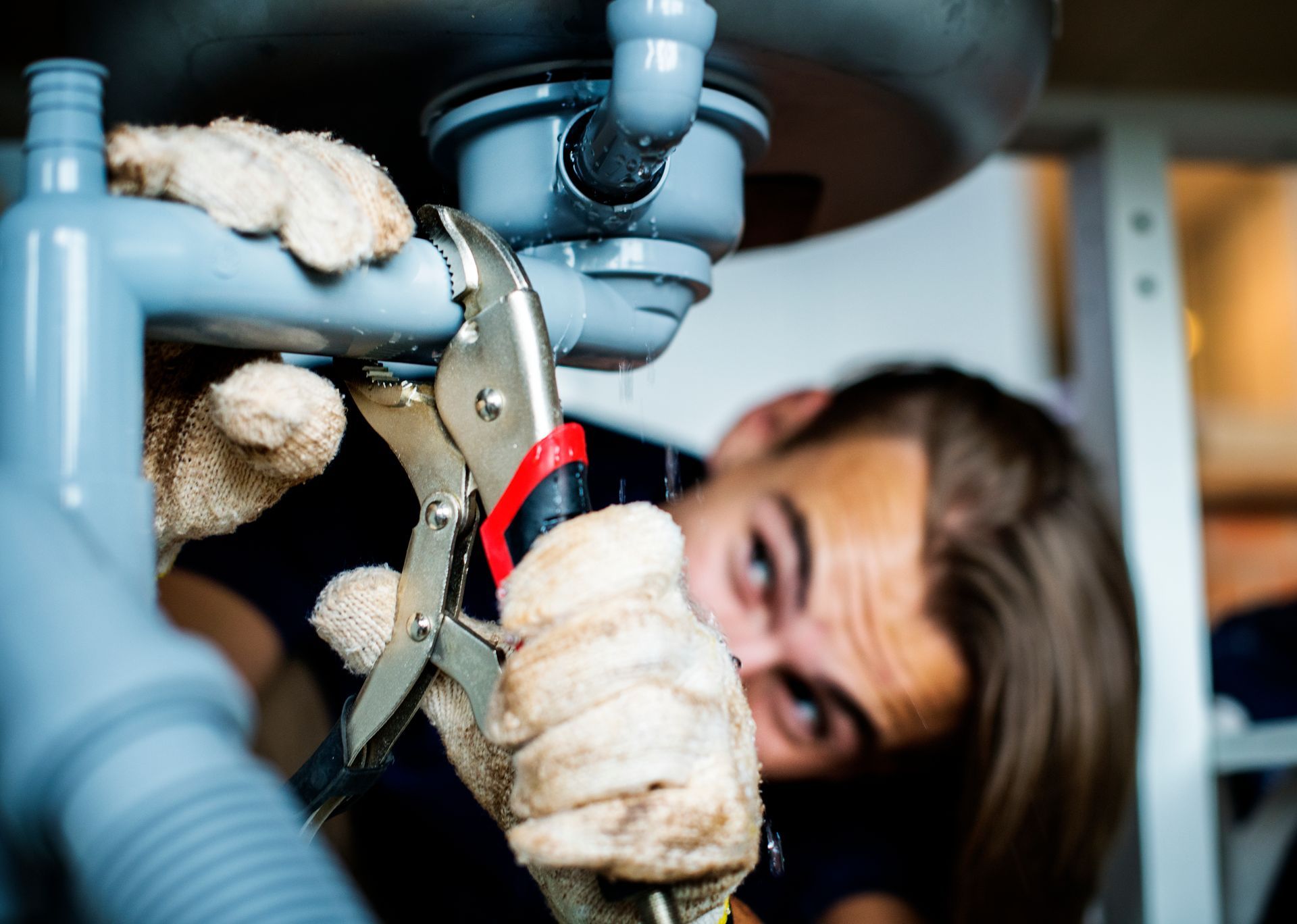
Immediate Steps to Take After Discovering a Frozen Pipe
Do this first: stop the water and protect people. Then deal with the pipe and the water.
Shutting Off the Water Supply
If you see flooding, don't wait. Shut off the water at the main valve. If you can't find it or it's stuck, call for help. If a pipe is frozen but not leaking yet, shutting off water can still prevent a worse burst once it thaws.
If water is near outlets, light fixtures, or electrical panels, avoid the area until power is shut off. Water and electricity are a dangerous mix.
Checking for Cracks, Leaks, and Flooding
Look for quick signs of damage:
- Water spraying, dripping, or pooling
- Bulging drywall or ceiling stains
- Frost on a pipe or a section of pipe that looks "sweaty"
- A drop in water pressure
- Strange sounds in the plumbing
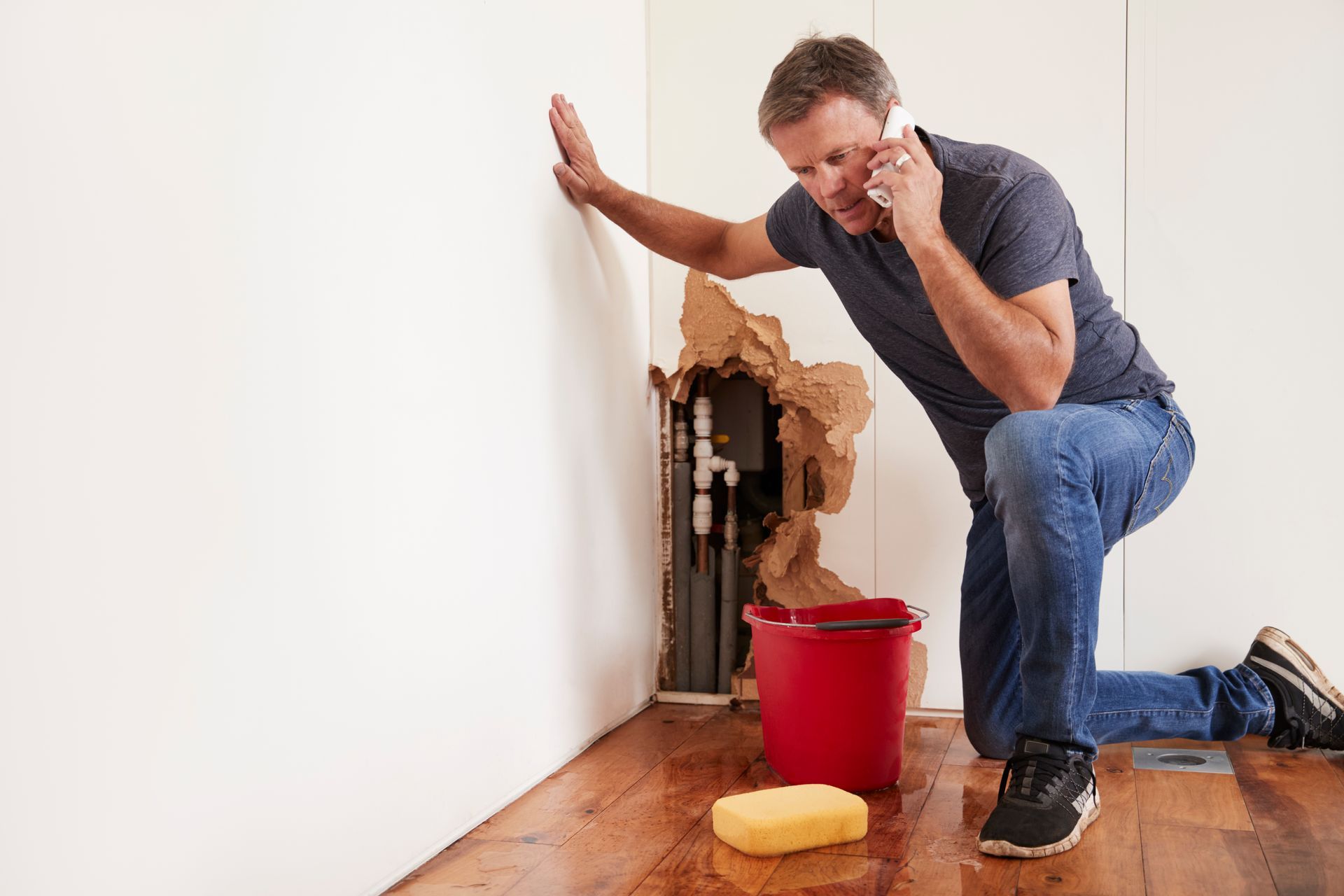
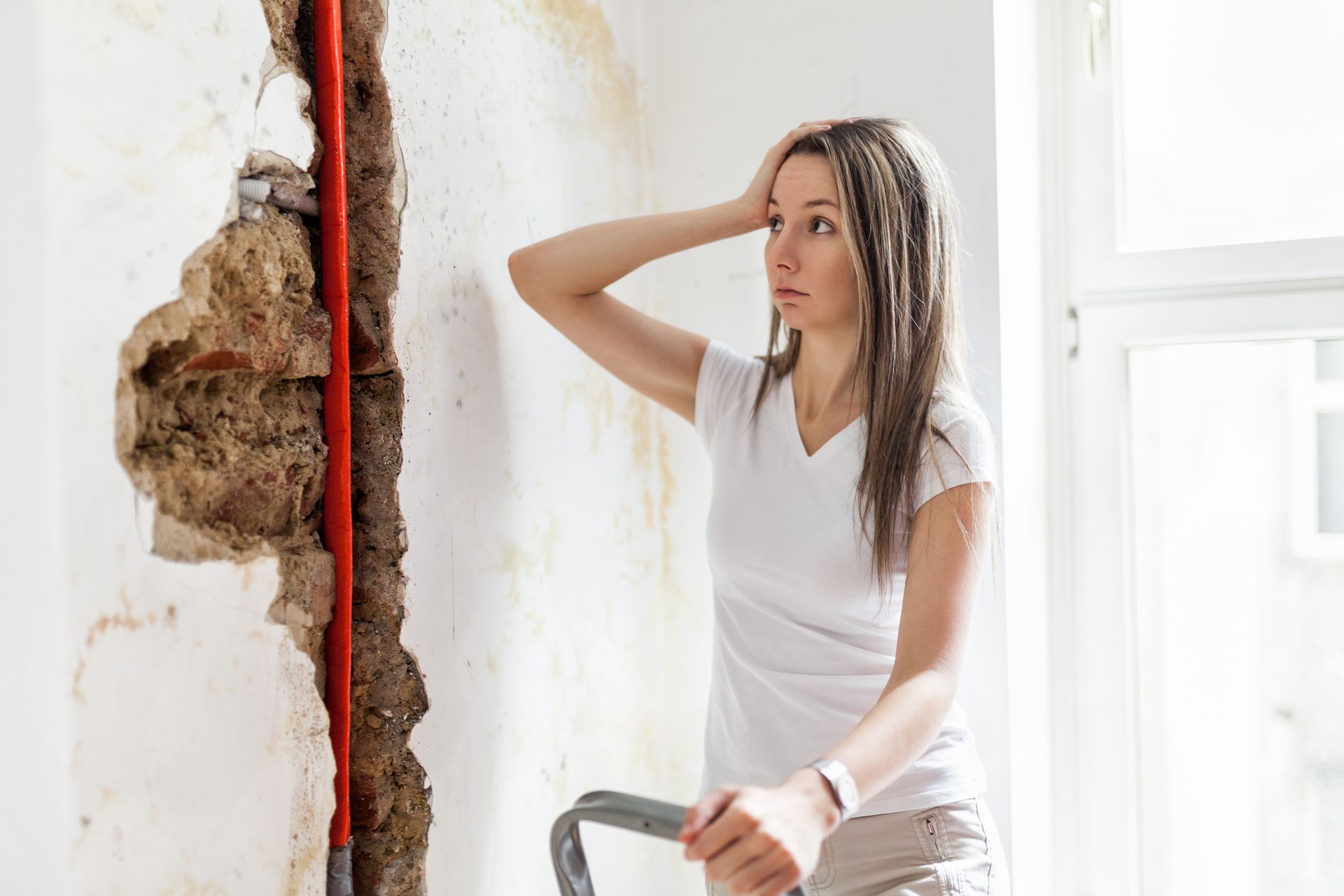
If the leak is behind a wall, you may only see a small stain while the inside is soaking. Hidden moisture is a common reason cleanup fails when people only dry what they can see.
Preventing Further Water Damage
Once water is off, focus on protecting the property:
- Move valuables away from wet areas
- Place towels or a tarp under drips
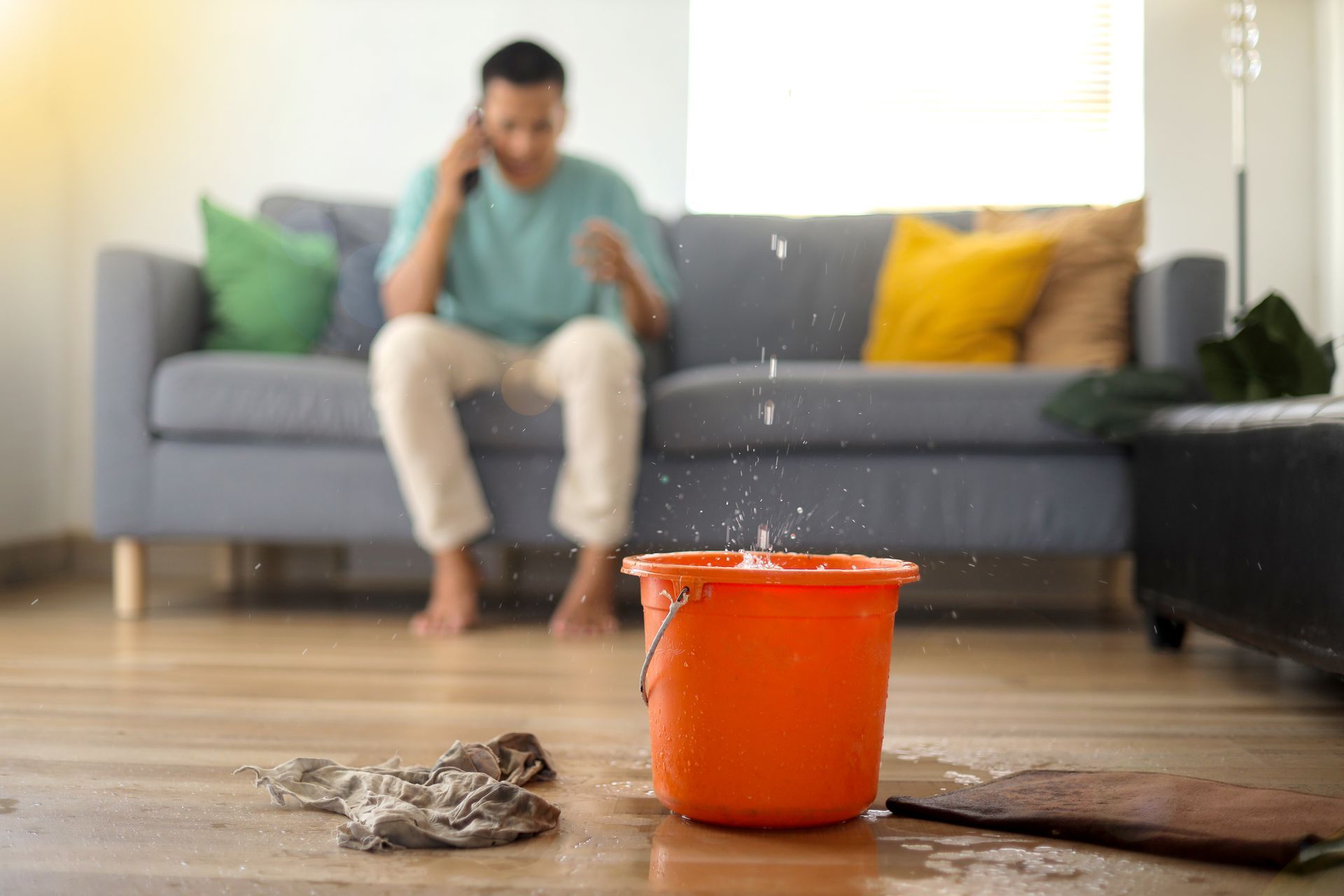
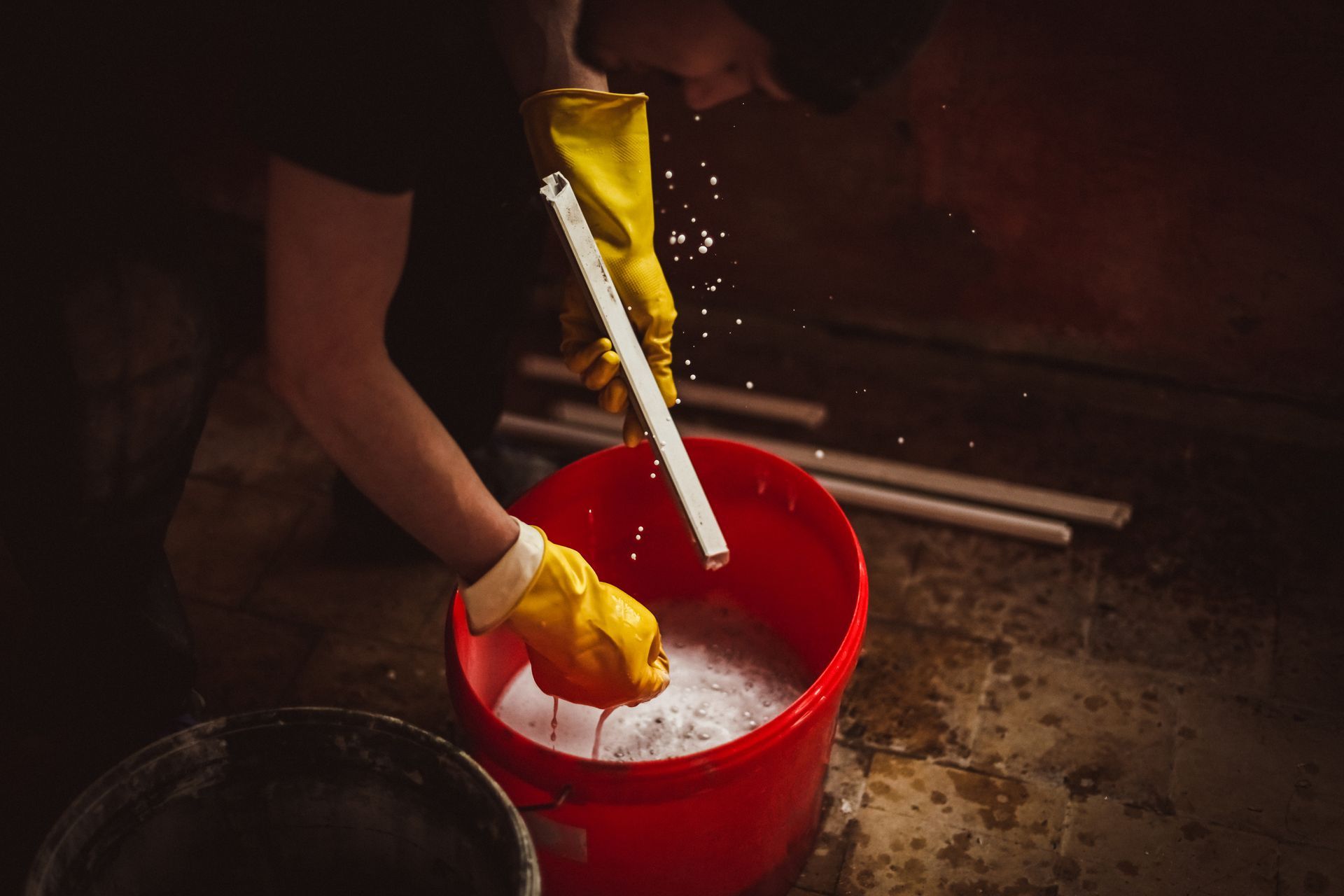
- Catch water in a bucket if it's still dripping
- Open cabinet doors under sinks to let warmth in
- If safe, start airflow with fans (don't aim fans at outlets or wet wiring)
The goal is to limit spread until proper water extraction and drying can start. For guidance on next steps, see what to do after water damage.
The Pipe Thawing and Dry-Out Process
Here's the simple truth: thawing is only half the job. Cleanup is about drying and preventing mold.
Safe Thawing Methods for Frozen Pipes
If the pipe is frozen but not burst, thaw it carefully:
- Warm air from a space heater placed safely away from combustibles
- A hair dryer moved back and forth along the pipe
- Warm towels wrapped around the pipe
Avoid open flames. Do not use a torch. It can start a fire and damage the pipe.
Also, turn on the faucet slightly. A small trickle can reduce pressure as the ice melts. If the pipe is already cracked, this may cause leaking, so be ready and keep the main water off until you're sure.
Importance of Water Extraction and Structural Drying
If water has already leaked or burst, you need two things fast:
- Emergency water removal (remove standing water)
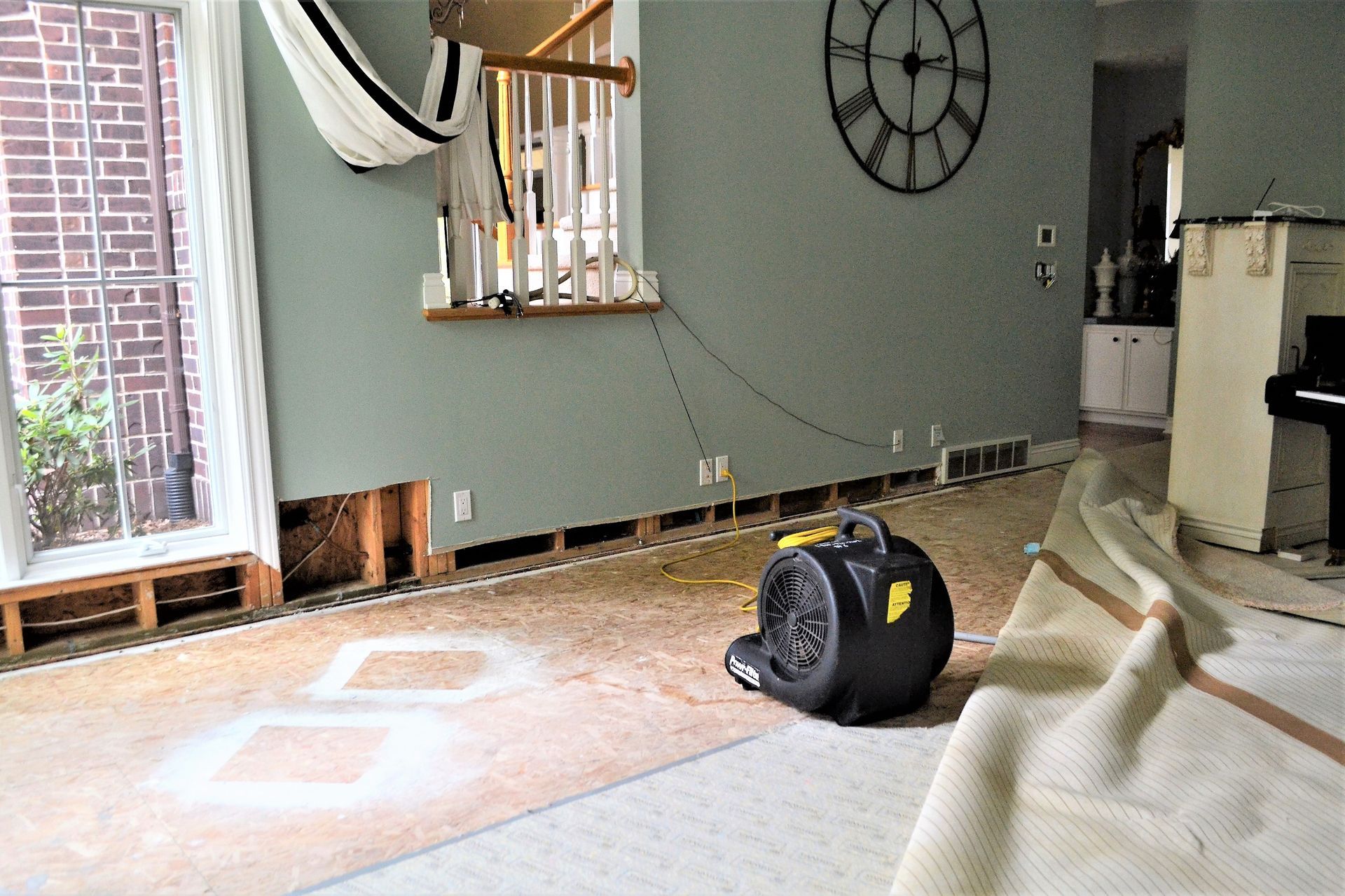
- Structural drying (dry what absorbed water)
Standing water can usually be removed quickly. The bigger problem is water in:
- Drywall and insulation
- Wood framing
- Subfloors and flooring layers
- Cabinets and baseboards
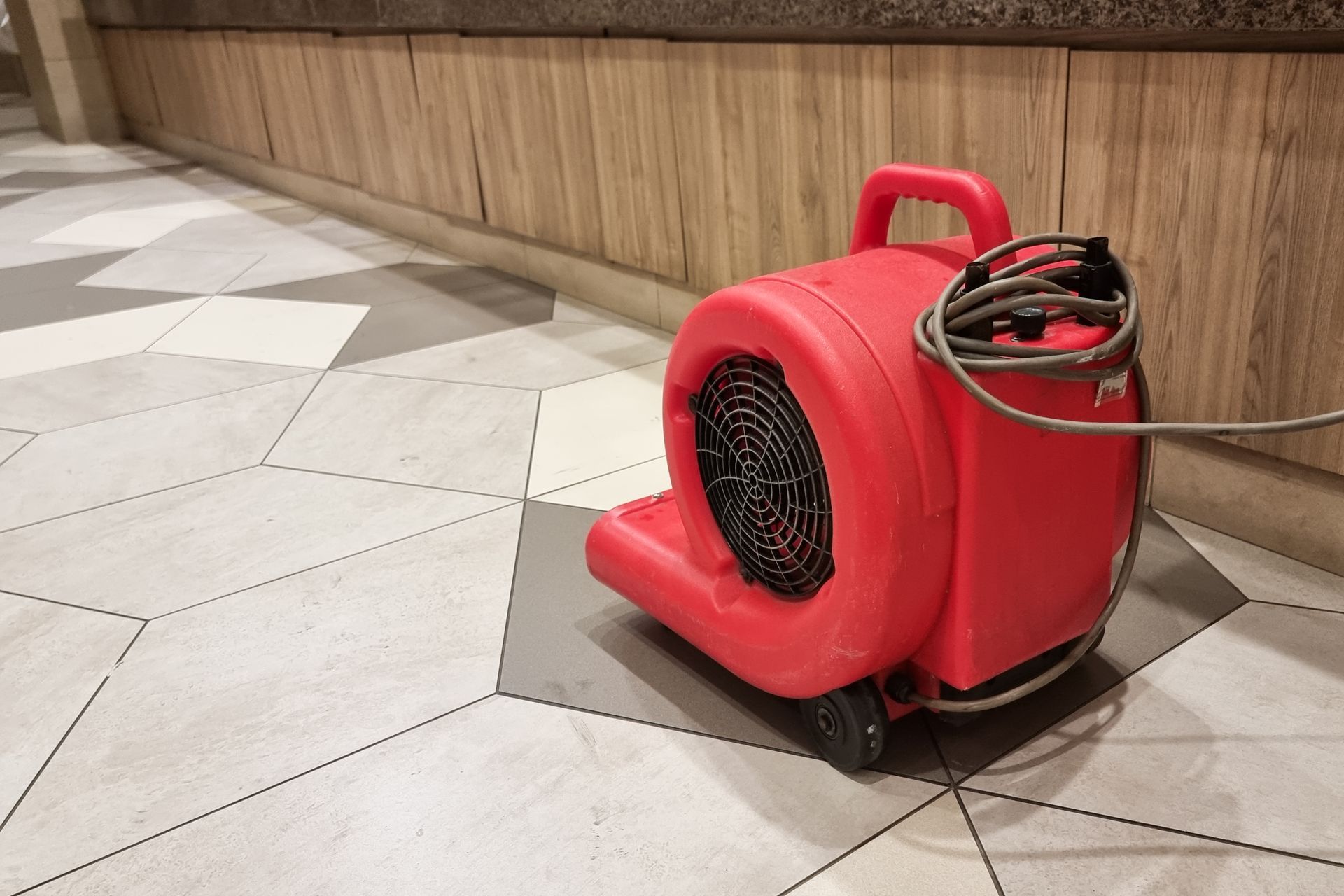
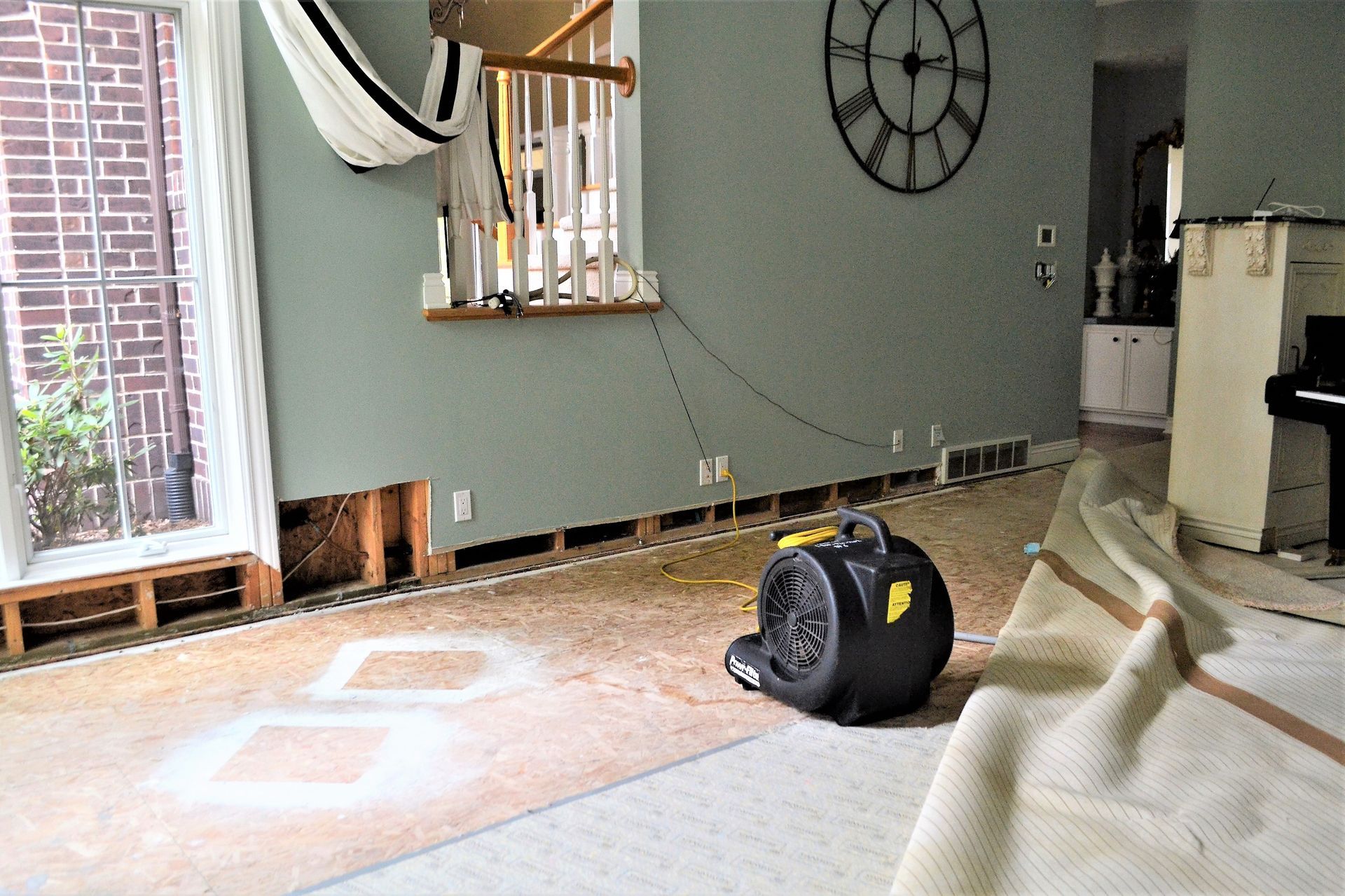
This is where professional water extraction CT services and drying equipment make a difference. Air movers, dehumidifiers, and moisture meters help dry materials you can't judge by touch. A surface can feel dry while the inside stays wet. Learn more about water damage restoration costs.
Mold Prevention and Moisture Control
Mold prevention comes down to one key idea: keep materials from staying damp.
Helpful steps include:
- Removing wet porous materials when they can't dry fast enough (like soaked insulation or crumbling drywall)
- Keeping humidity low with dehumidification
- Checking for trapped moisture behind walls and under floors
- Monitoring dryness, not guessing
If you smell musty odors or see discoloration after a burst pipe cleanup, moisture may still be present. Mold can grow when damp conditions linger, especially in hidden spaces. For professional help, consider mold remediation services.
When to Call a Professional for Frozen Pipe Cleanup
If the situation is bigger than a small, contained drip, calling a pro usually saves time and prevents long-term damage.
Signs You Need Emergency Restoration Services
You should strongly consider professional help if:
- Water entered walls, ceilings, or floors
- The leak affected multiple rooms
- You can't locate the source of moisture
- There's sewage backup, contamination, or strong odors
- You have swelling, warping, or bubbling drywall
- You can't dry the area quickly and evenly
This is where CT frozen and burst pipe restoration is different from basic cleanup. Restoration focuses on drying the structure, preventing mold, and protecting the building materials.
What a Water Damage Restoration Team Does
A good restoration team typically:
- Performs a moisture inspection to find wet areas
- Starts water removal and controlled drying
- Uses moisture detection tools to track progress
- Removes damaged materials that can't be saved
- Helps prevent mold through drying and containment practices
- Documents the loss (helpful for insurance claims)
This process is often called water mitigation CT because it's designed to stop damage from getting worse. In severe cases, reconstruction services may also be needed.
Benefits of Professional Equipment and Expertise
The biggest benefit is accuracy. Pros can:
- Dry faster with commercial air movers and dehumidifiers
- Reduce the risk of mold by finding hidden moisture
- Prevent "rebuild later" problems caused by missed wet areas
- Handle larger losses safely and efficiently
For many homeowners, the real value is peace of mind: knowing the structure is truly dry, not just "looks okay."
How to Prevent Frozen Pipes in the Future
Prevention is usually cheaper than cleanup. A few upgrades can reduce the chance of another burst.
Winterization Tips for CT Homeowners
- Keep indoor heat consistent, even at night
- Let faucets drip slightly during extreme cold
- Open cabinet doors under sinks on exterior walls
- Seal drafts and air leaks near plumbing
- Know where your main water shutoff is before an emergency
- If you travel, have someone check the home during cold snaps
Insulating Vulnerable Pipes and Spaces
Focus on pipes in cold areas:
- Add pipe insulation sleeves
- Insulate crawlspaces and rim joists
- Protect garage plumbing and exterior wall lines
- Consider heat tape where appropriate (installed safely and correctly)
Even small insulation fixes can help prevent another frozen pipe repair situation. If you're planning major improvements, explore our basement finishing services to properly insulate vulnerable spaces.
Trust Incredible Restorations for 24/7 Frozen Pipe Cleanup in CT
If you're in the middle of a burst pipe event, you don't need a sales pitch, you need clear help and a solid plan.
Local, Certified, and Ready Anytime You Need Help
Incredible Restorations is a family owned and operated CT company with an IICRC Certified team. We respond 24/7 and focus on doing the job the right way: water extraction, structural drying, moisture detection, and mold prevention, so you're not dealing with repeat problems later.
Working With Insurance and Offering Financing Options
Frozen pipe cleanup can be stressful, especially when insurance is involved. We can help support the process with clear documentation and communication, and we offer financing options when needed. If you suspect hidden moisture or you're not sure the area is fully dry, getting an expert assessment early can prevent bigger repairs down the road.
Frequently Asked Questions About Frozen Pipe Cleanup
How long does it take for mold to grow after a burst pipe?
Mold can start growing within 24 to 48 hours in damp conditions. This is why fast water extraction and thorough structural drying are critical after a frozen pipe bursts. Even if surfaces appear dry, moisture trapped inside walls, insulation, or subfloors can create ideal conditions for mold growth. Professional moisture detection tools help ensure hidden wet areas are found and dried before mold becomes a problem.
Can I just dry out the area myself with fans and towels?
For a very small, contained leak on a hard surface, fans and towels might work. But if water has soaked into drywall, insulation, flooring, or wood framing, surface drying isn't enough. Materials can feel dry on the outside while staying wet inside for days or weeks. Professional equipment like commercial dehumidifiers, air movers, and moisture meters are designed to dry structural materials thoroughly and prevent long-term damage or mold.
Will my homeowners insurance cover frozen pipe damage?
Most homeowners insurance policies cover sudden and accidental water damage from burst pipes, including frozen pipe incidents. However, coverage may be denied if the insurer determines the damage resulted from negligence, such as leaving a home unheated during winter or failing to maintain the property. It's important to document the damage with photos, shut off the water immediately, and contact your insurance company as soon as possible. Professional restoration companies can help with documentation that supports your claim.
How do I know if there's hidden water damage behind my walls?
Signs of hidden water damage include bulging or bubbling drywall, discoloration or staining on walls and ceilings, a musty smell, peeling paint, warped baseboards, or a noticeable drop in water pressure. You might also hear dripping sounds inside walls. Because moisture can be trapped where you can't see it, professional moisture detection using thermal imaging cameras and moisture meters is the most reliable way to locate hidden water damage before it leads to mold or structural problems.
Should I turn off my heat if I'm leaving my CT home for vacation in winter?
No. Never turn off your heat completely during a Connecticut winter, even if you're away. Pipes can freeze when indoor temperatures drop below 55°F, especially in unheated areas like basements, crawlspaces, and exterior walls. Instead, keep your thermostat set to at least 55-60°F, open cabinet doors under sinks to allow warm air circulation, let faucets drip slightly during extreme cold, and ask a neighbor or friend to check on your home periodically. Shutting off your main water supply before leaving is also a smart precaution.