Ice Dam Roof Leaks in CT: How to Stop Water Damage Fast
When an ice dam on your roof starts leaking, you don't have days to decide what to do, you have hours. The short answer is: get the water under control inside, stay off the icy roof, and call a trained restoration and roofing team if there's more than a minor drip. Incredible Restorations is a local Connecticut restoration company that handles ice dam roof leak cleanup every winter, so we know what works, what doesn't, and how to protect your home as quickly as possible.
Below is a simple, step-by-step guide to understand ice dams, limit damage right away, and prevent them from coming back.
What Is an Ice Dam and Why Does It Cause Leaks?
How Ice Dams Form
Ice dams form when three things happen at the same time:
- Snow covers your roof.
- Heat leaks out of your attic and warms the roof.
- The outside air is still below freezing.
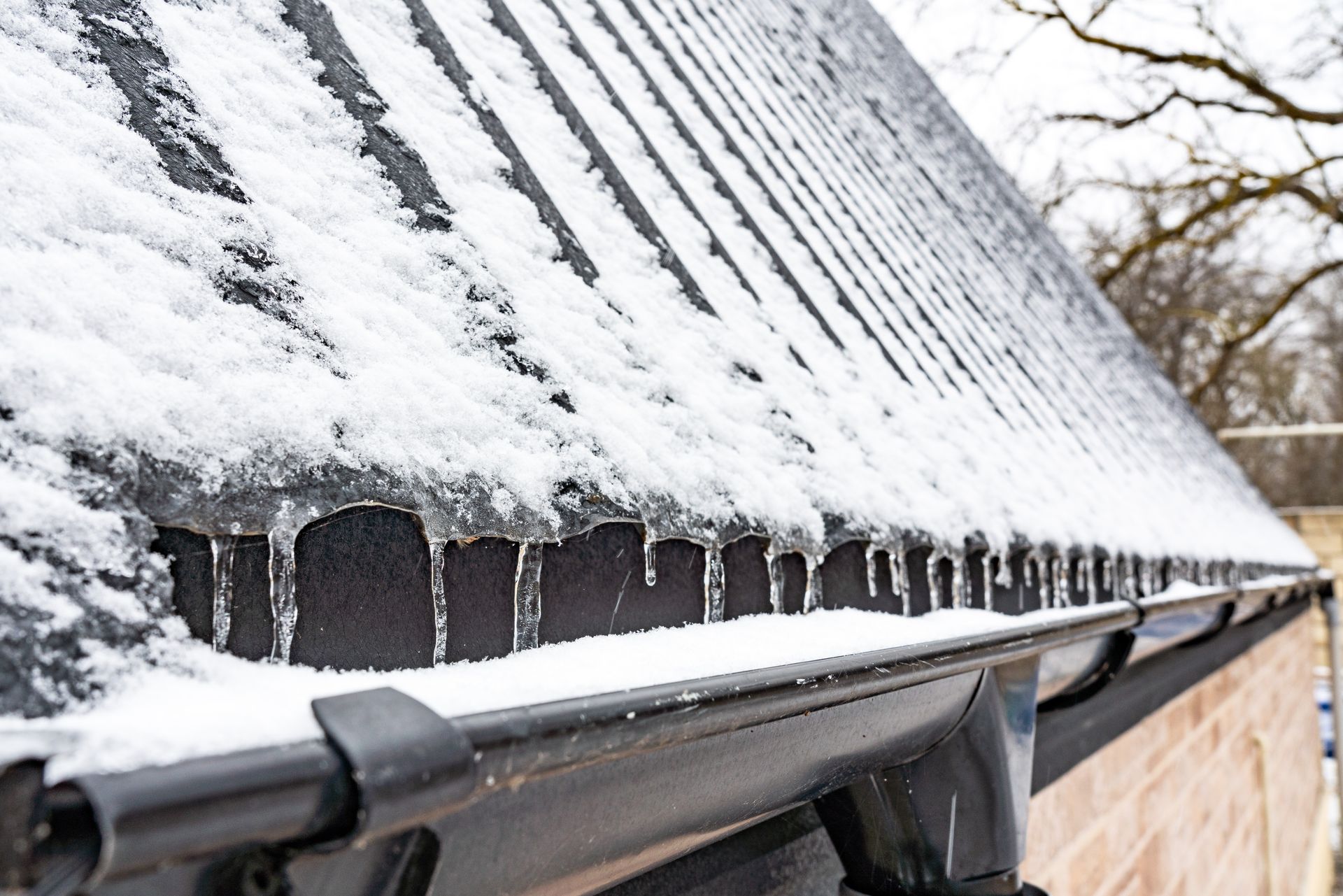
The warm roof melts the snow. Water runs down to the colder edge of the roof, usually near the gutters, and then refreezes. Over time this creates a thick ridge of ice at the eaves, an ice dam. As more snow melts, liquid water pools behind that ice ridge. Since it has nowhere to go, it backs up under shingles, into nail holes, and around roof vents. That's when you get roof ice damage, melted snow leaks, and water intrusion into your attic and ceilings.
Signs of Ice Dams on Your Roof
Look for these warning signs around your Connecticut home:
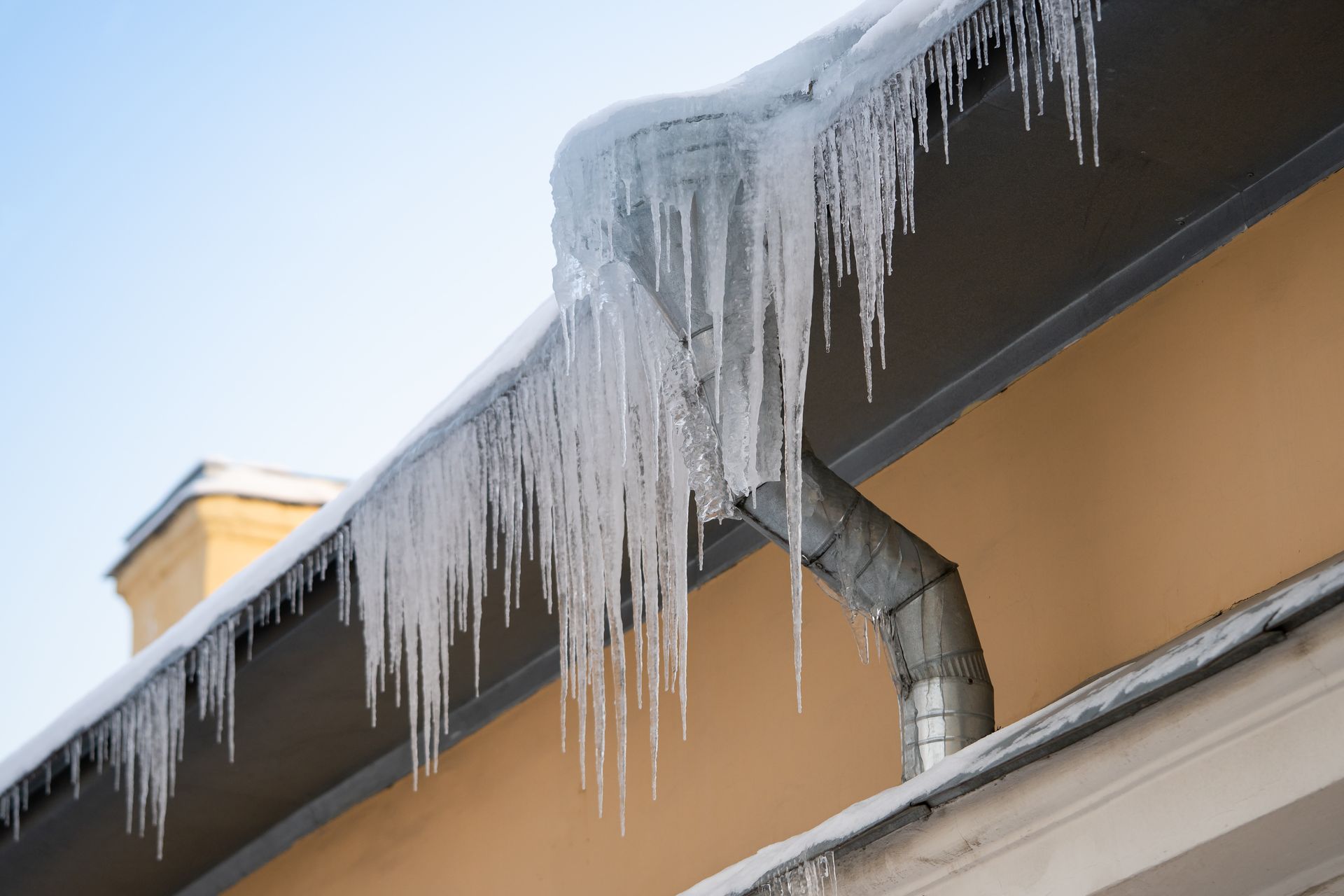
- Long, thick icicles hanging from the gutters
- ridge or wall of ice at the edge of the roof
- Gutter ice buildup and frozen downspouts
- Water stains on ceilings or upper walls
- Peeling paint or bubbling drywall
- Cold, damp spots or a musty smell in the attic
If you notice more than one of these, you likely have an ice dam problem, and may soon need ice dam roof leak cleanup.
Immediate Steps to Minimize Water Damage
First priority: protect your home's interior. Don't start on the roof until you've controlled the water inside.
Clear Standing Water Inside the Home
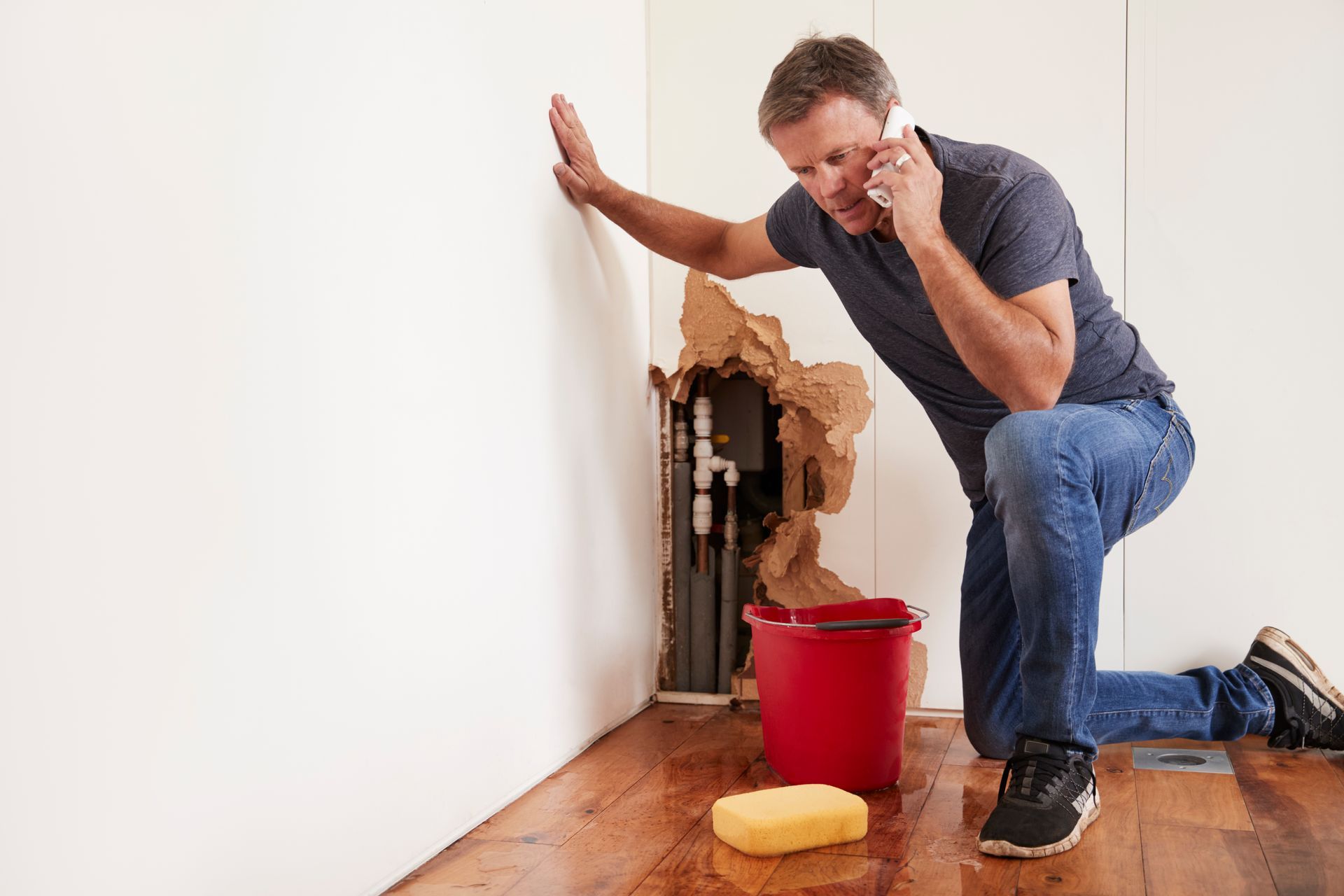
- Put buckets or large containers under active drips.
- Carefully poke a small hole in a bulging ceiling bubble to let trapped water drain in a controlled way, rather than waiting for it to burst.
- Blot wet surfaces with towels to remove as much water as you can.
If water is spreading across hardwood floors, into carpeting, or down inside walls, that's when emergency roof repair and professional water damage cleanup become important.
Use Fans and Dehumidifiers to Dry the Area
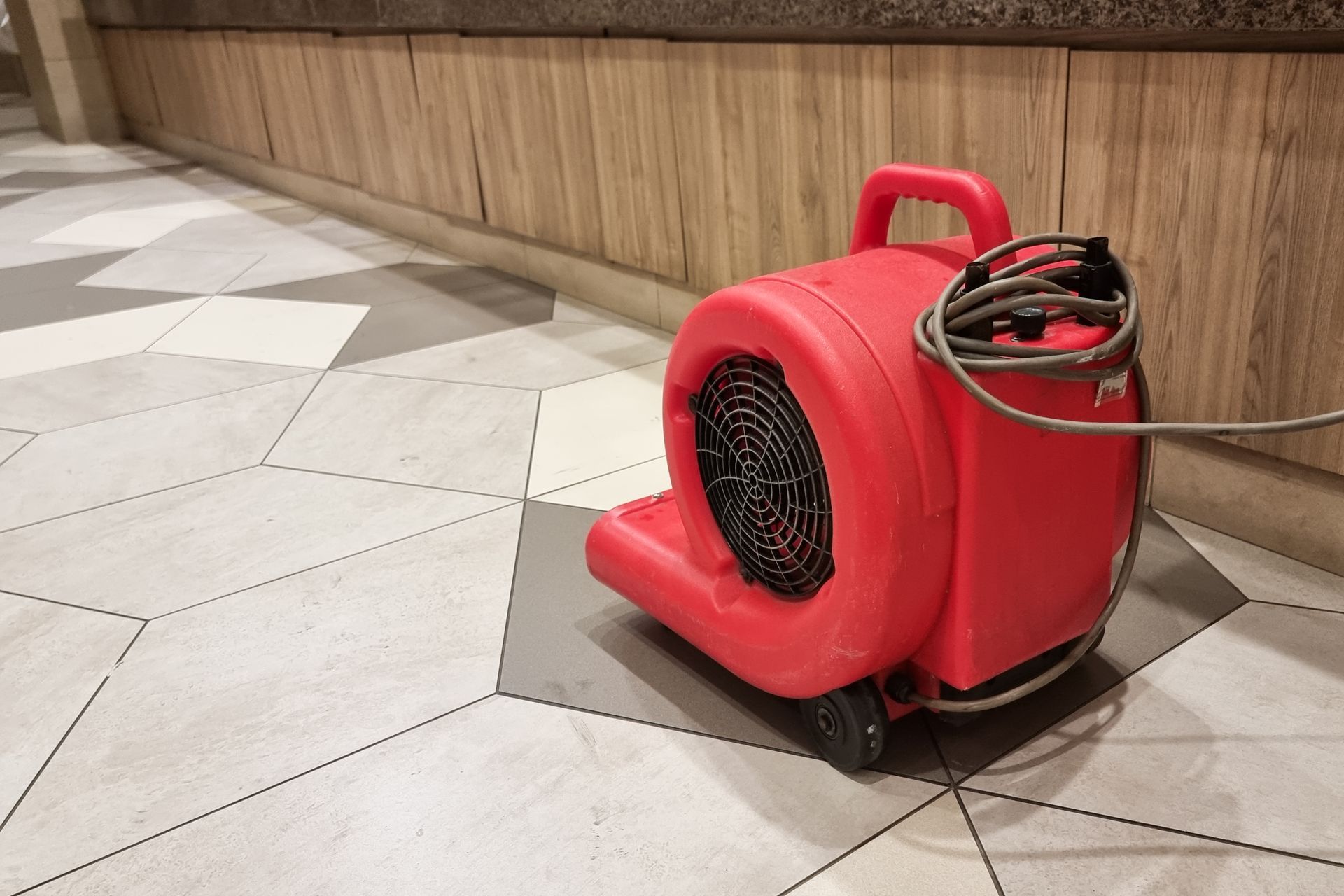
- Set up fans to move air across wet surfaces.
- Use a dehumidifier to pull moisture out of the air.
- Keep interior doors open so air can circulate.
This helps slow down damage to drywall, trim, and flooring and reduces the chance of mold growth. Fans and small dehumidifiers can help with light moisture, but serious leaks often need commercial-grade drying equipment.
Protect Furniture and Flooring from Further Exposure
- Move furniture, rugs, and electronics away from the leak if it's safe.
- Slide plastic, foil, or wood blocks under furniture legs so they don't sit in water.
- Roll up wet area rugs and move them to a dry space to avoid staining floors.
The goal is to stop ice dam water stains and swelling or warping of wood before they become permanent. For detailed guidance on managing water emergencies, see our guide on what to do after water damage.
How to Safely Remove Ice Dams
Ice dam removal is risky. Ice, snow, and steep roofs are a bad mix, so safety comes first.
Professional Steam Removal vs. DIY Methods
Best option: Hire a professional ice dam removal or roofing company that uses low-pressure steam to melt the ice.
- Steam can remove ice dams without tearing up shingles.
- Pros have fall protection and know how to move safely on icy roofs.
- Many also coordinate with restoration teams for interior water cleanup.
DIY options (for minor ice dams only):
- Use a roof rake with a long handle to pull snow off from the ground.
- Make sure the rake has a plastic or soft edge to avoid damaging shingles.
If your roof is high or steep, or if water is already leaking inside, it's usually safer and cheaper in the long run to call professionals for ice dam repair in CT rather than risk injury or major roof damage.
What Not to Do When Removing Ice
Avoid these common mistakes:
- Do not chip or hack at the ice with an axe, shovel, or hammer, this can break shingles, puncture the roof, and void your warranty.
- Do not use rock salt or harsh chemicals on the roof. Salt can eat away at shingles, metal gutters, and nearby plants.
- Do not walk on an icy roof without proper training and safety gear. Falls from roofs and ladders are a serious danger.
When in doubt, focus on snow removal from the ground and let a pro handle the actual ice dam removal.
Long-Term Fixes to Prevent Ice Dams
The long-term answer to ice dam prevention in CT isn't more ice melt products, it's fixing the attic and roof so ice dams can't form in the first place.
Improve Attic Insulation and Air Sealing
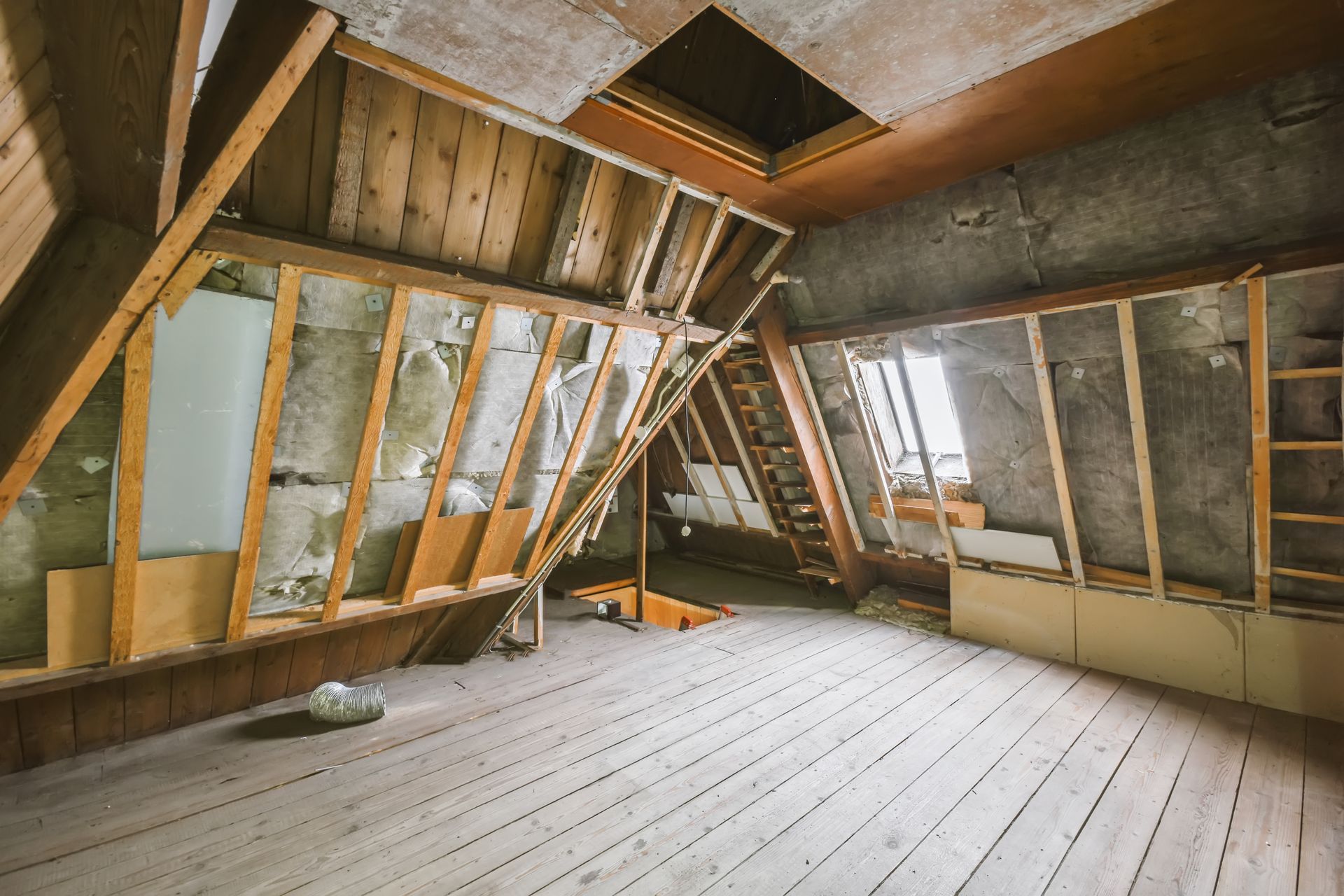
The main cause of ice dams is attic heat loss. To fix that:
- Add insulation to meet or exceed local code.
- Seal gaps around light fixtures, attic hatches, plumbing pipes, and wiring so warm air can't leak into the attic.
- Insulate and weather-strip the attic access door.
When you insulate the attic properly and seal air leaks, your roof stays colder, snow melts more slowly, and water is less likely to refreeze at the eaves.
Ensure Proper Roof Ventilation
Good attic insulation ventilation in CT homes works with insulation to keep the roof surface close to outdoor temperature.
- Make sure soffit vents along the eaves are open and not blocked by insulation.
- Check that you have ridge vents or other high vents to let warm air escape.
- Baffles (air chutes) can be installed to keep air moving from soffits up into the attic.
Balanced ventilation reduces moisture and heat buildup, which lowers the risk of winter roof maintenance issues like ice dams and mold.
Install Ice and Water Shield Membranes
If you are planning a new roof or major repairs, ask your roofer about:
- Ice and water shield membranes along eaves, valleys, and low-slope areas
- Underlayment that acts as a roof ice barrier under the shingles
These products don't stop ice dams from forming, but they help prevent melted snow leaks from getting inside the house when ice does build up.
When to Call a Professional for Cleanup and Repair
Sometimes a small drip is all you see, but the hidden damage is much larger.
Signs You Need a Restoration Contractor
Call a water damage restoration company if you notice:
- Ceiling sagging or cracking
- Water spreading into multiple rooms or down several levels
- Wet insulation in the attic
- A musty smell or visible mold growth
- Damage near electrical fixtures or recessed lights
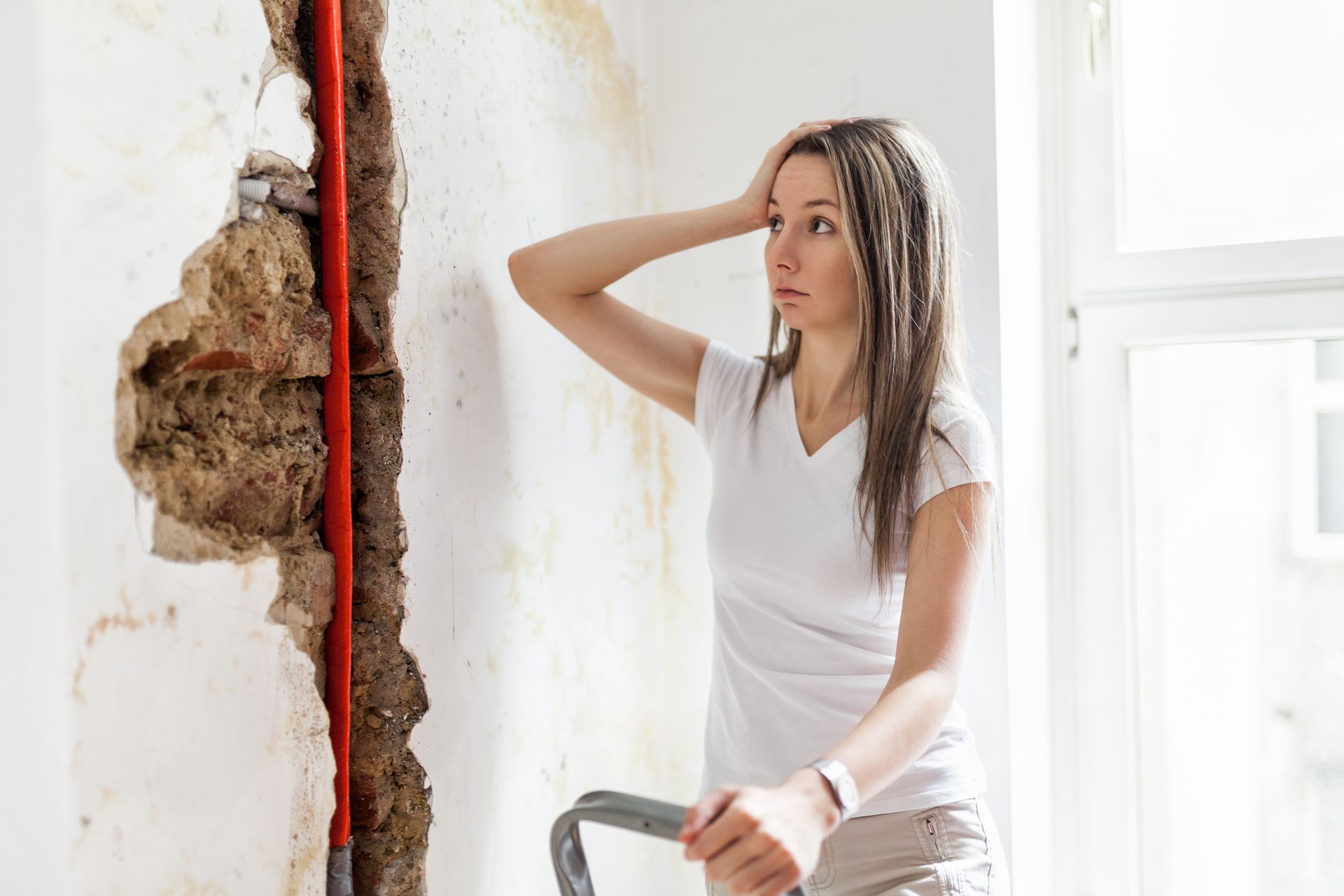
In these cases, ice dam roof leak cleanup may involve drying inside wall cavities, replacing soaked drywall, and treating materials to prevent mold. If you discover mold after an ice dam leak, our mold remediation services can address it safely.
What to Expect During Ice Dam Cleanup Services
A qualified restoration team will typically:
- Inspect and map moisture with meters and thermal cameras.
- Remove standing water with pumps or extraction tools.
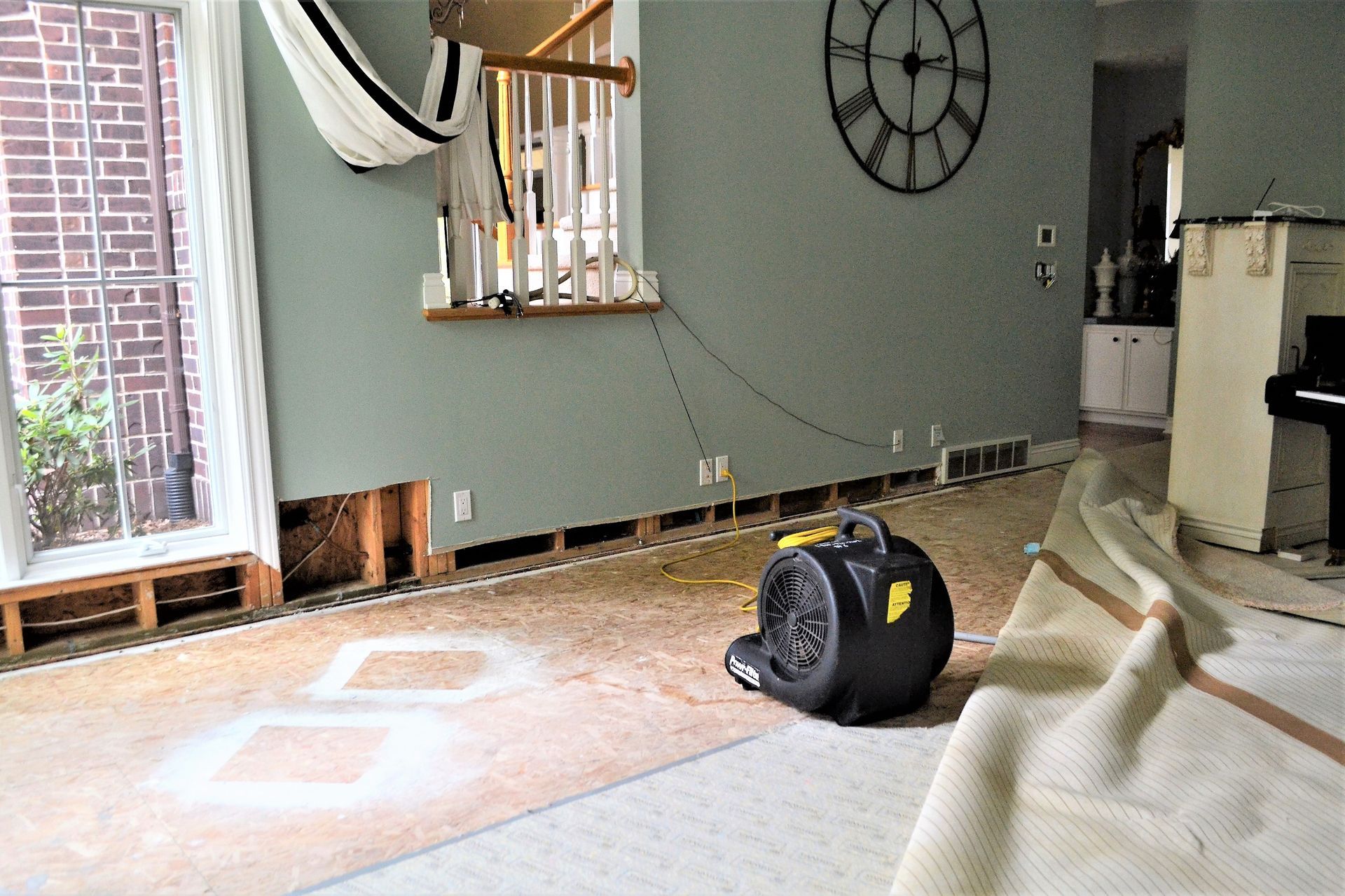
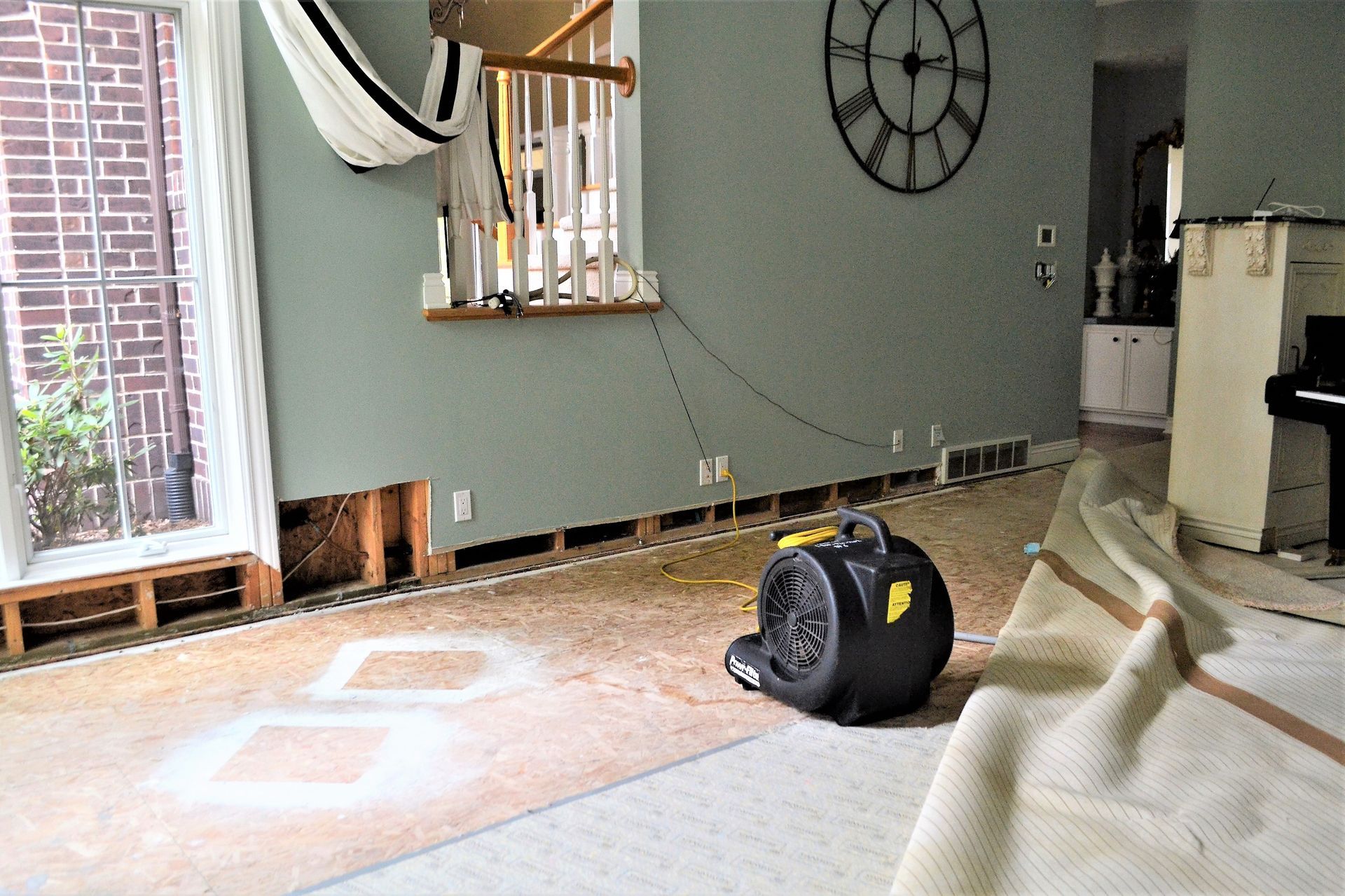
- Set up drying equipment like air movers and dehumidifiers.
- Remove damaged materials (wet insulation, ruined drywall, flooring) as needed.
- Sanitize affected areas to reduce odors and mold risks.
- Document damage and help with your insurance claim.
Some companies also handle reconstruction, so they can repair ceilings, walls, and floors once everything is dry, instead of leaving you to find a separate contractor.
Preparing Your CT Home for the Next Winter
Creating a simple plan now can save you from major ice dam removal and cleanup bills later.
Seasonal Maintenance Checklist
Each fall, try to:
- Clean gutters and downspouts so meltwater can drain.
- Check for loose shingles, flashing, or gaps around chimneys.
- Inspect attic insulation and add more if levels are low.
- Make sure soffit and ridge vents are clear and working.
- Trim tree branches that drop leaves and debris on the roof.
- Consider professional roof snow removal if you get heavy storms.
Roof and Gutter Care Tips for Cold Months
During winter:
- Use a roof rake after big storms to remove a few feet of snow from the roof edge.
- Watch for new icicles or ice buildup around gutters and downspouts.
- Keep an eye on interior ceilings for new stains or damp spots.
- Schedule a roof check if you suspect damage after a major storm.
These simple winter roof maintenance steps, combined with good insulation and ventilation, offer strong ice dam prevention for CT homes. Connecticut winters also bring risks of storm damage, so staying prepared year-round is essential.
If you're dealing with an active leak right now, the most important things are to protect your home's interior, stay safe off the roof, and act quickly.
For homeowners who need help with ice dam roof leak cleanup in CT, including water removal, drying, and repairs, reach out to a trusted local restoration company like Incredible Restorations. A professional team can guide you from emergency response through full restoration so your home is dry, safe, and ready for the next storm.
Frequently Asked Questions
Can ice dams damage my roof permanently?
Yes, ice dams can cause serious long-term damage to your roof if left unchecked. Water backing up under shingles can rot roof decking, damage underlayment, and lead to leaks that compromise your home's structure. Repeated ice dam cycles can also loosen or crack shingles, damage flashing around chimneys and vents, and cause gutters to pull away from the house. The key is addressing both the immediate leak and the underlying cause, poor attic insulation and ventilation, to prevent recurring damage each winter.
How much does professional ice dam removal cost in Connecticut?
Professional ice dam removal in Connecticut typically ranges from $400 to $1,500 depending on roof size, ice dam severity, and accessibility. Steam removal services are generally more expensive than manual methods but are much safer for your roof and more effective. If interior water damage has already occurred, full restoration services including drying, repairs, and reconstruction can add significantly to the total cost. However, addressing the problem early often saves money compared to letting water damage spread throughout your home.
Will homeowners insurance cover ice dam damage?
Most homeowners insurance policies cover sudden water damage from ice dams, including interior repairs to ceilings, walls, and floors. However, coverage often excludes the cost of removing the ice dam itself or preventative measures like adding insulation. Insurance may also deny claims if they determine the damage resulted from poor maintenance or lack of proper ventilation. Document all damage with photos immediately, contact your insurer as soon as you notice a leak, and keep receipts from emergency repairs and restoration work.
Is it safe to use calcium chloride or ice melt products on my roof?
Calcium chloride ice melt products are safer for roofs than rock salt, but they should be used carefully and only as a temporary emergency measure. Fill a nylon stocking or tube sock with calcium chloride and lay it vertically across the ice dam to slowly melt a channel for water to drain. Never scatter ice melt directly on shingles, as it can damage roofing materials, corrode metal gutters and flashing, and harm landscaping below. The safest long-term solution is preventing ice dams through proper insulation and ventilation rather than relying on chemical treatments.
How quickly does mold grow after an ice dam leak?
Mold can begin growing within 24 to 48 hours in wet attic spaces, insulation, drywall, and ceiling materials affected by ice dam leaks. The cold, damp environment created by ice dam water intrusion is ideal for mold development, especially in hidden areas like wall cavities and attic insulation. This is why immediate action, removing standing water, setting up fans and dehumidifiers, and calling professional restoration services, is critical. Even if surfaces appear dry, moisture can remain trapped inside building materials, creating ongoing mold risks that require professional detection and remediation.