Flooded Basement Cost in CT: Price Factors, Timelines, and When Insurance Pays
If you're searching for flooded basement cost CT, here's the straight answer: the total cost can range from a few hundred dollars for minor water removal to several thousand (or more) when drying, demolition, mold prevention, and repairs are needed. The biggest drivers are how deep the water is, how long it sat, and whether it's clean water or contaminated. Timelines can be as short as a day for simple extraction, but 3–7 days is common when proper drying is required, and repairs can add weeks.
This guide is written from the perspective of a Connecticut restoration company that deals with flooded basements every week. Incredible Restorations, LLC is IICRC certified, family-owned, and has been helping CT property owners since 2017. That matters because flooded basements aren't just "shop-vac and done." The right steps (and the right timing) are what prevent mold, warped materials, and repeat problems.
What Causes Basement Flooding in Connecticut?
Connecticut basements flood for a few common reasons. Knowing the source helps you predict both the damage and the cost.
Common Weather and Environmental Triggers
Heavy rain, snowmelt, and saturated soil can push water toward your foundation. When the ground can't absorb more, water looks for the easiest path, often through cracks, joints, window wells, or the cove joint where the wall meets the floor. In some CT neighborhoods, high groundwater can rise fast during storms. Storm damage can overwhelm even well-maintained properties during severe weather events.
Plumbing Failures and Interior Leaks
Burst pipes, failed water heaters, washing machine hoses, and plumbing leaks can dump a surprising amount of water in a short time. These events often start as "clean water," but if water sits and mixes with dirt and building materials, cleanup gets harder and more expensive. Learn what to do after a burst pipe to minimize damage and costs.
Groundwater and Foundation Issues
Small foundation cracks, poor grading, clogged gutters, and downspouts that dump water near the house can cause chronic seepage. Over time, that moisture can damage finished basements and increase the chance of mold. Even when it looks like a "little puddle," the hidden moisture can be the real problem.

Average Cost to Repair a Flooded Basement in CT
There isn't one standard price for a flooded basement. Instead, your total is usually the sum of several steps: extraction, drying, cleaning, and repairs. When people look up basement flood cleanup cost Connecticut, they're often trying to understand what's included, so here's the typical breakdown.
Cleanup and Water Extraction Costs
Water removal is usually the first line item. Costs tend to rise with:
- deeper water
- larger square footage
- limited access
- the need for pumps instead of basic extraction
If the basement has belongings, technicians may also need time to move and sort items so floors and walls can be properly dried. Professional water damage restoration ensures thorough extraction and prevents secondary damage.
Drying, Dehumidification, and Mold Removal
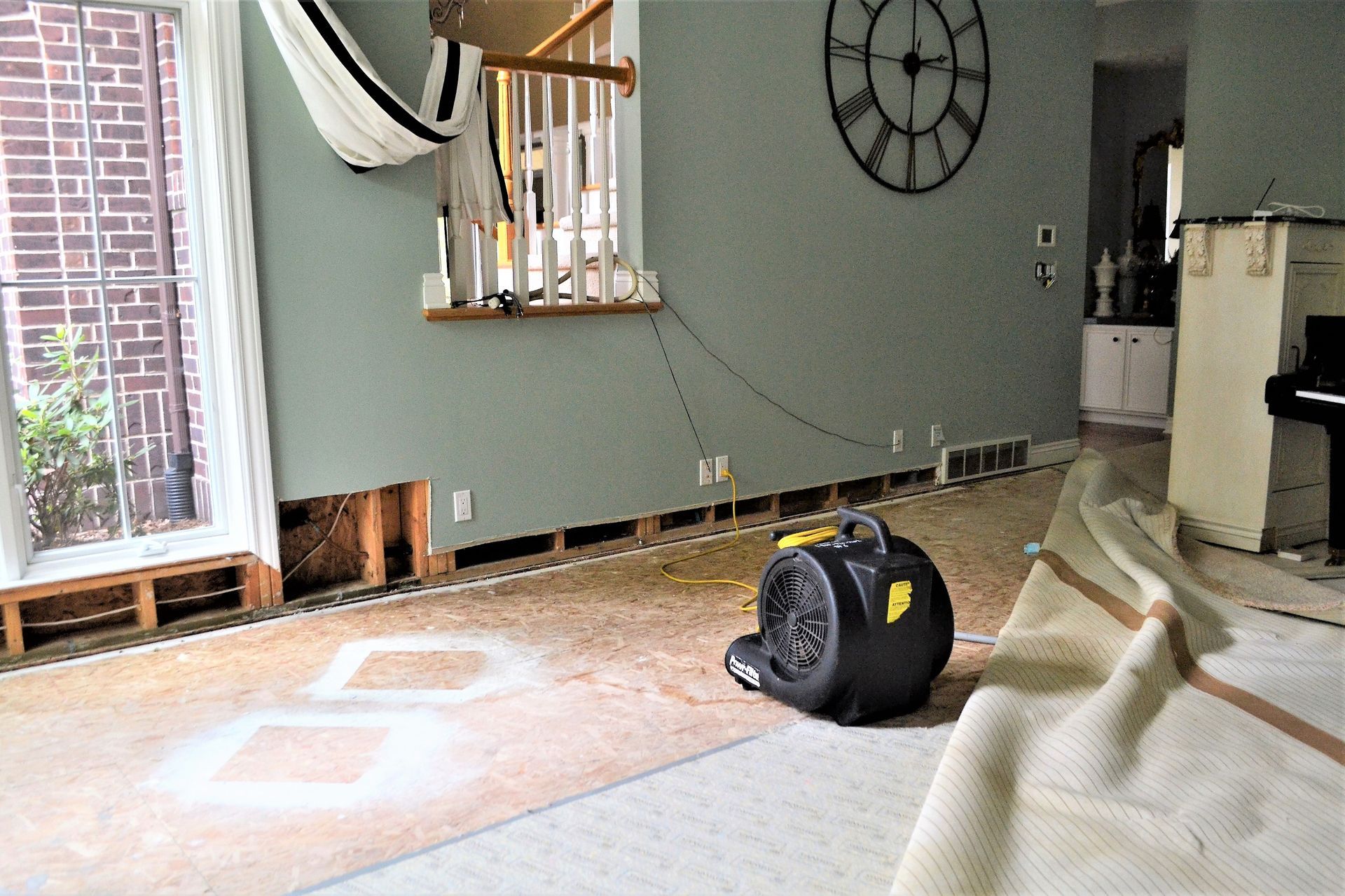
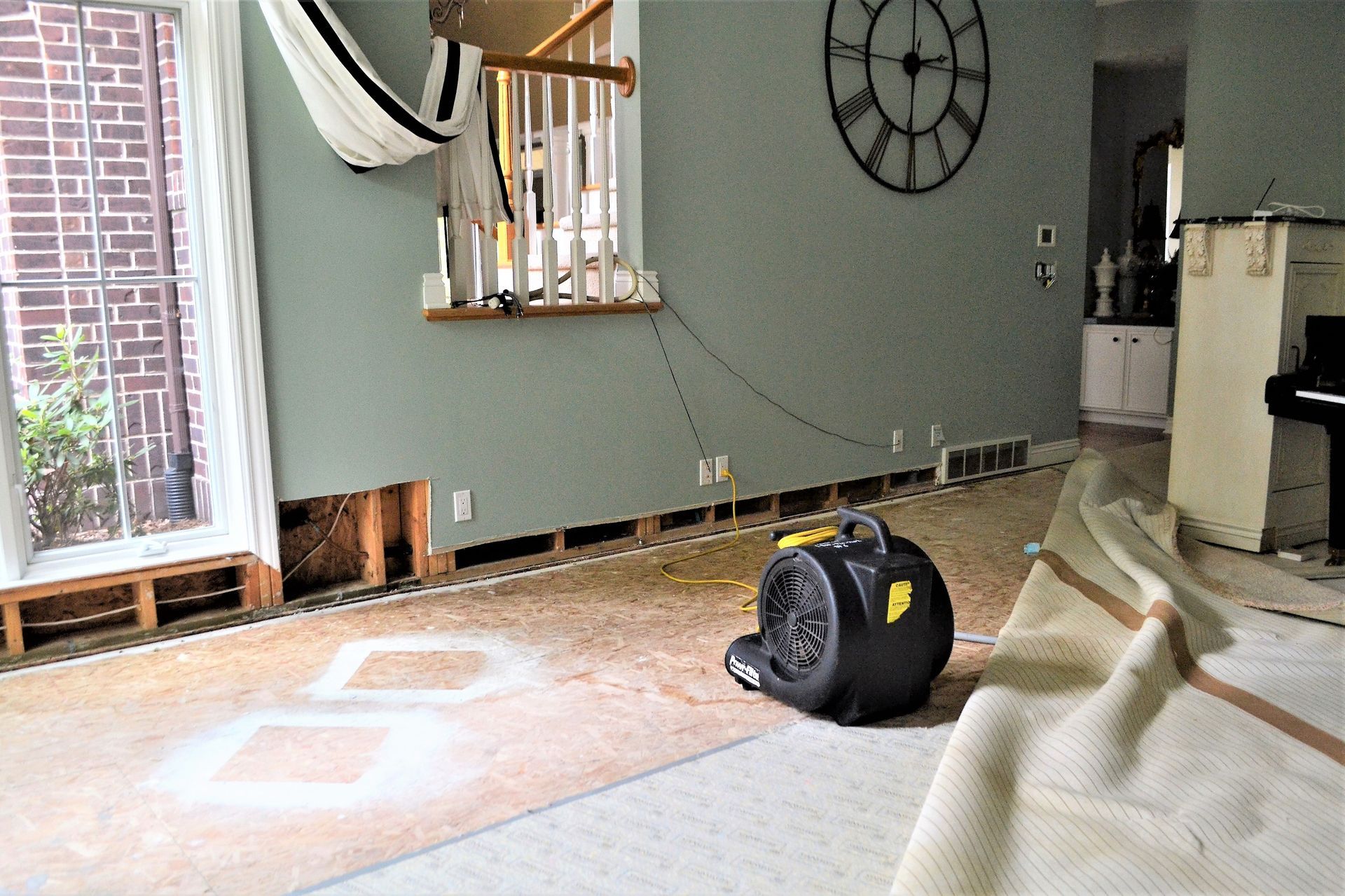
Drying is where many basements either recover well, or develop mold later. Proper drying often includes commercial air movers, dehumidifiers, and moisture checks over multiple days. This portion can be a major part of flooded basement repair costs and factors because it depends on how wet the materials are and how porous they are.
Mold prevention steps may include antimicrobial application and controlled drying. If mold is already present (or if materials stayed wet too long), you may also see mold remediation cost added to the total. Understanding how much mold remediation costs in CT can help you budget accordingly.
Structural and Material Repairs
After the area is dry, repairs may include:
- removing and replacing baseboards or drywall
- replacing carpet pad or flooring
- repairing insulation
- repainting
- rebuilding finished basement sections
If there's sewage or storm-related contamination, more materials may need to be removed instead of dried and saved. Our reconstruction services can restore your basement to pre-loss condition.
Hidden Costs to Watch Out For
Some costs don't show up until drying starts:
- water trapped under flooring
- wet insulation behind walls
- damage inside cabinets or built-ins
- electrical outlets and low wall wiring affected by moisture
- odor issues from wet materials
A basement can look "mostly fine" on day one and still need serious work once moisture readings are taken. Learn more about what to do after water damage to avoid costly surprises.
Key Factors That Influence Flooded Basement Costs
These are the most common drivers that change the final number for flooded basement cost CT.
Size and Severity of the Flood
A few square feet of water near a drain is very different from an entire basement with soaked drywall and carpet. More area usually means more equipment, more labor, and more time.
Type of Water: Clean vs. Gray vs. Black
Water category changes everything:
- Clean water: from a supply line (like a burst pipe)
- Gray water: may contain contaminants (like a washing machine overflow)
- Black water: sewage, rising floodwater, or water with serious contamination
The dirtier the water, the more safety steps and material removal may be needed. That raises cost quickly.
Time Before Cleanup Begins
Time is money with water damage. The longer water sits, the more it soaks into porous materials. Within a day or two, the chance of swelling, warping, and microbial growth rises. Fast response can reduce demolition and keep the project smaller. Understanding water damage restoration costs helps you appreciate the value of quick action.
Extent of Material and Structural Damage
Water that reaches drywall, insulation, framing, or subfloors often requires more than surface drying. Structural issues (like foundation cracks, damaged supports, or repeated seepage points) also increase cost because you're no longer just cleaning up, you're fixing the cause.
Timelines for Basement Flood Restoration
Most homeowners want to know, "How long until my basement is normal again?" The timeline depends on the same factors that drive cost, water type, how long it sat, and how much material got wet.
Initial Response and Water Extraction
In many cases, water extraction can happen the same day. If the source is active (like a broken pipe), the first step is stopping the water. Then the team removes standing water and begins setting up equipment.
Drying and Mold Prevention
Drying often takes several days, even when the basement looks dry. Professionals use moisture meters to check floors, walls, and framing. This stage is also where odor control and antimicrobial steps may be used to reduce mold risk.
Full Restoration and Finishing
Once moisture levels return to safe ranges, repairs start. Small repairs may be quick, but rebuilding a finished basement, drywall, trim, flooring, paint, can take longer, especially if materials need to be ordered. If you're planning to upgrade during repairs, our basement finishing services can transform your space.
When Does Homeowners or Flood Insurance Cover Basement Flooding?
Insurance is one of the biggest stress points. The short version: coverage depends on the cause of loss and the exact wording in your policy. If you're researching flood insurance coverage Connecticut basement, here's how it usually works.
What's Typically Covered by Home Insurance
Homeowners insurance often helps when the water damage is sudden and accidental, like:
- burst supply pipe
- water heater failure
- accidental overflow (depending on the policy)
But many policies do not cover water that comes from outside the home or from groundwater seepage. Some policies also exclude certain long-term leaks or maintenance issues.
What Requires Flood Insurance (NFIP Policies)
If water enters due to rising water from outside, like storm surge, overflow, or groundwater flooding, that is usually considered a "flood" and is often not covered by standard homeowners insurance. Flood coverage typically requires a separate flood insurance policy.
Tips for Filing a Claim After Basement Flooding
A smoother claim usually starts with good documentation:
- take photos and short videos right away
- write down what happened and when you noticed it
- save receipts (pumps, fans, hotel stays if covered)
- don't throw out damaged items until you've documented them
Also, don't assume "dry" equals "done." If an adjuster visits before drying is complete, moisture readings and professional documentation can help explain why equipment is needed and why materials may require removal.
How to Minimize Future Flood Damage
Even if you're focused on today's cleanup, prevention can lower future risk and future cost.
Basement Waterproofing Options
Waterproofing can mean different things depending on the problem:
- sealing specific cracks
- improving grading and drainage outside
- addressing window wells
- managing groundwater with interior systems
Some homes need targeted repairs; others need a more complete basement waterproofing plan.
Installing Sump Pumps and French Drains
A working sump pump can be the difference between a wet floor and a flooded basement. If your basement floods during storms, a sump pump with battery backup is worth discussing. In chronic water situations, a French drain installation (interior or exterior, depending on the home) may help control groundwater pressure.
Routine Maintenance and Inspections
Simple maintenance helps more than most people think:
- keep gutters clear
- extend downspouts away from the foundation
- make sure the yard slopes away from the home
- test your sump pump regularly
- watch for small cracks or damp spots before they grow
Winter weather can create additional challenges, learn about ice dam roof leak cleanup in CT to prevent water intrusion from above.
Final Thoughts on Flooded Basement Costs in CT
Flooded basement costs in Connecticut vary because every basement (and every water source) is different. The best way to keep costs down is to act fast, dry the right way, and document everything, especially if insurance may apply. If you remember only one thing: standing water is only part of the job. The real goal is drying hidden moisture so you don't pay twice later.
If you're dealing with a basement flood in Connecticut and you're not sure what steps to take next, start with the basics: stop the water source if you can, stay safe around electricity, document the damage, and begin drying as soon as possible. For situations involving sewage, large storms, or soaked finished areas, it often helps to speak with an IICRC-certified water damage restoration team that can explain the process, give clear next steps, and help you understand what your insurance may require.
Contact us for 24/7 emergency water damage restoration services throughout Connecticut.
Frequently Asked Questions About Flooded Basement Costs in CT
How much does it cost to fix a flooded basement in Connecticut?
The cost varies widely based on severity, ranging from $500–$1,500 for basic water extraction and drying to $5,000–$15,000+ when extensive demolition, mold remediation, and reconstruction are needed. The biggest cost factors are water depth, contamination level (clean vs. sewage), how long water sat before cleanup, and the extent of material damage. Quick action within the first 24–48 hours typically results in lower overall costs.
Will my homeowners insurance cover basement flooding in CT?
It depends on the water source. Homeowners insurance typically covers sudden, accidental events like burst pipes or water heater failures. However, it usually doesn't cover flooding from outside sources like rising groundwater, storm surge, or heavy rain seepage, these situations require separate flood insurance through NFIP or private carriers. Review your specific policy and document everything thoroughly if you plan to file a claim.
How long does basement flood restoration take?
Water extraction often happens within hours of calling a restoration company. Drying equipment typically runs for 3–7 days, depending on how saturated materials are and humidity levels. Once drying is complete, repairs can take anywhere from a few days for minor work to several weeks for full basement reconstruction. Total timeline from flood to finished restoration averages 2–4 weeks for moderate damage.
Can I dry out my flooded basement myself, or do I need professionals?
For minor surface water (less than an inch, clean water, caught immediately), you might handle it with fans and a shop-vac. However, professional restoration is strongly recommended when water reaches drywall, insulation, or subfloors, when water sat for more than a few hours, if there's any contamination, or if the area is finished. Professionals use moisture meters to find hidden water and industrial equipment to prevent mold growth, DIY methods often miss moisture that causes problems later.
What's the difference between water damage restoration and mold remediation costs?
Water damage restoration focuses on removing water, drying materials, and repairing flood damage, this is the immediate response after flooding. Mold remediation becomes necessary when materials stay wet too long (usually 24–72 hours) and mold has begun growing. Mold remediation requires containment, air filtration, removal of affected materials, and specialized cleaning, adding $1,500–$6,000+ to your total costs depending on spread. The best way to avoid mold remediation costs is fast, thorough water damage restoration.