Ceiling Leak After Water Damage in CT: What to Do (and Preventing Mold)
A ceiling leak can go from "minor drip" to major damage fast, especially in Connecticut homes where cold winters, older plumbing, and humid summers can all play a role. If you're dealing with ceiling leak water damage CT homeowners often face the same two big worries: Is my ceiling safe? and Will this turn into mold? At Incredible Restorations, LLC, our team is IICRC Certified and specializes in water damage restoration and drying. We use professional moisture detection, water extraction, dehumidification, and structural drying methods, because the best way to prevent mold is to dry the building materials the right way, not just the surface.
What Causes Ceiling Leaks and Water Damage
Ceiling leaks are rarely "random." Water usually travels from somewhere else and shows up at the weakest spot in the ceiling. Finding the source matters, because fixing the stain without fixing the leak usually means the problem comes back.
Common Sources of Leaks
These are some of the most common causes behind a water-damaged ceiling in CT:
- Plumbing leaks from bathrooms above (toilets, tubs, shower pans, sink drains)
- Supply line failures (small cracks or loose fittings that drip over time)
- Roof leaks (missing shingles, flashing issues, ice dams, clogged gutters)
- HVAC problems (clogged condensate line, overflowing drip pan)
- Appliance leaks (dishwasher, washing machine, refrigerator water line)
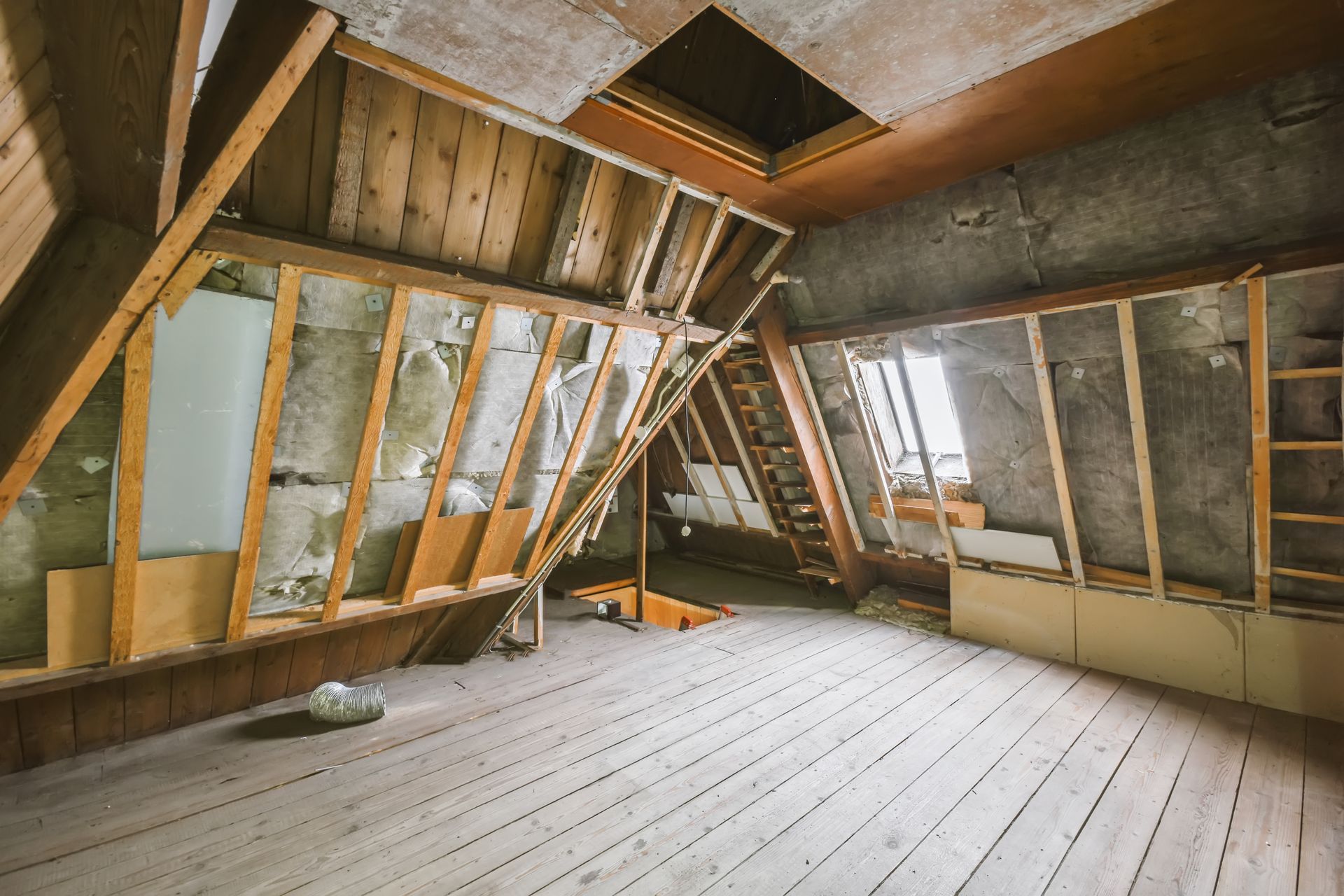
- Attic moisture issues (poor ventilation leading to condensation)
- Sprinkler or pipe leaks in multi-unit buildings
Sometimes the "leak" is really moisture intrusion from humid air that condenses on cold surfaces, especially around vents, attic spaces, or poorly insulated areas. Learn more about attic mold and how it happens.
Why Ceiling Leaks Are a Red Flag
A ceiling is designed to stay dry. When it gets wet, it can lose strength. Even if it looks okay from below, water can soak into:
- Drywall and plaster
- Insulation
- Wood framing
- Ceiling joists and subfloor above
That trapped moisture can lead to delayed water damage, musty smells, and mold growth. A small ceiling stain can hide a bigger pocket of wet material above it.

First Steps to Take After Discovering a Ceiling Leak
The goal is to protect people first, then protect the home. Do the quick safety steps right away, then move to drying and damage control.
Turn Off the Water Source and Electricity
If you suspect plumbing is the source, shut off the water. If you don't know which valve controls the leak, turn off the main water supply.
Ceilings can hide electrical wires, lights, and junction boxes. If water is near:
- Ceiling lights or fans
- Outlets on the wall below the leak
- Electrical panels
- Extension cords or electronics
…turn off power to that area at the breaker if it's safe to do so. If you're unsure, stay clear and get help. Water and electricity don't mix.
Contain the Leak and Protect Belongings
Once it's safe:
- Place a bucket under the drip
- Lay down towels or plastic sheeting
- Move furniture and valuables out of the area
- Poke a small hole in a sagging drywall "bubble" only if it's actively bulging and you can do it safely (this can relieve pressure and control where water drops)
If the ceiling is visibly sagging, keep people out from directly underneath it. Wet drywall can fail suddenly.
Inspect for Sagging or Bubbling in the Ceiling
Look for signs that water is still present or spreading:
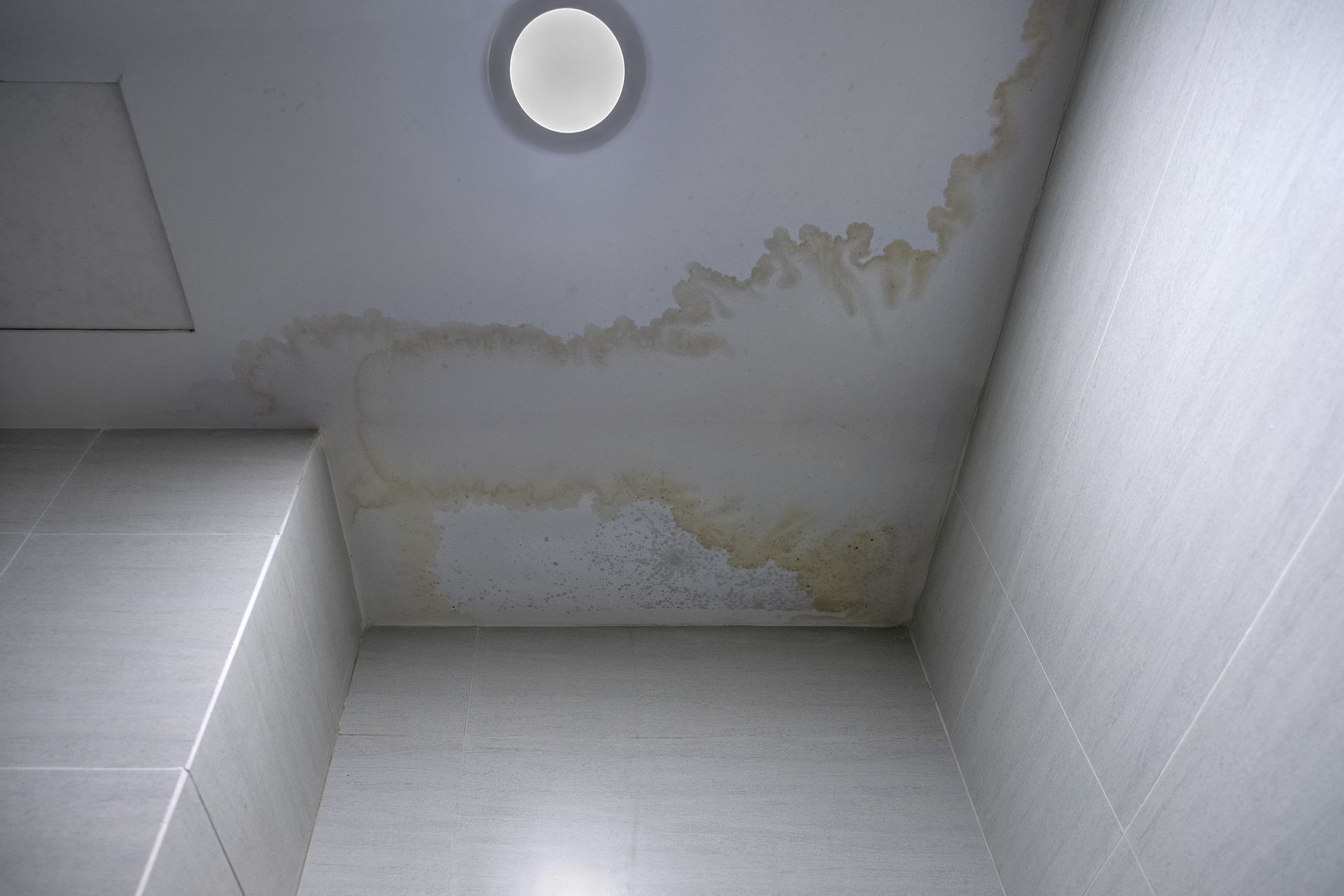
- Brown or yellow water staining on ceiling
- Bubbling paint or peeling texture
- Soft spots or visible sagging
- Dripping that worsens when water is used upstairs
- Musty odor (a sign of hidden moisture)
Even if the leak stops, the ceiling may still be wet inside. That's why a leak source identification step (roof, plumbing, HVAC, condensation) is so important. For comprehensive guidance, see what to do after water damage.
How Water Damage Leads to Mold Growth
Mold is not just a "dirty house" issue, it's a moisture issue. When building materials stay damp, mold can start to grow.
Mold Growth Timeline
Mold can begin growing faster than most people think. If wet materials stay wet, growth may start within a day or two, especially when the home is warm and humid. The longer moisture sits, the harder cleanup becomes.
That's why ceiling water damage mold prevention CT should focus on speed: stop the leak, remove water, and dry thoroughly.
Health Risks of Mold Exposure
Not everyone reacts the same way to mold. Some people have mild symptoms, while others have stronger reactions. Possible issues include:
- Sneezing, coughing, watery eyes
- Headaches or throat irritation
- Worsened asthma symptoms
- Skin irritation
- Stronger reactions for children, older adults, or anyone with allergies
If you smell mustiness or see growth, it's worth taking seriously, especially if the moisture is inside walls or ceilings where it can spread unnoticed.
Conditions That Trigger Mold After Leaks
Mold risk is higher when you have:
- Hidden moisture above the ceiling or behind drywall
- Wet insulation that holds water for a long time
- Poor airflow in the room (closed doors, no ventilation)
- Warm indoor temperatures
- High indoor humidity (common in CT summers)
- Materials that absorb water easily (drywall, wood, carpet, paper)
Even after the drip stops, microbial growth can happen if moisture remains trapped.
How to Prevent Mold After a Ceiling Leak
Mold prevention is mostly about one thing: getting materials truly dry, not "looks dry."
Proper Drying and Dehumidification
Start with these basics:
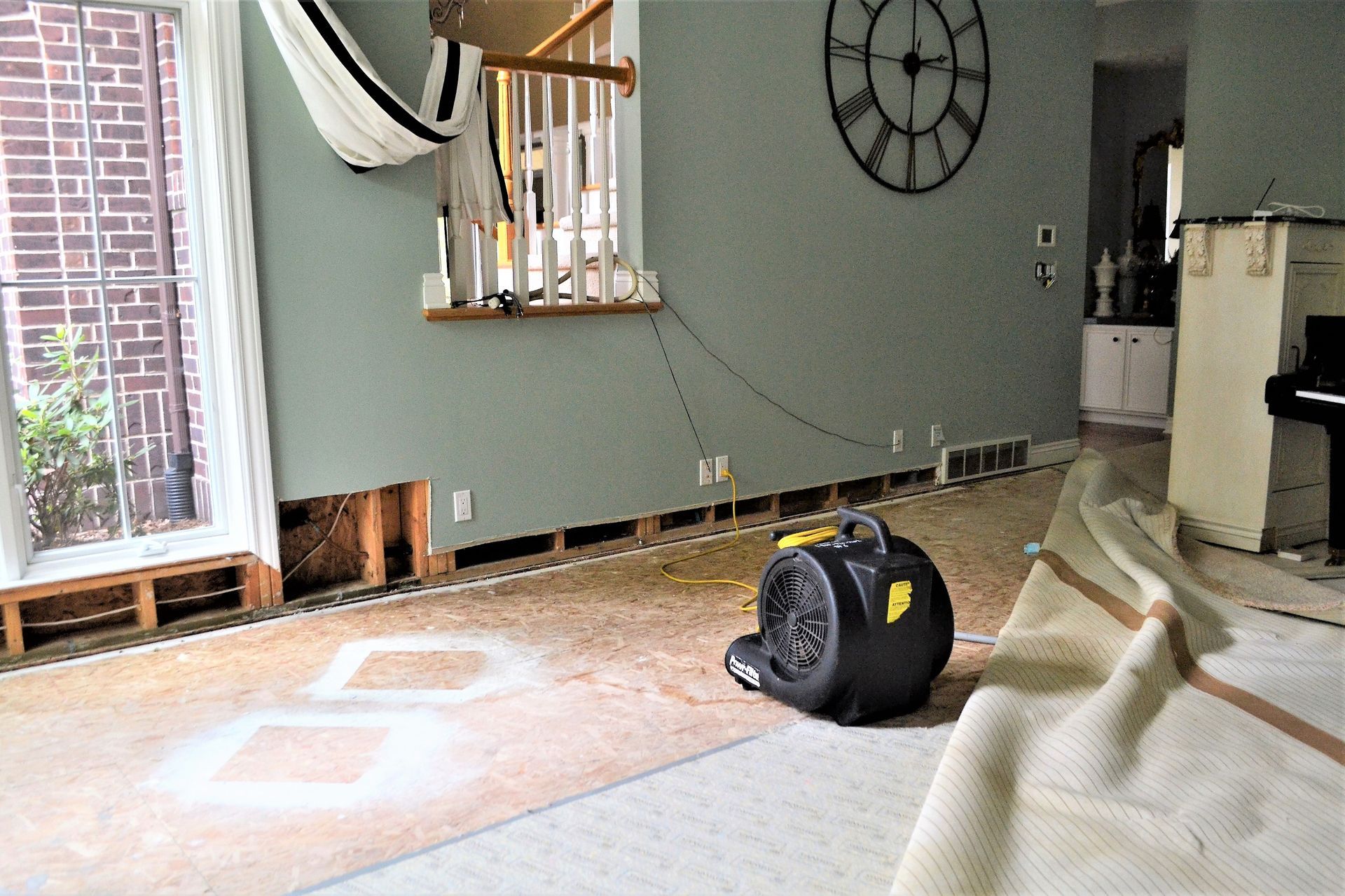
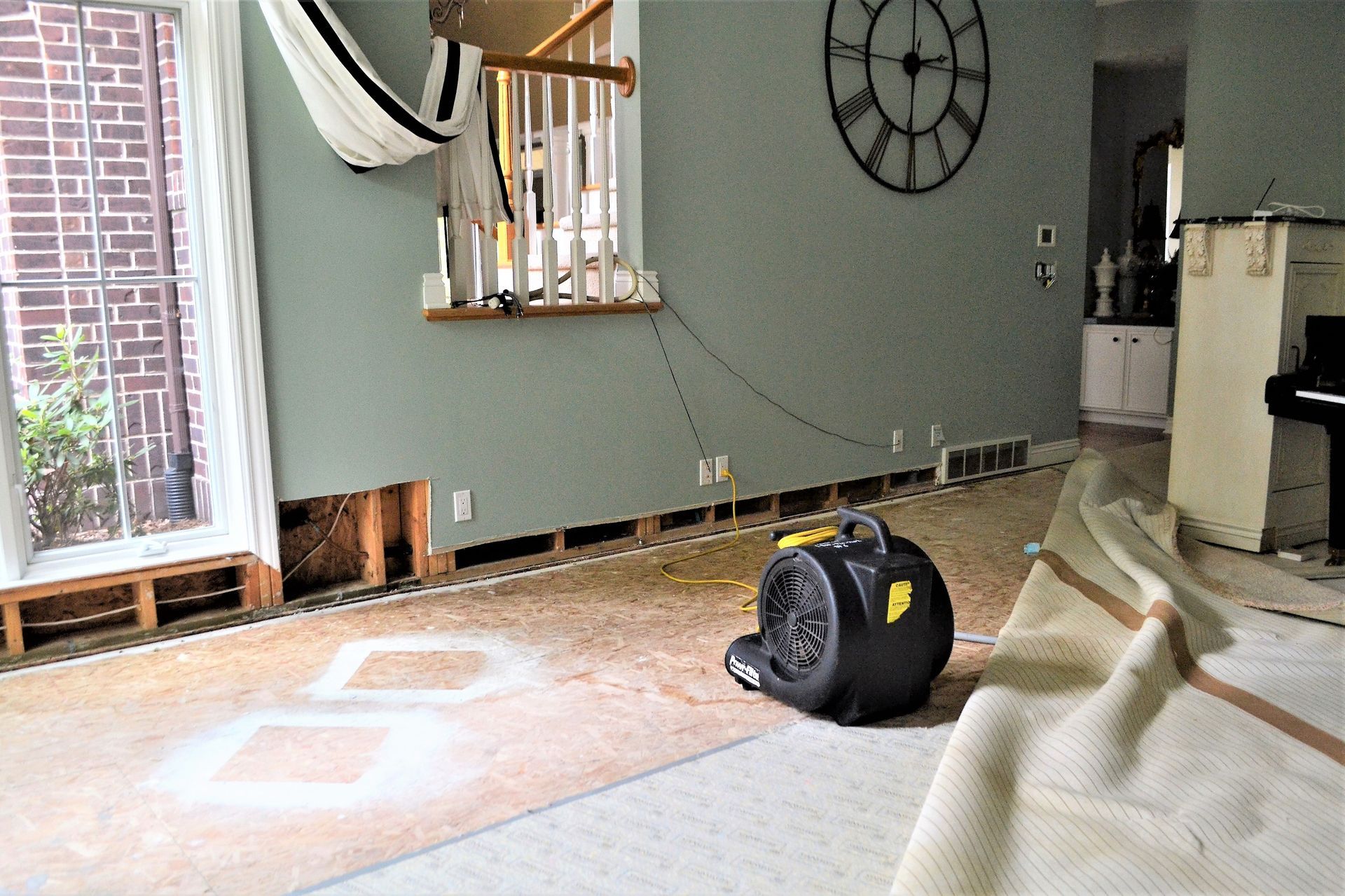
- Increase airflow (open interior doors, run safe fans)
- Remove wet items (rugs, pillows, stored boxes)
- Lower humidity (run a dehumidifier if you have one)
- Keep the area warm enough to support drying
Drying works best when humidity is controlled. If indoor air is damp, wet materials can stay wet longer, even with fans running.
This is why drying and restoration after ceiling leak CT situations often require more than household equipment, especially when moisture is trapped above the ceiling.
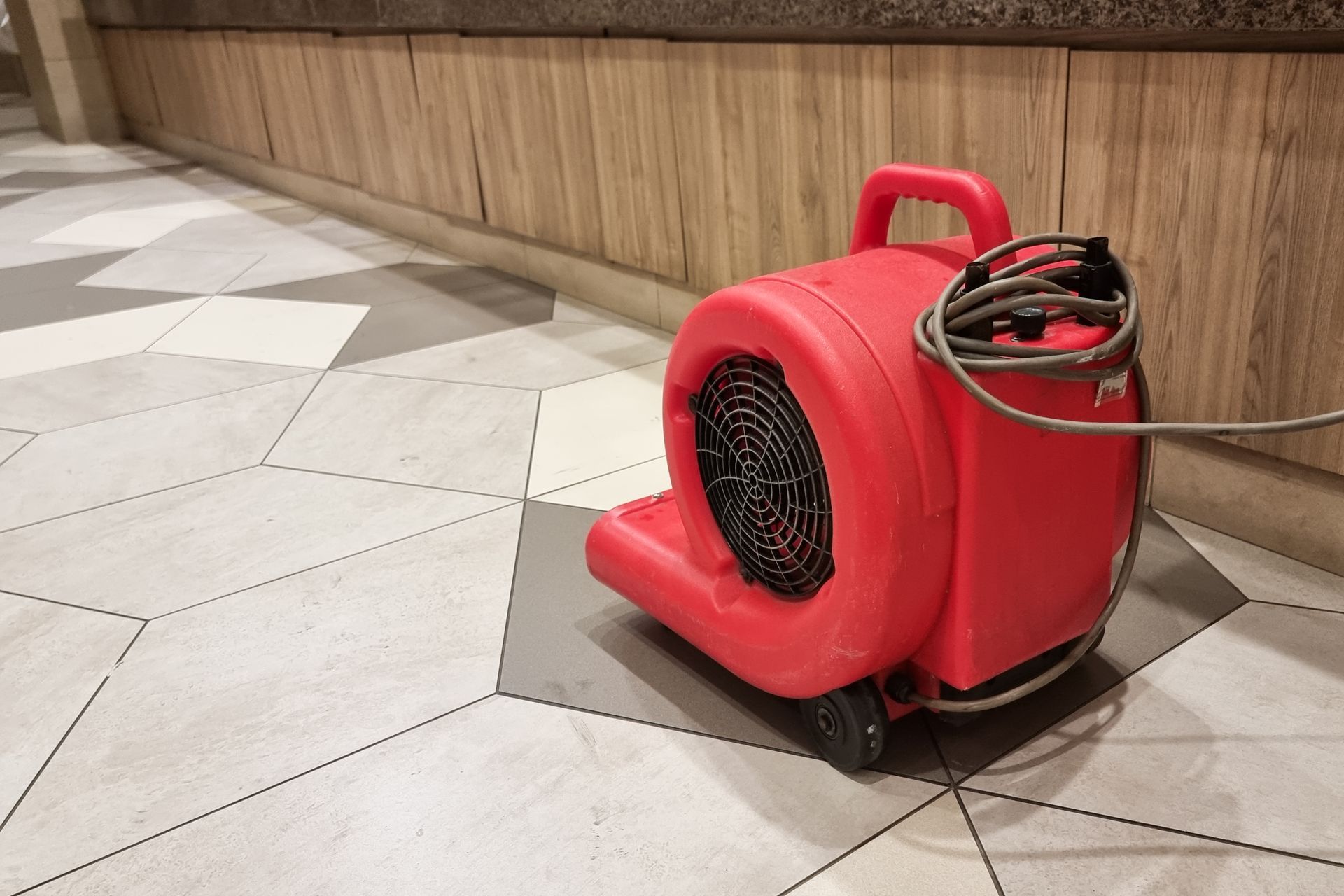
Use of Fans, Dehumidifiers, and Air Movers
Fans help move air across surfaces, which supports evaporation. Dehumidifiers pull moisture out of the air so more water can evaporate from materials.
A few practical tips:
- Aim airflow across the wet area, not straight into it
- Don't run fans if you suspect contaminated water (like sewage) or visible mold growth is being disturbed
- Empty the dehumidifier bucket often (or use a hose drain option if available)
- Keep windows closed if it's humid outside (opening windows can add moisture)
To confirm progress, professionals often use moisture meters and thermal tools to locate hidden moisture behind surfaces.
Removing Wet Building Materials
Sometimes drying alone isn't enough. If materials are saturated or breaking down, removal may be the safest way to prevent mold and future damage. Examples include:
- Ceiling drywall that is swollen, crumbling, or sagging
- Insulation that is soaked and heavy
- Carpet padding and porous materials that hold moisture
- Sections of ceiling with repeated wetting or staining
Wet porous materials can become contaminated building materials over time, especially if they stay damp long enough for mold growth to start. Removing damaged materials also helps the rest of the structure dry faster.
When to Call a Water Damage or Mold Professional
Sometimes a ceiling leak is manageable. Other times it's risky to handle alone, especially when moisture spreads into hidden areas.
Signs of Hidden Moisture or Mold
Consider calling a pro if you notice:
- Ongoing musty smell after "drying"
- Stains that expand or return
- Ceiling drywall damage that is soft or sagging
- Water spread into walls, floors, or multiple rooms
- Visible mold spots or fuzzy growth
- Allergy-like symptoms that show up after the leak
- You can't find the leak source
A professional moisture assessment helps confirm whether the structure is dry or if there's still moisture trapped out of sight.
Benefits of Professional Moisture Assessment and Remediation
Professional help can be valuable because it's based on measurement, not guessing. A qualified team can:
- Find where water traveled (even when it's hidden)
- Perform water extraction if water is trapped or pooled
- Set up structural drying with proper airflow and dehumidification
- Track moisture levels until materials are dry
- Address mold safely if it's present
- Support safe cleanup practices that align with Connecticut mold cleanup guidelines
This approach reduces the chance of repainting a ceiling only to have stains, odors, or mold return later. If mold is already present, professional mold remediation services are essential. Learn more about mold remediation costs in CT.
Long-Term Prevention for Connecticut Homes
Once the ceiling is dry and repaired, prevention is about stopping the next leak and reducing moisture conditions that allow mold to grow.
Regular Inspections and Maintenance
Small checks can prevent big problems:
- Inspect the roof (especially after storms and winter freeze/thaw)
- Clean gutters and downspouts so water drains away
- Check bathrooms for slow leaks around toilets and tubs
- Replace aging supply lines to sinks, toilets, and appliances
- Maintain HVAC systems and clear condensate drain lines
If you've had a leak once, keep an eye on that area for any signs of returning water staining. For roof-related concerns, explore our roofing services.
Improving Ventilation and Insulation
Moisture issues aren't always from a pipe. They can be from humid air and poor airflow. Helpful upgrades include:
- Exhaust fans in bathrooms vented to the outside
- Better attic ventilation to reduce condensation
- Insulation around cold surfaces that attract moisture
- Air sealing to reduce drafts that create cold spots
Good ventilation and insulation lower the chance of condensation that can look like a leak over time. Consider professional bathroom remodeling to upgrade ventilation systems.
Leak Detection Systems and Smart Sensors
Smart water sensors can catch problems early, before they soak drywall and framing. Consider placing sensors:
- Under sinks
- Behind toilets
- Near the water heater
- In laundry areas
- Under HVAC drip pans
Early alerts can prevent secondary water damage and reduce the chance that mold ever becomes part of the problem.
Need Help With a Ceiling Leak in CT? Contact Incredible Restorations
If you're unsure whether your ceiling is truly dry, or you're worried about mold, getting a professional opinion can save you from repeat repairs later.
Local, IICRC-Certified Water Damage Experts
Incredible Restorations, LLC is Connecticut-based and IICRC Certified, with hands-on experience in professional water damage restoration. We focus on doing the important part right: finding hidden moisture, drying thoroughly, and reducing mold risk, not just covering stains.
Emergency 24/7 Response and Insurance Support
Ceiling leaks don't wait for business hours. If you have active leaking, sagging drywall, or water spreading into multiple areas, quick action matters. We offer 24/7 response, and we can also help document the situation for insurance when appropriate, so you can move forward with a clear plan. We also provide financing options to make restoration more accessible.
Frequently Asked Questions About Ceiling Leaks
How do I know if my ceiling leak is an emergency?
A ceiling leak is an emergency if you see active sagging or bulging drywall, rapid dripping, water spreading to multiple rooms, water near electrical fixtures, or if the ceiling appears unstable. Sagging ceilings can collapse suddenly when saturated. Even if the drip seems small, water may be pooling above the ceiling in insulation or on joists, creating hidden weight and damage. Turn off water and electricity to the affected area and contact a professional restoration company immediately.
Can I just paint over a water stain on my ceiling?
Painting over a water stain without properly addressing the moisture is almost always a mistake. If the ceiling isn't completely dry, the stain will bleed through the new paint within days or weeks. More importantly, trapped moisture can lead to mold growth, wood rot, and structural damage that becomes far more expensive to fix later. Before painting, confirm the leak source is fixed, the area is thoroughly dry using moisture meters, and any damaged materials are replaced or treated.
What's the difference between a roof leak and a plumbing leak in the ceiling?
Roof leaks typically appear after rain, snow melt, or ice dams, and often show up near exterior walls, chimneys, or roof valleys. The water stains may be irregular and accompanied by visible roof damage. Plumbing leaks usually occur near bathrooms, kitchens, or laundry areas and may drip constantly or worsen when water is used upstairs. Plumbing leaks often produce cleaner water initially, while roof leaks can carry dirt and debris. Identifying the source is critical for proper repairs and insurance claims.
How much does it cost to repair ceiling water damage in Connecticut?
Ceiling water damage repair costs vary widely based on the extent of damage, leak source, and materials affected. Minor repairs for small stains might cost a few hundred dollars, while extensive damage requiring drywall replacement, insulation removal, mold remediation, and structural drying can range from $1,500 to $5,000 or more. Hidden moisture, mold growth, and secondary damage increase costs significantly. Getting a professional moisture assessment early helps prevent small leaks from becoming major repairs. Learn more about water damage restoration costs.
Will my homeowners insurance cover ceiling leak damage?
Coverage depends on the cause of the leak and your policy terms. Most homeowners insurance covers sudden and accidental damage, such as burst pipes or storm-related roof damage. However, damage from gradual leaks, poor maintenance, or neglect is typically not covered. For example, a slow drip from an old pipe that wasn't repaired may be denied, while a sudden pipe burst is usually covered. Document everything with photos, contact your insurance company immediately, and consider working with a restoration company experienced in insurance claims to ensure proper documentation.