Smoke Odor Removal in CT: Hydroxyl vs. Ozone and Insurance Tips
If you're looking up smoke odor removal CT, here's the straight answer: Hydroxyl and ozone can both remove smoke odors, but they work differently and are used in different situations. Hydroxyl is usually safer for occupied spaces and is great for ongoing deodorizing after cleaning. Ozone is stronger and faster in some cases, but it typically requires the building to be empty and can be risky if used incorrectly.
This guide is written from the perspective of a Connecticut restoration company that handles smoke damage and odor issues regularly. Incredible Restorations, LLC is IICRC certified, family-owned, and works with insurance claims. That matters because smoke odor is not just "a bad smell." It's a mix of tiny particles and gases that can sink into drywall, wood, insulation, fabrics, and HVAC systems. The right approach is what makes the odor actually go away (not just get covered up).
Why Smoke Odor Removal Is Crucial After a Fire
Smoke odor is usually a sign that smoke particles and gases are still in the home. Even a small fire can spread odor far beyond the room where it started.
Lingering Health Risks of Smoke Odor
Smoke residue can irritate your eyes, nose, and throat. People with asthma, allergies, or sensitivities may feel it more. If the odor is strong, it often means the air still contains smoke-related compounds (like VOCs) that need proper removal.
A big mistake is trying to "air it out" and hoping it disappears. Fresh air helps, but it usually won't fix smoke that's trapped in porous materials. Learn more about what to do after fire damage to properly address smoke contamination.
Structural and Content Damage from Smoke
Smoke doesn't just sit on surfaces. It travels into:
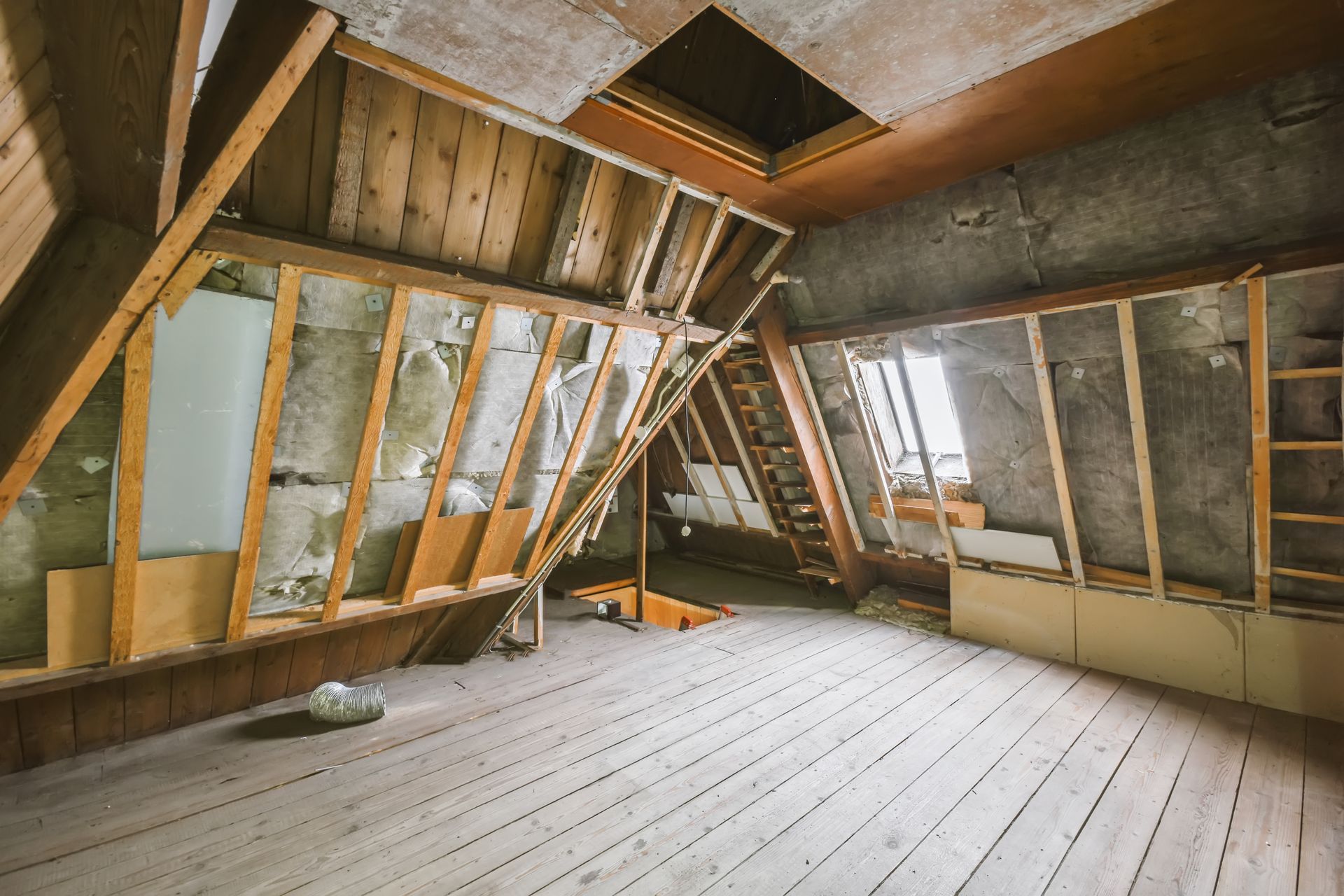
- insulation behind drywall
- unfinished wood framing
- carpet pad and upholstery
- cabinets and drawers
- HVAC returns and ductwork
If those areas aren't addressed, the smell can come back when humidity rises (summer in CT is a common time for odors to return). True odor remediation after fire usually requires both cleaning and deodorizing. Professional fire and smoke damage restoration addresses both visible damage and hidden contamination.
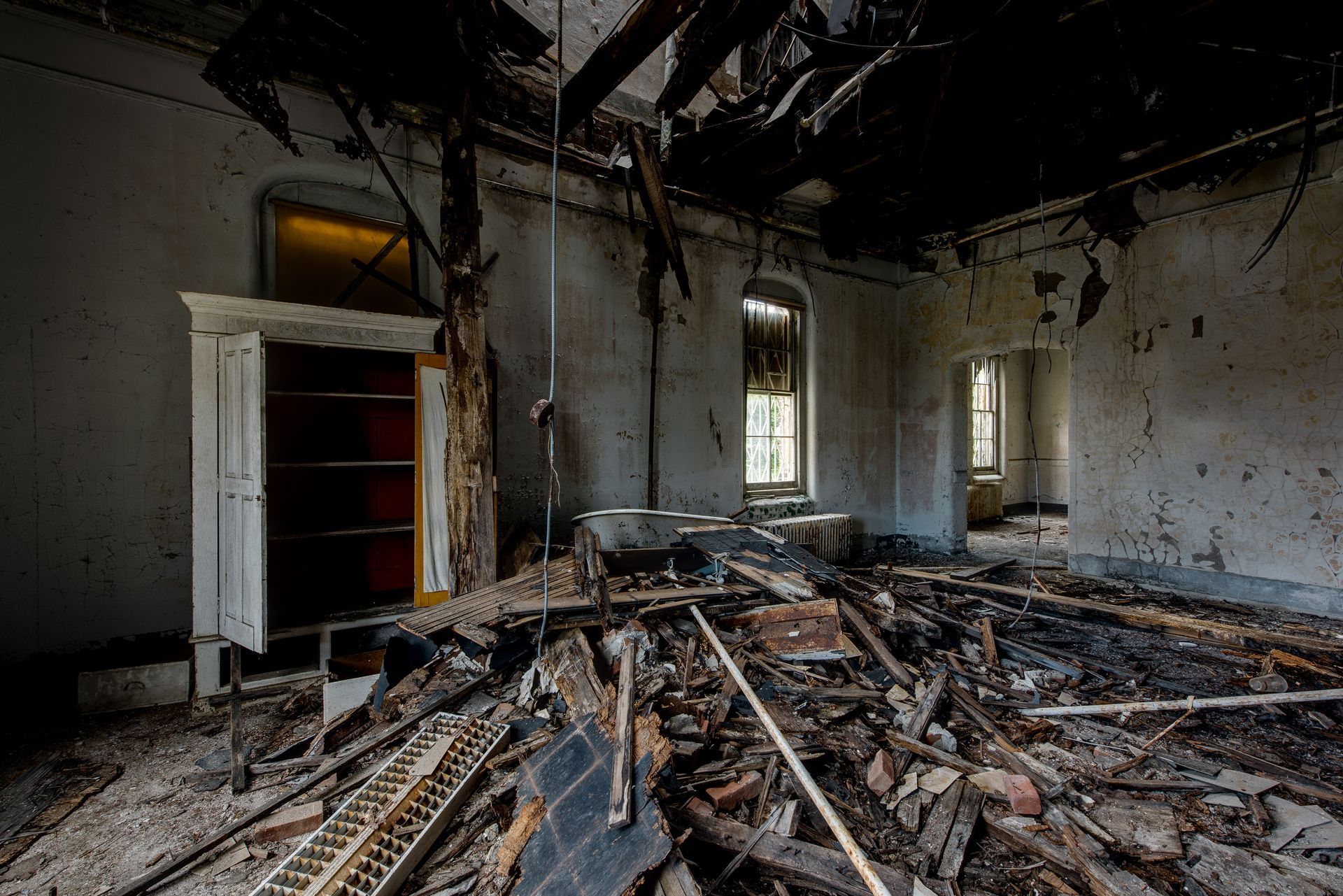
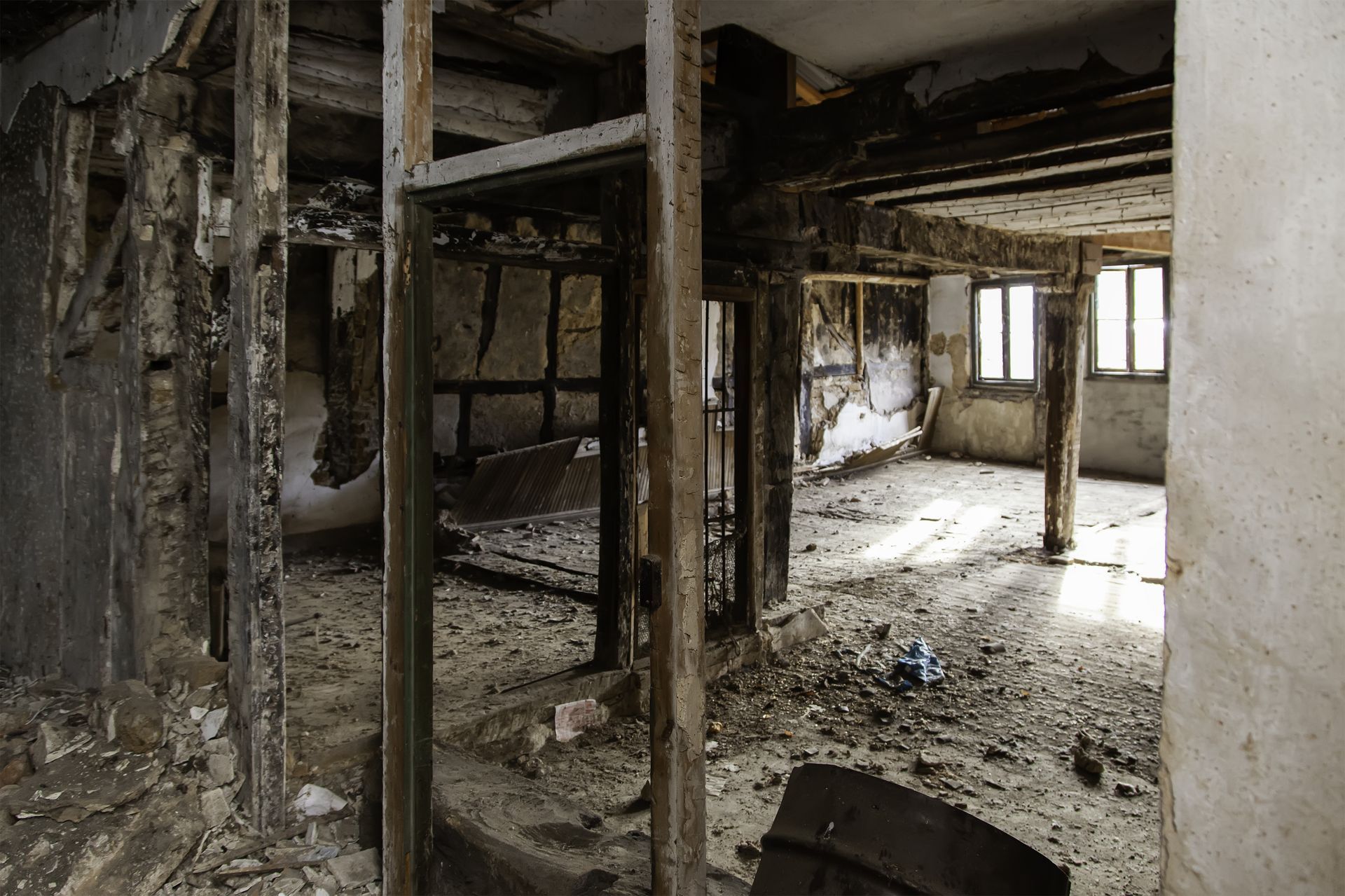
How Hydroxyl Generators Work for Smoke Odor Removal
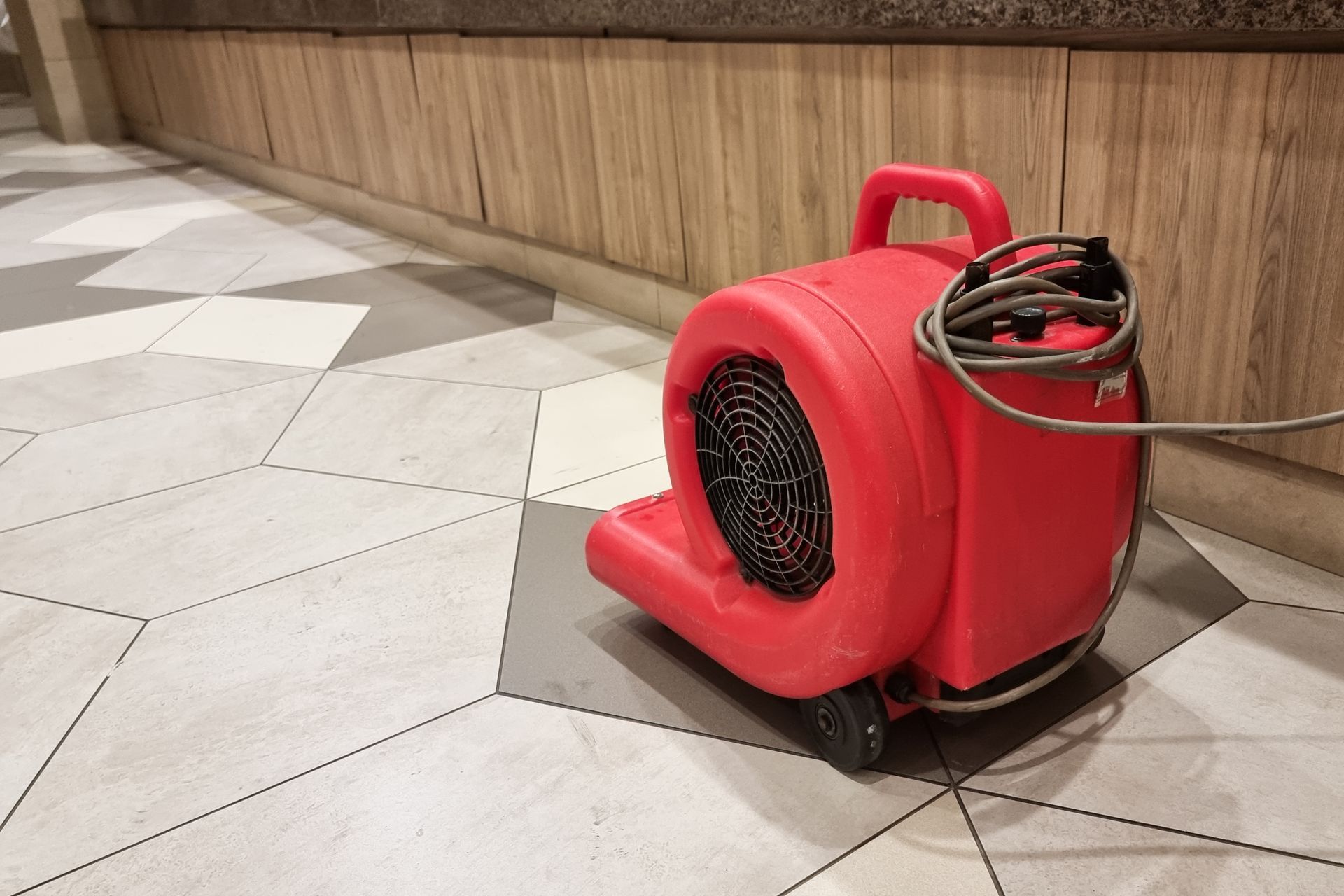
A hydroxyl generator is often used for smoke damage deodorization because it targets odor molecules in the air and on surfaces over time.
What Are Hydroxyl Radicals?
Hydroxyl generators create hydroxyl radicals, highly reactive molecules that help break down odor-causing compounds. Think of it like speeding up a natural "freshening" process that already happens in the outdoor air.
Hydroxyl doesn't "mask" odors. It works by reacting with the compounds that cause the smell.
Advantages of Hydroxyl Technology
Hydroxyl is popular for hydroxyl generator smoke removal because it's often a good choice when:
- you want to deodorize while other work is happening
- the building needs to stay usable (in many cases)
- odors are spread through multiple rooms
- you need longer, steady treatment
Hydroxyl is also less likely than ozone to create strong secondary odors or cause material concerns when used correctly.
When to Use Hydroxyl Over Other Methods
Hydroxyl is a strong option when:
- smoke odor is widespread, but the structure is mostly intact
- contents cleaning is underway and you need air support
- the home is occupied (depending on the situation and professional guidance)
- you need gentler, longer deodorizing for fabrics and mixed materials
Important note: Hydroxyl works best after source removal. If soot is still on surfaces or inside cavities, deodorizing alone won't solve the problem. Understanding smoke odor removal techniques helps you choose the right approach.
How Ozone Generators Work for Smoke Odor Removal
Ozone is a powerful oxidizer used in some restoration jobs. It can be effective, but it must be used carefully.
Ozone's Chemical Process Explained
Ozone machines create O₃, a reactive form of oxygen. Ozone reacts with odor molecules and can reduce strong smells, especially when odors are trapped in the air and certain materials. This is why people ask about ozone treatment for smoke damage, it's known for being aggressive.
Pros and Cons of Using Ozone
Pros
- Can be effective for tough odors in certain conditions
- May work faster than some other methods
- Can reach areas that are hard to physically clean (air space, some porous zones)
Cons
- Usually requires the space to be vacant during treatment
- Misuse can lead to irritation and safety concerns
- Can sometimes react with materials (like rubber, certain plastics, or delicate items)
- If the source isn't cleaned, odor can return
Ozone is not a "one-button fix." It's a tool that has to match the job.
Safety Considerations and Best Practices
Ozone should not be used casually. In most cases:
- people and pets should be out of the building
- plants should be removed
- the space should be aired out afterward
- sensitive items may need protection or removal
- treatment time should be controlled by a professional plan
If a company proposes ozone without cleaning first, or without clear safety steps, that's a red flag.
Hydroxyl vs. Ozone: Choosing the Right Method
If you're deciding between hydroxyl and ozone, the best choice depends on the type of fire, how severe the odor is, and whether the building can be vacant.
Side-by-Side Comparison for Homeowners
Hydroxyl
- Often better for longer treatment periods
- Typically more compatible with ongoing work
- Often preferred when occupancy is needed (case-by-case)
- Great for broad deodorizing support after cleaning
Ozone
- Stronger oxidizer that may reduce stubborn odors faster in some cases
- Usually requires vacancy and tighter safety controls
- Better suited for specific scenarios, not every home
A professional odor mitigation plan may use both, just not at the same time and not as a replacement for cleaning.
Type of Fire and Extent of Damage
Different fires create different odor problems:
- Kitchen fires often leave greasy residues that cling hard to surfaces
- Electrical fires can create sharp, plastic-like odors
- Soot-heavy fires can spread particles deep into materials
- Smoldering fires can create intense odor even with less visible damage
The bigger the spread (HVAC, multiple rooms, finished basement), the more likely you'll need a full restoration approach: source removal + cleaning + deodorizing + sometimes sealing. Our reconstruction services can rebuild fire-damaged areas after odor removal is complete.
Occupancy During Treatment
This is a big CT homeowner concern: "Can we stay here?"
In many cases:
- Hydroxyl may be used while people are nearby, depending on the setup and professional judgment.
- Ozone typically means no one should be inside during treatment.
If a home has vulnerable occupants (kids, seniors, respiratory issues), it's smart to choose the most conservative safety approach and discuss options like air scrubbers, containment, and staged work.
Working With Insurance for Smoke Odor Removal
Insurance can help, but coverage depends on your policy and the cause of loss. Smoke odor removal is often part of a larger fire or smoke damage claim.
What Insurance Typically Covers
Many homeowners policies cover smoke damage tied to a covered event (like a house fire). Coverage may include:
- cleaning soot residue
- deodorization steps
- contents cleaning (clothing, furniture, electronics)
- temporary housing if the home is unlivable (policy dependent)
Some policies also have limits on certain categories (like high-value items or specialized cleaning). The best move is to ask your adjuster what documentation they need for insurance smoke damage cleanup approval.
Documentation Tips for Faster Claims
Good documentation can reduce delays. Helpful items include:
- photos and videos of affected rooms and contents
- a list of damaged items (with rough value/age when possible)
- notes on where odors are strongest (HVAC, closets, basement, bedrooms)
- any emergency mitigation you did (fans, boarding, temporary repairs)
- professional moisture/soot/odor findings if available
Also, avoid throwing items away immediately unless they're hazardous. Document them first.
Importance of Hiring a Certified Restoration Company
Smoke odor problems can be tricky because they involve both air quality and material contamination. An IICRC-certified team should be able to:
- explain the deodorization plan in plain language
- match the method to the materials and safety needs
- document the process for insurance
- prevent "odor rebound" by addressing hidden areas
Even if you don't hire anyone right away, a professional assessment can help you avoid wasting money on DIY methods that don't reach the real source.
Final Thoughts on Smoke Odor Removal in CT
In Connecticut, smoke odor issues often get worse when humidity rises or the HVAC runs more often. The best results come from a simple rule: clean first, deodorize second. Hydroxyl and ozone can both help, but they are tools, not magic. Hydroxyl is often the safer, steady option for whole-home deodorizing support. Ozone can be effective in certain scenarios, but it must be used carefully and typically requires vacancy.
If you want the odor truly gone, focus on the full process: source removal, detailed cleaning, controlled deodorization, and (when needed) sealing or targeted replacement.
If you're dealing with smoke odor and you're not sure whether hydroxyl generator smoke removal or ozone treatment for smoke damage fits your situation, start by identifying the source area (HVAC, closets, basement, insulation zones) and documenting what you're smelling and where. If the odor is strong, widespread, or coming back after cleaning, it may be time for a professional assessment and a clear, step-by-step deodorization plan.
Contact us for professional smoke odor removal and fire damage restoration services throughout Connecticut.
Frequently Asked Questions About Smoke Odor Removal in CT
Is hydroxyl or ozone better for removing smoke smell from my house?
It depends on your situation. Hydroxyl is typically safer for occupied homes and works well for ongoing deodorization while cleaning continues, ideal for widespread odors when you need to remain in the space. Ozone can be more aggressive on stubborn odors but requires the home to be completely vacant during treatment and carries more safety concerns if misused. Neither method works properly without first cleaning soot and smoke residue from surfaces. Most professional restoration plans assess the fire type, extent of damage, and occupancy needs before recommending one method over the other.
How long does professional smoke odor removal take in Connecticut?
Treatment time varies based on damage severity and method used. Hydroxyl generators often run continuously for 3–10 days as part of the overall restoration process, allowing gradual breakdown of odor compounds while other work continues. Ozone treatments are typically shorter (several hours to a couple days) but require vacancy and post-treatment ventilation. The complete smoke odor removal process, including cleaning, deodorization, and any necessary sealing or replacement, usually takes 1–3 weeks for moderate residential fires. Severe cases with HVAC contamination or extensive structural damage may take longer.
Will homeowners insurance pay for smoke odor removal after a fire?
Most homeowners insurance policies cover smoke odor removal when it's related to a covered fire event. This typically includes professional cleaning, deodorization equipment (hydroxyl or ozone), contents cleaning, and even temporary housing if your home is uninhabitable during treatment. However, coverage limits vary by policy, especially for high-value items or specialized cleaning. Document everything thoroughly with photos, itemized lists, and professional assessments. Contact your insurance adjuster immediately after fire damage and ask specifically what documentation they need for smoke damage cleanup approval.
Can I remove smoke odor myself, or do I need professional help?
Minor smoke odors from small cooking incidents might respond to thorough cleaning, ventilation, and home air purifiers. However, professional smoke odor removal is strongly recommended when smoke has traveled through HVAC systems, penetrated into walls or insulation, affected multiple rooms, or resulted from any fire requiring fire department response. DIY methods typically can't reach smoke particles embedded in porous materials like drywall, wood framing, or carpet padding. Without proper equipment (moisture meters, air scrubbers, hydroxyl or ozone generators) and training, you risk odor "rebound" weeks or months later, especially during humid Connecticut summers.
Why does smoke smell come back after I've cleaned everything?
Smoke odor rebound happens when cleaning only addresses visible surfaces while smoke particles remain trapped in hidden areas like wall cavities, insulation, HVAC ductwork, carpet padding, and unfinished wood framing. When humidity rises or heating/cooling systems circulate air, these trapped particles release odors again. This is why professional smoke odor removal focuses on both cleaning and deodorization, using hydroxyl or ozone to reach porous materials and air spaces that physical cleaning can't access. True odor elimination requires addressing the source, not just masking the smell.