Mold Inspection vs. Testing in CT: What You Need and When
At Incredible Restorations, this is a topic our team is qualified to write about because the company has served Connecticut since 2017, is family owned and operated, offers 24/7 service, is IICRC certified, and works with insurance claims. That real-world restoration experience matters when people are dealing with mold, moisture, water damage, and questions about what kind of help they actually need.
Most Connecticut homeowners should start with a mold inspection, not mold testing. A mold inspection helps find visible growth, moisture problems, leaks, and hidden trouble spots. Mold testing is usually most helpful when mold is suspected but not visible, when you need documentation, or when you want to better understand the extent of a problem. Connecticut's Department of Public Health says mold testing is often expensive and usually not necessary if you can already see mold. Their main advice is to fix the moisture problem and remove the mold safely.
Understanding the Difference Between Mold Inspection and Mold Testing
What a mold inspection is
A mold inspection is a visual and moisture-focused review of the home or building. The goal is to look for signs of mold growth, water intrusion, leaks, high humidity, staining, musty odors, and other conditions that support mold. A good inspection also looks at problem areas like basements, attics, crawlspaces, and places with past water damage.
What mold testing is
Mold testing involves collecting samples to learn more about what may be present. Depending on the situation, that can include air samples, surface samples, or even in-wall samples. One of the reference sources explains that air samples can help show what is in the air, surface samples can be used when mold is visible, and in-wall samples may be useful when water intrusion is suspected behind a wall.
Why homeowners often confuse the two
Homeowners often use the words "inspection" and "testing" like they mean the same thing, but they do not. An inspection is the broader process. Testing is one tool that may or may not be added. In many cases, the inspection alone tells you what is wrong: there is visible mold, there is a leak, and the moisture source needs to be fixed. That is why the state says testing is usually not needed when mold is already visible.


What Connecticut Homeowners Should Know First
Why moisture is usually the real problem
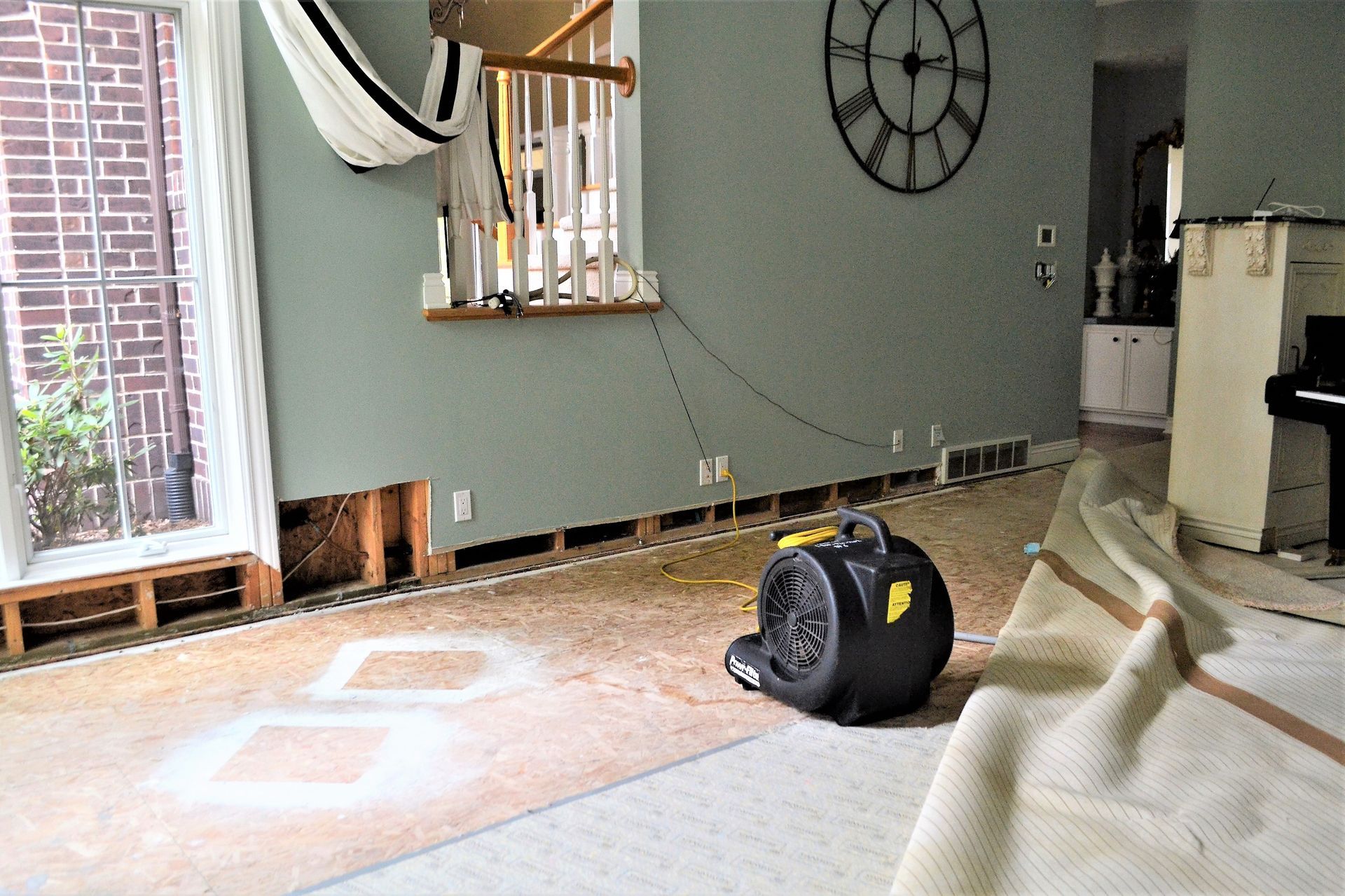
Mold needs moisture to grow. The Connecticut Department of Public Health says that without water, mold cannot survive. That means the real issue is usually not just the mold you see. It is the leak, flood, humidity, or water intrusion that allowed it to grow in the first place. If a recent water event is what triggered your concern, our water damage restoration services address the underlying problem that mold depends on.
Why visible mold may not always require testing
If mold is clearly visible, testing often does not change the next step. The main next step is still to fix the moisture problem and clean up or remove the affected materials safely. Connecticut's public health guidance is very clear on this point: if you see mold, remove it, and testing is usually not necessary.
When fixing the source matters more than sampling
A lab report does not stop a leak. It does not dry wet drywall. It does not remove damaged materials. If the source of moisture is obvious, like a roof leak, plumbing leak, or recent flood, it usually makes more sense to correct that problem first and then address the mold.
When You Need a Mold Inspection in CT
After water damage or leaks
A mold inspection makes sense after flooding, plumbing leaks, roof leaks, or other water events. Even if you do not see mold yet, growth may be starting behind walls, under flooring, or in damp hidden spaces. For more on navigating the aftermath of a water event, see our guide on what to do after water damage.
When you see visible mold growth
Visible growth is one of the clearest reasons to schedule an inspection. The inspector can help determine how far the damage has spread, what materials may be affected, and what next step makes sense.
When you notice musty odors
A musty odor is a common warning sign. It may mean mold is present even if it is not easy to see yet. One of the reference sources lists musty odor as one of the most common warning signs of mold.
When health symptoms raise concern
Connecticut's Department of Public Health says some sensitive people may develop allergic reactions, asthma episodes, and other respiratory problems when exposed to large amounts of mold. An inspection can help you determine whether a mold problem may be part of what is going on in the home.
During a home sale or purchase
Inspections are also common during real estate transactions. Buyers and sellers often want to know if there is hidden moisture, visible growth, or a larger mold problem that could affect value or future repairs.
When Mold Testing Makes Sense
When mold is suspected but not visible
Testing can be useful when there are warning signs like odor, recent water damage, or health complaints, but no obvious visible growth. In these cases, testing can help support what the inspection suggests.
When you want to identify the extent of contamination
If the situation is not simple, testing may help define how widespread the issue is. Air or surface samples can add evidence about whether mold may be limited to one space or affecting a larger area.
When air or surface samples may help guide next steps
Some situations call for more detail. Air samples may help when indoor air quality is the concern. Surface samples may help when visible growth is present. In-wall sampling may help when a wall shows signs of water intrusion but the inside cannot be seen.
When documentation is needed for real estate or other disputes
Testing may also make sense when you need written proof for a real estate deal, landlord-tenant issue, post-remediation review, or another dispute. Some inspection companies also note that testing can be part of litigation and transaction-related documentation.
When Mold Testing May Not Be Necessary
If mold is already visible
If the mold is already there in plain sight, testing may only confirm what you already know. In many cases, that money is better spent fixing the source and cleaning the damage correctly. Connecticut's public health guidance says sampling and testing is usually not necessary in this situation.
If the moisture source is obvious
If there is a known plumbing leak, flood, or roof leak, the most important step is to stop the water problem. Until that happens, testing has limited value.
If cleanup and correction are the priority
When the next step is already clear, testing may slow things down instead of helping. If materials are wet, moldy, and damaged, the priority is moisture correction and proper mold remediation.
What Happens During a Mold Inspection or Testing Appointment
Visual assessment of the property
The visit usually starts with a visual review of the home. That includes looking for visible mold, staining, moisture damage, odors, and conditions that support mold growth.
Moisture and leak investigation
The inspection should also focus on leaks, damp building materials, and moisture intrusion. Since mold is tied to water problems, this is one of the most important parts of the process.
Air sampling, surface sampling, or in-wall sampling
If testing is added, samples may be collected based on the findings. Air, surface, and in-wall sampling are all mentioned in the reference material as tools used in different situations.
Laboratory analysis and written findings
One source describes a process that includes inspection, sample collection, sending samples to an independent lab, and then receiving a report with findings. That written report can be helpful when you need documentation.
How To Decide Between Inspection Only and Inspection With Testing
Choose inspection only when the problem is already clear
Start with inspection only when there is visible mold, a clear moisture source, and an obvious need for cleanup. In that case, the inspection may be enough to guide the next move.
Choose testing when you need confirmation or documentation
Add testing when you need proof, when the problem is hidden, or when air quality is the main concern. Testing can support the inspection, but it usually should not replace the inspection.
Choose both when the situation is complex or hidden
In more complex cases, it makes sense to do both. That can include hidden growth, repeated moisture issues, real estate concerns, or a situation where someone wants clearer evidence before cleanup begins.
Common Situations Where Homeowners Ask for Mold Testing
Recent flooding or water intrusion
Flooding and water penetration are major triggers for hidden mold concerns, especially when materials stayed wet too long.
Basement or attic moisture problems
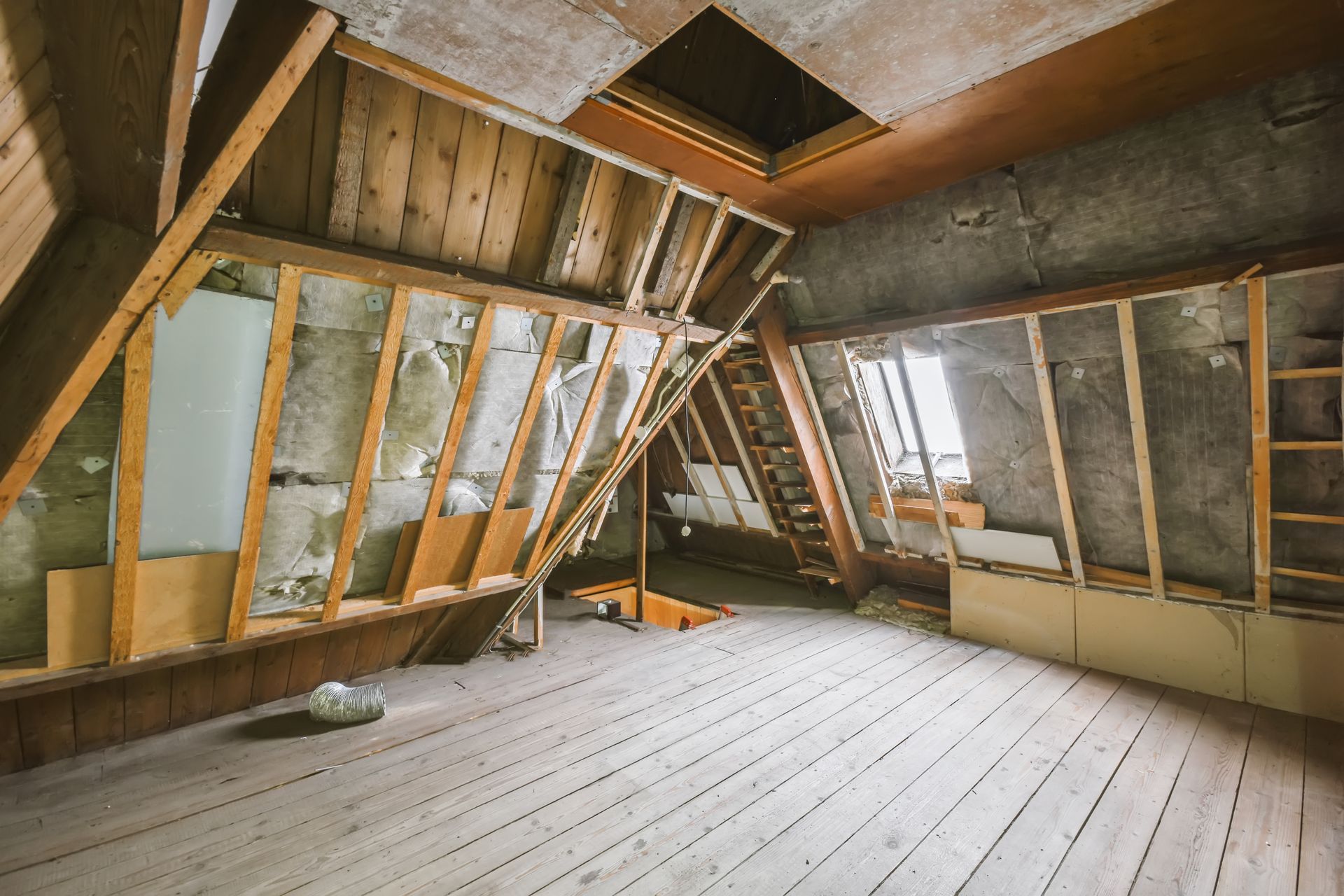
Basements, attics, and crawlspaces are common trouble spots because they often trap moisture and are not checked as often as living spaces. Our post on attic mold - how it happens and how to prevent it covers one of the most overlooked areas in Connecticut homes.
Post-remediation clearance concerns
One reference source specifically lists post mold remediation clearance as a reason people ask for inspection and testing. This can help show whether cleanup was successful.
Indoor air quality concerns
If the main worry is what people are breathing, air sampling may be part of the discussion. Some services specifically mention indoor air quality testing in these cases.
Real estate transactions and peace of mind
Testing is also commonly requested during home sales, purchases, and other times when peace of mind matters.
What Results Can and Cannot Tell You
What testing can help confirm
Testing can provide added evidence about mold conditions, possible contamination, and what may be present in sampled areas. It can also support reports and documentation.
What testing cannot fix
Testing does not fix the water source, remove the mold, or dry the building. It is a diagnostic tool, not the solution itself.
Why results should be interpreted alongside a full inspection
Results make more sense when they are reviewed with the full picture: what was seen, where moisture was found, and what happened in the property. That is why inspection should lead the process, not just sampling alone.
Choosing the Right Mold Professional in CT
What to look for in an inspector
Look for someone who can inspect carefully, explain findings clearly, and focus on both mold and moisture intrusion. Experience with Connecticut homes, water damage, and building conditions is also valuable.
Why clear reporting matters
A good report helps homeowners, buyers, sellers, and contractors understand what was found and what to do next. Clear findings are especially important when testing is part of the service.
Why unbiased evaluation can be helpful
One of the reference sources highlights the value of unbiased testing without a conflict of interest. That can be useful when someone wants an independent opinion before deciding on the next step.
Questions to ask before scheduling
Ask what the inspection includes, whether moisture readings are part of it, whether testing is only used when needed, what kind of report you receive, and how the findings will be explained. Those answers can tell you a lot about the quality of the service.
The Best Next Step for Your Home
When to schedule an inspection
Schedule an inspection when you have visible growth, recent water damage, a musty odor, or concerns about hidden mold.
When to add testing
Add testing when mold is suspected but not visible, when you need documentation, or when a real estate or clearance issue makes more detail useful.
When to move straight to moisture correction and cleanup
Move straight to moisture correction and cleanup when the problem is already obvious. In many Connecticut homes, that is the right answer: fix the water source, remove the mold safely, and stop the problem from coming back.
Have Mold Concerns in CT? We Can Help.
Whether you have visible mold, a recent water event, or just a lingering musty smell you cannot track down, Incredible Restorations is here to help. We are IICRC certified, locally based in Connecticut, and available 24/7. Our team handles everything from the initial assessment to full mold remediation, and we work directly with insurance claims when coverage applies.
Contact Us Today, get answers from a team that knows Connecticut homes.
Frequently Asked Questions About Mold Inspection and Testing in CT
Do I need a mold inspection before remediation can begin?
Not always, but it is usually the right starting point. An inspection helps identify the full scope of the problem, where moisture is coming from, and what materials are affected. That information guides the remediation plan and helps avoid incomplete cleanup.
How much does mold testing cost in Connecticut?
Costs vary depending on the number of samples, the type of testing, and the company. Air and surface samples typically run anywhere from a few hundred to over a thousand dollars when lab analysis is included. For a deeper look at what remediation itself costs, see our breakdown of mold remediation costs in CT.
Can I test for mold myself with a store-bought kit?
DIY mold test kits are available, but they have significant limitations. They can detect the presence of mold spores but cannot tell you the species, concentration, or source with the same reliability as professional air sampling sent to an accredited lab. A professional inspection provides far more actionable information.
How long does a mold inspection take?
Most mold inspections for a typical Connecticut home take between one and three hours. Larger properties or situations with more complex moisture issues may take longer. If testing samples are collected, lab results usually take a few additional days.
What is post-remediation clearance testing and when do I need it?
Post-remediation clearance testing is performed after mold cleanup is complete to confirm that the affected areas have been successfully treated and that airborne spore levels have returned to acceptable levels. It is commonly requested by homeowners, buyers, or insurers who want documented proof that remediation was effective.