Storm Damage Restoration in Connecticut: Fast Help When You Need It Most
At Incredible Restorations, LLC, we have spent years responding to storm damage across Connecticut, from downed trees and torn roofing after nor'easters to flooded basements following heavy summer downpours. Our team has worked through some of the worst weather this state has produced, and that experience gives us a clear picture of what needs to happen fast, what can wait, and how to get your property back to normal as efficiently as possible. If your home or business has been hit by a storm, this guide will walk you through everything you need to know.
Why Storm Damage Restoration Is Critical After Severe Weather
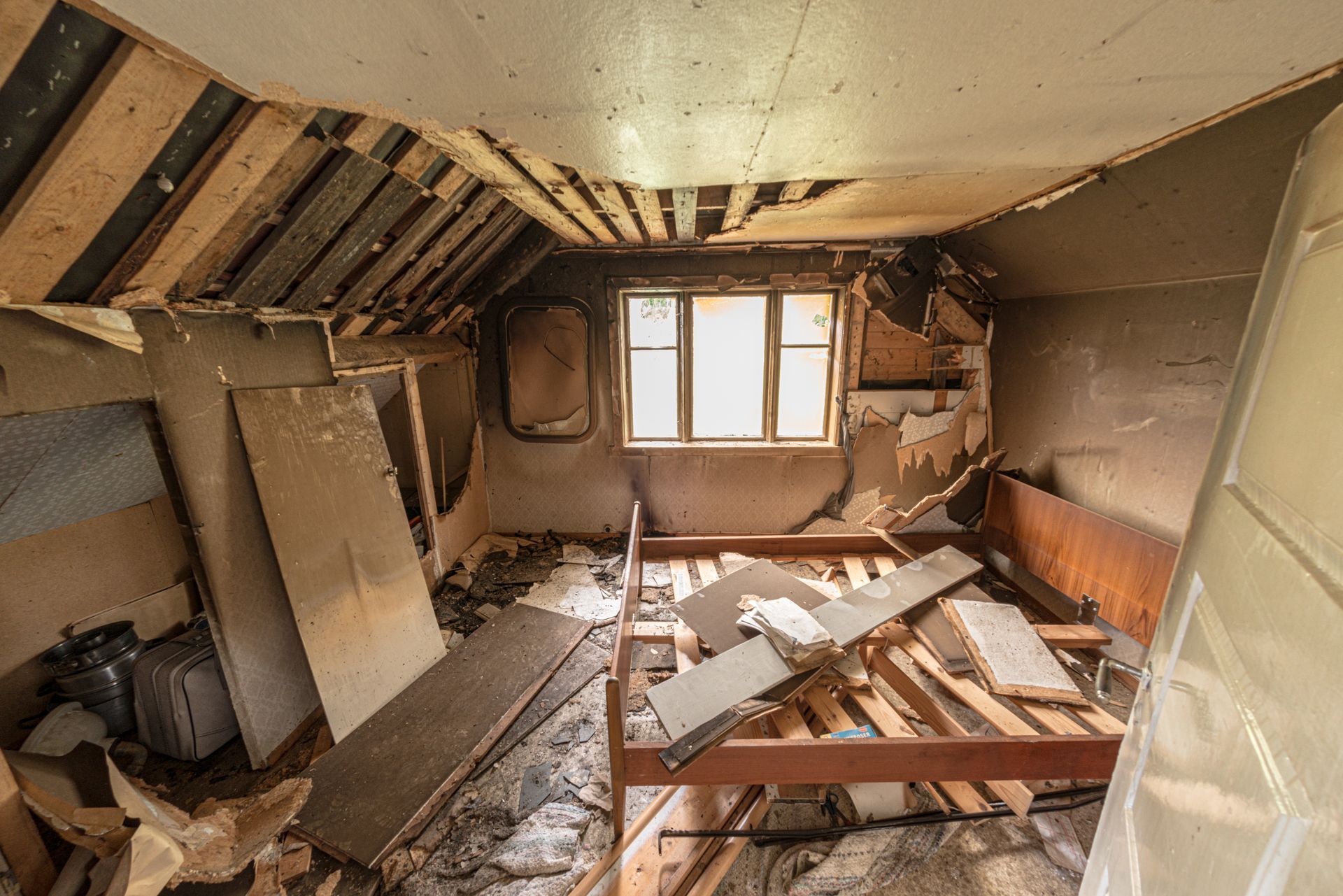
After a storm passes, it is tempting to wait and see how bad things really are. That instinct can cost you. Storm damage rarely stays contained. What starts as a few missing shingles or a cracked window can turn into a soaked attic, compromised insulation, and an active mold problem within days. Structural materials weaken when they stay wet. Water finds its way into wall cavities, subfloors, and ceiling assemblies, often without showing up on the surface until the damage is already extensive.
There are also safety risks that are not always obvious after a storm. Electrical systems exposed to water are a serious hazard. Compromised walls or roof structures can shift or fail. Trees or large branches that partially fell may be under tension and unstable. Getting a professional on site quickly means these hazards get identified and addressed before someone gets hurt.
The longer you wait, the more the damage spreads and the more expensive the restoration becomes. Fast action protects both your property and your insurance claim.
Common Types of Storm Damage in Connecticut
Connecticut weather is unpredictable and often severe. Nor'easters, tropical storms, high-wind events, and summer thunderstorms all leave different kinds of damage behind. Here is what we see most often.
Wind Damage to Roofs and Siding
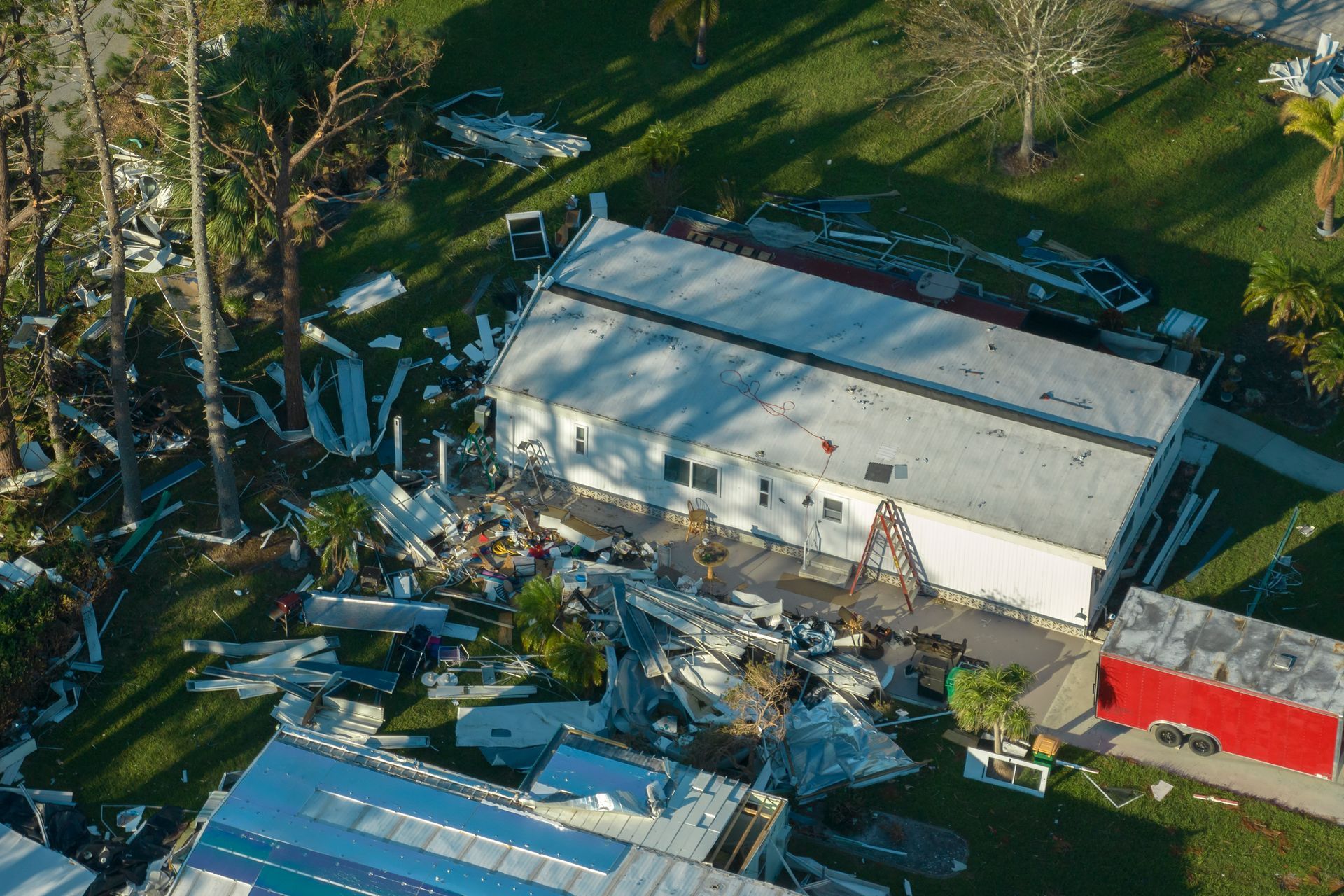
High winds are the most common source of storm damage in Connecticut. Wind can strip shingles, lift roof flashing, tear off gutters, and rip siding panels from exterior walls. Even winds that do not feel extreme can cause significant damage to older roofing systems or siding that has already seen wear. Once the roof or exterior envelope is compromised, water gets in fast.
Hail Damage to Exterior Surfaces
Hail causes damage that is easy to underestimate. From the ground, a roof that took a hail hit may look fine, but hail impacts bruise and crack asphalt shingles, dent metal flashing, damage gutters, and pit siding surfaces. That kind of granular damage accelerates wear and shortens the lifespan of your roof significantly. If your area experienced hail, a professional inspection is worth the time even if nothing looks obviously wrong.
Water and Flood Damage from Heavy Rain
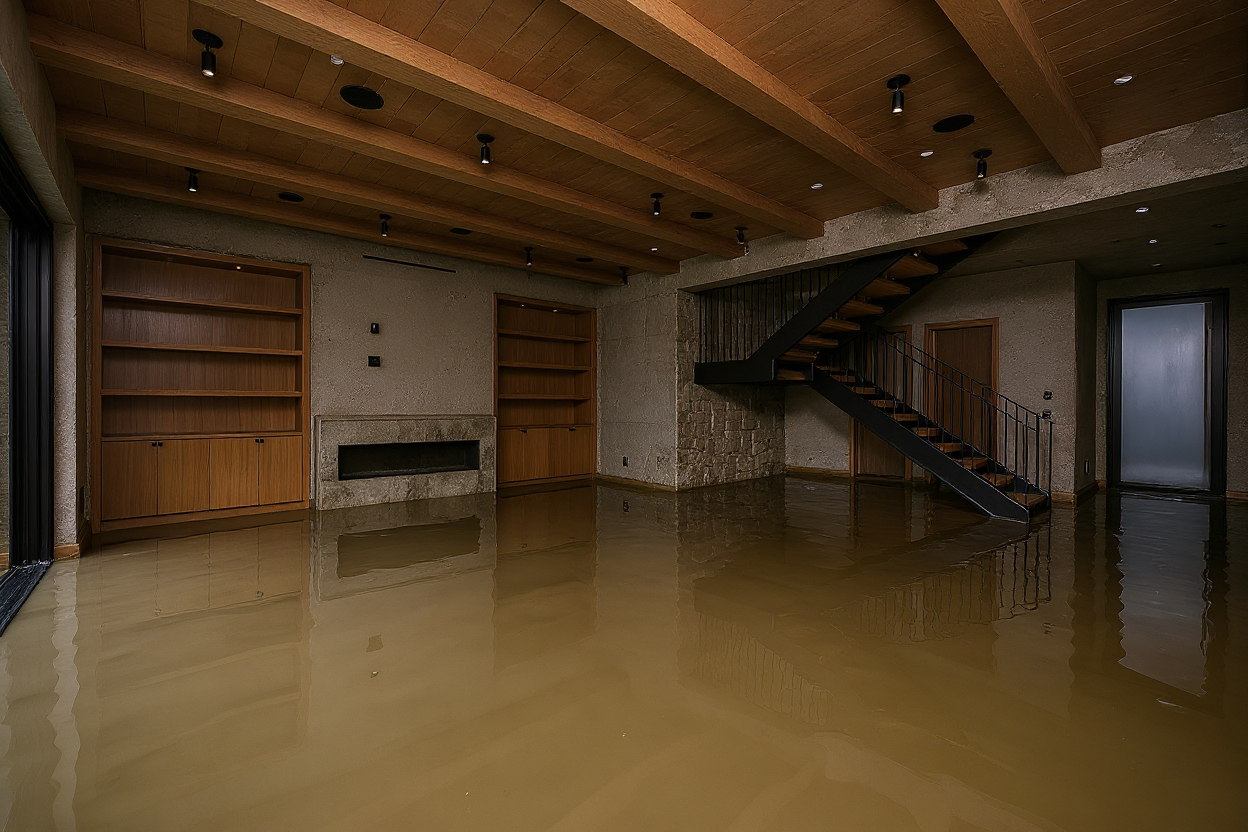
Heavy rain combined with poor drainage, overwhelmed gutters, or a compromised roof can send significant water damage into a home or commercial building. Basements flood. Water backs up through foundation cracks. Roof leaks soak insulation and drywall. This category of storm damage is especially problematic because the water spreads far beyond where it first enters, and the moisture lingers inside building materials long after surfaces look dry.
Fallen Trees and Structural Impact Damage
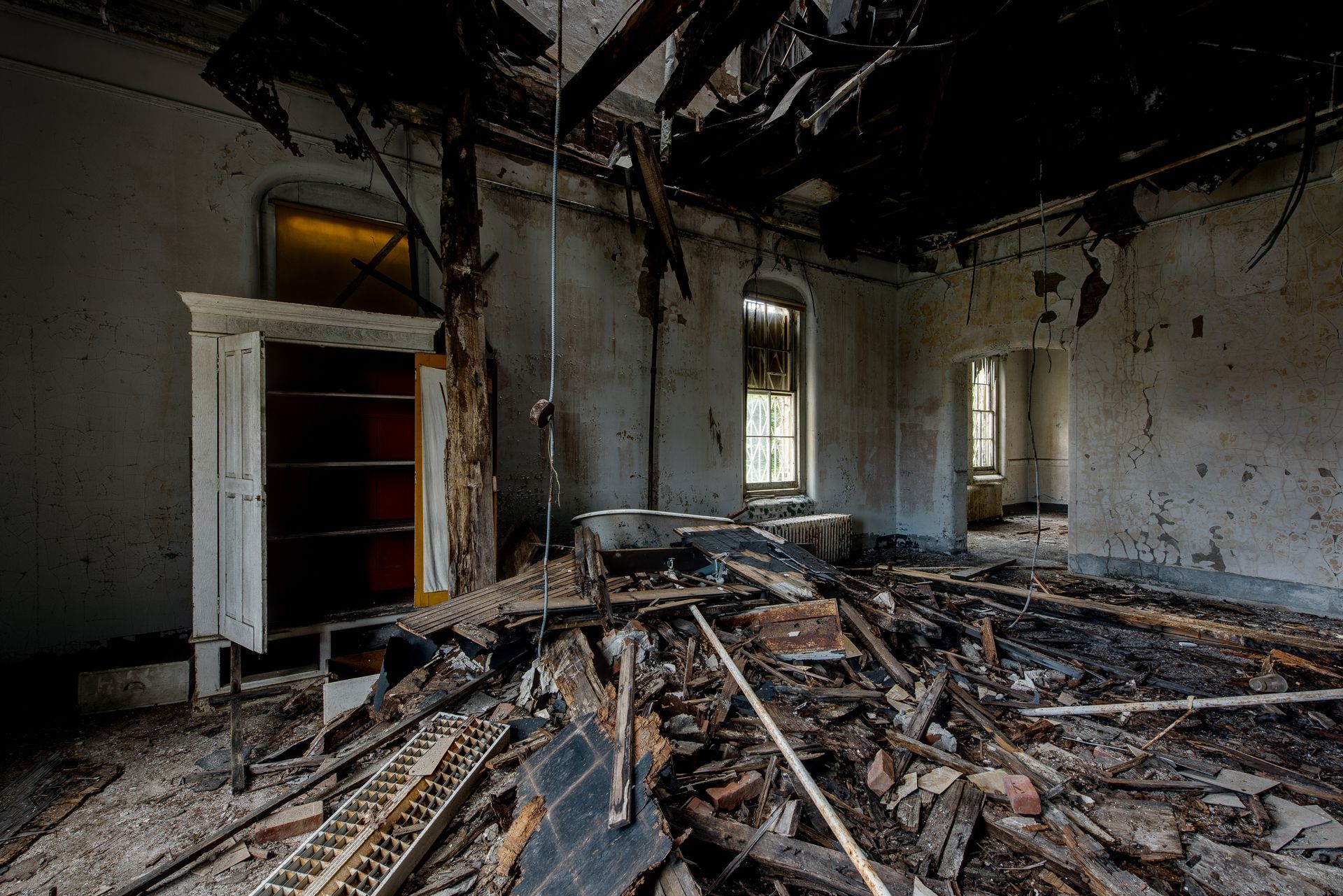
Connecticut has no shortage of large trees, and strong storms bring them down. A fallen tree or large branch can punch through a roof, collapse a wall, shatter windows, and damage everything underneath it. Beyond the obvious structural damage, the opening created by a fallen tree exposes the interior of the home to the elements immediately, which means water, debris, and pests can all enter until the opening is secured.
Lightning and Electrical Damage
Lightning strikes can cause fires, damage electrical systems, and destroy appliances and electronics throughout a home. Even a strike to a nearby tree can send a surge through underground utility lines into your home. If your property was struck by lightning or experienced a significant power surge during a storm, a professional inspection of your electrical system is not optional.
Emergency Storm Damage Response Services
When a storm damages your property, the first priority is stopping the situation from getting worse. These are the emergency services that matter most in the hours immediately following a storm.
24/7 Emergency Response and Inspection
Storm damage does not wait for business hours, and neither do we. Incredible Restorations, LLC provides 24/7 emergency response across Connecticut. When you call, we move quickly to get eyes on the damage, assess what is structurally sound, identify immediate hazards, and put together a clear picture of what needs to happen first. A fast inspection also gives you the documentation you need to start your insurance claim right away.
Board-Up and Roof Tarping Services
If a storm has left an opening in your roof, a broken window, or a compromised exterior wall, the structure needs to be secured before anything else. We provide emergency board-up and roof tarping services to protect your property from additional water intrusion, debris, and unauthorized entry while the full restoration process gets underway. This step is critical and should not be skipped.
Water Extraction and Drying
If storm-driven water has entered your home, it needs to come out quickly. We use commercial-grade water extraction equipment to remove standing water, followed by industrial air movers and dehumidifiers to dry out walls, floors, and structural materials. The goal is to get the moisture level in building materials back to normal as fast as possible to prevent mold growth and structural deterioration.
Debris Removal and Site Cleanup
Storms leave behind branches, leaves, broken glass, torn materials, and sometimes the remains of structural components. We handle full debris removal and site cleanup as part of the restoration process, making the property safe to move through and clearing the way for repairs to begin.
The Storm Damage Restoration Process
Storm damage restoration is not a single event. It is a sequence of steps, each one building on the last. Here is how we approach it.
Initial Damage Assessment and Inspection
The process starts with a thorough inspection of the entire property. We are looking at the roof, exterior walls, windows, foundation, interior ceilings and walls, and any mechanical systems that may have been affected. This assessment gives us a complete picture of the damage and forms the basis for the restoration plan and insurance documentation.
Immediate Mitigation to Prevent Further Damage
Once we know what we are dealing with, the first work is mitigation, which means stopping the damage from spreading. This includes boarding up openings, applying roof tarps, extracting standing water, and addressing any immediate safety hazards. Mitigation is not the same as restoration. It is the emergency layer that protects the property while the full repair plan is put into motion.
Cleanup, Drying, and Dehumidification
After the property is stabilized and secure, the cleanup phase begins. Debris is removed. Water-damaged materials that cannot be saved are taken out. Industrial drying equipment is deployed throughout the affected areas, and moisture readings are taken regularly to track progress. This phase can take several days depending on the extent of the water intrusion and the materials involved.
Repairs and Full Property Restoration
With the property clean, dry, and stable, repairs begin. This includes roofing work, siding replacement, drywall repair, flooring restoration, window replacement, and any structural repairs and reconstruction that are needed. Our team handles the full scope of restoration work, so you are not coordinating between multiple contractors.
Final Inspection and Completion
Before the job is closed out, we do a final walkthrough to confirm that all repairs have been completed properly, moisture levels are back to normal, and the property is fully restored. We document the completed work thoroughly, which supports the final stages of your insurance claim.
Working With Insurance After Storm Damage
Insurance claims after storm damage can be complicated, especially when the damage is extensive or affects multiple systems. Here is what helps.
Documenting the Damage Properly
Before any cleanup or temporary repairs begin, photograph and video everything. Get wide shots of the exterior, close-ups of specific damage points, and documentation of any interior damage. Write down the date and time of the storm, note what weather event caused the damage, and keep records of any emergency expenses you incur in the immediate aftermath. The more thorough your documentation is upfront, the smoother the claims process tends to go.
Filing and Navigating Your Insurance Claim
Contact your insurer as soon as possible after the storm. Most policies require prompt notification. When you file, you will be assigned an adjuster who will inspect the damage and assess the claim. Having a professional restoration company on site during the adjuster's visit is helpful because we can point out damage that is easy to miss and make sure nothing is overlooked.
How Restoration Companies Assist With Claims
We work with insurance companies regularly and understand what adjusters need to see. We provide detailed written estimates, damage reports, moisture readings, and photo documentation that supports your claim. We also communicate directly with your insurance team when needed, which takes some of the burden off you during what is already a stressful time.
Residential vs. Commercial Storm Damage Restoration
Storm damage looks different depending on the type of property involved, and so does the restoration process.
Unique Challenges for Homes
Residential storm damage restoration is often deeply personal. Your home is where your family lives, and getting back to normal quickly matters in a way that goes beyond the physical repairs. Homeowners also tend to have more decisions to make about materials, finishes, and the scope of repairs. We work to keep communication clear throughout the process so you always know what is happening and what comes next.
Restoration Needs for Commercial Properties
Commercial storm damage brings its own set of complications. Business interruption is a real financial concern, so speed matters even more. Commercial buildings often have more complex roofing systems, larger mechanical systems, and more surface area to assess and repair. We have experience working on commercial properties across Connecticut and understand how to manage the restoration process with minimal disruption to your operations.
Signs You Need Professional Storm Damage Restoration
Some storm damage is obvious. Other damage hides until it has already gotten much worse. Watch for these warning signs after any significant weather event.
Hidden water damage is one of the most common problems following a storm. Stains on ceilings or walls, soft or spongy drywall, and warped flooring are all signs that water has entered the building and is sitting inside the structure. If you spot any of these, our guide on what to do after water damage walks you through the immediate steps.
Structural instability shows up as doors or windows that suddenly do not close properly, visible cracks in walls or ceilings, or sections of the roof that appear to be sagging. These are signs that the building's structure has been affected and need professional evaluation right away.
Persistent moisture or mold risk becomes a concern when wet materials are not dried out quickly enough. If you notice a musty smell developing in the days after a storm, moisture is still present somewhere and mold may already be starting to grow.
Safety concerns include anything involving electrical systems that got wet, gas lines near structural damage, or partially fallen trees that are still in contact with your roof or walls. Do not attempt to address these yourself.
How to Prevent Future Storm Damage
You cannot control the weather, but you can make your property more resilient. These steps reduce your risk significantly.
Roof and Gutter Maintenance
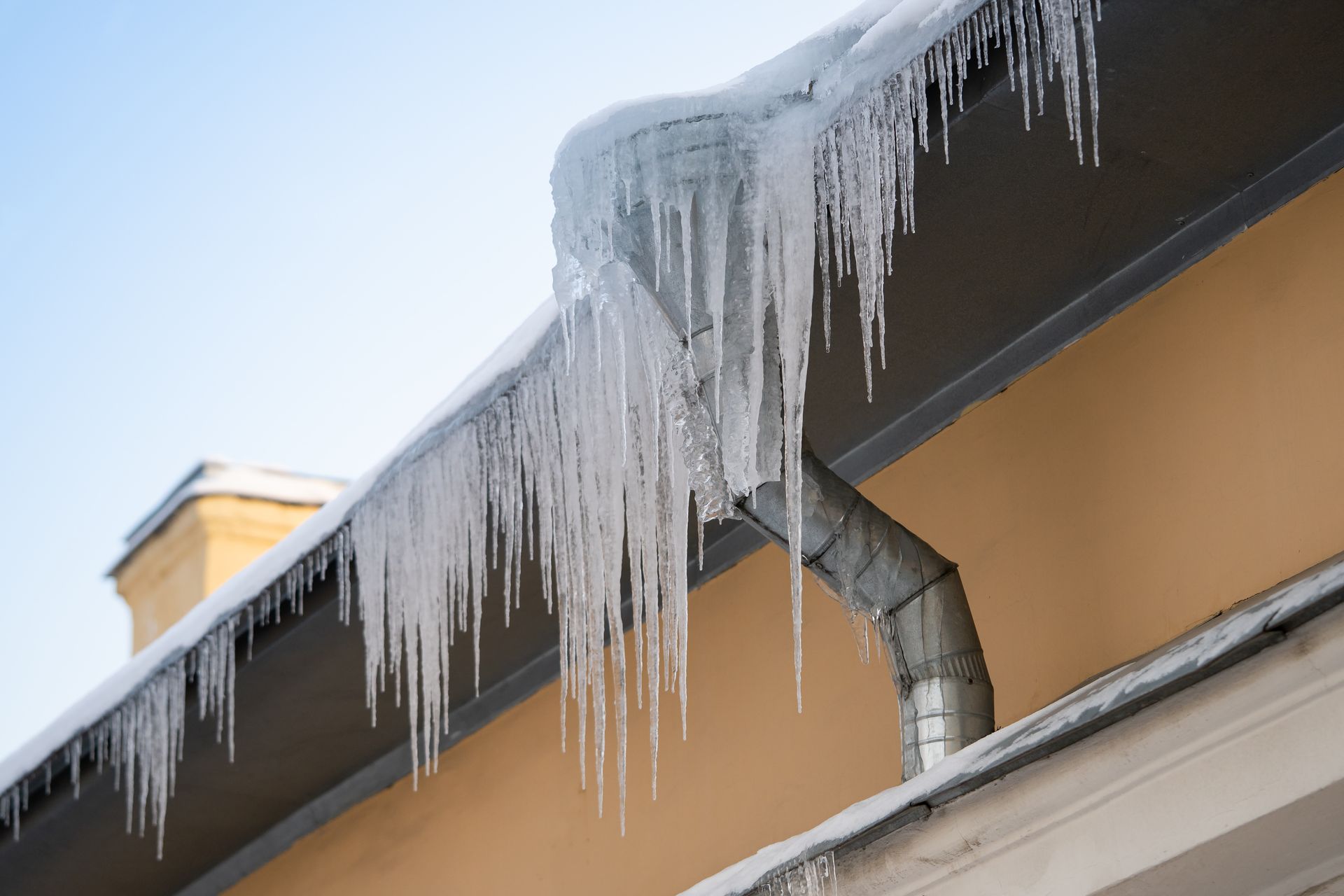
Your roof is your first line of defense against storm damage. Have it inspected at least once a year and after any significant storm. Replace damaged or missing shingles promptly. Keep gutters clean and properly attached so they can channel water away from the structure effectively. Clogged gutters are one of the leading causes of water intrusion during heavy rain.
Tree Trimming and Property Preparation
Large trees near your home are a liability during high-wind events. Have trees inspected by an arborist periodically, especially older trees or those with large overhanging branches. Remove dead branches and address any trees that show signs of disease or structural weakness. When a storm is forecast, move outdoor furniture, equipment, and other loose items inside or secure them so they do not become projectiles.
Installing Storm-Resistant Materials
When it is time to replace your roof, siding, or windows, consider impact-resistant and storm-rated materials. Modern roofing systems with higher wind resistance ratings, impact-resistant shingles, reinforced siding panels, and storm-rated windows can significantly reduce the damage caused by severe weather. The upfront cost is higher, but the long-term protection is worth it in a state that sees the kind of weather Connecticut does.
Choose a Trusted Connecticut Storm Damage Restoration Company
Not all restoration companies are the same. When you are dealing with storm damage, you need a team with the experience, equipment, and local knowledge to handle the full scope of the job.
Incredible Restorations, LLC is based in Connecticut and has worked with homeowners and businesses throughout the state. We are familiar with the specific weather patterns and building types common to this region, and we have handled everything from minor wind damage repairs to large-scale structural restoration following major storm events. Our team is IICRC-certified, which means our methods meet the industry's highest standards for water damage mitigation and restoration.
We respond quickly, communicate clearly, and see every job through from the initial emergency response all the way to the final inspection. We also carry the insurance and licensing required to work on both residential and commercial properties in Connecticut.
Get Immediate Storm Damage Help in Connecticut
If your property has been damaged by a storm, do not wait to see if things get better on their own. They usually do not. Water spreads. Structures weaken. Mold starts to grow. The cost of waiting is almost always higher than the cost of acting fast.
Incredible Restorations, LLC is available 24/7 for emergency storm damage response across Connecticut. Call us and we will get to your property quickly, assess the damage honestly, and walk you through exactly what needs to happen next. Our goal is to get your home or business back to the way it was, as fast as possible.
Frequently Asked Questions About Storm Damage Restoration in Connecticut
How quickly does storm damage need to be addressed?
As soon as possible, ideally within the first 24 to 48 hours. Water that enters through a damaged roof or broken window begins soaking into structural materials right away, and mold can start growing within 24 to 48 hours of moisture exposure. The longer the damage sits, the more it spreads and the more expensive the restoration becomes. Even if a full repair cannot happen immediately, emergency mitigation like tarping and board-up should happen the same day.
Will my homeowner's insurance cover storm damage restoration?
Most standard homeowner's insurance policies cover sudden storm damage, including wind, hail, fallen trees, and rain intrusion caused by the storm event itself. What is typically not covered is damage that resulted from deferred maintenance, such as a roof that was already failing before the storm hit. Documenting the damage thoroughly right after the storm and notifying your insurer promptly gives you the strongest foundation for your claim.
Can I stay in my home while storm damage restoration is underway?
It depends on the extent of the damage. For minor repairs, staying home is usually fine. If there is significant structural damage, widespread water intrusion, active mold growth, or compromised electrical systems, it is safer to stay elsewhere until those issues are resolved. We will give you an honest assessment of the situation after the initial inspection so you can make an informed decision.
How long does storm damage restoration take?
A minor repair, like patching a small roof section or replacing a few sections of siding, might take a day or two. A more involved restoration that includes structural repairs, drying out water-damaged materials, and rebuilding interior finishes can take several weeks. The timeline depends on the scope of the damage, the availability of materials, and how quickly the drying process progresses. For a sense of what full restoration typically involves, see our breakdown of water damage restoration costs. We give you a realistic timeline upfront and keep you updated throughout.
What should I do immediately after a storm damages my property?
First, make sure everyone is safe and stay clear of any downed power lines, unstable structures, or partially fallen trees. Then document everything with photos and video before anything is moved or cleaned up. Call your insurance company to report the damage, then call a restoration company to get emergency mitigation started. Acting on all three of those steps quickly makes a real difference in both the outcome and the claims process.