Signs of Hidden Water Damage in Your Home (Before It Gets Worse)
At Incredible Restorations, LLC, our team has spent years helping Connecticut homeowners find and recover from water damage, including the kind that hides behind walls, under floors, and above ceilings long before anyone notices it. We have responded to hundreds of water damage calls, and in many of those cases, the damage had been quietly growing for weeks or even months. That hands-on experience is what shapes this guide. If you think something might be wrong in your home but you are not sure, keep reading. We will walk you through exactly what to look for.
Why Hidden Water Damage Is a Serious Problem
Water damage does not always look dramatic. You will not always see a burst pipe or water pouring through the ceiling. In many cases, water gets in slowly, a little at a time, and the signs are easy to miss or write off as something minor.
That slow, hidden moisture is often more dangerous than a sudden flood. Water sitting inside walls, floors, or ceilings breaks down materials quietly. Wood rots. Drywall softens and crumbles. Mold can start growing within 24 to 48 hours of moisture exposure, and once it takes hold, it spreads fast.
By the time you can clearly see the damage, the repair cost is often much higher than it would have been with early detection. Finding hidden water damage early is one of the best things you can do to protect your home and avoid a much bigger bill later.

What Causes Hidden Water Damage?
Understanding where water gets in is the first step to catching it early. Most hidden water damage comes from one of four sources.
Plumbing Leaks Behind Walls and Under Floors
Pipes run through every room in your home, most of them completely out of sight. A small crack, a loose joint, or a slow drip from a fitting behind the wall can go unnoticed for months. The water soaks into insulation, wood framing, and drywall without ever reaching the floor where you would see it.
Roof and Ceiling Leaks
A damaged or aging roof does not have to fail completely to let water in. A few missing shingles, cracked flashing around a chimney, or worn seals around a vent pipe can allow small amounts of water to enter every time it rains. That water often travels along rafters and joists before showing up as a ceiling leak, which means the actual source may be far from where the damage appears.
Appliance and Fixture Failures
Washing machines, dishwashers, refrigerators with ice makers, and water heaters all have supply lines and drain connections that can develop slow leaks. These appliances often sit against walls or inside cabinets, which hides the moisture from view. Even a small drip once a week adds up to serious water damage over time.
Poor Drainage and Foundation Issues
If the ground around your home does not slope away from the foundation, rainwater collects near the base of your house and seeps in through cracks in the foundation walls or floor slab. Basements and crawl spaces are especially vulnerable to this kind of moisture intrusion.
Most Common Signs of Hidden Water Damage
This is the section to pay close attention to. These are the signs that show up most often, and each one deserves a careful look.
Musty Odors That Won't Go Away
A musty smell in your home, especially in one specific room or area, is one of the strongest signs of hidden moisture or mold. Mold has a distinct earthy, damp odor that most people recognize right away. If you have tried cleaning, airing out the room, or using air fresheners and the smell keeps coming back, there is likely moisture hiding somewhere nearby.
Pay close attention to bathrooms, basements, closets on exterior walls, and areas under sinks.
Discoloration or Stains on Walls and Ceilings
Yellow, brown, or rust-colored stains on walls or ceilings are a clear sign that water has been present. These stains appear when water soaks through drywall or plaster and leaves mineral deposits behind as it dries. Even if a stain feels dry right now, it is telling you that water has been there, and the source may still be active.
Do not ignore stains just because they seem dry. The problem is likely still going on inside the wall or ceiling above.
Peeling, Bubbling, or Cracking Paint
Paint is not designed to hold up against moisture coming from behind. When water gets into drywall or plaster, it pushes outward, causing paint to bubble, peel, or crack. This is especially common on bathroom walls, around windows, and on walls that share space with plumbing. If your paint is bubbling in a spot you have not touched recently, water damage is a likely cause.
Warped or Buckling Floors
Wood and laminate floors are highly sensitive to moisture. When water gets underneath them, the boards absorb it and expand, which causes them to warp, buckle, or develop soft spots. If a section of your floor feels spongy underfoot or the boards have started to cup or bow, moisture underneath is almost certainly the reason.
This is a common sign of hidden water damage in kitchens and bathrooms, where plumbing is close by.
Mold or Mildew Growth
Visible mold is a sign that moisture has been present long enough for it to grow and spread. Mold often appears as black, green, or gray spots, and it tends to show up in corners, along baseboards, around window frames, and in grout lines. If you see mold in a spot that does not get wet from normal use, there is a hidden moisture source nearby feeding it.
Even small patches of mold should be taken seriously. They are rarely isolated, and what you see on the surface is often just a fraction of what is growing inside the wall or under the floor. A professional mold remediation assessment can tell you exactly how far it has spread.
Soft or Sagging Drywall
Healthy drywall is firm. If you press on a section of wall and it feels soft, spongy, or gives slightly under pressure, that drywall has absorbed moisture. You may also notice it starting to sag or bow outward. This is a sign that water has been soaking in for long enough to break down the drywall's structure, and the wall framing behind it may be affected as well.
Unexplained Increase in Water Bills
If your water usage habits have not changed but your monthly bill has gone up, a hidden leak is one of the most likely explanations. Even a slow, steady drip can waste hundreds of gallons of water per month. Pull out your last few water bills and compare them. A steady upward trend without explanation is worth investigating.
Sounds of Dripping or Running Water
If you hear water running, dripping, or trickling inside your walls when no faucets are on and no appliances are running, that is a direct sign of a hidden leak. These sounds are most noticeable at night when the house is quiet. Do not ignore them. They are telling you something is wrong.
Signs of Hidden Water Damage in Specific Areas of the Home
Water problems tend to concentrate in certain parts of the house. Here is what to look for in each area.
Bathroom and Kitchen Warning Signs
Bathrooms and kitchens have more plumbing than any other room in your home, which makes them the most common locations for hidden leaks. Look for soft flooring around the toilet or tub, discoloration under the sink cabinet, mold along the base of the tub or shower, and any staining on the ceiling directly below a second-floor bathroom. In the kitchen, check under the sink regularly and look for warping at the base of cabinets near the dishwasher.
Basement and Crawl Space Red Flags
Basements and crawl spaces are where foundation and drainage issues show up first. Look for white powdery residue on concrete walls, which is a sign of water moving through the foundation. Standing water, damp insulation, rust stains on metal supports, and a strong musty smell are all red flags. Crawl spaces in particular can hold a lot of hidden moisture without anyone noticing until the damage has spread to the floor structure above.
Attic and Roof Indicators
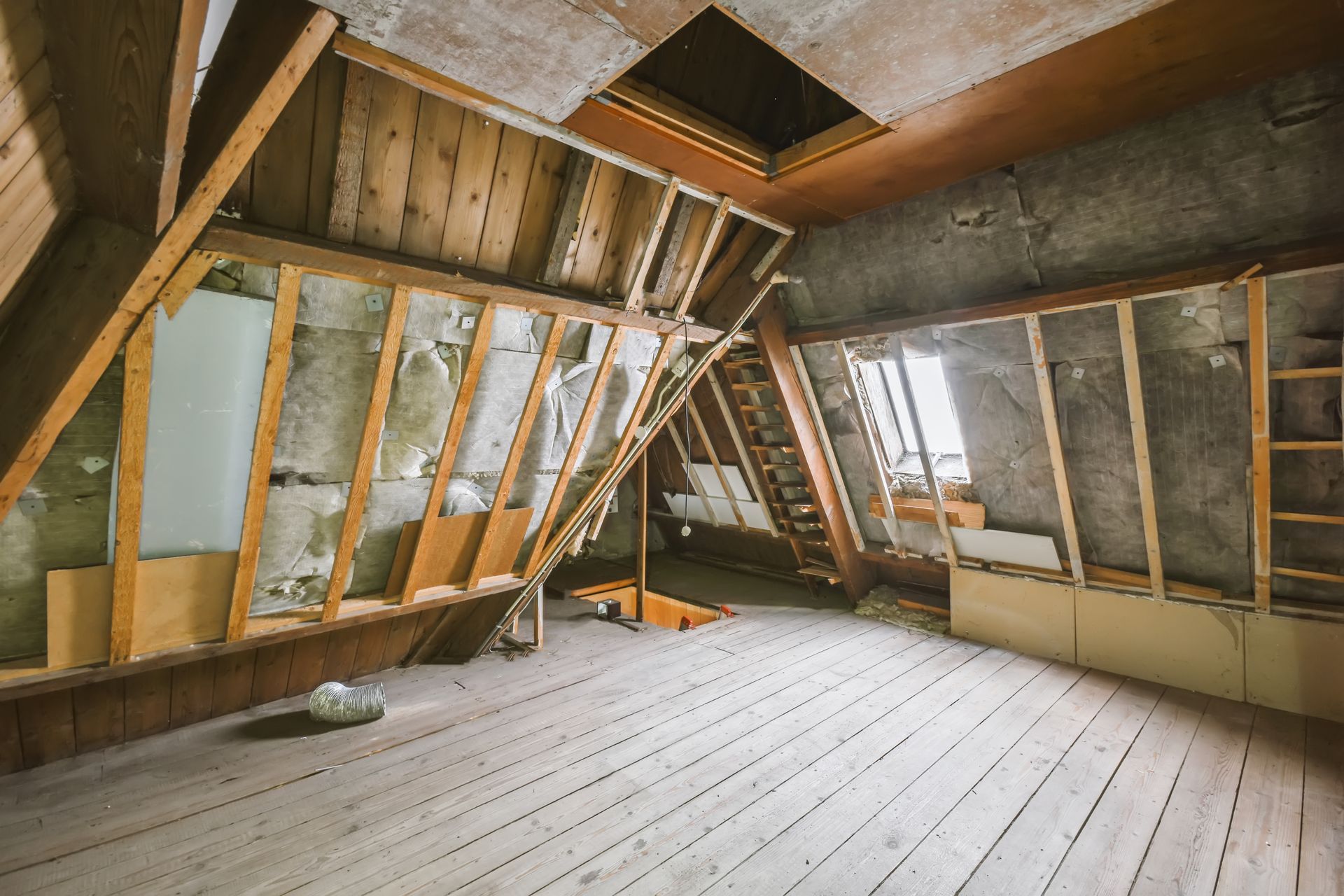
Many homeowners never look in their attic until something goes wrong. That is a mistake. Check your attic a few times a year for staining on the roof decking or rafters, any daylight visible through the roof boards, damp or compressed insulation, and mold growth on wood surfaces. These are signs that your roof has been letting water in, even if your ceilings below look fine.
How to Check for Hidden Water Damage
You do not need special equipment to do a basic check of your home. Here is where to start.
Visual Inspection Tips
Walk through each room slowly and look at the walls, ceilings, and floors with fresh eyes. Check corners, baseboards, and the area around all windows and doors. Open cabinet doors under sinks and look at the bottom of the cabinet. Check around the base of toilets and along the edges of tubs and showers. Look at your water heater, washing machine, and dishwasher connections.
Smell and Moisture Clues
Your nose is a useful tool. A musty or damp smell in a specific area is worth following. Get close to walls in areas where you suspect a problem. Check behind furniture that sits against exterior walls. Smell under sinks and inside cabinets. Moisture often gives off a smell before it shows up visually.
When to Use Professional Detection Tools
Professionals use moisture meters to detect water inside walls and floors without having to open them up. They also use thermal imaging cameras, which can spot temperature differences caused by wet areas behind surfaces. If your visual inspection raises concerns but you cannot pinpoint the source, calling in a professional with detection equipment is the right move. It is far less costly than waiting until the damage becomes visible.
When Hidden Water Damage Becomes an Emergency
Some situations cannot wait. If you notice any of the following, act immediately.
Ceilings that are sagging or bulging are a sign that water has pooled above and the structure could fail. Widespread mold growth, especially black mold, poses serious health risks and requires professional remediation. Any water damage near your electrical panel, outlets, or wiring is a fire and safety hazard that requires immediate attention. A sudden, strong sewage or sulfur smell combined with moisture may indicate a broken drain line, which is both a health risk and a structural threat.
If you see any of these signs, do not try to handle it yourself. Call a professional restoration company right away.
What to Do If You Find Signs of Water Damage
Immediate Steps to Minimize Damage
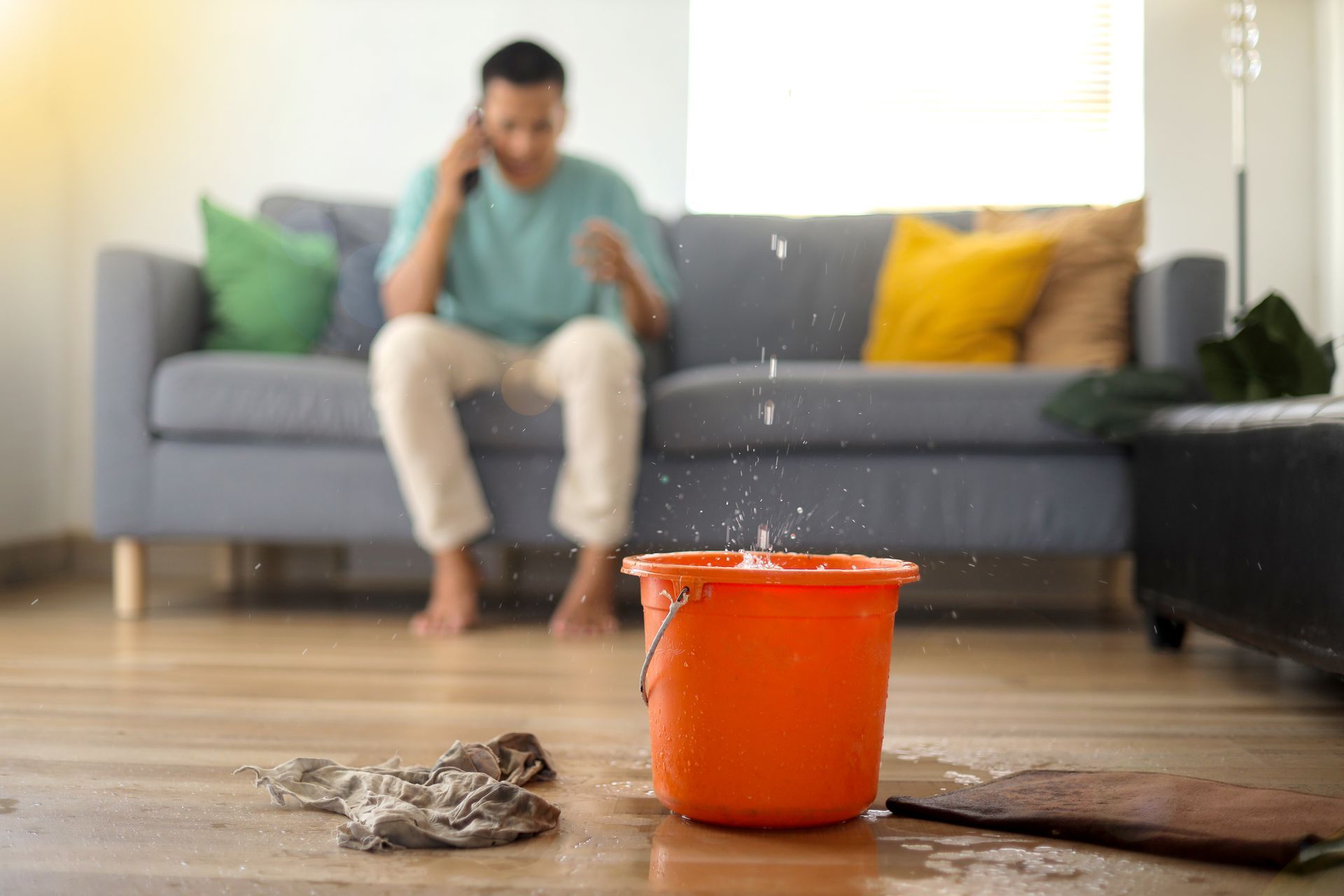
If you find an active leak, shut off the water supply to that area or to the whole house if needed. Move furniture, rugs, and belongings away from the affected area. Open windows and run fans to begin drying the space. Take photos of everything you see before any cleanup begins, as these will be important for any insurance claim. For a full breakdown of next steps, see our guide on what to do after water damage.
Do not use a regular household vacuum to remove standing water. If there is significant water present, you need a wet/dry vac or professional water extraction equipment.
Why Professional Restoration Matters
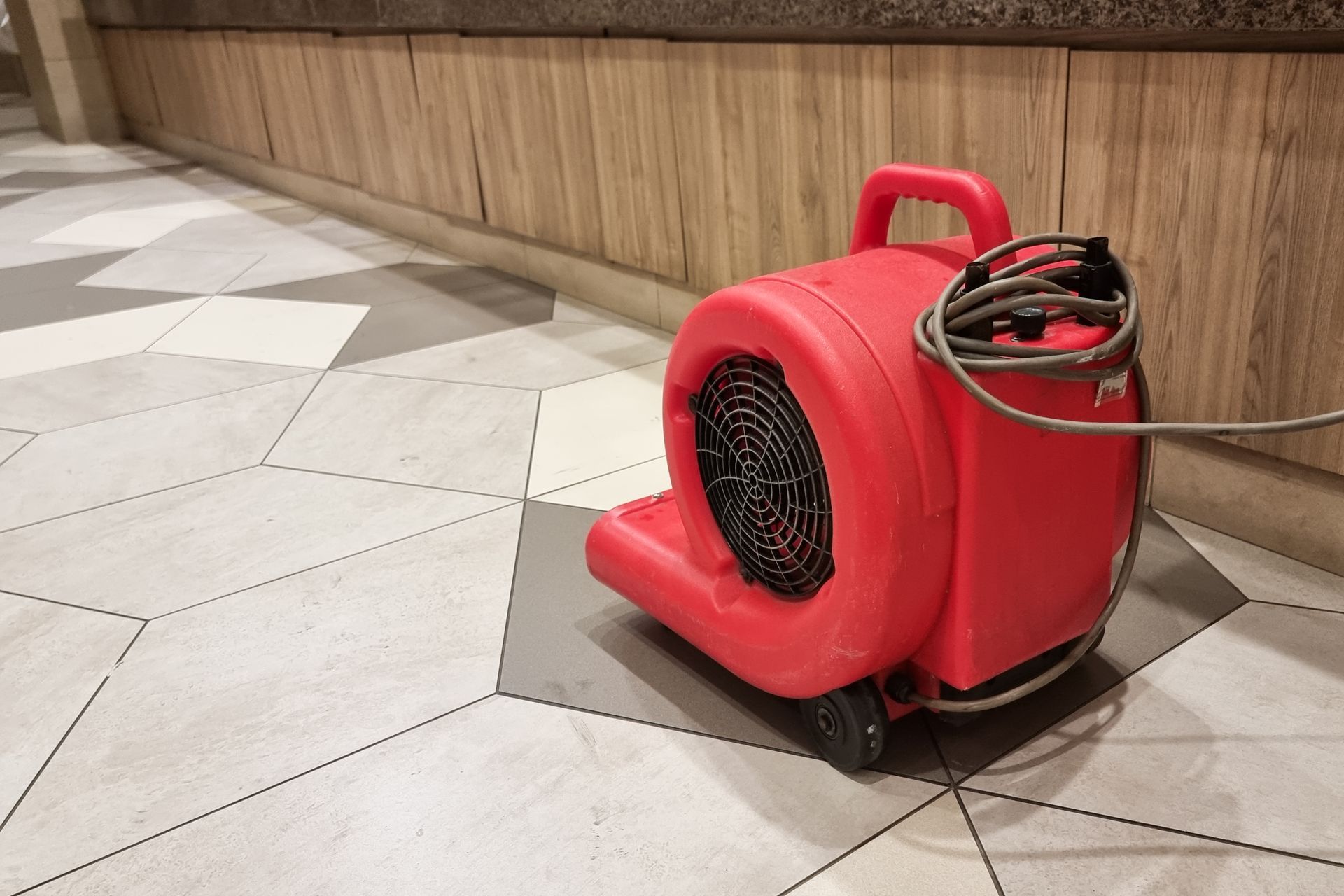
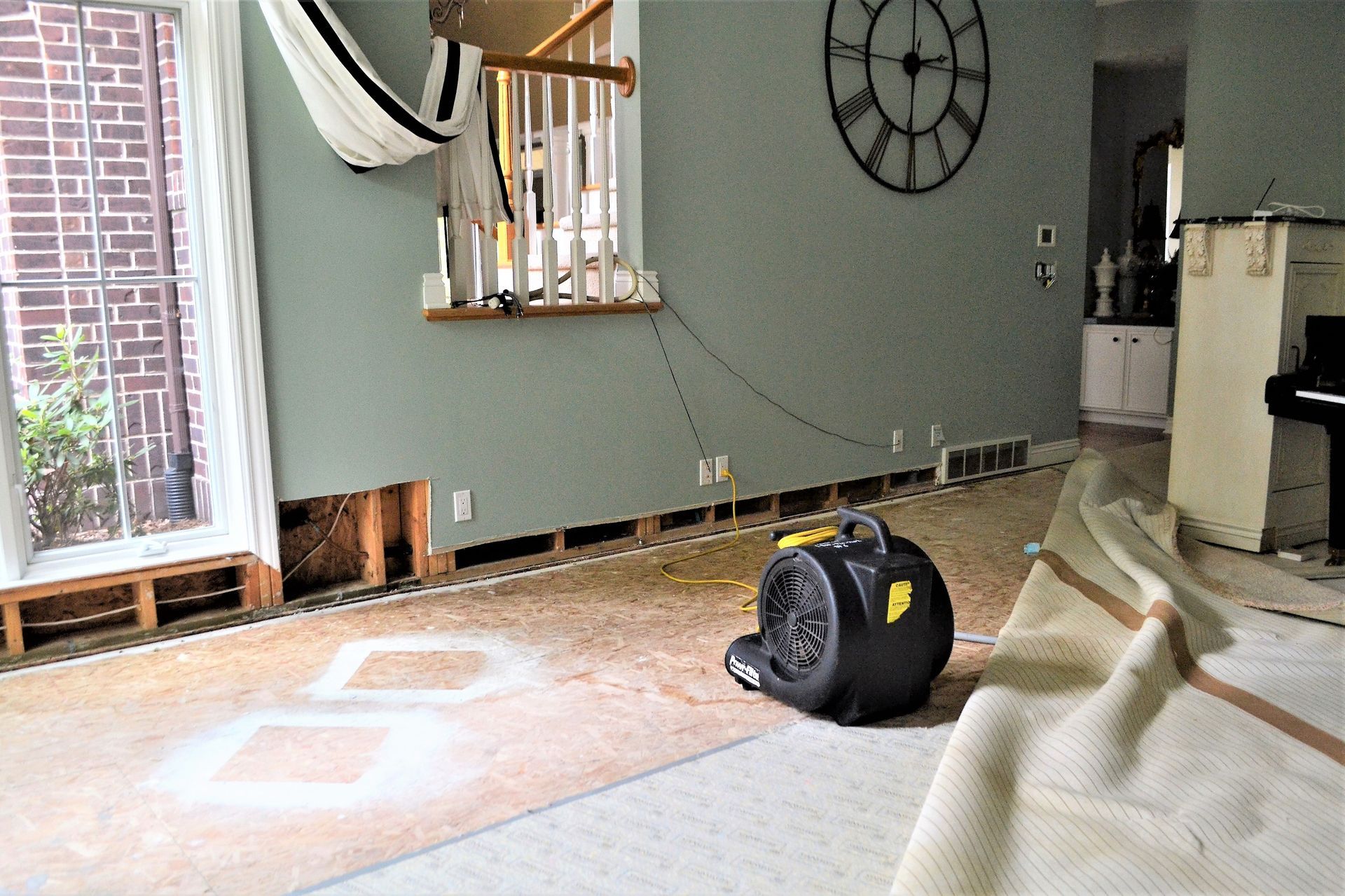
Water damage looks contained on the surface but often spreads much farther than what you can see. Professionals have the tools to find moisture hidden in walls, subfloors, and ceilings, and they have the drying equipment to pull that moisture out properly. Incomplete drying is one of the main reasons homeowners end up dealing with mold weeks after a water event. If you are wondering about scope and budget, our page on water damage restoration costs breaks down what to expect.
At Incredible Restorations, LLC, we handle the full scope of water damage restoration, from detection and water extraction to structural drying, mold remediation, and repairs. Our goal is to make sure the problem is fully resolved, not just cosmetically covered.
Preventing Hidden Water Damage in the Future
The best water damage is the kind you never have to deal with. These habits go a long way toward keeping your home dry.
Routine Maintenance Tips
Inspect your roof at least once a year and after major storms. Clean your gutters regularly so water does not back up along the roofline. Check the caulking around tubs, showers, sinks, and windows every year and reseal anywhere it is cracking or pulling away. Have your plumbing inspected periodically, especially in older homes. Know where your main water shutoff valve is so you can act fast if something goes wrong.
Early Detection Strategies
Make a habit of checking under sinks, around appliances, and in your basement or crawl space every few months. Look at your water bill each month and flag any unexplained increases. Pay attention to new smells in your home. These small habits take only a few minutes and can help you catch problems while they are still minor.
Smart Home Monitoring Options
Water leak detectors are inexpensive sensors you can place under sinks, behind appliances, and near your water heater. When they sense moisture, they send an alert to your phone. Some whole-home water monitoring systems can even shut off your water automatically when a leak is detected. These tools are especially useful when you are away from home for extended periods.
Protect Your Home Before Water Damage Gets Worse
Hidden water damage is one of those problems that rewards people who catch it early and punishes those who wait. The signs are often subtle at first, a faint smell, a small stain, a slightly soft patch of floor, but they always point to something that needs attention.
If anything in this guide sounds familiar, do not put it off. A quick inspection today could save you thousands of dollars and weeks of disruption down the road.
If you are in Connecticut and you have concerns about water damage in your home, the team at Incredible Restorations, LLC is here to help. We offer professional inspections and full restoration services. Reach out to us today and let us take a look before a small problem becomes a big one.
Frequently Asked Questions About Hidden Water Damage
How long can water damage go undetected?
Hidden water damage can go undetected for months or even years, depending on where it is and how slowly the moisture is building up. Leaks behind walls or under floors rarely announce themselves right away. In many cases, the first real sign is a musty smell or a stain that seems to appear out of nowhere, by which point the damage has already been spreading for some time.
Can hidden water damage make you sick?
Yes. Mold that grows from prolonged moisture exposure can trigger respiratory problems, allergic reactions, and other health issues, especially for children, elderly individuals, and anyone with asthma or a compromised immune system. If you are experiencing unexplained symptoms at home and also noticing musty odors or visible mold, it is worth having your home inspected.
Does homeowner's insurance cover hidden water damage?
It depends on the cause and your specific policy. Most standard homeowner's insurance policies cover sudden, accidental water damage, such as a pipe that bursts without warning. They typically do not cover damage that resulted from long-term neglect or a slow leak that went unaddressed. Documenting the damage thoroughly and contacting your insurer early gives you the best chance of a successful claim.
How do I know if water damage is old or new?
A few clues can help. New water damage tends to feel wet or damp to the touch, and the stain edges are often dark and well-defined. Older damage usually feels dry, the stain may have a yellowish or rust-colored ring, and the surrounding material may already show signs of deterioration like soft drywall or peeling paint. That said, a professional moisture assessment is the most reliable way to know for sure.
How much does it cost to fix hidden water damage in Connecticut?
The cost varies widely depending on how far the damage has spread and what materials are affected. Minor repairs can run a few hundred dollars, while extensive structural damage or mold involvement can reach several thousand. Our guide on water damage restoration costs covers what Connecticut homeowners can typically expect to pay.