Sewage Backup Cleanup in CT: Safety Steps and Insurance Tips
At Incredible Restorations, this is a topic our team is qualified to write about because the company has served Connecticut since 2017, is family owned and operated, offers 24/7 service, is IICRC certified, and works with insurance claims regularly. That hands-on restoration experience matters with sewage backups because these losses involve contamination, safety risks, material disposal, drying, and documentation all at once.
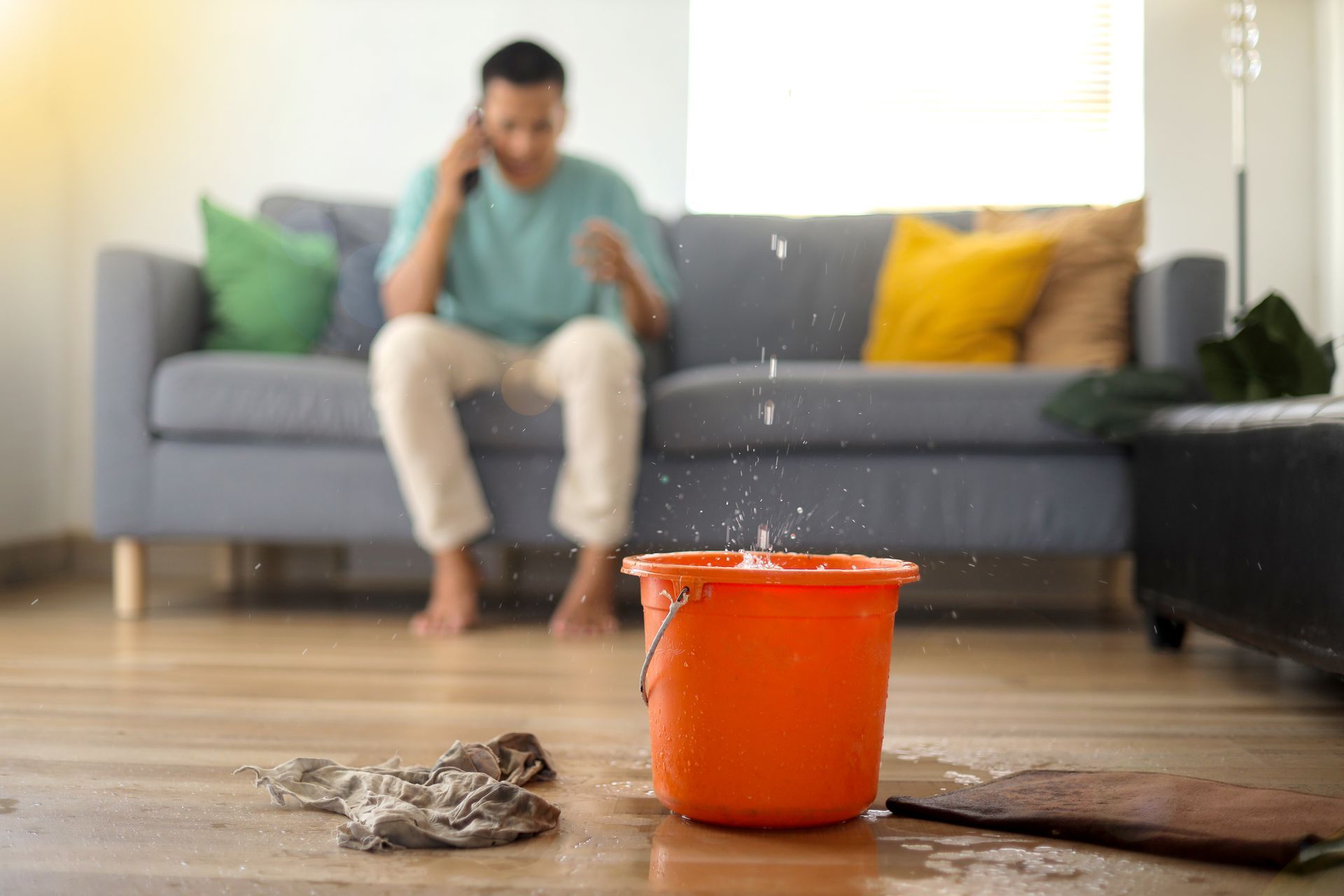
If sewage backs up into your home, act fast. Stop using plumbing fixtures, keep people and pets away, shut off electricity if water is near outlets or wires, call the right local authority if needed, contact your insurance company, and document the damage before cleanup starts. Sewage can carry bacteria, viruses, and other germs, and the longer it sits, the greater the risk to your health and your home.
Why Sewage Backup Cleanup in CT Needs Immediate Attention
Why sewage backups are dangerous
A sewage backup is not just dirty water. It is often classified as black water, which means it may contain harmful contaminants from toilets, drains, septic systems, or sewer lines. The Connecticut Department of Public Health says sewage can contain bacteria, viruses, and other germs that may cause disease and make a home unfit for living. Common health problems after exposure include stomach illness and skin rashes or infections.
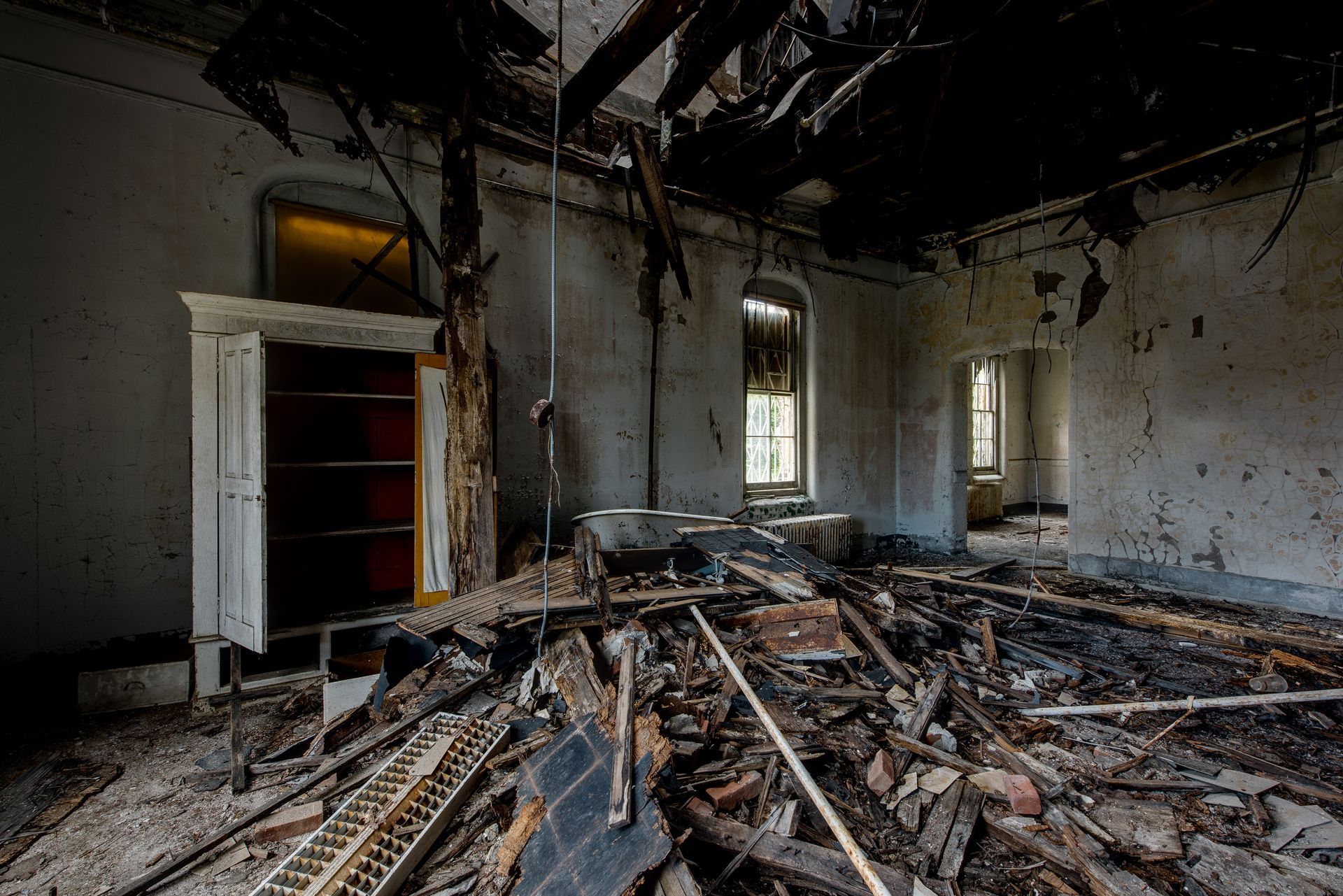
Sewage can also damage more than what you see on the surface. It can soak into flooring, drywall, furniture, and other materials. If left too long, the moisture and organic matter can also support mold growth and bad odors.
Common causes of sewage backups in Connecticut homes
In Connecticut, sewage backups often happen after heavy rain, flooding, or spring thaw because sewer and septic systems can get overwhelmed. Blockages in sewer lines can also cause sewage to back up into basements and lower levels of a home. Another common cause is tree roots growing into older sewer lines. Clogs from grease, wipes, paper products, and broken plumbing lines can also trigger a backup.
Why fast cleanup matters for health and property
Quick cleanup matters because contamination spreads fast. The state fact sheet explains that the chance of illness goes up the longer sewage stays in contact with interior materials. Fast drying and removal of contaminated porous items lowers the risk. Acting quickly may also reduce structural damage, odor problems, and mold growth. Learn more about what to expect from water damage restoration and why a fast response makes a difference.
What To Do First After a Sewage Backup
Stop using plumbing fixtures immediately
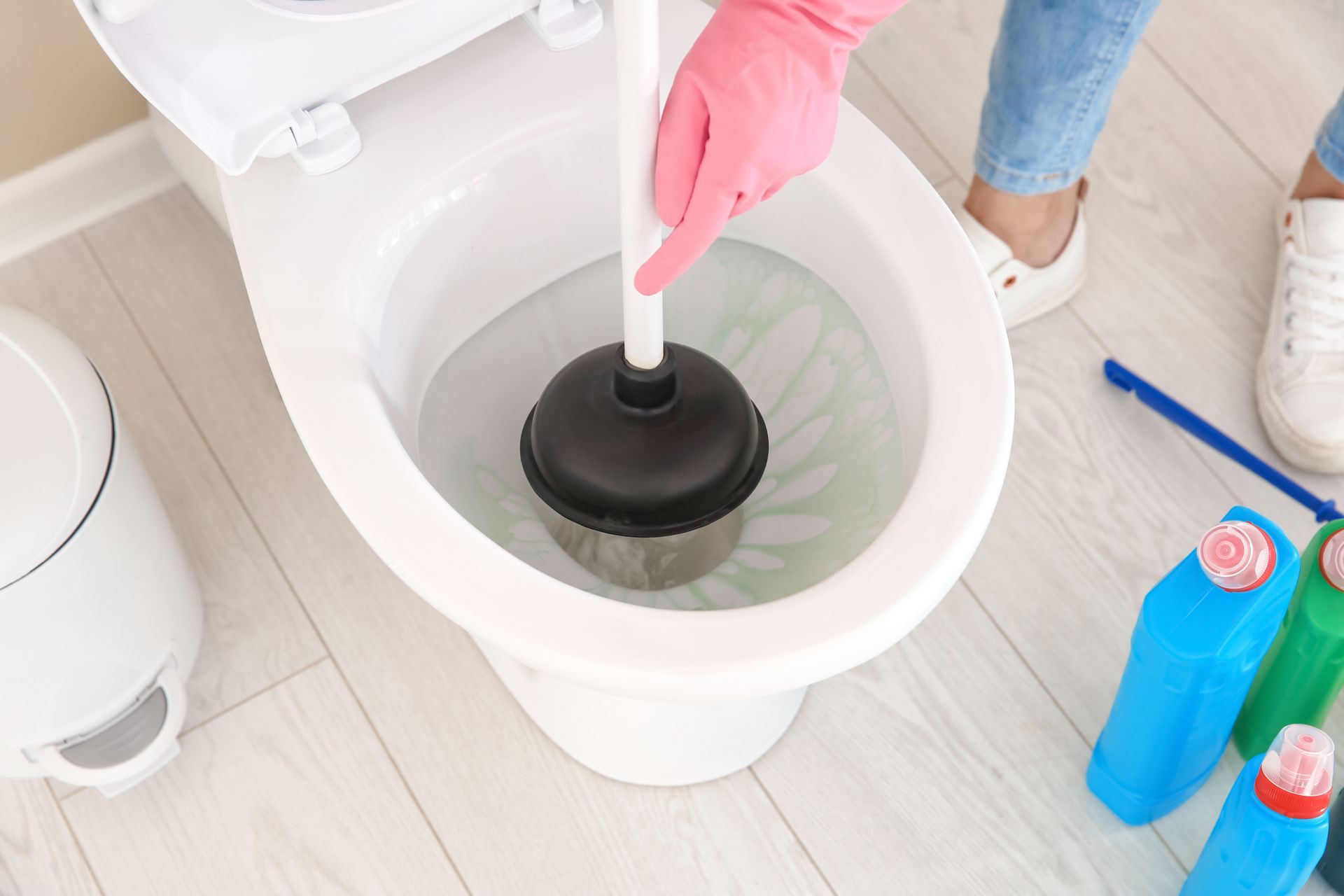
Do not flush toilets, run sinks, or use appliances connected to the drain system until the problem is checked. More water can make the backup worse.
Keep children and pets away from the affected area
Anyone not involved in cleanup should stay out of the area. This is especially important for children and pets, who can have close contact with contaminated surfaces.
Shut off electricity if it is safe to do so
If there is standing water or wet materials near wiring, shut off the power to the area if you can do it safely. Water and electricity together create a serious shock hazard.
Call your local sewer authority or health department if needed
If your home uses a municipal sewer, contact your local sewer department, public works department, or water pollution control authority. If your home has a septic system, call your local health department for guidance on the next steps.
Contact your homeowners insurance company right away
Call your insurance company early. They may have preferred cleanup vendors, and they may tell you what photos, lists, and paperwork they need. Early notice can also help you avoid mistakes that slow down the claim. The Connecticut fact sheet specifically recommends calling your homeowner's insurer after a backup.
Document the damage before cleanup begins
Take photos and videos before moving items, if it is safe to do so. Make a list of damaged belongings and note what must be thrown away. This can help support your insurance claim later. For a broader look at documentation best practices, see our guide on what to do after water damage.
Health Risks of Sewage Exposure
Bacteria, viruses, and other contaminants
Raw sewage can contain bacteria, viruses, and parasites. These contaminants may spread through direct contact and through dirty surfaces in the affected area. That is why even a small backup should be treated seriously.
Possible symptoms after exposure
Possible symptoms include nausea, vomiting, diarrhea, skin irritation, and skin infection. If you feel sick after contact with sewage, the Connecticut Department of Public Health recommends contacting your doctor.
Why sewage-contaminated homes can become unsafe to occupy
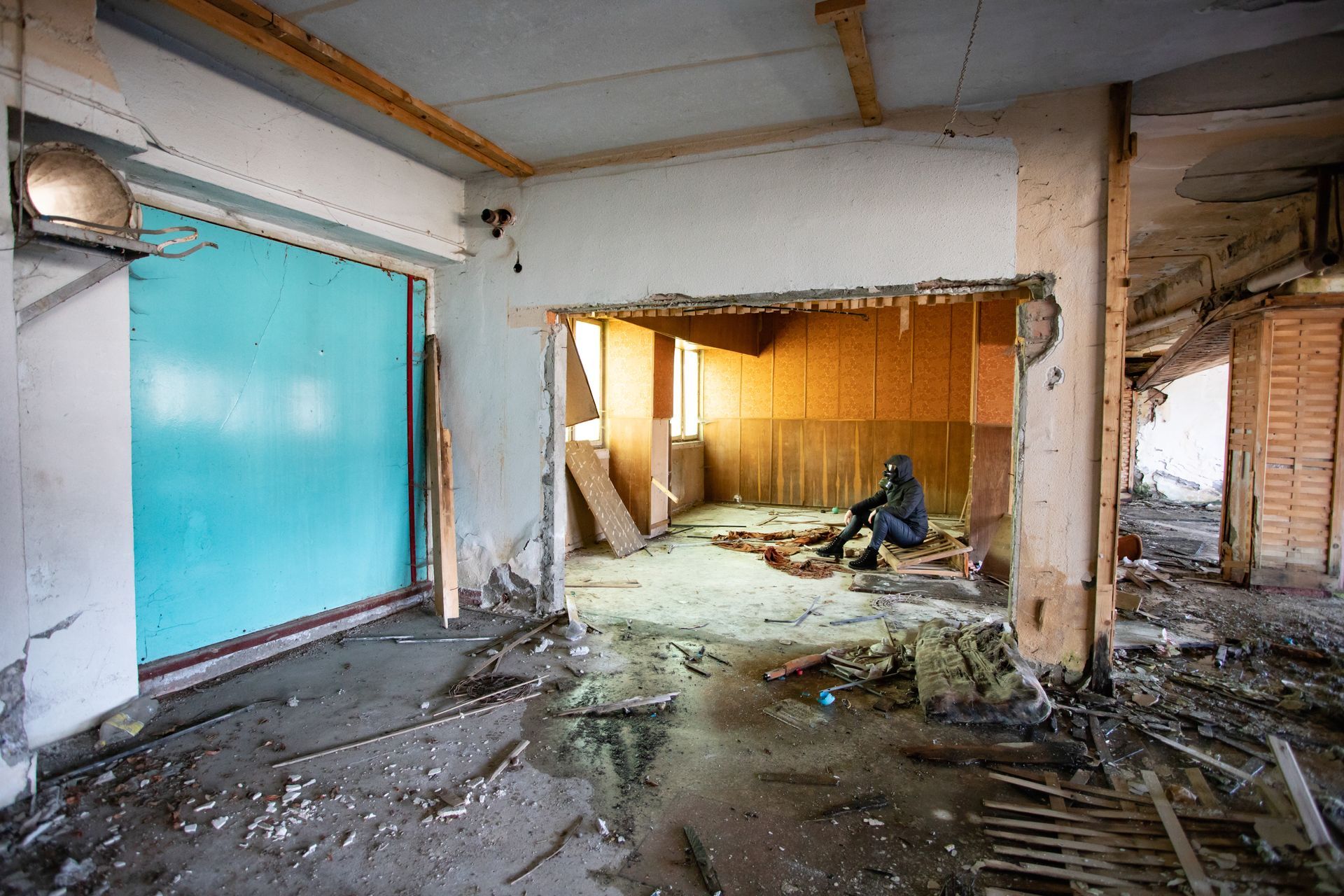
A badly affected area may not be safe to use until it is cleaned, disinfected, and dried. Sewage can soak into porous materials, leave harmful residue behind, and create odors and moisture problems that make living areas unhealthy.
Can You Clean Up a Sewage Backup Yourself or Should You Hire a Pro?
When DIY cleanup may be too risky
DIY cleanup can be too risky when sewage has been sitting for over 24 hours in a finished living space, when the job is large, when HVAC ductwork is affected, or when the contamination has spread through many materials. Those are situations where the Connecticut fact sheet says hiring a professional is favored.
When professional sewage cleanup is the better option
Professional cleanup is usually the safer choice because trained crews know how to contain the damage, remove contaminated materials, disinfect correctly, dry the structure, and reduce the chance of hidden moisture or mold. Professionals are also better equipped for black water losses and can often provide documentation for insurance.
What to look for in a sewage cleanup company in CT
Look for a company with training and restoration credentials. The Connecticut fact sheet points homeowners to the IICRC as an organization that provides education and credentials for this type of work. It also notes that you may want your contractor to follow IICRC S500 guidelines. It is also smart to ask about insurance documentation, response time, and experience with contaminated water losses.
Safety Steps for Sewage Backup Cleanup
Protective gear to wear before entering the area
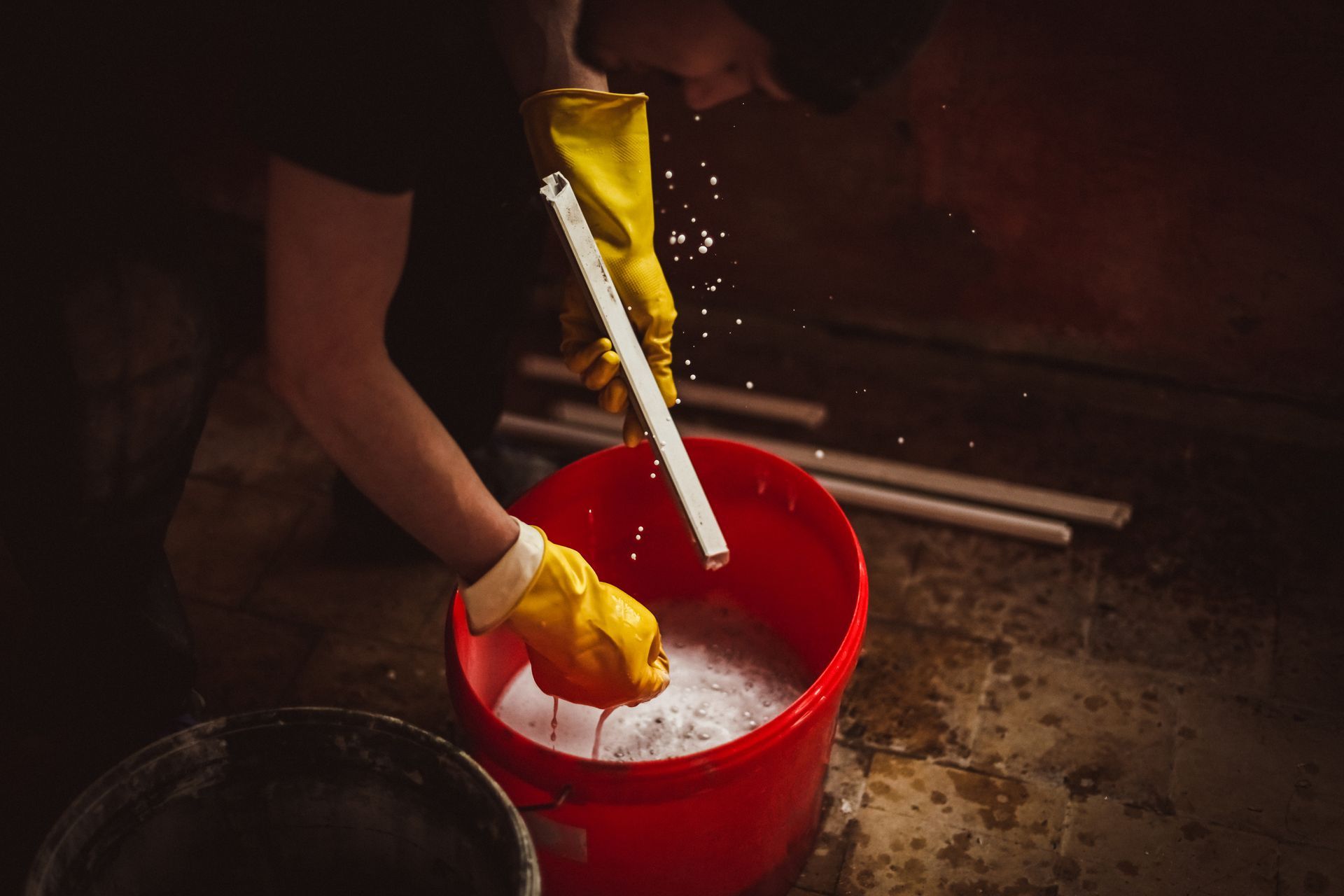
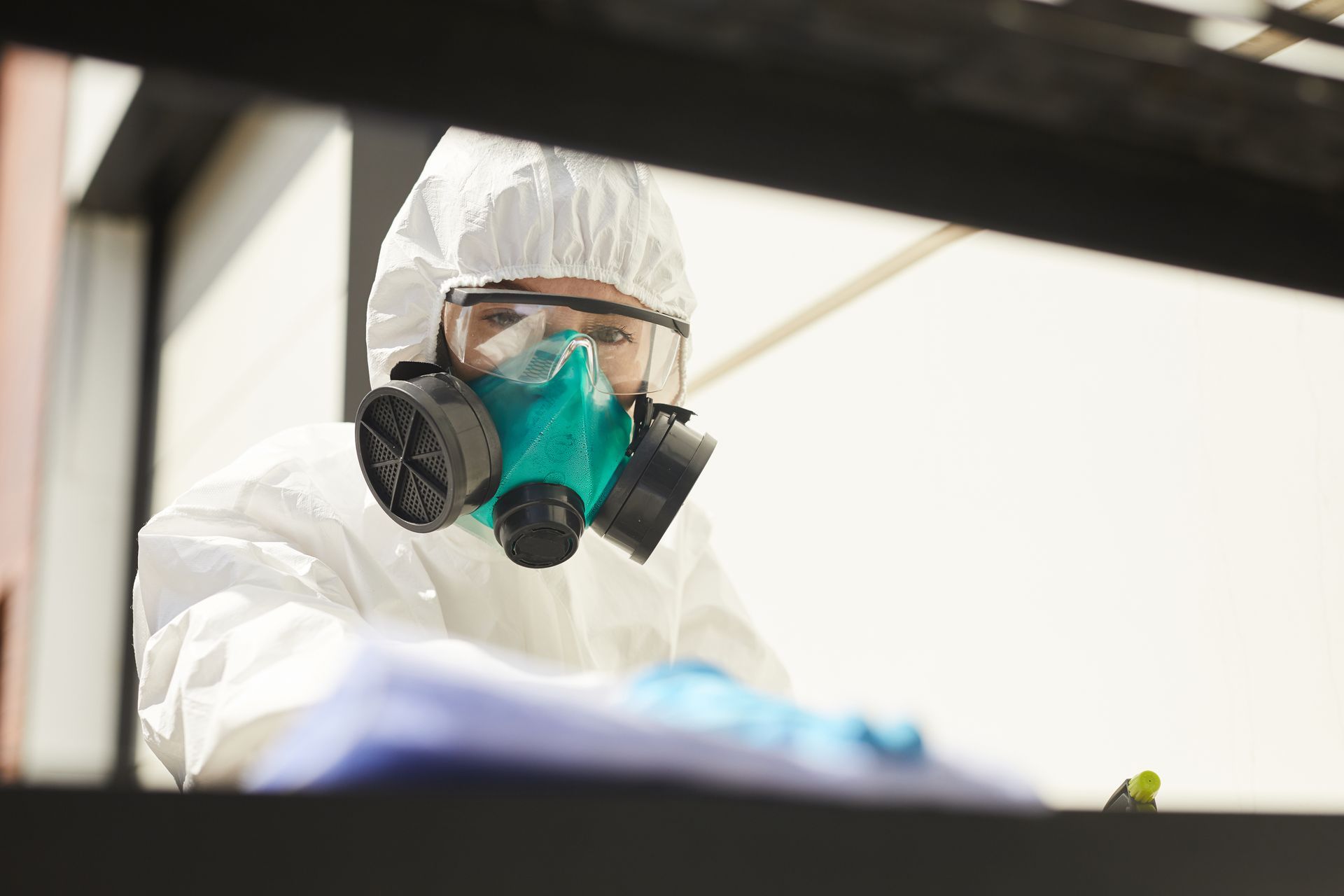
If you are doing any limited cleanup yourself, wear gloves, boots, and eye protection. The state also says to protect cuts and scrapes and wash hands after handling contaminated items. Other guidance also recommends a mask or respirator in some situations.
How to avoid direct contact with contaminated water
Do not touch raw sewage with bare hands. Avoid touching your face, eyes, or skin while working. Treat everything in the area as contaminated until it has been cleaned and disinfected.
Important safety warnings during cleanup
Never mix bleach with ammonia because it creates a dangerous gas. Also, do not use your HVAC system if wastewater got into the ducts. Those small mistakes can make the situation much worse.
How Sewage Backup Cleanup Works
Remove standing sewage and contaminated debris
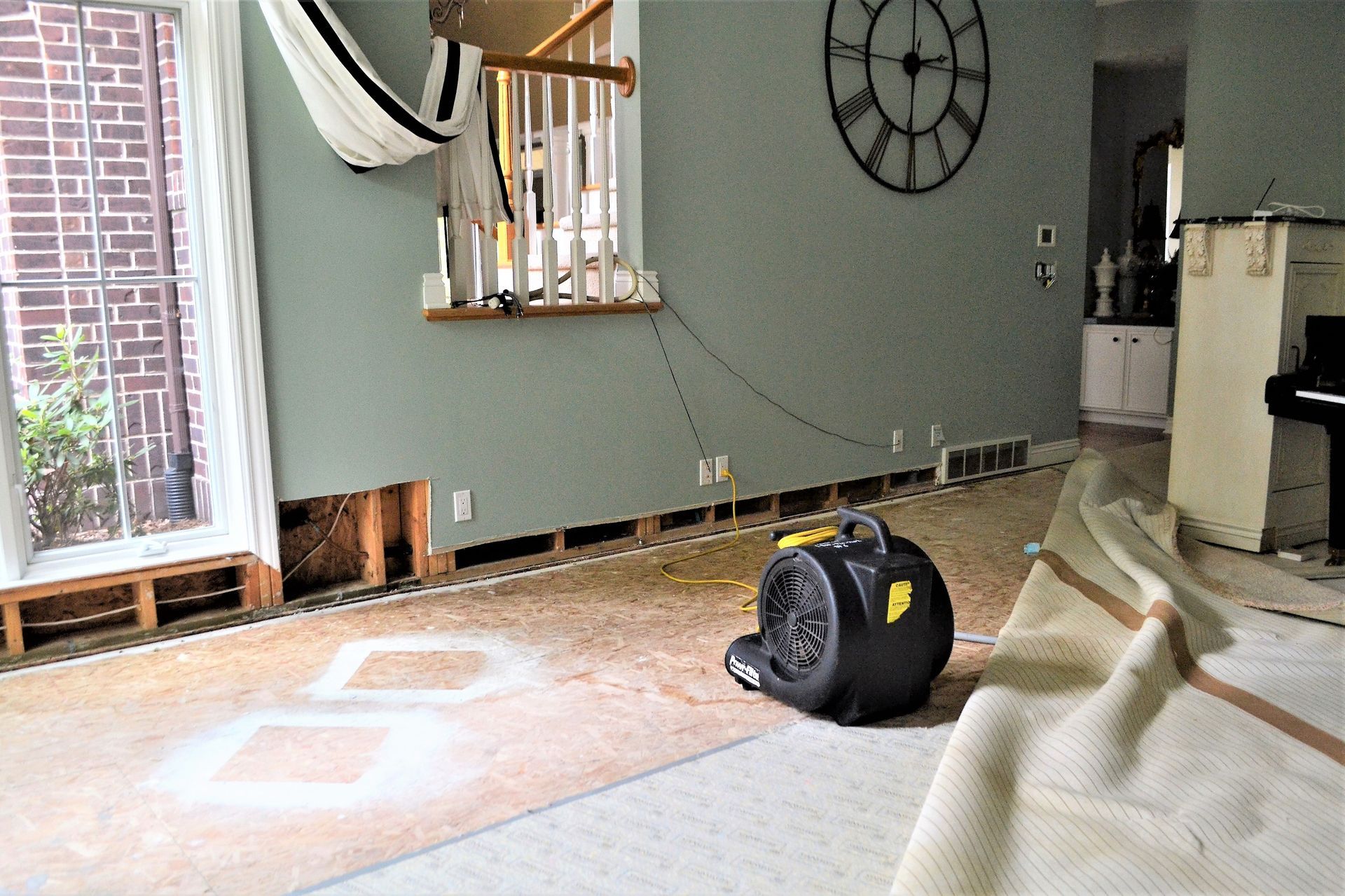
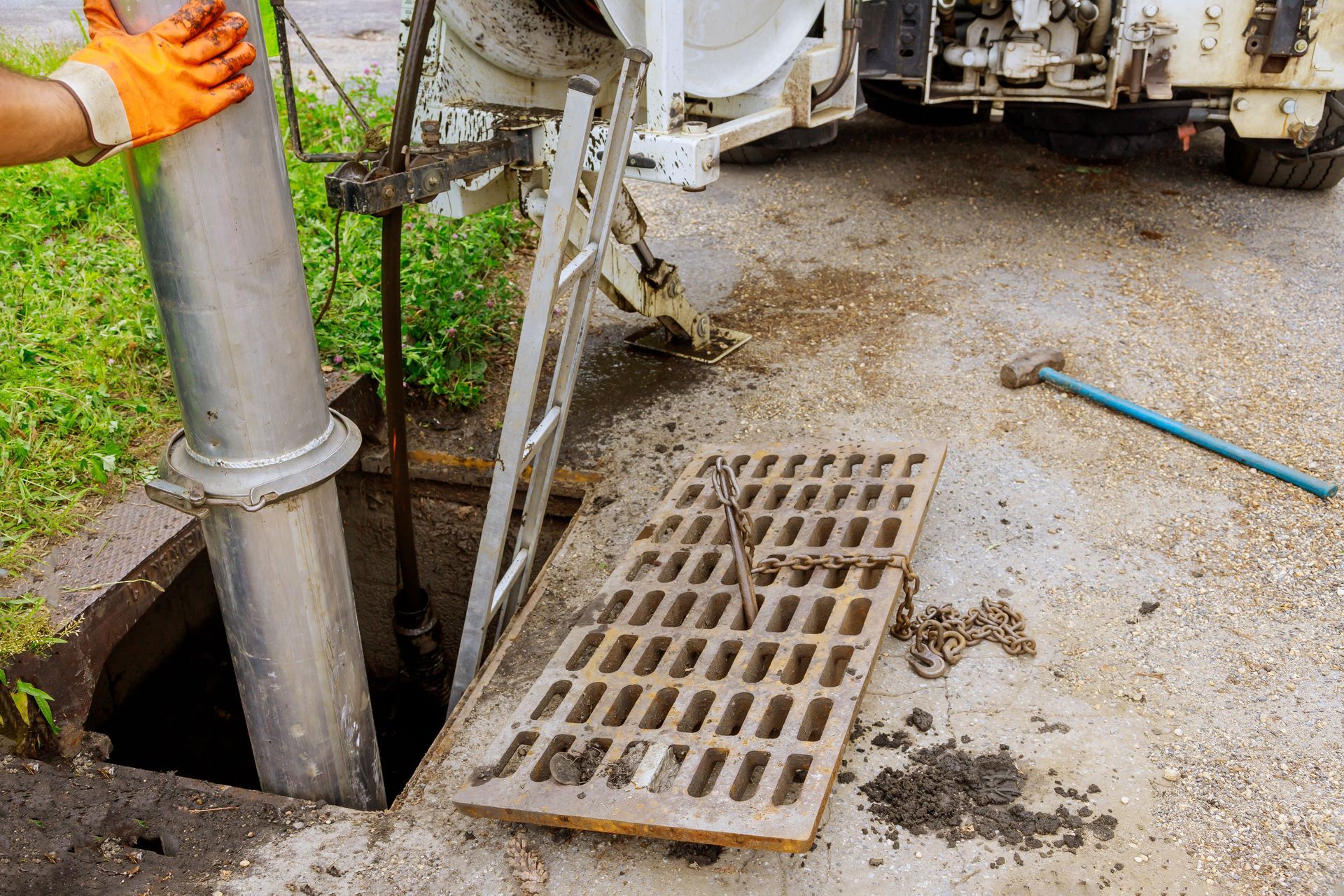
The first step is to remove standing water, solids, and debris. Pumps, wet vacs, and other extraction tools are often used depending on the size of the loss.
Dry the area as quickly as possible
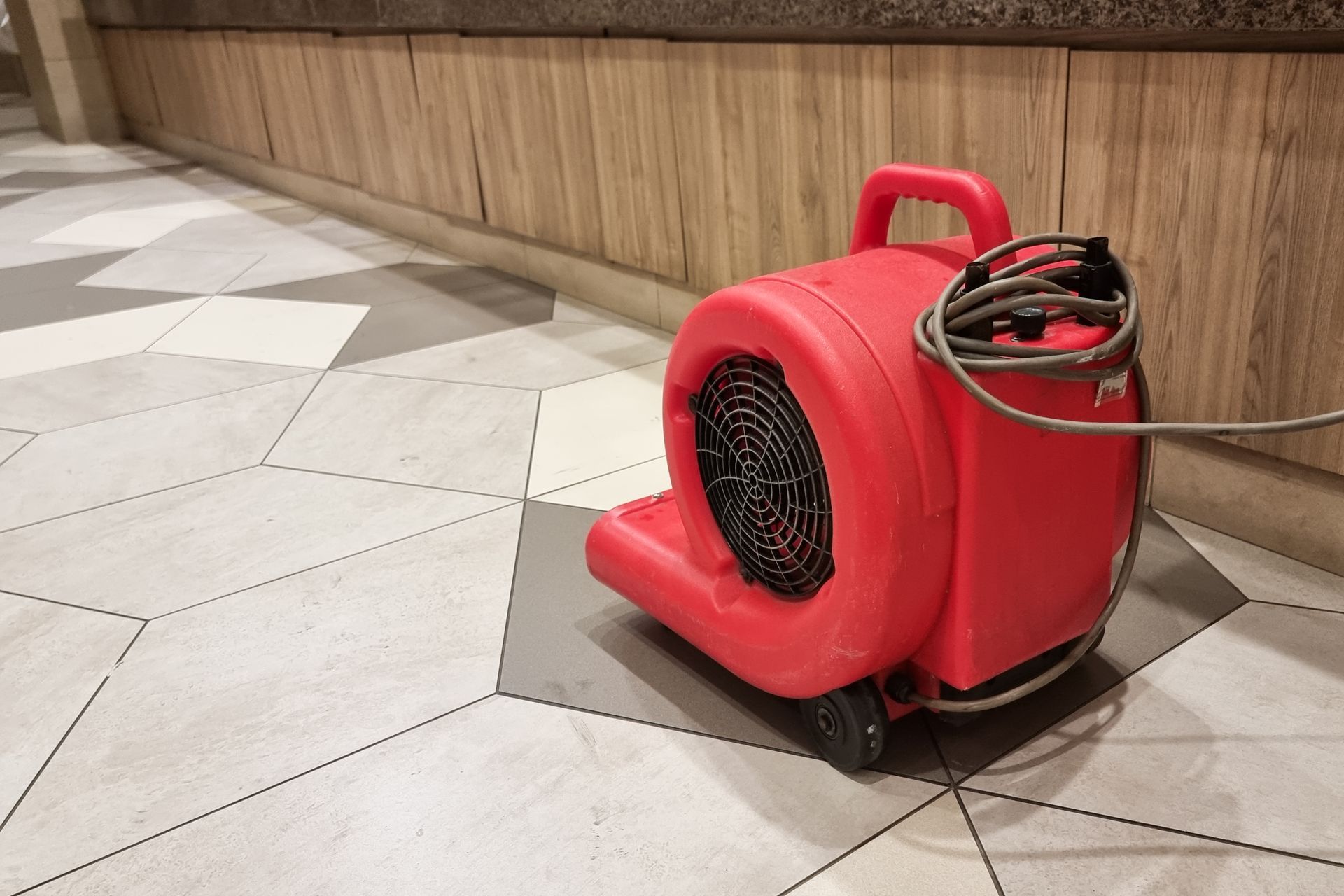
Once the sewage is removed, the space needs to be dried quickly. Dehumidifiers, ventilation, and air movement help reduce moisture and limit further damage.
Clean and disinfect all affected surfaces
Surfaces should first be cleaned to remove dirt and residue. After that, a disinfectant can be applied. The Connecticut fact sheet says a bleach solution of 1 part bleach to 9 parts water may be used on appropriate surfaces, with enough contact time to be effective.
Remove and discard porous materials that cannot be saved
Many porous items should be thrown away after contact with sewage. This often includes carpet, carpet pad, cardboard, mattresses, pillows, upholstered furniture, and unfinished wood items. Wallboard that shows a water line may also need to be cut out and replaced.
Deodorize and reduce the risk of mold growth
After cleaning and drying, the goal is to remove odors and make sure no hidden dampness remains. Complete drying is one of the best ways to reduce the chance of mold growth after a sewage loss.
What Items Usually Need To Be Thrown Away After a Sewage Backup
Porous materials that are rarely salvageable
As a rule, porous materials contaminated by sewage are hard to clean well enough to make them safe. That includes carpet, rugs, cardboard, books, magazines, upholstered items, mattresses, pillows, stuffed toys, food, cosmetics, and unfinished wood.
Items that may be cleaned or professionally restored
Some non-porous or less absorbent items may be saved if they can be fully cleaned and disinfected. Certain clothing may also be salvageable if it can be laundered properly. When in doubt, ask a restoration professional.
How to create a discard list for insurance purposes
Keep a simple room-by-room list. Include the item name, condition, and whether it was discarded or cleaned. Match the list to your photos. This makes the claim easier to understand and supports your loss documentation.
Insurance Tips for Sewage Backup Cleanup in CT
When to call your insurer
Call as soon as you know there is damage. Do not wait until all cleanup is done. Early reporting gives your carrier a chance to explain coverage, vendor options, and the documents they need.
What to photograph and document
Photograph standing sewage, damaged finishes, ruined contents, water lines on walls, and affected rooms before disposal when possible. Save receipts for emergency services and cleanup-related purchases.
Why keeping a damage inventory matters
A clear inventory can help support value, scope, and disposal decisions. It also gives your insurer a cleaner record of what happened and what was lost.
How contractor documentation can support your claim
Professional restoration documentation may include moisture readings, photos, notes on materials removed, and drying records. That kind of paperwork can help explain why certain items had to be discarded and what work was done.
How To Help Prevent Future Sewage Backups
Backwater valves and other protective upgrades
The Connecticut fact sheet recommends considering a check valve or shut-off valve on the building sewer, with approval from the proper sewer authority. This can help protect the home from some sewer surcharges.
Routine plumbing and sewer line maintenance
Regular inspections can help catch root intrusion, clogs, and worn lines before they cause a backup. This is especially important in older neighborhoods.
Basement and drainage prevention tips
Direct gutters and drains away from the foundation, make sure downspouts and sump pumps are not tied into the sanitary sewer, and seal cracks where water enters. Hard surface flooring in basements is often easier to clean after water events than carpet.
How to reduce repeat sewage damage in flood-prone areas
If backups happen more than once, take that as a warning sign. Raise valuables, address drainage issues, and speak with local officials or licensed professionals about long-term fixes. The state also notes the importance of flood insurance in flood-prone areas.
When To Call for Emergency Sewage Backup Cleanup in CT
Signs the damage is too extensive to handle alone
Call for emergency help when sewage affects a finished basement, large areas of flooring or drywall, HVAC ductwork, or multiple rooms. You should also call when strong odors remain, the backup has been sitting for many hours, or you are not sure what can be saved. If you are also weighing costs, our breakdown of flooded basement cleanup costs in CT can help you understand what to expect.
Situations that require immediate professional help
Immediate professional help is a smart move when black water is involved, when there are health concerns, when electrical hazards are present, or when the cleanup requires major removal, drying, and disinfection.
Why emergency response can limit long-term damage
Fast response can limit contamination, lower the amount of material that must be removed, reduce odor problems, and cut down the chance of mold growth and structural damage. In many cases, the sooner cleanup starts, the better the outcome.
Dealing With a Sewage Backup in CT? We're Ready 24/7.
Sewage backups move fast, and so do we. Incredible Restorations is IICRC certified, locally based in Connecticut, and available around the clock for emergency sewage cleanup. We handle the full process from extraction and disinfection to drying, material removal, and insurance documentation, so you don't have to manage it alone.
Contact Us Now, or call us directly for immediate assistance.
Frequently Asked Questions About Sewage Backup Cleanup in CT
Is sewage backup covered by homeowners insurance in Connecticut?
Standard homeowners insurance policies typically do not cover sewage backup unless you have added a specific sewer backup endorsement. It is worth reviewing your policy and calling your insurer as soon as damage occurs, since early notice is important regardless of coverage status.
How long does sewage backup cleanup take?
The timeline depends on the size of the loss and how deeply materials were affected. A minor backup in a small area may take a few days. A larger loss involving finished spaces, drywall removal, and extended drying can take a week or more. A professional restoration company can give you a more accurate estimate after assessing the damage.
Can sewage backup make you sick even after it is cleaned up?
If cleanup is incomplete, residual contamination, odors, or hidden moisture can continue to pose health risks. That is why thorough disinfection and complete drying are essential. If you notice persistent odors or feel unwell after cleanup is finished, consult a doctor and consider having the area re-inspected.
What is the difference between black water and gray water?
Gray water comes from sinks, showers, and washing machines and carries some contamination but is less hazardous. Black water includes sewage, toilet backflow, and floodwater from outside sources and is considered the most dangerous category because it may contain bacteria, viruses, and parasites. Most sewage backups qualify as black water and require professional handling.
Do I need a permit for sewage backup repairs in Connecticut?
It depends on the scope of work. If cleanup involves structural repairs, plumbing work, or significant material replacement, a permit may be required. Your restoration contractor or local building department can advise you on what is needed for your specific situation.