What Does Mold Smell Like? Early Warning Signs to Know
Mold smells musty, earthy, and stale, often compared to wet cardboard, damp soil, rotting wood, or an old basement. That distinctive odor comes from gases mold releases as it grows, which means if you can smell it, mold is actively growing somewhere nearby, even if you cannot see it. The smell is one of the earliest warning signs you get, often showing up before any visible mold appears, which makes recognizing it valuable for catching a problem early.
Incredible Restorations handles mold, water, and storm damage for homeowners across Hartford County and central Connecticut, and the musty-smell call is one of the most common ways a mold problem first comes to our attention. People notice the odor before they find the source. This guide explains exactly what mold smells like, why it produces that smell, where it tends to hide, and when the odor means it is time to bring in a professional.
In This Guide

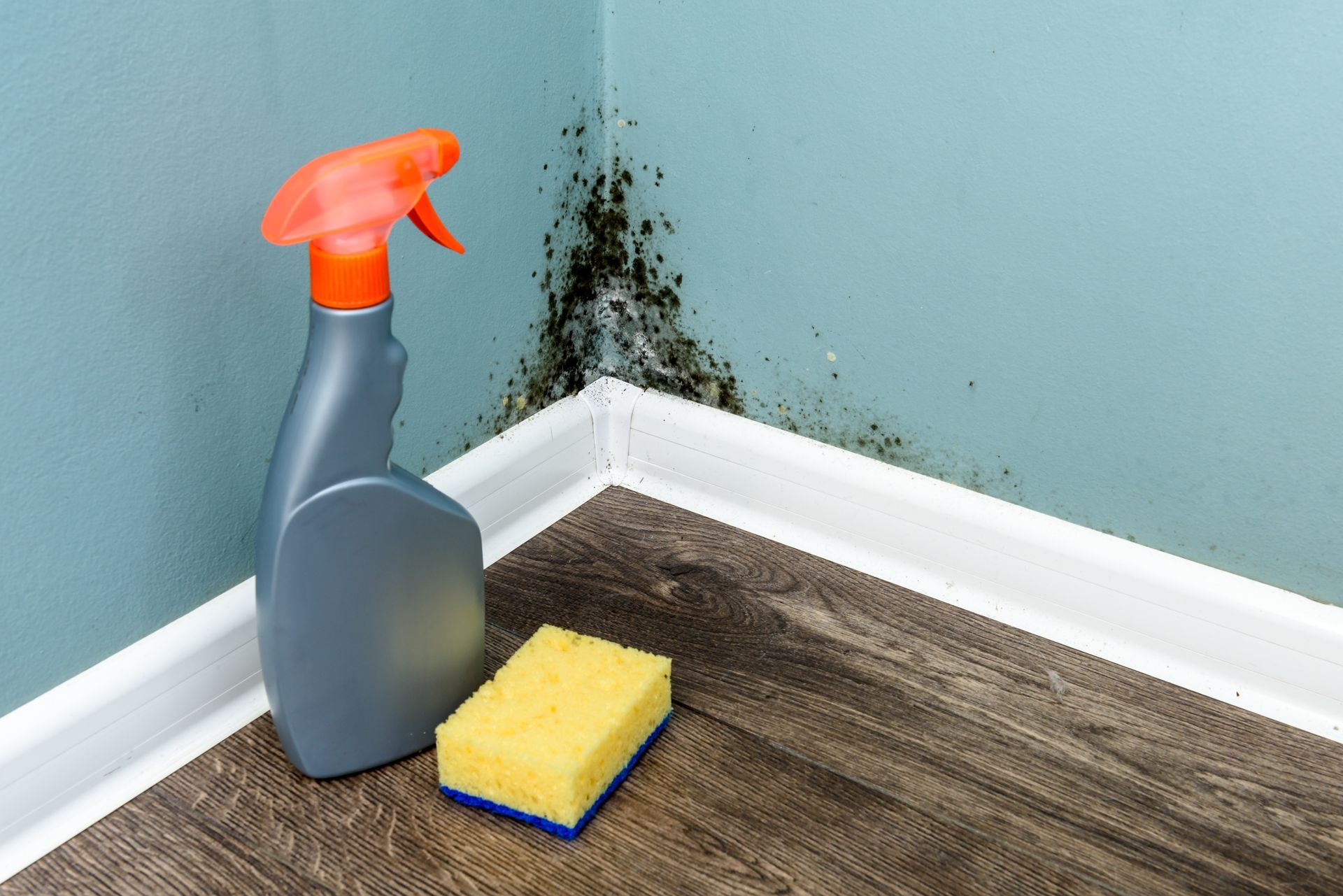
The Quick Answer
Here is what mold smells like and what that smell is telling you.
The Smell in a Nutshell
Mold smells musty, earthy, and damp, most often described as wet cardboard, rotting wood, damp soil, or a stale old basement. Some molds have a sharper or more pungent edge, but the core is that unmistakable musty odor.
What It Means
If you can smell mold, it is growing and active somewhere nearby. The odor is produced by the mold itself as it grows, so the smell is a direct sign of a live mold problem, not a leftover from something in the past.
Why It Matters
The smell often appears before visible mold, which makes it an early warning. Catching a mold problem when it is still just a smell usually means a smaller, cheaper fix than waiting until it spreads. Our
mold remediation service starts with finding the source of that odor.
What Mold Actually Smells Like
Putting words to the smell helps you recognize it with confidence. Most people describe mold using a few consistent comparisons.
The Common Descriptions
Mold is most often described as musty, the way an old book, a damp basement, or a long-closed cabin smells. Other common comparisons include earthy or soil-like, similar to wet dirt or a forest floor; damp or wet, like a wet towel left too long; and stale, like air that has not moved in a room that has been shut up. Some people describe a rotting or decaying edge, like old wet wood.
If you have ever opened a tent that was packed away damp, walked into an unfinished basement after a rainy stretch, or unpacked boxes from a humid storage unit, you already know the smell. It is one of those odors most people recognize instantly even if they struggle to describe it precisely. That instant "something smells damp and old here" reaction is usually your nose correctly identifying mold.
Variations in the Smell
Not all mold smells exactly the same. The odor can vary depending on the type of mold, how much is growing, the surface it is on, and how long it has been there. A small amount of new mold may be faintly musty, while a large, established colony can produce a strong, pungent, unmistakable smell that fills a room.
The Consistent Thread
Whatever the variation, the common thread is that damp, musty, earthy quality. If a smell makes you think "this smells like a basement" or "something in here smells damp and old," that is very often mold.
Why Mold Produces a Smell
Understanding where the smell comes from explains why it is such a reliable warning sign.
The Science of the Odor
The musty smell is caused by microbial volatile organic compounds, gases that mold releases as it grows and feeds on materials. These are natural byproducts of the mold's life cycle. As the mold grows, it continuously releases these gases into the air, which is what your nose picks up.
The Smell Means Active Growth
Because the odor is a byproduct of active growth, smelling it means the mold is alive and growing right now. This is different from, say, a stain that might be old and inactive. A musty smell indicates an ongoing, active mold problem that will continue and spread until the moisture feeding it is addressed.
Moisture Is Always Behind It
Mold cannot grow without moisture, so a persistent mold smell always points to a moisture source: a leak, high humidity, condensation, or water that got in and did not fully dry. Finding and fixing that moisture is the key to eliminating both the mold and the smell for good.
This is why simply cleaning visible mold or spraying an odor eliminator rarely solves the problem for long. If the moisture that fed the mold is still there, the mold returns and the smell comes back with it. Lasting removal always involves addressing the water source, not just the mold you can see or smell. In Connecticut, with humid summers and moisture-prone basements, that moisture control is an ongoing part of keeping mold away.
Why You Can Smell Mold Without Seeing It
One of the most useful things to understand is why the smell so often appears with no visible mold in sight.
The gases that create the smell travel easily through the air, drifting from wherever the mold is growing into the rooms where you spend time. The mold itself may be growing somewhere completely hidden, behind a wall, under flooring, inside the HVAC system, or in a crawl space, while the smell spreads well beyond that spot.
This is exactly why the smell is valuable. Hidden mold can grow for a long time before it becomes visible, but it starts producing that musty odor early. Your nose often detects the problem long before your eyes would. When you smell mold but cannot find it, the mold is not absent, it is concealed, and the smell is guiding you toward a problem that needs investigation. Our guide on
signs of hidden water damage covers the moisture side that often accompanies hidden mold.
Where the Smell Usually Comes From
When there is a musty smell but no visible mold, these are the places it typically originates. These are the first spots we check.
- Basements: The most common source in Connecticut homes, prone to dampness, humidity, and moisture from the surrounding soil.
- Bathrooms: Constant moisture and limited ventilation make them a frequent mold spot, often behind or under fixtures.
- Inside walls: From a slow plumbing leak or past water intrusion, where mold grows on the back of the drywall unseen.
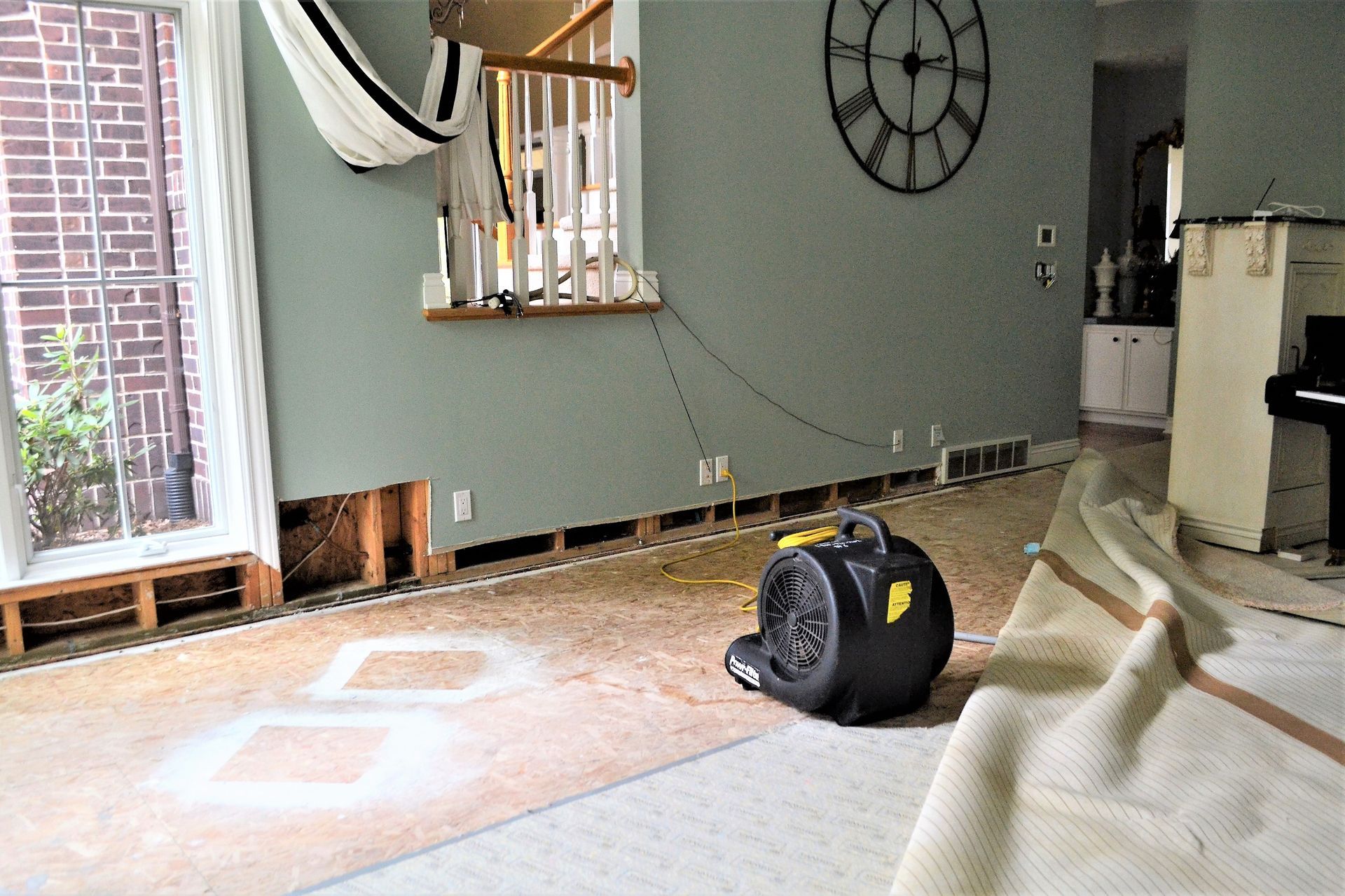
- Under flooring: Beneath carpet or other flooring after a spill, leak, or moisture from below.
- HVAC systems: Mold in the ducts or air handler spreads both the smell and spores throughout the house whenever the system runs.
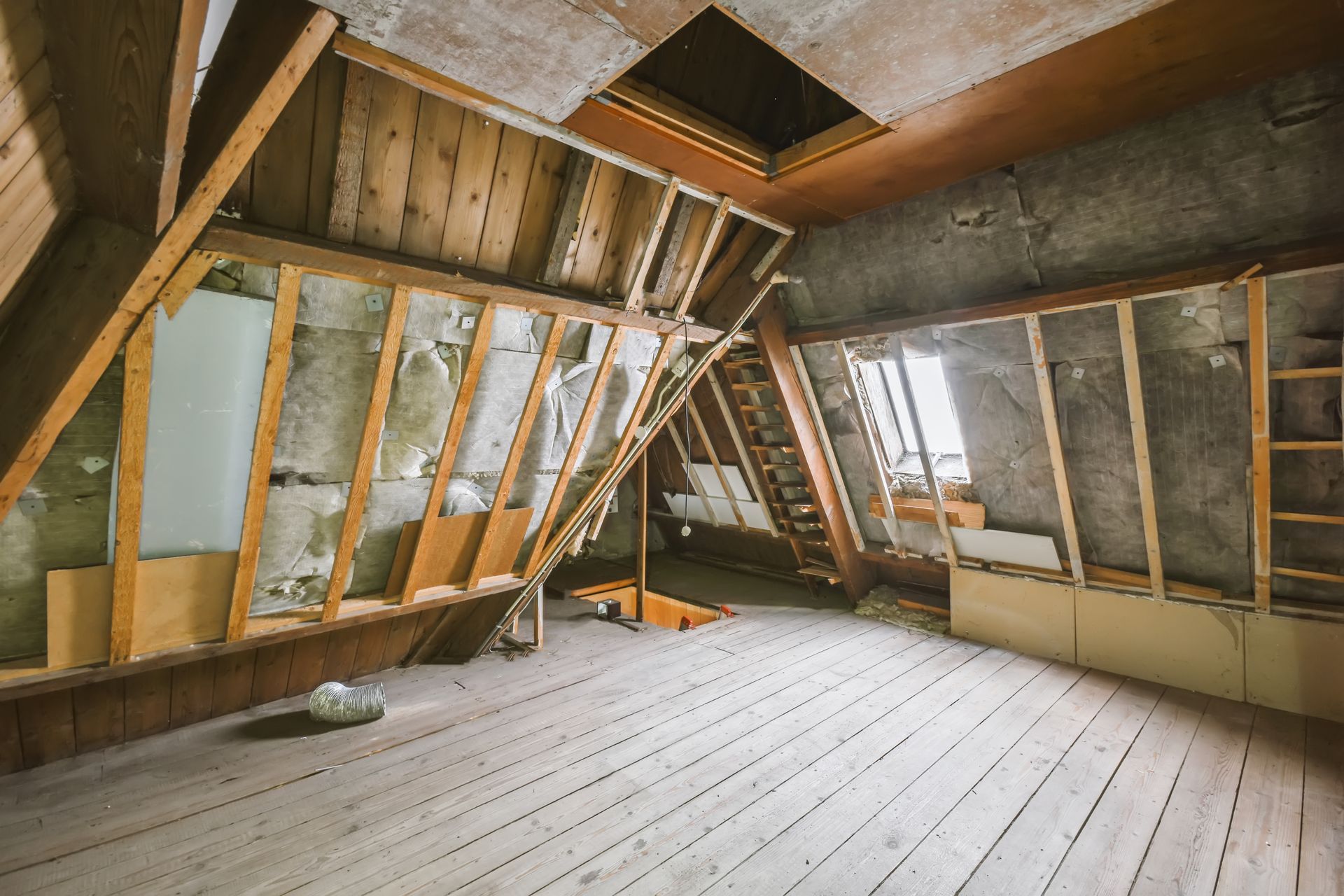
- Crawl spaces and attics: Damp, poorly ventilated spaces that breed mold, with the odor drifting into the living areas. Our attic mold guide covers the attic side.
- Around windows and doors: Where condensation and leaks let moisture collect.
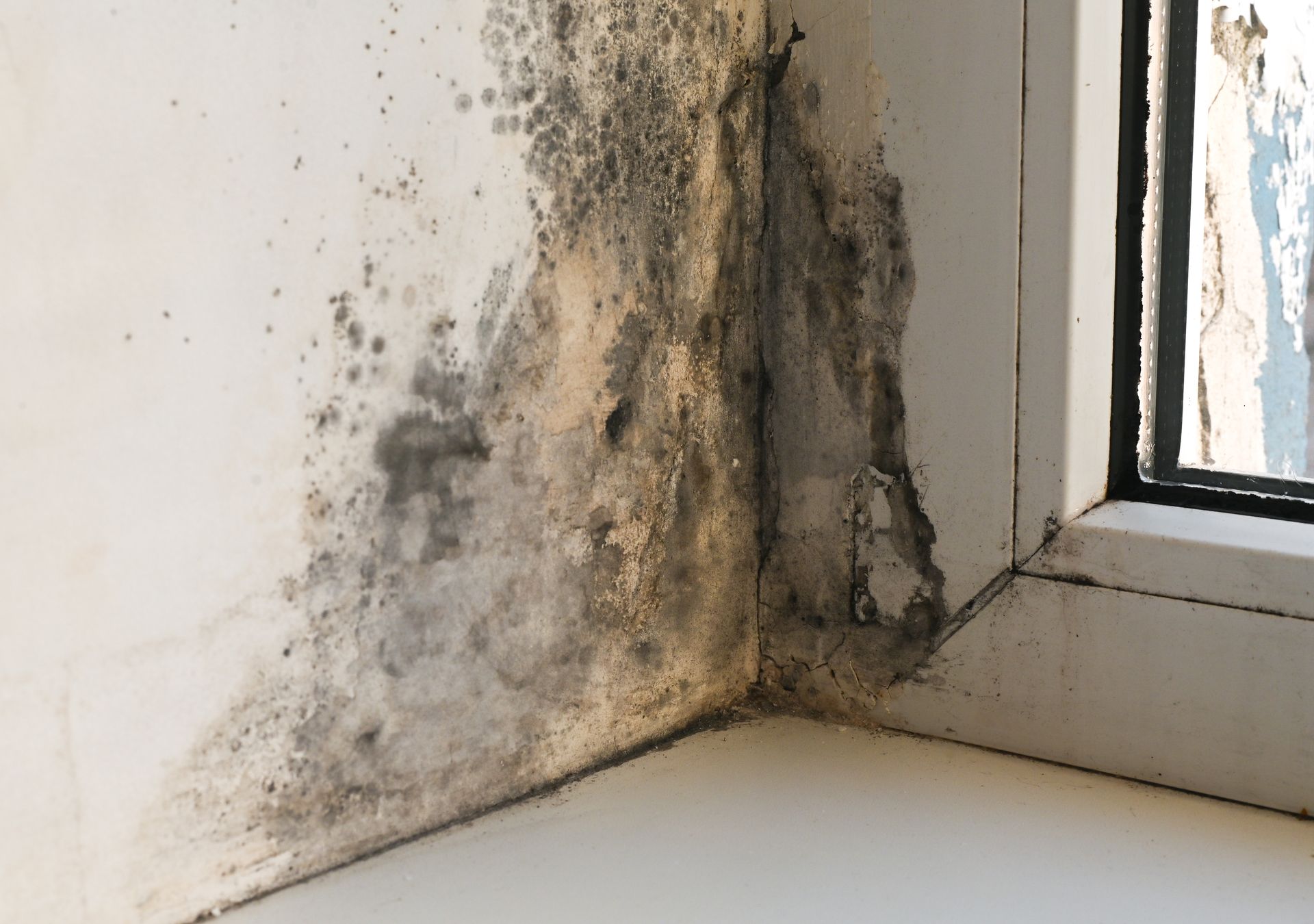

Mold Smell vs. Other Household Odors
Sometimes it helps to distinguish a mold smell from other odors a home can have. Here is how mold compares.
| Odor | How It Smells | Likely Source |
|---|---|---|
| Mold/mildew | Musty, earthy, damp, stale | Active mold growth and moisture |
| Sewage | Sharp, rotten-egg, sulfur | Plumbing or sewer issue |
| Gas leak | Rotten egg (added scent) | Natural gas leak (call for help) |
| Dead animal | Strong rotting, putrid | Animal in wall or crawl space |
| Stale/stuffy air | Flat, unmoving, not musty | Poor ventilation, no mold |
| Cigarette/smoke | Acrid, smoky | Past smoke, fire residue |
When It Is Hard to Tell
Mold and general stale air can be easy to confuse. The key difference is that mold has that distinct damp, earthy, musty quality, while stale air just smells flat and unmoving. If airing out a room clears the smell entirely, it may just be stagnant air. If the musty smell persists despite ventilation, mold is the more likely cause.
When the Smell Is Something More Urgent
If you smell a rotten-egg or sulfur odor, that can indicate a gas leak or a sewage problem, both of which need immediate attention rather than mold remediation. When in doubt about a sharp or chemical smell, treat it as urgent and get out and call for help.
Is the Smell Dangerous?
The smell itself is a warning sign, and what it points to can affect health, especially with prolonged exposure.
The musty odor indicates active mold, and mold can affect indoor air quality and health. Common reactions include nasal congestion, coughing, sneezing, eye and throat irritation, headaches, and worsened allergy or asthma symptoms. People with allergies, asthma, or weakened immune systems, along with children and older adults, tend to be more sensitive.
The gases responsible for the smell can themselves contribute to symptoms like headaches and irritation in some people. More importantly, the smell signals that mold is present and growing, and the longer it goes unaddressed, the more it spreads and the more spores it releases. Living with a persistent mold smell is not something to ignore or simply mask. Our overview of mold-related concerns is worth reading alongside our mold inspection vs. testing guide.
A useful signal to watch for is whether symptoms track with location. If someone in the home feels congested, headachy, or irritated at home and noticeably better after being away for a while, that pattern points toward something in the house affecting them, and hidden mold is a common culprit. Pairing that observation with a musty smell is a strong reason to have the home assessed rather than waiting to see if it clears on its own.
What to Do When You Smell Mold
If you notice a musty smell, a few steps help you respond well. Do not just cover it up with air fresheners, which hides the warning without fixing anything.
- Try to locate where it's strongest. Walk the house and note where the smell concentrates, which points toward the source.
- Check the likely spots. Look in the basement, under sinks, around windows, behind appliances, and anywhere there has been past moisture.
- Address any moisture you find. Fix leaks, run a dehumidifier in damp areas, and improve ventilation, since moisture is what feeds the mold.
- Do not disturb visible mold aggressively. Scrubbing large areas can release spores. Small surface spots on hard surfaces can be cleaned, but larger growth needs professional handling.
- Avoid masking the smell. Air fresheners and candles hide the odor temporarily while the mold keeps growing. The smell is information worth acting on.
If the smell persists after you have addressed obvious moisture, or if you cannot find the source, the mold is likely hidden and needs a professional assessment.
When to Call a Professional
Some situations call for professional help rather than continued searching or DIY cleaning.
You Cannot Find the Source
If you clearly smell mold but cannot locate it, the growth is hidden, inside a wall, under flooring, or in the HVAC system. Professionals can find hidden mold without tearing your home apart guessing.
The Smell Keeps Returning
If you clean and dehumidify but the musty smell comes back, there is an ongoing moisture source feeding continued growth. That underlying problem needs to be found and fixed.
There Is Visible Mold Beyond a Small Spot
Large areas of mold, or mold on porous materials like drywall and insulation, should be handled professionally to remove it safely and completely without spreading spores.
After Water Damage
If the smell follows a leak, flood, or other water event, mold has likely taken hold in materials that got wet. Our
water damage restoration work addresses both the moisture and the resulting mold.
Get the Source Found in Connecticut
A musty, earthy smell is one of the clearest early signals a home gives you that mold is growing. Recognizing it and acting on it early, rather than masking it, is what keeps a small problem from becoming a large, expensive one. The smell is doing you a favor by warning you.
Incredible Restorations provides mold remediation and water damage restoration across Hartford County and central Connecticut. We locate the source of the odor, address the moisture behind it, and remove the mold safely and completely.
Contact us to schedule an assessment, or learn more about our
mold remediation services and how we track down hidden problems.
Frequently Asked Questions
What does mold smell like?
Mold smells musty, earthy, and damp, most often described as wet cardboard, rotting wood, damp soil, or a stale old basement. Some molds have a sharper or more pungent edge, but the core is that unmistakable musty odor. If a smell makes you think of a damp basement or old, wet materials, it is very often mold.
Can you smell mold before you see it?
Yes, and this is common. Mold produces its musty odor as it grows, and the gases responsible travel through the air well beyond the actual growth. Hidden mold behind walls, under floors, or in HVAC systems can produce a strong smell long before any visible mold appears, which makes the smell an early warning sign.
Does a musty smell always mean mold?
Almost always it indicates mold or mildew, since both produce that characteristic odor and both need moisture. Occasionally a musty smell comes from damp materials or stagnant air without significant mold, but a persistent musty odor that does not clear with ventilation should be treated as a sign of a mold and moisture problem worth investigating.
Is the smell of mold harmful?
The smell signals active mold, which can affect indoor air quality and cause symptoms like congestion, coughing, eye and throat irritation, headaches, and worsened allergies or asthma, especially with prolonged exposure or in sensitive people. The gases behind the smell can contribute to symptoms too. It is a sign worth acting on rather than ignoring.
How do I get rid of a mold smell in my house?
Masking it with air fresheners does not work because the mold keeps producing the odor. The real fix is finding and eliminating the moisture source, removing the mold, and controlling humidity. For hidden or persistent smells, a professional can locate the source and remediate it safely, which is the reliable way to eliminate the smell for good.