How Long Does Water Damage Take to Dry? Timeline Homeowners Should Expect
After helping hundreds of homeowners deal with flooded basements, burst pipes, and storm damage, one question always comes up first: "How long until everything is dry?" The honest answer is that most water damage takes about 3 to 5 days to dry completely, but the full timeline depends on what got wet, how much water was involved, and how fast the water damage restoration process started. We've worked through every type of water damage situation you can imagine, from quiet slow leaks behind a wall to full basement floods after a storm. We know that getting clear, straight answers matters when your home feels turned upside down and you are trying to figure out what comes next. This guide walks you through what to really expect, based on what we see in the field every day, so you can plan with confidence and avoid the common mistakes that turn small problems into big ones.
Why Water Damage Drying Time Matters
Drying time is not just about comfort or getting your home back to normal. The longer water sits in your home, the more damage it causes. Knowing the timeline helps you plan, make smart choices, and protect your home from bigger problems later.
The Risks of Leaving Moisture Behind
Hidden moisture is one of the biggest threats after water damage. When walls, floors, or insulation stay damp, they slowly break down. Wood swells, drywall softens, and metal can rust. Even a small amount of trapped water can cause issues months down the road, including unexpected repair costs and lower home value. That is why moisture detection equipment is so important during the drying process. Tools like infrared cameras and moisture meters find water you cannot see with the naked eye, which keeps small problems from turning into major repairs.
Why Fast Drying Helps Prevent Mold and Structural Damage
Mold can start growing in as little as 24 to 48 hours after water exposure. Once it takes hold, it spreads fast and can affect your air quality and health, often requiring professional mold remediation to fully resolve. Fast drying also stops wood from warping, prevents drywall from crumbling, and keeps your home's structure strong. The quicker the drying starts, the less you have to repair or replace later. In our experience, homes where drying begins within the first 24 hours often need only minor repairs, while homes that wait longer often face major rebuilds.
What Homeowners Should Expect During the Drying Process
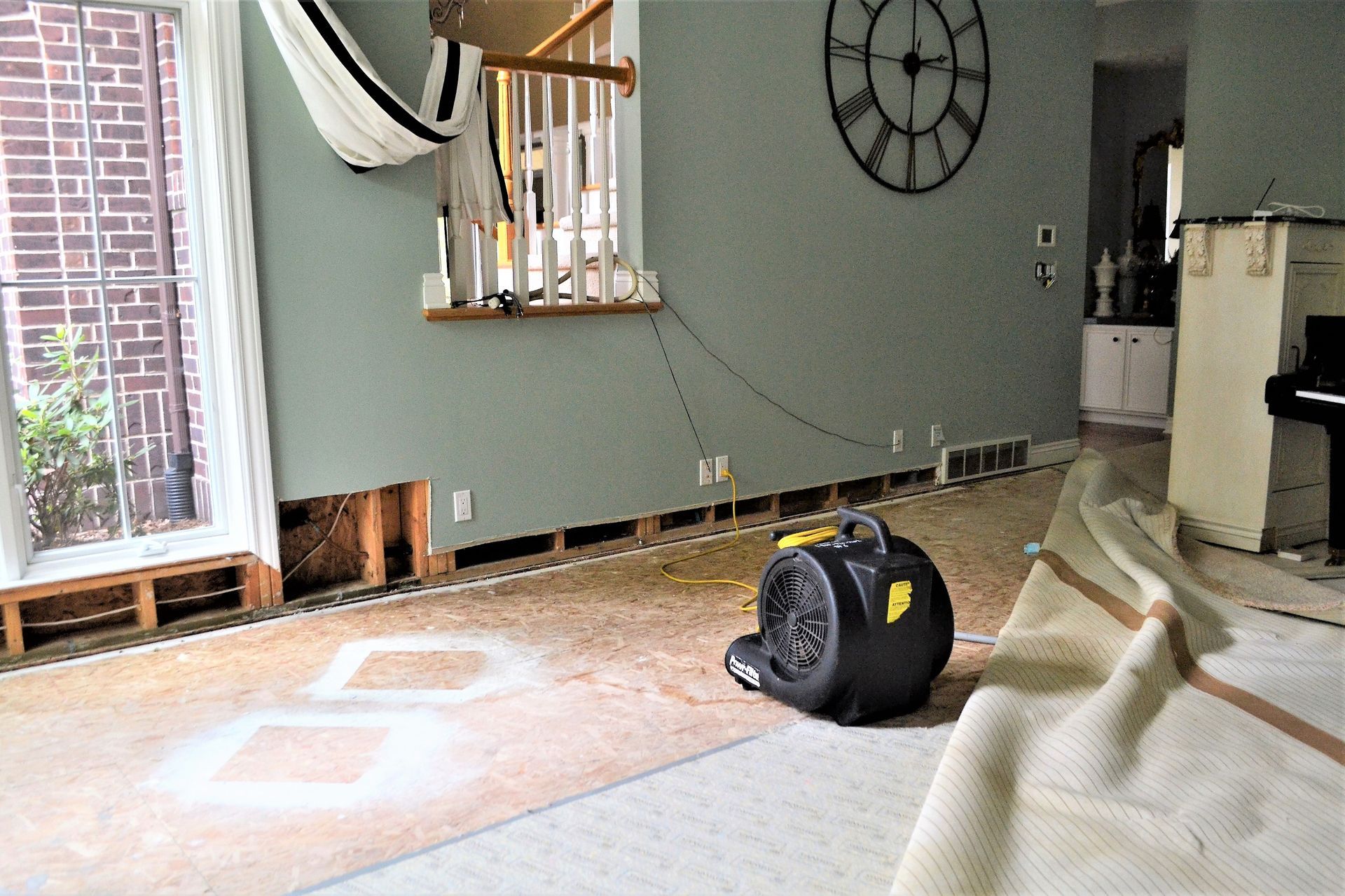
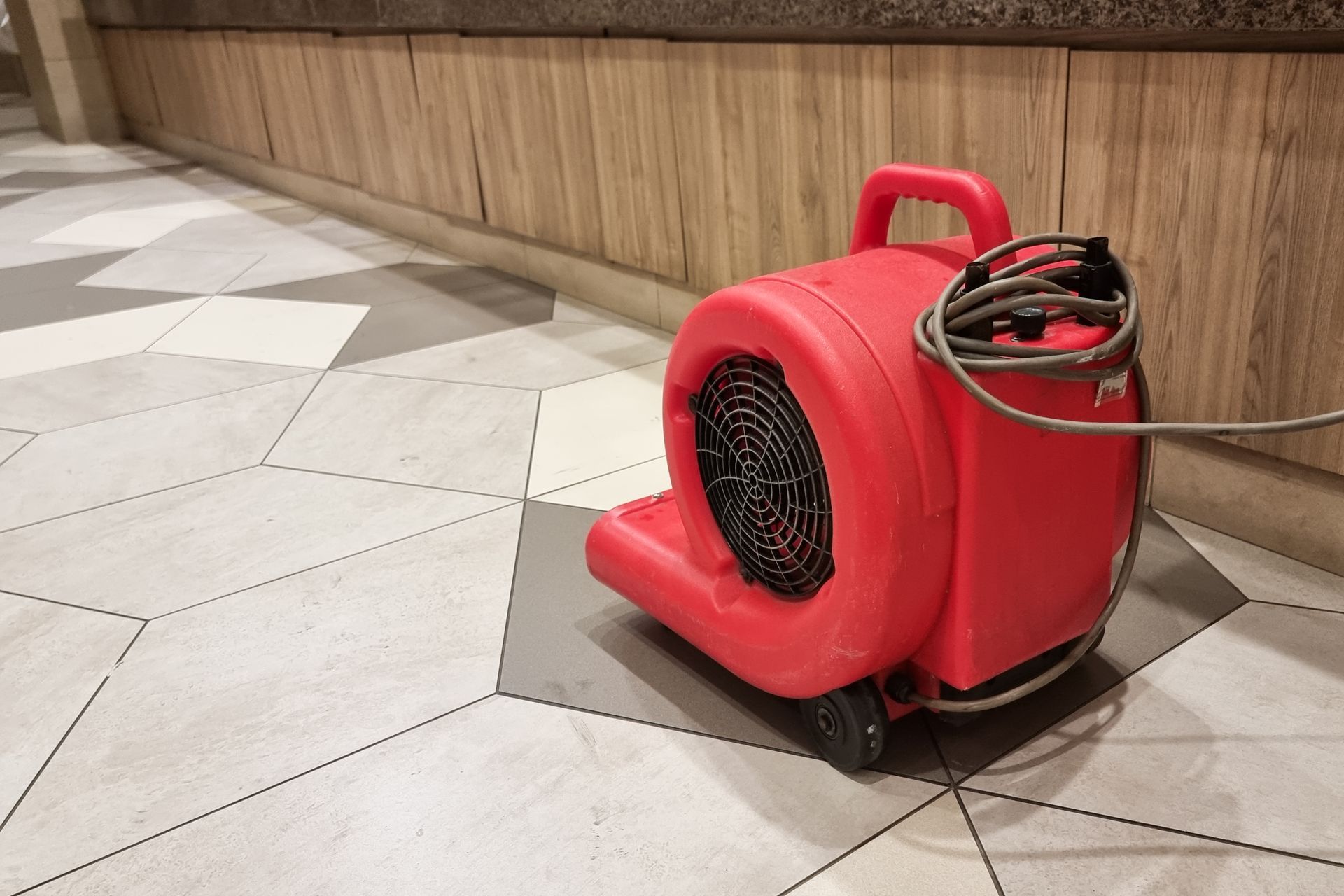
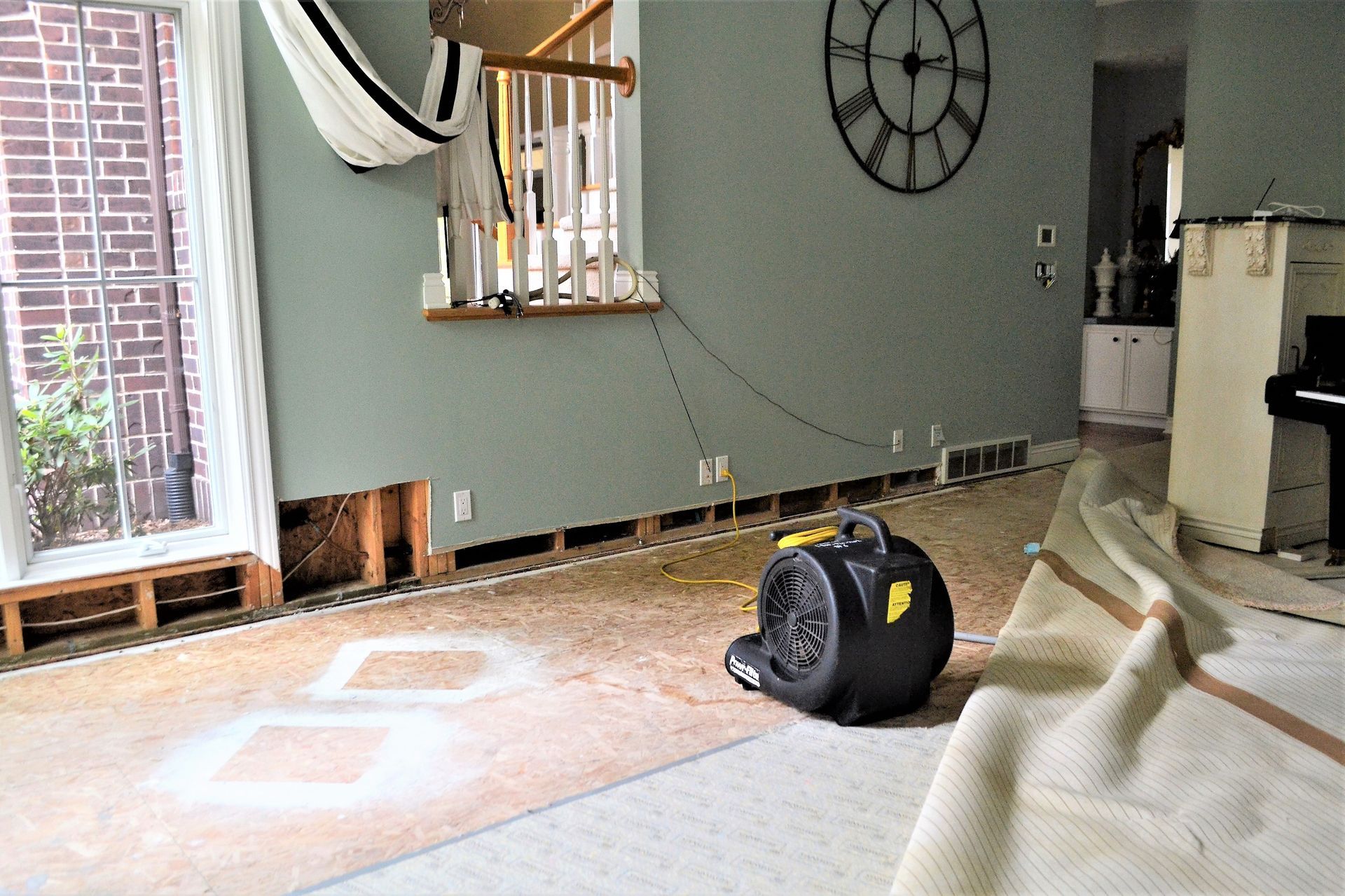
The drying process is loud, takes up space, and can feel like an interruption to daily life. Industrial air movers and dehumidifiers run around the clock. You will hear them, feel the warm air, and notice your home's humidity drop. This is normal and means the equipment is doing its job. Most homeowners can stay in their home during drying, but in serious cases, you may need to relocate for a few days.
Average Water Damage Drying Timeline
Every situation is different, but there are general timelines you can expect based on how bad the damage is.
Typical Drying Time for Minor Water Damage
For small leaks or spills that affect a single room, drying usually takes about 24 to 72 hours. This includes things like a small pipe leak under a sink, a slow toilet overflow caught early, or a small appliance leak from a dishwasher or refrigerator line. With proper airflow and dehumidifiers, these jobs go quickly and rarely require major repairs afterward.
Drying Timelines for Moderate to Severe Flooding
Moderate to severe flooding usually takes 3 to 7 days to dry. This includes basement flooding, larger pipe bursts, or storm damage that affects multiple rooms. The more water involved and the more materials soaked, the longer it takes. These jobs usually need several pieces of professional drying equipment running together to keep the timeline on track.
When Water Damage Restoration Can Take Longer Than Expected
Some situations take much longer, sometimes 2 weeks or more. Severe flooding, water that sat for days before being noticed, or damage involving black water from sewage often falls into this category. Hardwood floors and dense materials like plaster also extend the drying timeline. Homes with poor ventilation, finished basements, or multiple wet floors typically fall on the longer end of the range.
What Affects How Long Water Damage Takes to Dry?
No two water damage jobs are exactly alike. Several factors play a role in how long drying takes.
Amount of Water Involved
A few gallons from a small leak dries much faster than hundreds of gallons from a flood. The more water present, the more time and equipment are needed to remove it.
Type of Water Damage
Water damage is sorted into three categories based on how clean or contaminated the water is. The category affects both safety and how long the cleanup takes.
Clean Water
Clean water comes from sources like broken supply lines, rainwater, or overflowing sinks. Since it does not contain harmful contaminants, drying focuses mostly on moisture removal. This type usually takes the least time and rarely requires replacing materials, as long as drying starts quickly. If you are dealing with a burst pipe in your Connecticut home, this is the category you are most likely facing.
Gray Water
Gray water comes from appliances like washing machines, dishwashers, or toilet overflows without solid waste. It contains some contaminants, so it requires extra cleaning along with drying. This adds time to the process and sometimes requires removing porous materials that cannot be fully sanitized.
Black Water
Black water includes sewage backups, river flooding, or any water with harmful bacteria. This type requires full sanitization, often replacing porous materials, and protective gear during cleanup. Black water jobs take the longest to handle safely and should never be addressed without professional help due to the health risks involved.
Type of Materials Affected
Different materials hold water in different ways. Some dry in a day, others can take weeks. Here is a quick look at how common materials compare:
| Material | Average Drying Time | Often Needs Replacement? |
|---|---|---|
| Carpet (top layer only) | 12 to 24 hours | No |
| Carpet padding | Does not fully dry in place | Yes |
| Drywall | 3 to 5 days | If soaked through |
| Insulation | Rarely dries fully | Yes |
| Subfloor (plywood/particle board) | 1 week or more | Sometimes |
| Hardwood floors | 2 to 3 weeks | Sometimes |
| Concrete (basements) | 1 to 2 weeks | No |
Drywall
Drywall absorbs water quickly and can take 3 to 5 days to dry if not removed. If it is soaked through, replacement is often faster and safer than trying to dry it. Restoration teams sometimes cut a small section, called a flood cut, to allow air to reach wet insulation behind the wall.
Hardwood Floors
Hardwood floors are dense and slow to release moisture. They can take 2 to 3 weeks to fully dry, and even then, some boards may need refinishing or replacement. Cupping and crowning are common after water damage, and these issues sometimes only show up weeks later as the wood adjusts.
Carpet and Padding
Carpet itself can dry in 12 to 24 hours, but the padding underneath holds water longer. In most cases, soaked padding needs to be removed and replaced. Trying to dry padding in place often leads to mold growth and a musty smell that lingers for months.
Insulation and Subfloors
Wet insulation rarely dries well and is usually pulled out and replaced. Subfloors made of plywood or particle board can take a week or more to dry and may swell or warp during the process. In severe cases, sections of the subfloor have to be cut out and rebuilt before new flooring can go down.
Temperature, Humidity, and Airflow Conditions
Warm, dry air with good circulation speeds up drying. Cold, damp conditions slow it down. That is why restoration crews use heaters, dehumidifiers, and industrial air movers to control the environment inside your home.
How Quickly Water Removal Begins
The single biggest factor in drying time is how fast water extraction starts. Every hour matters. Water removed within the first 24 hours leads to a much shorter overall timeline than water that sits for 2 or 3 days.
The Professional Water Damage Drying Process
Professional restoration follows a clear, step-by-step process designed to remove water fast and dry materials safely.
Emergency Water Extraction
The first step is removing standing water using truck-mounted pumps and wet vacuums. This is the most urgent part of the job and usually happens within hours of the call. Faster water extraction means less material absorbs moisture, which directly shortens the drying timeline that follows.
Moisture Inspection and Damage Assessment
Once the water is out, technicians use moisture meters and thermal imaging cameras to find hidden moisture in walls, ceilings, and floors. This is called moisture mapping. It helps the team know exactly where to focus drying efforts.
Setting Up Air Movers and Dehumidifiers
Industrial air movers push air across wet surfaces to speed up evaporation. Dehumidifiers pull that moisture out of the air and collect it for removal. The number of units needed depends on the size of the space and how much water is involved. A typical setup runs 24 hours a day until drying is complete. For an average-sized basement, a crew might use 6 to 10 air movers and 2 to 3 commercial dehumidifiers running together.
Daily Moisture Monitoring
Restoration teams check moisture levels every day. They track readings on walls, floors, and structural materials to see how drying is going. This is how they know when a space is truly dry, not just dry on the surface.
Final Drying Verification
Before the equipment is removed, a final inspection confirms that every affected area meets safe moisture levels. This step protects against hidden problems and confirms the home is ready for repairs. Most professional companies provide a final report with moisture readings, which is helpful documentation for insurance claims and future reference.
Signs Your Home Is Still Not Fully Dry
Even after the equipment is gone, you should know what to watch for. The most common warning signs that moisture is still hiding somewhere include:
- A musty or stale smell that does not go away
- Walls that feel cool, damp, or soft to the touch
- Floors that are warped, buckled, or springy
- Paint or wallpaper that bubbles, peels, or cracks
- Indoor humidity that feels higher than the rest of the house
- Visible mold spots, even small ones
Each of these signs is worth a closer look. Below is what they usually mean.
Persistent Musty Odors
A musty smell almost always means moisture is still trapped somewhere. Even if everything looks dry, the smell tells a different story.
Warped Floors or Bubbling Paint
Wood floors that buckle or paint that bubbles are signs that moisture is still affecting the materials underneath.
Damp Walls or Soft Drywall
If walls feel cool, damp, or soft to the touch, moisture is still present. Drywall in this state can also start to sag or crack.
Increased Indoor Humidity
If your home feels more humid than usual, there may be hidden moisture releasing into the air. A simple humidity meter can help you check.
Visible Mold Growth
Spots of mold on walls, ceilings, or baseboards are a clear sign that moisture stuck around long enough to cause a bigger problem.
How Long Different Areas of a Home Take to Dry
Different parts of your home dry at different rates. Here is a breakdown of what to expect.
Drying Water Damaged Walls and Ceilings
Walls and ceilings usually take 3 to 5 days to dry. If insulation is wet behind them, drywall may need to be cut out to let moisture escape and prevent mold.
Drying Hardwood Floors
Hardwood floors are one of the slowest materials to dry. Expect 2 to 3 weeks, and sometimes longer. Specialized drying mats can help speed up the process.
Drying Carpet and Padding
Carpet usually dries within a day. The padding underneath, however, often needs to be replaced because it holds water for too long.
Basement Flood Drying Timelines
Basements take longer than other areas because they are below ground and tend to stay humid. Expect 5 to 7 days for full drying, sometimes more if concrete is involved. Concrete looks dry on the surface long before it actually is, which is why moisture meters are critical for confirming a basement is truly ready for repairs. For homeowners trying to plan ahead, our guide to flooded basement cost in CT breaks down what to expect for pricing, timing, and insurance.
Drying Cabinets and Built-In Structures
Cabinets and built-ins are tricky. Water gets trapped behind them, in joints, and in the wood itself. Drying can take a week or more, and some pieces may need to be removed for proper drying.
Can You Speed Up the Water Damage Drying Process?
There are some steps you can take to help things along, especially in the first few hours after damage happens.
Improving Air Circulation Indoors
Open windows if the weather is dry, and use fans to move air across wet surfaces. Better airflow speeds up evaporation.
Using Fans and Dehumidifiers
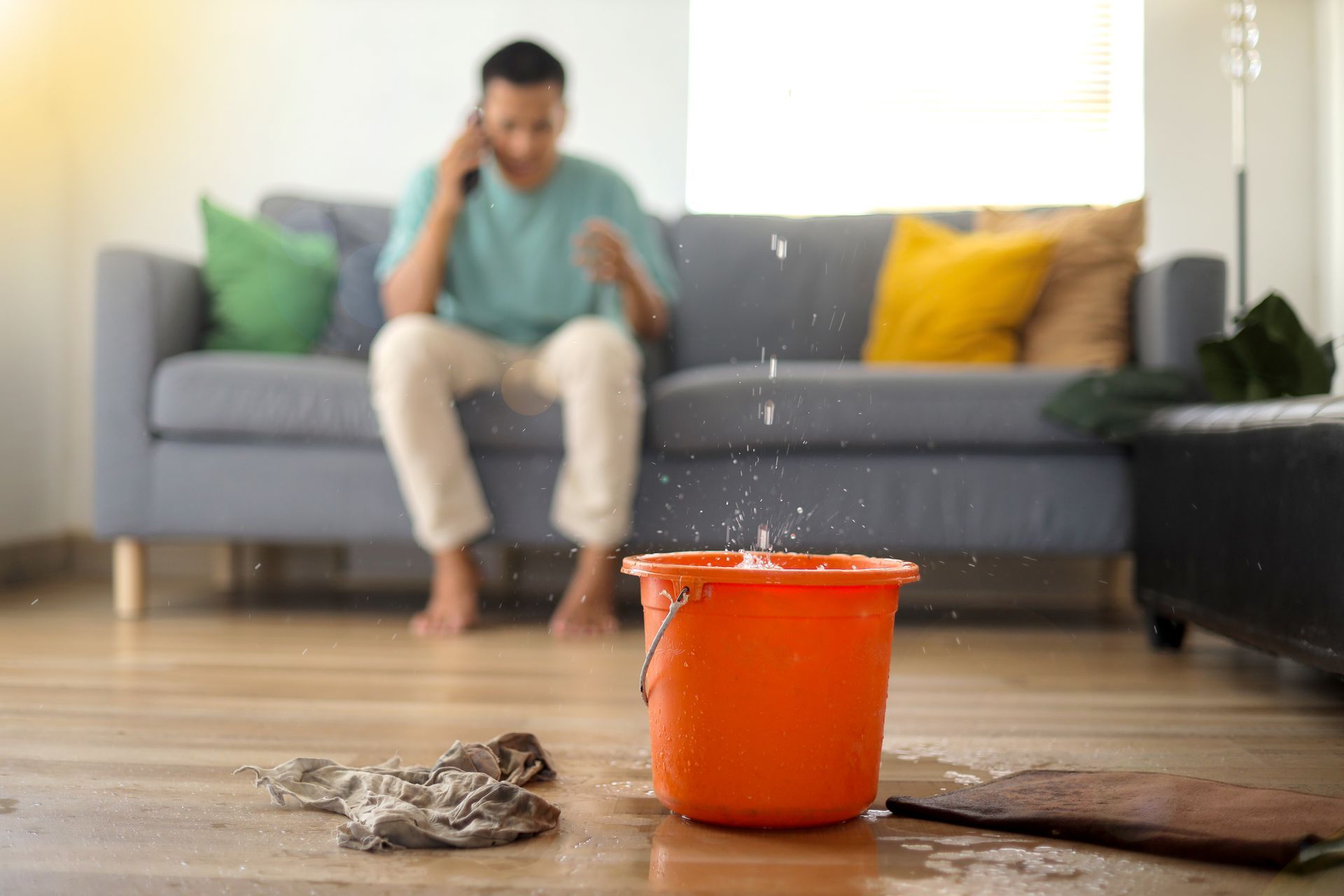
Household fans and a portable dehumidifier can help with small spills, but they are not strong enough for major water damage. They can still buy time before professionals arrive.
Removing Unsalvageable Materials Quickly
Soaked carpet padding, ruined insulation, and waterlogged drywall hold moisture in your home. Removing them quickly helps the rest of the space dry faster.
Why Professional Drying Equipment Makes a Difference
Industrial air movers and commercial-grade dehumidifiers move far more air and pull far more moisture than anything you can buy at a hardware store. This is the main reason professional drying is so much faster and more thorough than DIY.
When to Call a Professional Water Damage Restoration Company
Some water damage can be handled on your own. Other situations need expert help right away.
Signs the Damage Is Too Severe for DIY Drying
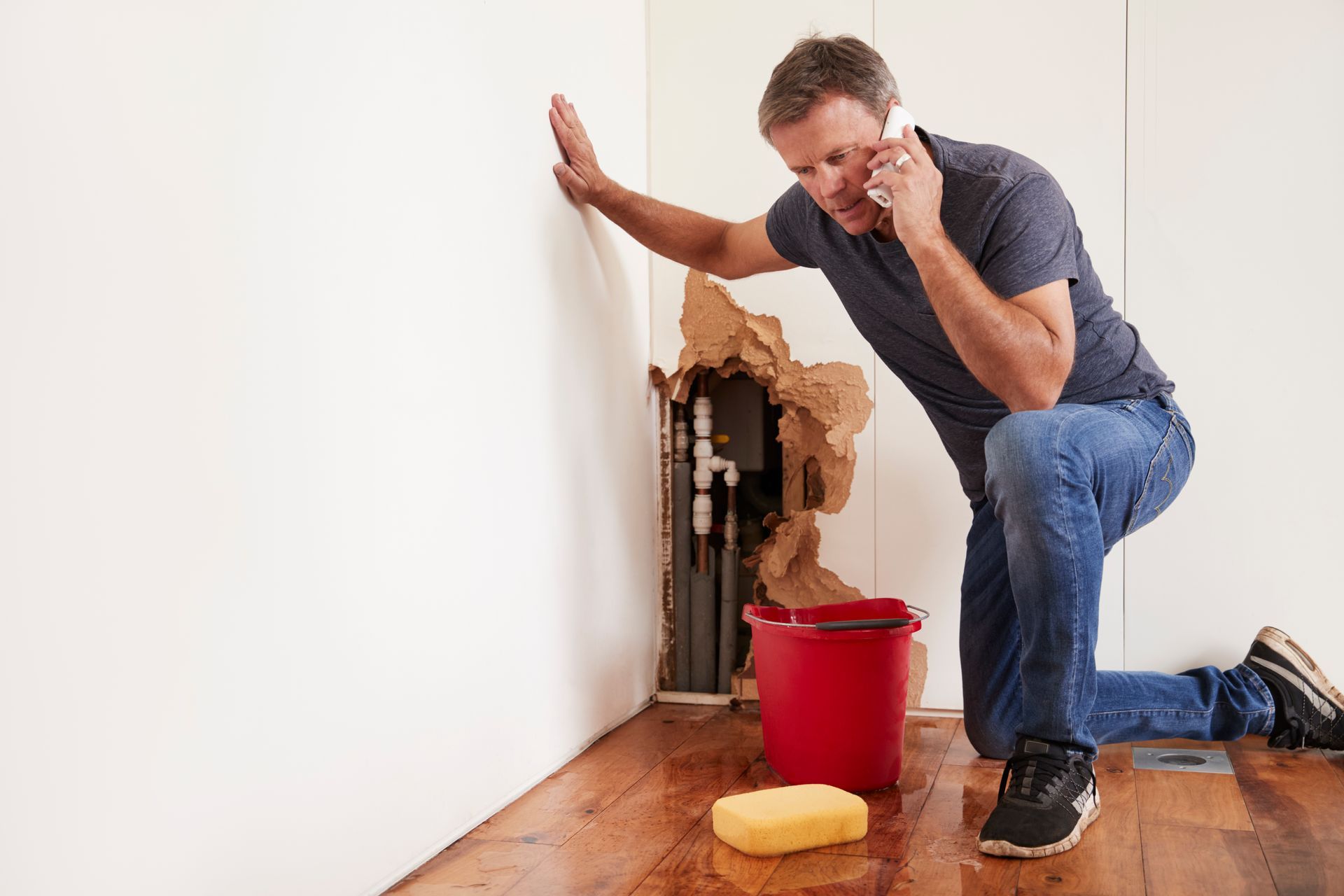
If water has spread to more than one room, soaked into walls or floors, or sat for more than 24 hours, it is time to call a professional. The same goes for any sewage backup or flood from outside the home. These situations involve hidden moisture and possible contamination that household tools simply cannot handle safely. If you are not sure where to begin, our step-by-step guide on what to do after water damage walks you through the first hours.
Benefits of Professional Moisture Detection
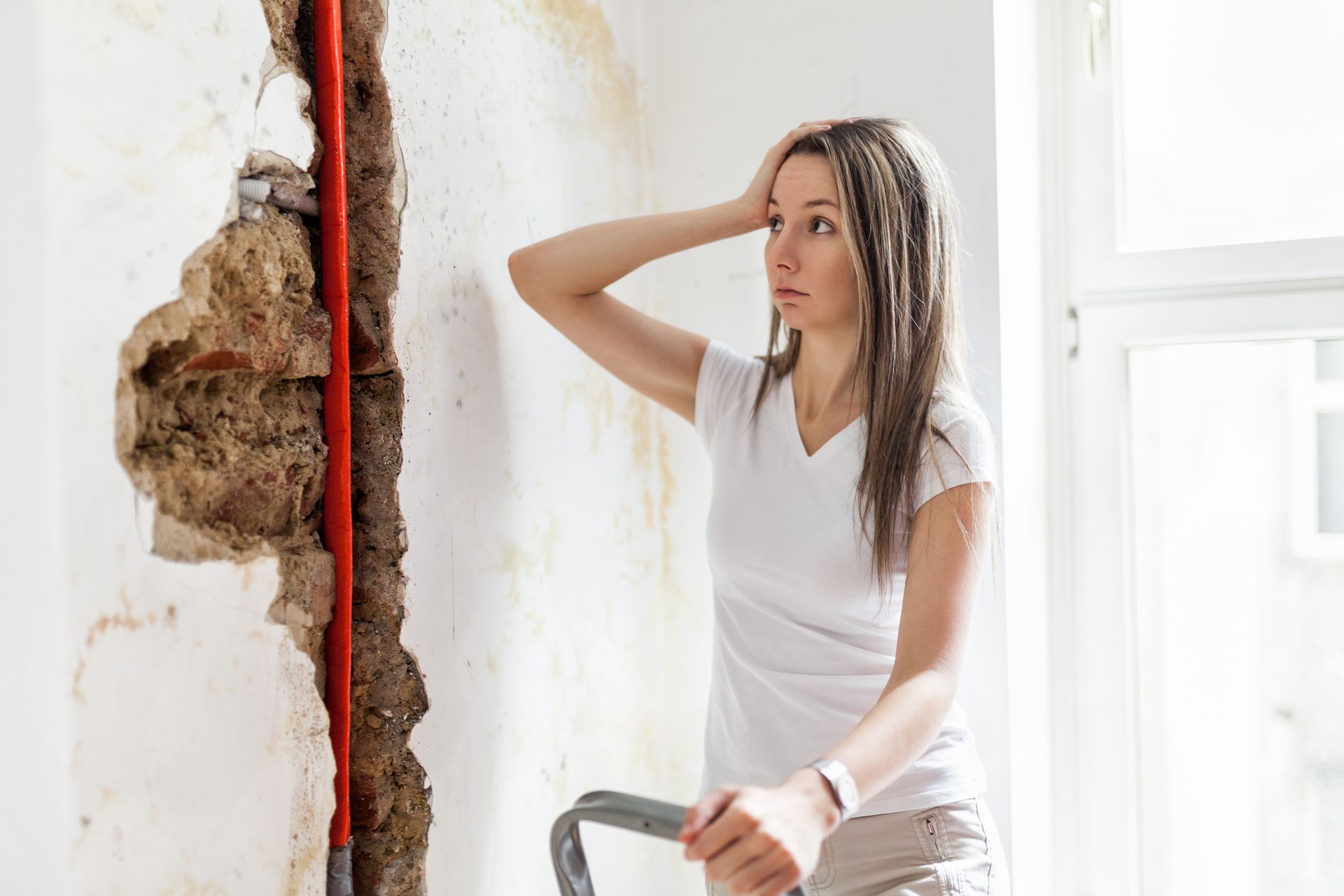
Hidden moisture is the biggest cause of long-term water damage. Professionals use thermal cameras and moisture meters to find water you cannot see. This is something homeowners simply cannot do on their own, and it is the difference between a home that fully recovers and one that develops mold or rot months later. Knowing the signs of hidden water damage can also help you spot problems early between professional inspections.
How Restoration Experts Help Prevent Secondary Damage
Secondary damage includes mold growth, structural weakening, and damage to electrical systems. Professional restoration teams know how to spot these risks and prevent them before they become bigger problems.
Working With Insurance During the Restoration Process
Most restoration companies work directly with insurance providers. They document the damage, provide reports, and bill the insurance company in many cases. This makes the claims process much easier for homeowners, who often feel overwhelmed dealing with adjusters, paperwork, and timelines on top of recovering from the damage itself.
What Happens After the Drying Process Is Complete?
Drying is just the first phase. Once your home is dry, the next steps focus on repairs and getting back to normal.
Repairing Damaged Materials
Drywall, flooring, trim, and insulation that were removed during drying need to be replaced. This phase can take a few days to a few weeks depending on the scope.
Sanitizing and Odor Removal
After drying, surfaces are cleaned and sanitized to remove any bacteria or contaminants. Odor removal treatments may also be used to clear any lingering smells.
Rebuilding and Restoration
Rebuilding includes painting, installing new flooring, replacing cabinets, and restoring the home to its original condition. Some restoration companies handle this in-house through full reconstruction services, while others refer you to outside contractors.
Preventing Future Water Damage Problems
Once everything is back to normal, take simple steps to lower the chance of another emergency. The most effective habits include:
- Checking under sinks, around toilets, and behind appliances for leaks every few months
- Installing water alarms near washing machines, dishwashers, and water heaters
- Cleaning gutters and downspouts at least twice a year
- Knowing where your main water shut-off valve is and how to use it
- Inspecting your roof and attic after major storms
- Having your plumbing checked by a professional every few years
Most of these steps cost very little compared to the price of a major water damage repair, and they can save you weeks of cleanup down the road.
Need Help With Water Damage in Connecticut?
If you are dealing with water damage right now and want it handled the right way, the team at Incredible Restorations is ready to help. We serve homeowners across Connecticut with fast water extraction, professional drying, and full restoration from start to finish. Our crews use the same industrial equipment and moisture detection tools described in this guide, so you can trust the work is done thoroughly the first time.
Every hour matters when water is sitting in your home. Reach out today for a quick response, a clear plan, and honest answers about what your home needs.
Water damage drying is rarely as quick as homeowners hope, but understanding the timeline makes the whole process less stressful. The fastest way to get back to normal is to act quickly, work with professionals when needed, and trust the process. With the right approach, even serious water damage can be fully dried, repaired, and put behind you.
Frequently Asked Questions
How long does it take for water damage to dry on its own without equipment?
Without professional drying equipment, water damage can take 2 weeks or longer to dry, and in many cases it never fully dries before mold sets in. Household fans and open windows help with very small spills, but they cannot remove moisture from inside walls, under floors, or in insulation. The risk of leaving things to dry on their own is that hidden moisture continues to cause damage long after the surfaces look and feel dry.
Can I stay in my home during the water damage drying process?
In most cases, yes. The drying equipment is loud and the air feels warm, but the home is usually safe to live in. The exceptions are jobs involving black water, large amounts of mold, or damage to electrical systems. Your restoration team will tell you upfront if you need to relocate for a few days, and most projects allow you to stay put with some adjustments to your daily routine.
How can I tell if water damage is fully dry?
The most reliable way is a moisture meter reading taken by a professional, since surfaces often feel dry on the outside while still holding moisture underneath. Common signs that drying is not complete include musty smells, soft or cool walls, warped floors, bubbling paint, or higher than normal indoor humidity. If any of these show up after the equipment is removed, contact your restoration company right away.
Does homeowners insurance cover water damage drying and restoration?
Most standard homeowners insurance policies cover sudden and accidental water damage, such as a burst pipe or appliance failure. Damage from flooding, long-term leaks, or lack of maintenance is usually not covered and may require separate flood insurance. Always document the damage with photos and contact your insurance company as soon as possible, since most policies have time limits for filing a claim. Our water damage restoration cost guide covers what to expect on pricing and how insurance typically factors in.
How soon should water damage drying start after a leak or flood?
Drying should start within the first 24 hours, and the sooner the better. Mold can begin to grow in 24 to 48 hours, and materials like drywall, insulation, and hardwood absorb more water with every hour that passes. Quick action is the single biggest factor in keeping the timeline short, the repair costs low, and the damage from spreading further into the home.