Can Water Damage Come Back After Drying? What Most Companies Don't Explain
Yes, water damage can come back after drying, and it's more common than most homeowners realize. The problem is usually not that the visible surfaces stayed wet, but that moisture got trapped somewhere you can't see, or the drying process stopped before the materials actually reached dry standard. By the time the symptoms show up again weeks or months later, the secondary damage is often worse than the original event.
At Incredible Restorations, we work on Connecticut homes year-round, and we see this pattern again and again. Homeowners dry the surface, the carpet feels dry, the ceiling stains have faded, and they think the job is done. Then six weeks later, a musty smell creeps back, paint starts peeling, or visible mold appears in a corner. This guide walks you through why water damage comes back, the warning signs to watch for, and what proper drying looks like when it's done to industry standards.
The Short Answer: Yes, Water Damage Can Come Back
Water damage comes back when moisture is left behind in places that weren't fully addressed during the initial drying. This is the single most common failure we see in both DIY drying jobs and rushed professional work.
Why "Dry to the Touch" Isn't the Same as "Dry"
A surface can feel completely dry to the touch while the material underneath still holds 30% to 40% moisture content. Drywall, wood framing, subfloors, and insulation all hold moisture at depths your hand can't feel. True drying isn't measured by how a surface feels. It's measured by moisture meters that read the actual moisture content of the material itself. Industry standards (specifically the IICRC S500 standard for water damage restoration) define specific moisture content thresholds that materials must hit before they can be considered dry. Most homeowners never see those readings because most drying jobs never measure them.
How Hidden Moisture Causes Damage Weeks Later
When moisture stays trapped inside wall cavities, under floor coverings, or in insulation, two things happen over time. First, the moisture migrates outward through capillary action, eventually showing up as new stains, peeling paint, or warped surfaces in spots that may not look connected to the original damage. Second, mold spores (which are always present in indoor air) find the perfect conditions to grow on the wet material. Mold typically becomes visible within 48 to 72 hours after a material stays wet, but in hidden cavities it can grow undetected for weeks before the smell, stains, or structural symptoms tip you off.
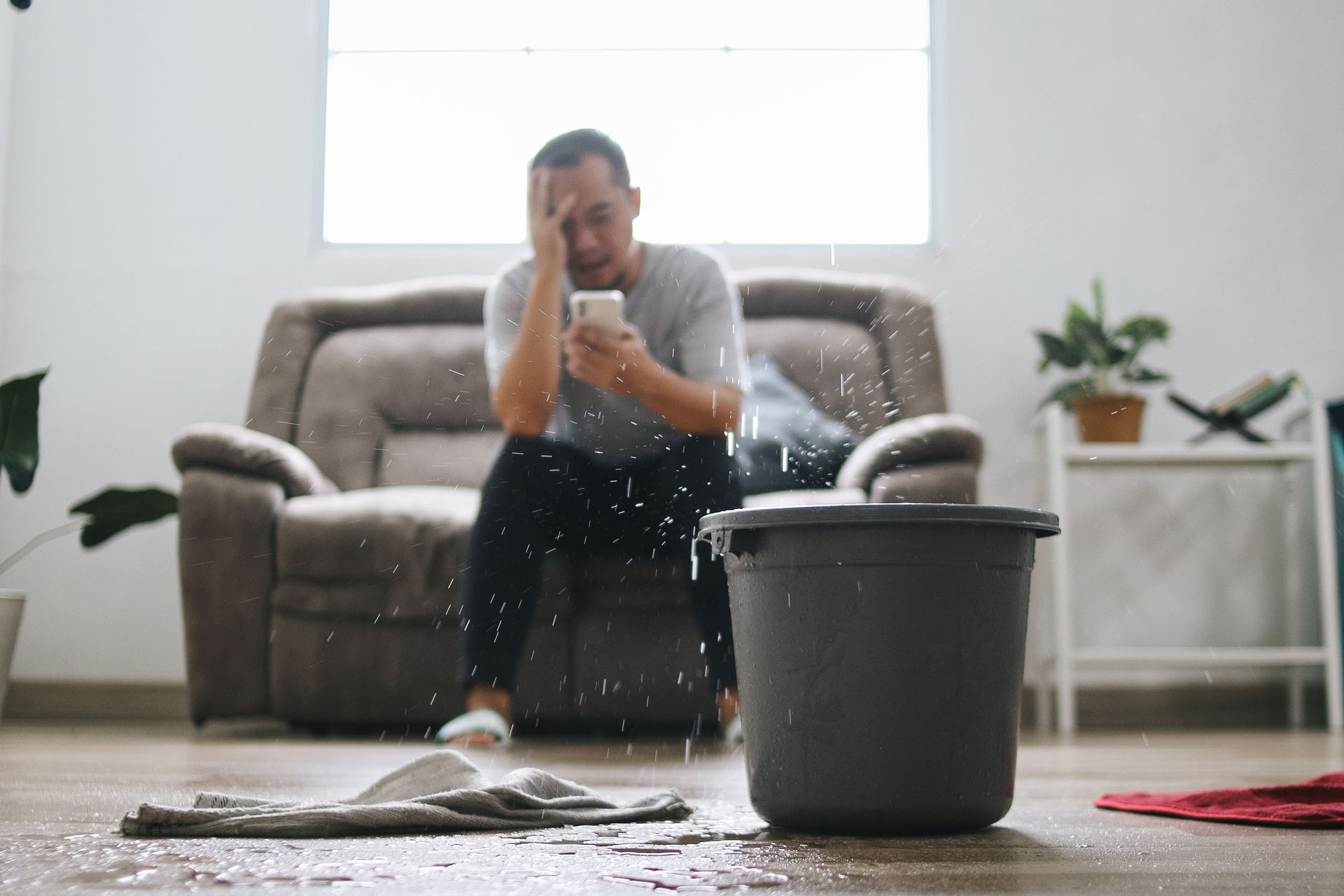
The 5 Most Common Reasons Water Damage Returns
The five issues below account for the majority of cases where water damage comes back after what looked like a successful drying job.
At a glance:
- The original source of the leak wasn't fully fixed
- Hidden moisture was missed in wall cavities or under floors
- Subfloors, insulation, or other concealed materials stayed wet
- Drying equipment was removed too early
- Ambient humidity in the space stayed too high
1. The Source Wasn't Fully Fixed
This is the most common reason water damage comes back. The original leak or flood may have been visible and the symptoms addressed, but the underlying cause (a slow plumbing drip, a roof flashing failure, a foundation crack, a clogged condensate line) wasn't fully repaired. The drying process treats the symptom, but the source keeps adding moisture. We've worked on homes where the same area was dried out four or five times over two years before anyone figured out a slow leak in a hidden wall pipe was the real problem.
2. Hidden Moisture Was Missed in Wall Cavities
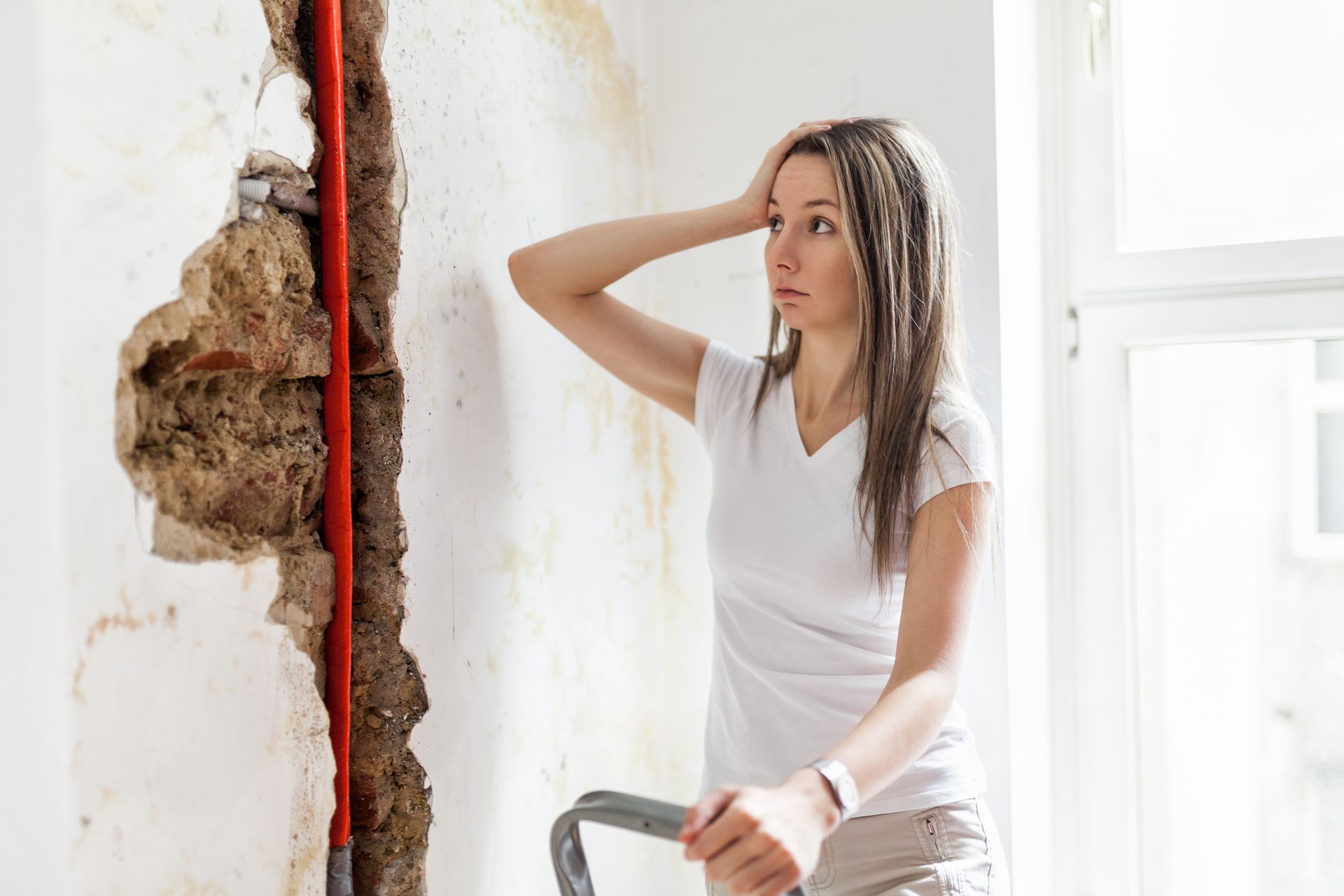
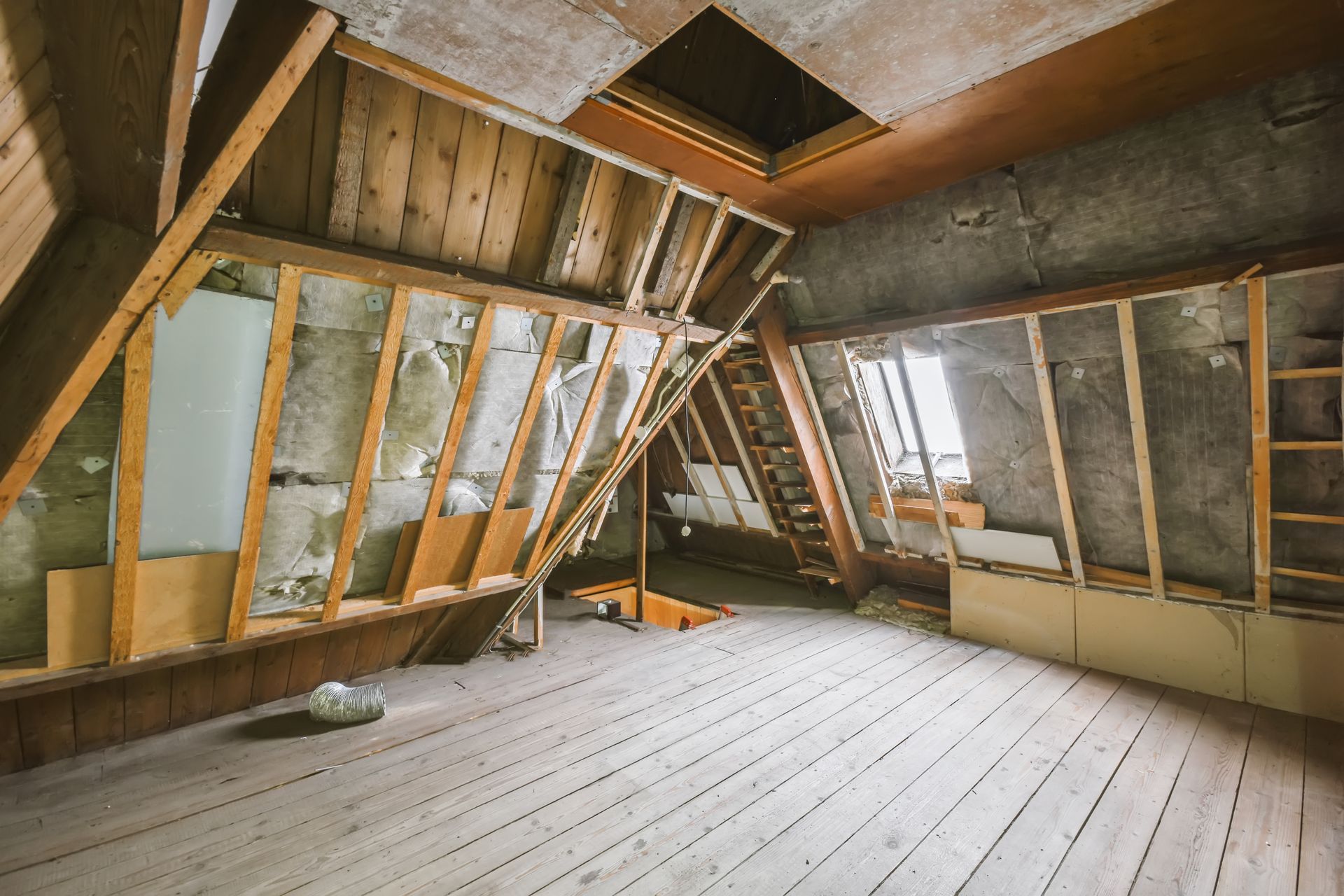
Water doesn't always stop where you can see it. When a ceiling leaks, water often travels along framing, electrical conduits, or wiring before showing up on a finished surface. It can soak insulation in adjacent wall cavities, behind cabinets, or under stairs without ever leaving a visible mark. Standard surface drying does almost nothing for this hidden moisture, which then evaporates slowly over weeks and shows up as damage in spots that look completely unrelated to the original leak.
3. Subfloors or Insulation Stayed Wet
Subfloors and insulation can hold massive amounts of water and dry very slowly without targeted equipment. A carpet may feel dry on top while the pad underneath is still saturated. Hardwood floors that look fine can have water trapped between the planks and the subfloor. Fiberglass insulation in walls or ceilings can stay wet for weeks because the air-trapping structure that makes it good insulation also prevents fast drying. Each of these turns into a slow-release moisture source that reintroduces moisture into the space long after the visible drying is done.
4. Drying Stopped Too Early
Proper structural drying takes 3 to 5 days for typical residential water damage, sometimes longer for larger floods or hidden moisture issues. Equipment needs to run continuously, and moisture content needs to be measured daily until materials reach dry standard. When fans and dehumidifiers come out after a day or two because the surface feels dry, the deeper moisture often hasn't been pulled out. The drying job looks done, but it isn't.
5. Humidity in the Space Stayed High
Even after materials are dried out, if the ambient humidity in the room or basement stays above 60%, moisture can re-enter the building materials and start the damage cycle over. This is especially common in CT basements during summer, when high outdoor humidity migrates into below-grade spaces with poor ventilation. The drying technically worked, but the environment is undoing the work.
Signs Water Damage Is Coming Back
If you've had water damage in the past 1 to 12 months, here are the warning signs that moisture is still active in your home.
Watch for these signs after a drying job:
- Musty smells that come and go or get stronger in certain rooms
- Paint that's peeling, bubbling, or showing new cracks
- Floors that feel cold, soft, or slightly warped underfoot
- New brown or yellow stains appearing in old damage areas
- Visible mold spots, especially in corners or behind furniture
- Elevated humidity readings on a hygrometer
- Condensation on windows or pipes that wasn't there before
Musty Smells That Won't Go Away
The musty smell of damp materials is usually the first sign that drying wasn't complete. The smell comes from microbial volatile organic compounds (mVOCs) given off by mold and bacteria growing in moist conditions. If you notice the smell stronger near certain walls, in basements, or in closets, that's where active moisture is likely hiding. The smell often disappears for a few hours after you open windows or run fans, then comes back when the space closes up again.
Peeling Paint, Bubbling Drywall, or Warped Floors
These are signs of moisture continuing to move through building materials. Paint peels when the surface underneath swells with moisture. Drywall bubbles when water saturates the gypsum core. Wood floors warp as moisture pushes the planks against each other and against the subfloor. All three indicate the drying didn't reach deep enough to address the moisture in the material itself.
New Stains in Old Damage Spots
If brown or yellow stains reappear in the same area weeks after the original damage seemed resolved, water is still moving through that material. Sometimes the source is a continued slow leak. Other times it's residual moisture from the original event finally working its way to a visible surface. Either way, it's a clear signal the problem isn't done.
Visible Mold Growth
Mold becomes visible in corners, along baseboards, on ceiling tiles, behind furniture, or anywhere with persistent moisture. If you see green, black, or white fuzzy growth in any area that had previous water damage, the drying was incomplete. For a more detailed inspection checklist, see our guide to signs of hidden water damage.
Higher Humidity Readings
A simple digital hygrometer ($10 to $20 at any hardware store) can confirm whether ambient humidity is feeding the problem. CT homes should typically stay between 30% and 50% relative humidity indoors. If you're consistently reading 60% or higher in any area, conditions favor continued moisture problems and mold growth.
How Professional Drying Actually Works
Professional water damage drying done to IICRC standards goes well beyond setting up box fans and opening windows. Here's what proper drying looks like.
Moisture Mapping Before Drying Starts
Professional technicians use calibrated moisture meters and thermal imaging cameras to find every wet area, including hidden ones behind walls or under floors. They create a moisture map of the affected space that documents baseline moisture content in every surface and material. This map becomes the reference point for tracking drying progress and verifying when the job is actually done.
Structural Drying vs Surface Drying
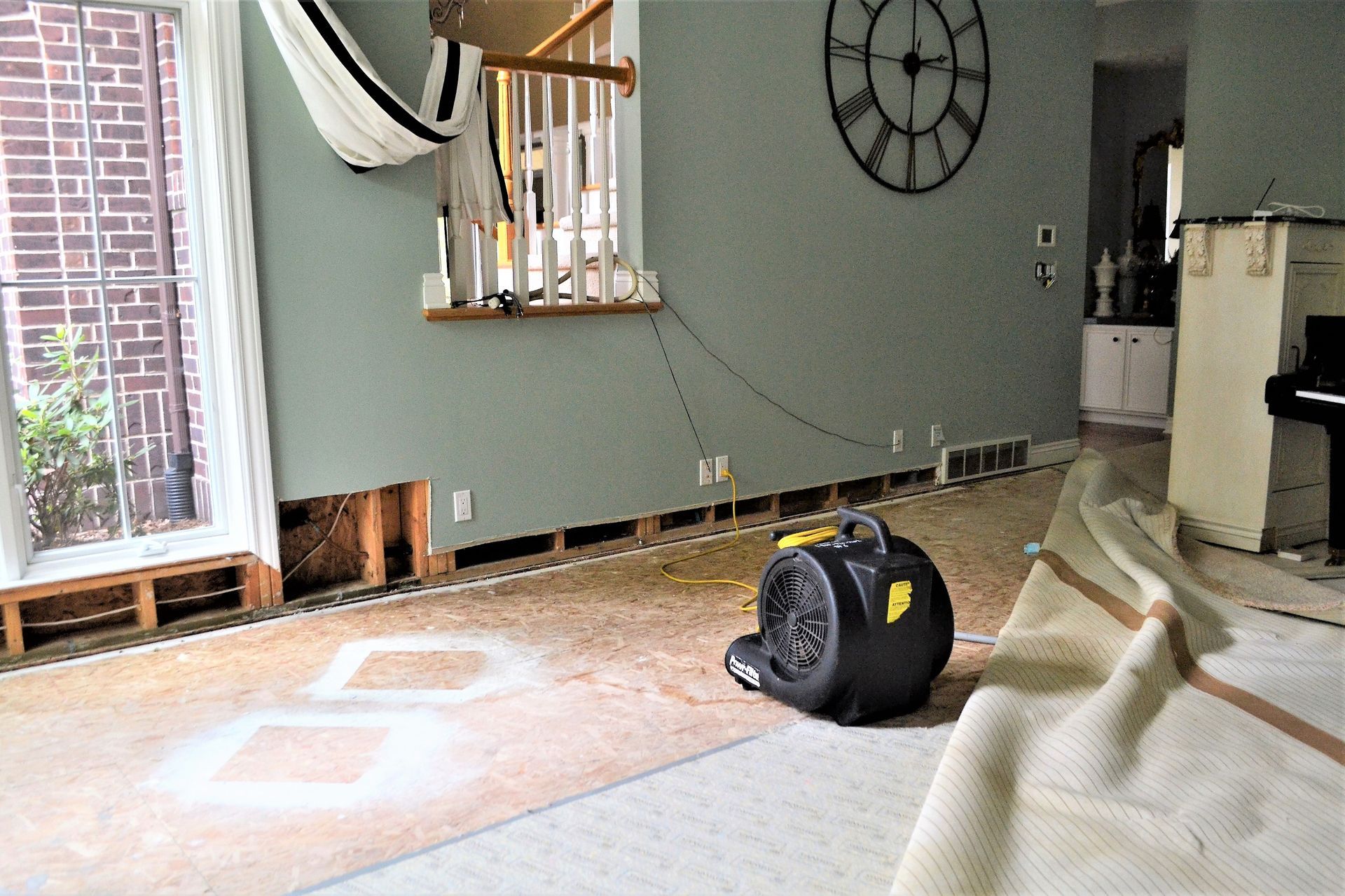
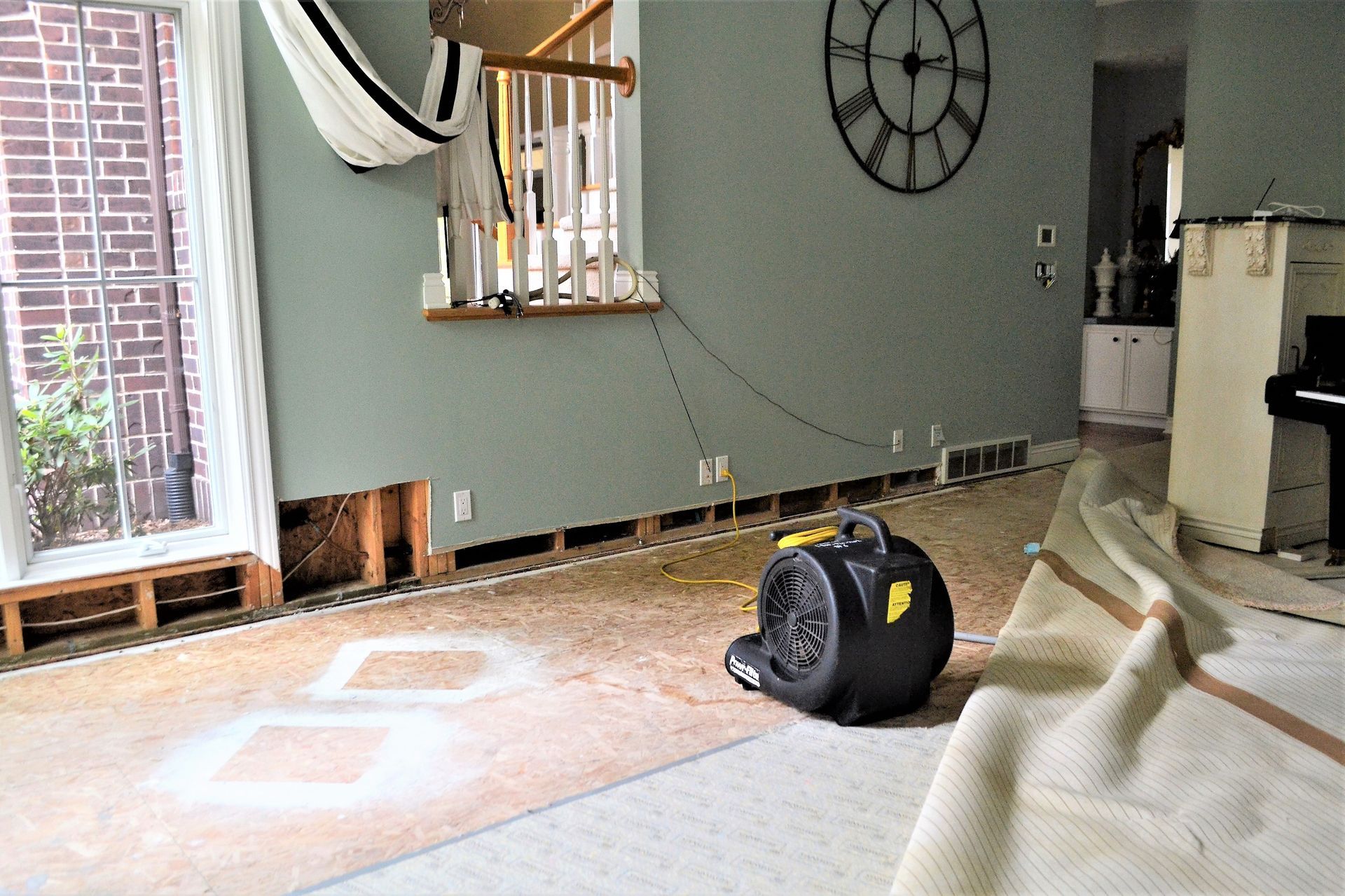
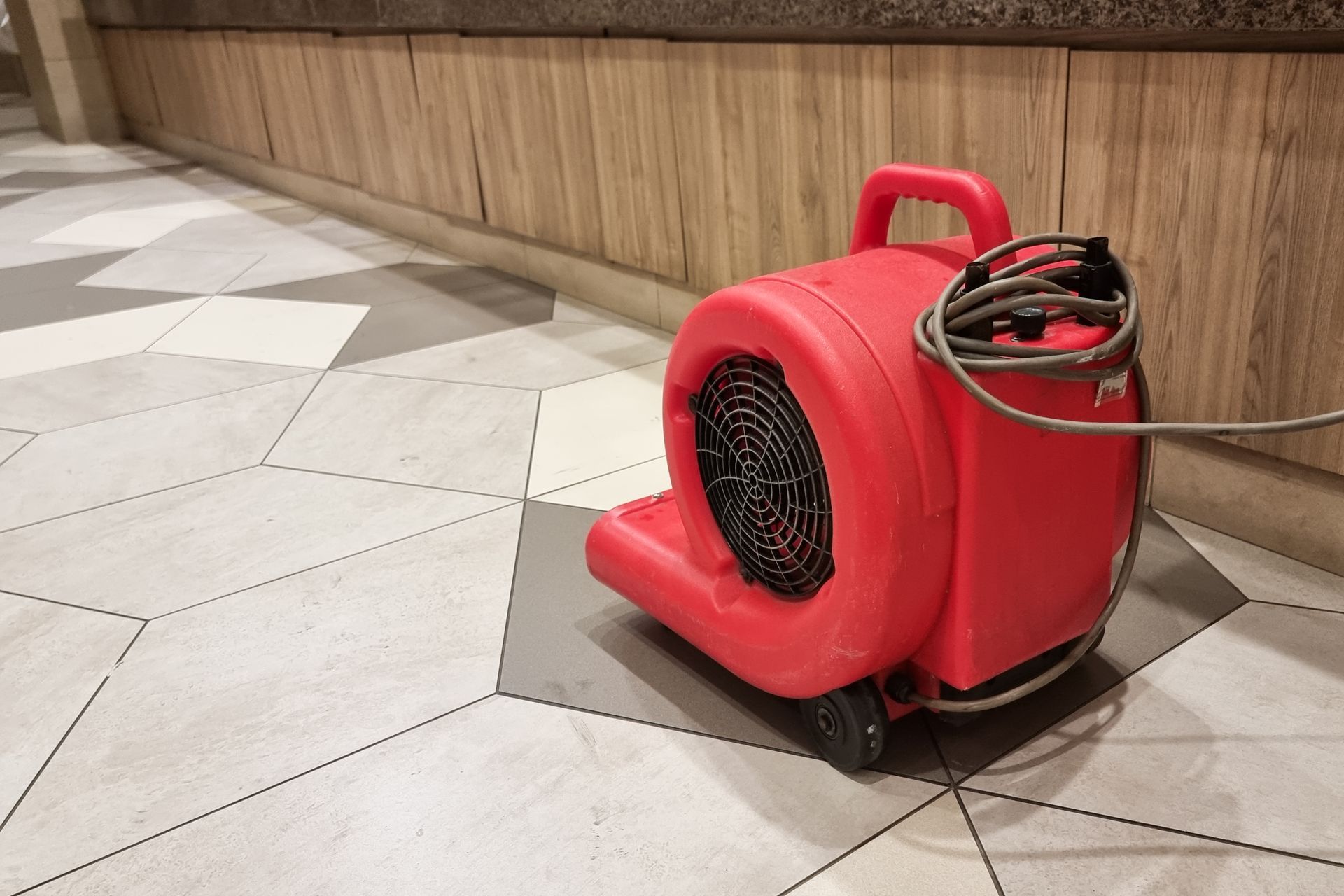
Surface drying targets only what's visible. Structural drying targets every material that holds moisture: drywall, framing, subfloors, insulation, and concealed cavities. This requires the right combination of air movers, commercial dehumidifiers, and in some cases specialty equipment like negative air machines, wall-cavity injection drying systems, or floor drying mats that pull water out from under hardwood planks.
Daily Monitoring and Adjustments
Moisture readings are taken daily during the drying process. Equipment positions get adjusted based on which materials are drying fastest and which are lagging. The drying environment is controlled for temperature and humidity to maximize moisture extraction. This is what separates a 3-day successful dry-out from a 7-day partial one that comes back to haunt you.
Verification With Moisture Meters Before Sign-Off
A drying job isn't done when equipment is removed. It's done when moisture content in every material has been confirmed at or below dry standard for that specific material. The technician documents these final readings as part of the work order. You should expect to see them before any contractor signs off on the job.
When DIY Drying Goes Wrong
Most homeowners can handle minor surface water (a spilled cup, a small ceiling drip caught in the first few minutes). But anything beyond that usually exceeds what DIY equipment can address.
Why Box Fans and Open Windows Aren't Enough
Box fans move air across surfaces, which helps with surface drying. But they do almost nothing for moisture trapped inside materials. Open windows can actually hurt the situation if outdoor humidity is high, since you're bringing moisture-laden air into the space. Even rental dehumidifiers from a hardware store are typically too small to address structural drying in any meaningful way, since they're rated for room-level humidity control, not active moisture extraction from saturated materials.
When to Call a Pro After Failed DIY Drying
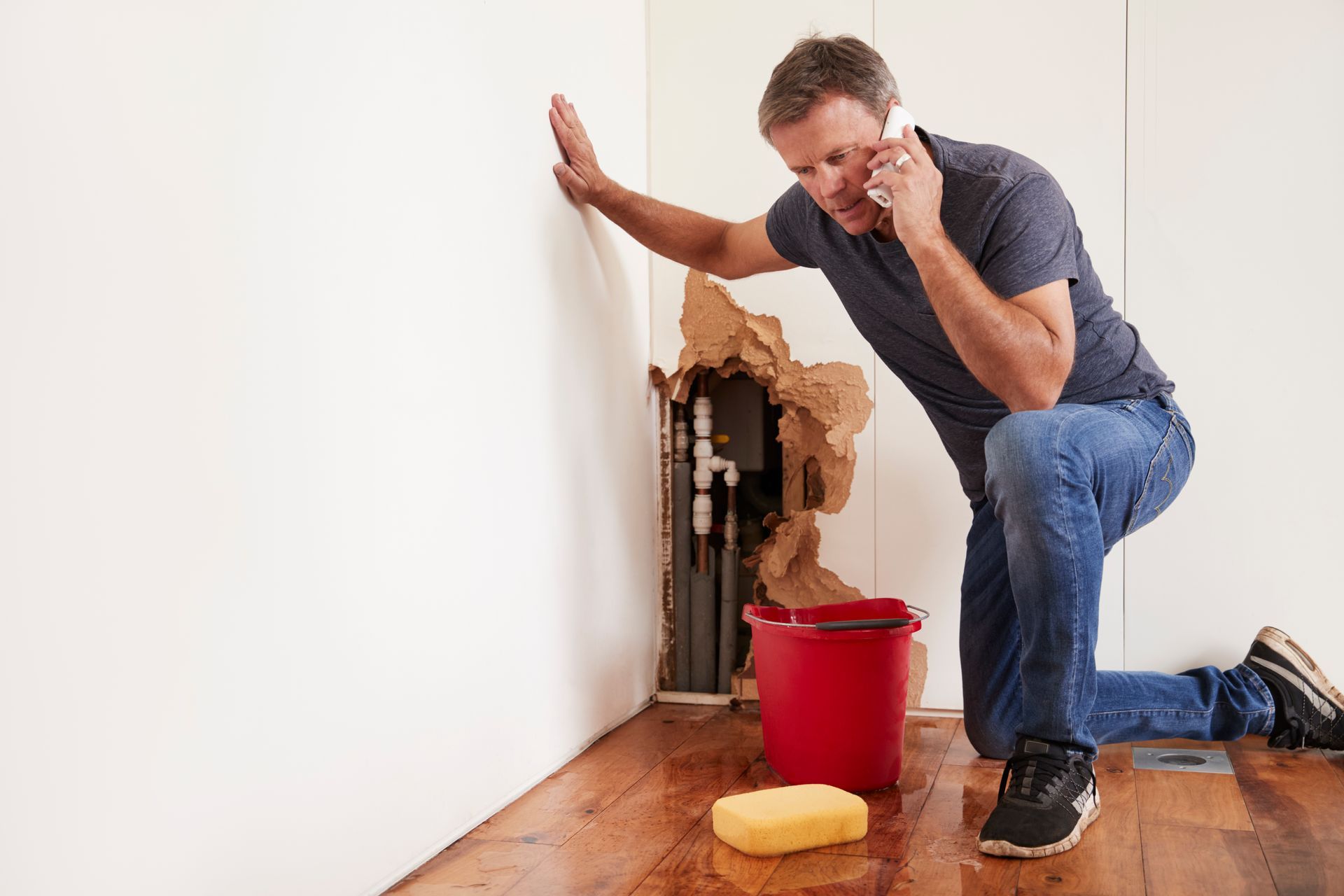
If you've already tried to dry water damage on your own and you're seeing any of the warning signs above (musty smell, peeling paint, returning stains), call a professional. The longer you wait, the more secondary damage builds up and the more expensive the full remediation becomes. A moisture inspection can usually pinpoint exactly where the residual water is hiding within 30 to 60 minutes. From there, targeted re-drying is much cheaper than dealing with mold remediation or full reconstruction down the road.
Cost Implications When Water Damage Returns
When water damage comes back after a failed drying job, the cost goes up significantly. Here's what typical scenarios look like in CT.
| Scenario | Typical CT Cost |
|---|---|
| Initial DIY drying with rented equipment | $0–$200 |
| Professional first-time water damage drying | $1,200–$5,500 |
| Re-drying after failed DIY attempt | $2,500–$7,000 |
| Adding mold remediation if mold develops | $1,500–$6,000+ |
| Full reconstruction after extended damage | $8,000–$30,000+ |
The math usually favors hiring a professional from the start, especially when you factor in the time, insurance implications, and the much higher cost of cleanup once mold or structural damage develops. For a complete pricing breakdown, see our guide to water damage restoration costs in CT.
What to Do If You Suspect Water Damage Is Returning
If you're seeing any signs of returning water damage, here's the action sequence to follow.
- Document the new symptoms with photos, dates, and exact locations on every affected surface
- Buy a hygrometer and track humidity readings in affected rooms for 3 to 5 days to establish a baseline
- Re-check the original source to confirm the leak or entry point is truly fixed
- Don't paint over or hide the symptoms since covering up moisture only traps it deeper
- Schedule a professional moisture inspection with calibrated equipment to find hidden wet spots
- Notify your insurance company if the returning damage qualifies for a supplemental claim under the original loss
Acting in the first few weeks after symptoms reappear gives you the best chance of containing the problem before mold becomes a separate, much more expensive issue. See our full checklist for what to do after water damage for a complete response plan.
How Long After Drying Should You Watch for Problems?
For most water damage events, the critical monitoring window is 30 to 90 days after the drying is completed. The majority of failed drying jobs show symptoms during this period as residual moisture migrates outward or mold begins to grow in hidden areas. After 90 days, the risk drops significantly, but it doesn't go to zero. We recommend keeping a hygrometer in any previously affected room for 6 months and checking visually for new stains, smells, or paint changes once a month during that window. If you ever notice a change, schedule an inspection right away rather than waiting to see if it gets worse.
Schedule a Free Moisture Inspection in Connecticut
If you've had water damage in the past and you're noticing any of the warning signs in this guide, a professional moisture inspection is the smartest next step. Catching residual moisture early prevents mold remediation, structural damage, and the much larger repair costs that come with letting the problem develop over time.
An Incredible Restorations moisture inspection includes:
- Surface and cavity moisture readings with calibrated meters
- Thermal imaging to find hidden wet areas behind walls or under floors
- Written documentation of current moisture levels in every affected material
- A clear recommendation on whether re-drying or remediation is needed
- A written estimate with itemized costs, with no pressure to commit on the spot
Inspections are free for Connecticut homeowners and typically take 45 to 90 minutes.
Contact Incredible Restorations to schedule yours, or call our 24/7 emergency line if you're seeing active damage and need immediate help. Learn more about our full
water damage restoration services if you'd like to see the complete scope of what we do.
Frequently Asked Questions
How long does it take for water damage to fully dry?
Professional structural drying typically takes 3 to 5 days for residential water damage of moderate scope. Larger floods, sewage contamination, or hidden moisture issues can extend that to 7 to 10 days. Surface drying alone (with no professional equipment) rarely achieves dry standard in concealed areas, and is one of the most common reasons damage comes back.
Can water damage cause mold if it's been dried out?
If the drying was incomplete or moisture was missed in hidden areas, yes. Mold needs about 48 to 72 hours of trapped moisture to start growing. Even after surfaces feel dry, hidden moisture in wall cavities, subfloors, or insulation can fuel mold growth that doesn't become visible for weeks or months.
Will insurance cover water damage that comes back?
It depends on the original claim and the cause. If the returning damage stems from the same incident as the original (and the original was a covered cause), most insurers will cover a supplemental claim. If a new leak caused the problem, that may need a separate claim. Document everything, including dates and photos, before contacting your insurer.
Is there a way to permanently prevent water damage from coming back?
Yes: fully address the original source, hire a professional restoration company that follows IICRC standards, verify moisture readings before final sign-off, and maintain indoor humidity below 50% afterward. Most repeat damage cases trace back to one of those four steps being skipped or rushed.
How do I know if my drying job was done right?
Ask for written moisture readings at sign-off. Reputable companies will document the moisture content of each affected material along with the dry standard for that material type. If a contractor can't provide this documentation, the drying job may not have been verified properly and you should ask them to come back and confirm before closing out the job.