What Causes Attic Mold? The Problems Most Homeowners Miss
After inspecting attics in homes of every age, size, and style, we can tell you that attic mold almost never starts where homeowners expect. Most cases come down to one of two things: trapped moisture from poor ventilation or warm, humid air leaking up from the living space. Roof leaks get the blame, but they are often not the real culprit. We've crawled through countless attics finding the same hidden problems over and over, and we know how easy it is for these issues to go unnoticed for years. This guide walks you through the actual causes of attic mold, the warning signs to look for, and what it takes to fix the problem for good through proper mold remediation, so you can protect your home before small issues turn into expensive repairs.
Why Attic Mold Happens in the First Place
Most attics have everything mold needs to grow: wood, dust, and moisture. The wood and dust are always there. Moisture is the part homeowners can actually control. When attics are properly ventilated, sealed, and insulated, mold rarely shows up. When any of those things break down, mold can take hold quickly.
Why Mold Can Grow Even When There Is No Obvious Roof Leak
Many homeowners assume mold means the roof is leaking. While leaks do cause mold, most attic mold cases we see come from condensation, not water dripping in from outside. Warm air from inside the home rises into the attic, hits cold roof sheathing in the winter, and turns into moisture on the wood. Over time, that moisture cycle is enough to grow mold across large sections of the attic.
How Moisture Gets Trapped in Attic Spaces
Moisture gets trapped when air cannot move freely through the attic. Blocked vents, missing intake openings, or poor exhaust paths all keep humid air stuck in place. Insulation that is packed too tight or installed in the wrong spot can also trap moisture against the wood. Once humidity builds up, it has nowhere to go, and mold growth is just a matter of time.
Why Attic Mold Often Goes Unnoticed Until It Spreads
Attics are out of sight, so mold often grows for months or even years before anyone notices. Most homeowners only find it during a home inspection, a roofing project, or when a musty smell finally reaches the living space. By the time mold is visible, it has usually spread across the roof sheathing and rafters, which makes the cleanup more involved.
The Most Common Causes of Attic Mold
After inspecting hundreds of attics, the same handful of problems show up again and again. Some are easy to spot, others are completely hidden until you know where to look. Here is a quick comparison of the causes we see most often:
| Cause | How Common | Easy to Spot? | Typical Fix |
|---|---|---|---|
| Roof leaks and damaged flashing | Common | Yes, water stains | Roof repair |
| Poor attic ventilation | Very common | No | Add or unblock vents |
| Bathroom fans venting into attic | Very common | No | Reroute duct outside |
| Kitchen exhaust into attic | Less common | No | Install proper venting |
| Insulation blocking airflow | Common | Sometimes | Reposition and add baffles |
| Air leaks around ceiling fixtures | Very common | No | Air seal openings |
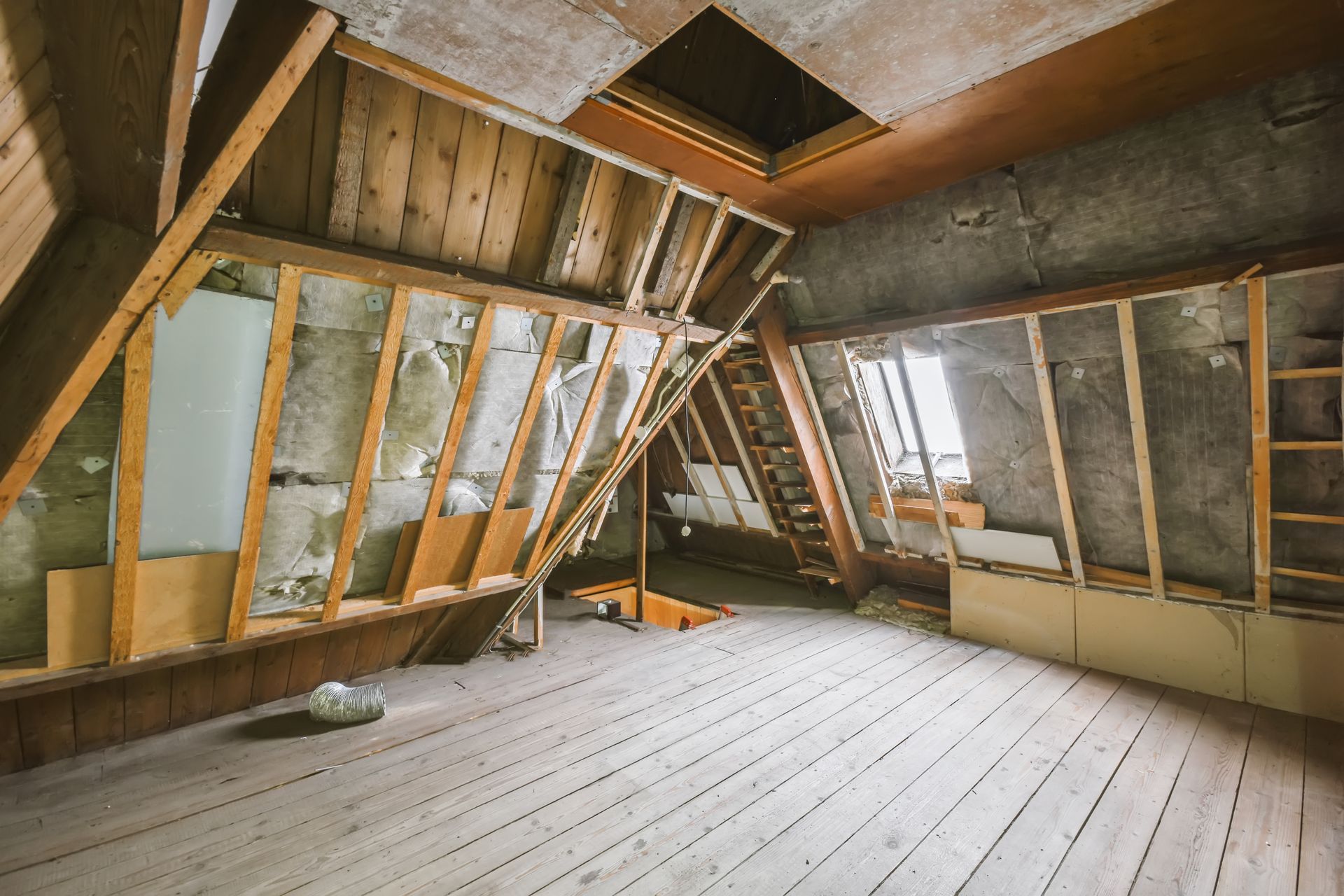
Roof Leaks and Damaged Flashing
Active roof leaks are the most direct cause of attic mold. Damaged shingles, cracked flashing around chimneys and vents, and worn roof valleys all let water into the attic. Even small leaks can soak insulation and roof sheathing fast enough to start mold growth within a few days, which is why prompt water damage restoration matters even for problems that seem minor at first.
Poor Attic Ventilation
Poor ventilation is the most common cause of attic mold we see. An attic needs balanced airflow, with intake vents low (usually at the soffits) and exhaust vents high (usually at the ridge or gables). When that balance is off, humid air gets trapped and condenses on cold surfaces.
Blocked Soffit Vents
Soffit vents are the intake side of the attic ventilation system. When they get blocked by insulation pushed too far toward the eaves, paint buildup, or bird and pest nests, the whole system stops working. Without intake air, the exhaust vents at the top cannot pull moisture out.
Ridge Vent and Gable Vent Problems
Ridge vents and gable vents are the exhaust side of the system. If they are blocked, undersized, or installed incorrectly, warm humid air has no way to escape. Some homes also have a mix of vent types that work against each other, like a ridge vent paired with a powered gable fan, which can short-circuit the airflow.
Bathroom Fans Venting Into the Attic
This is one of the most common hidden causes of attic mold. Bathroom fans should always vent directly outside, but many are connected to ducts that simply end inside the attic. Every shower dumps warm, humid air right onto the cold roof sheathing.
Disconnected Exhaust Ducts
Sometimes the bathroom fan duct was installed correctly but came loose over time. The duct disconnects from the exterior vent, often without anyone noticing, and starts dumping moisture into the attic. This problem can go on for years before mold becomes visible.
Improperly Terminated Bathroom Vents
Some bathroom fans vent into the soffit area instead of through the roof. While this looks like an outdoor termination, the moist air often gets pulled right back into the attic through the soffit intake vents. The end result is the same: humid air trapped inside.
Kitchen Exhaust Fans Releasing Moisture Indoors
Kitchen range hoods that recirculate air or vent into the attic create the same problem as bathroom fans. Cooking releases huge amounts of moisture, especially with boiling, simmering, or steaming. When that air is not vented outside, it eventually finds its way into the attic.
Missing, Uneven, or Excessive Insulation
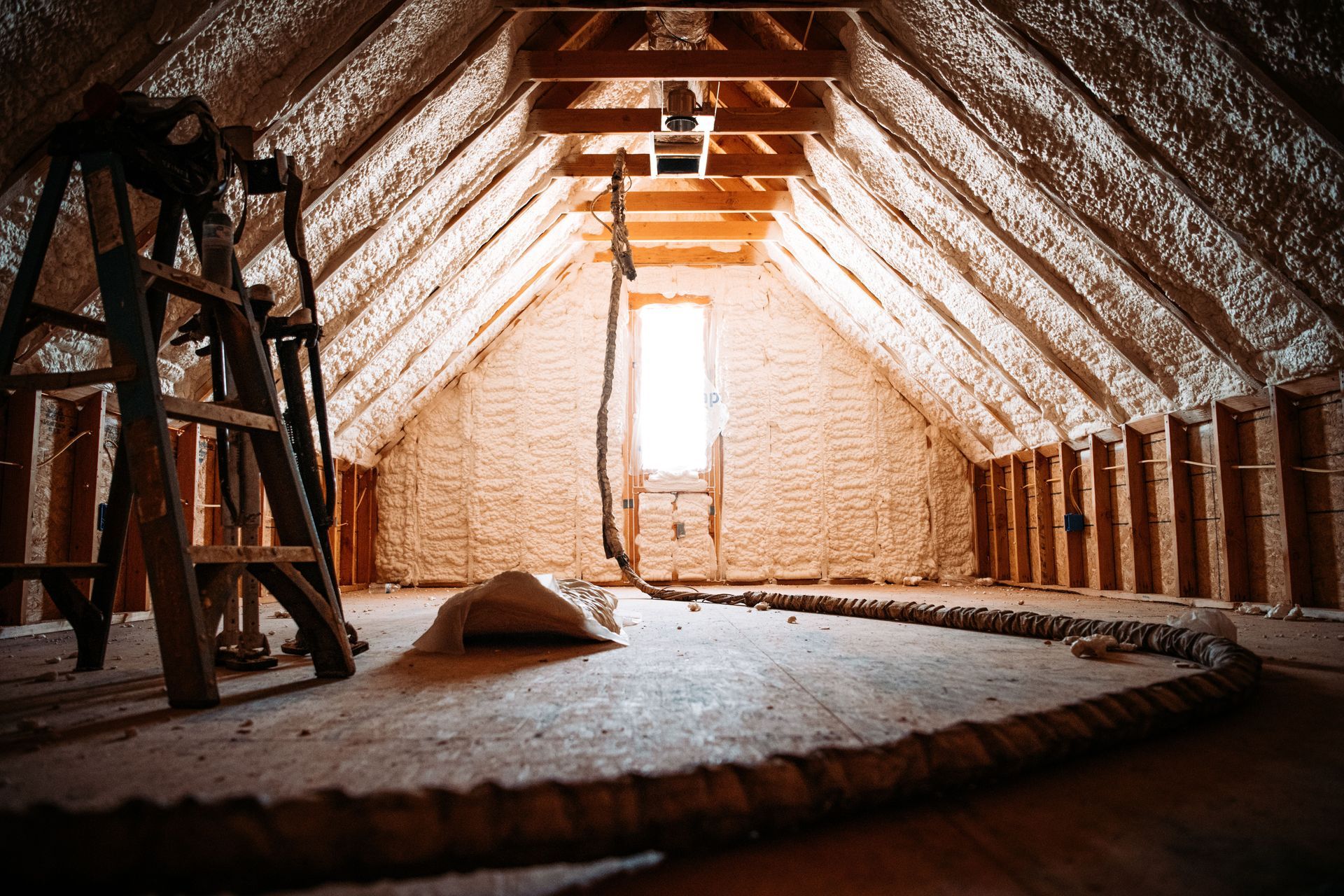
Insulation problems contribute to attic mold in two ways. Too little insulation lets warm indoor air rise into the attic, where it condenses on cold surfaces. Too much insulation, especially when packed tight against the roof or covering the soffit vents, blocks airflow and traps moisture. Uneven insulation creates cold spots where condensation forms first.
Gaps Around Ceiling Fixtures and Attic Openings
Recessed lights, ceiling fans, attic hatches, and plumbing vents all create openings where warm indoor air leaks into the attic. These small gaps add up. A poorly sealed attic hatch alone can release a surprising amount of warm, humid air every day, and over a winter, that adds up to gallons of condensation on the roof sheathing.
How Condensation Leads to Mold in the Attic
Condensation is the cause of most attic mold cases that have nothing to do with roof leaks. Understanding how it happens helps you spot and prevent the problem.
Warm Indoor Air Meeting Cold Roof Sheathing
Inside your home, the air is warm and holds moisture from cooking, showers, breathing, and laundry. When that air leaks into a cold attic, the temperature drop forces the moisture out of the air and onto the nearest cold surface. In an attic, that is usually the underside of the roof sheathing.
Winter Condensation on Rafters, Nails, and Plywood
In cold weather, you can often see this process happening. Frost forms on the underside of the roof, and moisture beads up on the heads of nails poking through the sheathing. Once the attic warms up during the day, that frost melts and drips down onto the insulation and wood, soaking everything below. The same conditions can also lead to ice dam roof leaks, which add even more moisture into the attic during a Connecticut winter.
How Repeated Moisture Cycles Create Mold Growth
A single condensation event will not cause mold. The problem is when the cycle happens day after day all winter long. The wood stays damp, never gets a chance to dry, and mold spores find ideal conditions to grow. By spring, what started as a small condensation problem has often turned into widespread mold across the attic.
Attic Ventilation Problems Homeowners Often Miss
Ventilation problems are usually the root cause of attic mold, but they are also the issues homeowners are least likely to notice. Most of these problems are easy to overlook from inside the house.
Bathroom Exhaust Ducts That Stop Inside the Attic
Some older homes were built with bathroom fans that simply vent into the attic with no ductwork to the outside. Even newer homes sometimes have ducts that were never fully connected. Every shower puts hot, humid air directly into the attic, where it condenses on the wood.
Crushed, Loose, or Damaged Flexible Ductwork
Flexible bathroom fan ducts are easy to damage. A misplaced foot during attic work, settling over time, or rodent activity can crush, kink, or disconnect the duct. Once airflow is restricted, the moisture from the bathroom backs up into the attic instead of going outside.
Soffit Vents Blocked by Insulation or Debris
When insulation is added to an attic, it is easy to push it too far toward the edges and block the soffit vents. Without intake airflow, the whole ventilation system stops working. Leaves, nests, and dust can also collect in soffit vents over time and slowly choke off airflow.
Roof Vents That Do Not Properly Exhaust Moist Air
Some roof vents look correct from the outside but do not actually move air. Damaged vent covers, screen blockages, and improperly sized vents all reduce the system's ability to exhaust moisture. In some cases, the home simply does not have enough vents for the size of the attic.
Signs Your Attic May Have a Mold Problem
Most homeowners do not check their attics often, so mold problems can go unnoticed. The most common warning signs to watch for include:
- Dark or black staining on the underside of the roof sheathing
- A musty smell coming from the attic, attic hatch, or upper floors
- Insulation that looks darkened, matted, or visibly damp
- Frost or condensation on nails, beams, or roof boards in winter
- Mold flagged on a recent home inspection report
If any of these show up, it is worth a closer look. Each sign points to a slightly different problem, as explained below.
Dark Staining on Roof Sheathing
Black, gray, or dark brown patches on the underside of the roof sheathing are one of the clearest signs of attic mold. These stains usually start in the corners or along the edges where ventilation is weakest, then spread outward.
Musty Odors Near the Attic
A musty smell coming from the attic, attic hatch, or upper floors of the home almost always means moisture and mold are present. The smell is often strongest after a hot, humid day or right after a shower. The same odor can also be one of the signs of hidden water damage elsewhere in the home, so it is worth tracking down the source.
Wet or Compressed Insulation
Insulation that looks darkened, matted down, or visibly damp is a sign of a moisture problem. In some cases, the insulation soaks up so much condensation that it loses its R-value and stops working properly.
Frost, Condensation, or Damp Wood
In winter, frost on nails, beams, or the underside of the roof is a clear warning sign. So is any wood that feels damp to the touch. These signs mean condensation is happening regularly, and mold is likely already growing or about to start.
Mold Found During a Home Inspection
For many homeowners, the first time they hear about attic mold is during a home inspection, often when they are trying to sell. This is one of the most common ways mold gets discovered, and it can complicate or delay a real estate transaction if not addressed. Understanding the difference between mold inspection vs testing in CT can help you decide what level of evaluation you actually need.
Why Attic Mold Should Not Be Ignored
Some homeowners are tempted to ignore attic mold because it is out of sight. That is almost always a mistake. The longer mold sits, the more damage it does and the more expensive it becomes to fix.
Damage to Roof Decking and Wood Framing
Mold breaks down wood over time. Roof sheathing weakens, rafters lose strength, and entire sections of the roof structure can become compromised. In severe cases, the only fix is replacing the affected wood, which can mean tearing off parts of the roof.
Spread of Mold Spores Into Living Areas
Attics are not sealed off from the rest of the home. Air leaks around lights, ducts, and the attic hatch let mold spores travel down into the living space. Over time, this can affect indoor air quality throughout the home.
Indoor Air Quality and Health Concerns
Mold spores in the air can affect anyone, but they hit hardest for people with allergies, asthma, or weakened immune systems. Symptoms can include coughing, sneezing, headaches, and worsening allergy symptoms. Cleaning up the source of the mold is the only real way to fix the problem.
Problems During Real Estate Inspections
Attic mold almost always shows up on home inspection reports. Buyers may walk away from the deal, demand a price reduction, or require professional remediation before closing. Fixing the problem before listing the home is almost always cheaper and easier than dealing with it during a sale.
How to Check Your Attic for Mold Causes
A quick attic check can help you spot the problems that lead to mold. Always use proper safety gear, including a respirator, gloves, and safe footing on the joists. If you suspect significant mold, leave the inspection to a professional.
Inspect Bathroom Fan Ductwork
Trace each bathroom fan duct from the fan to where it exits the attic. Look for disconnected sections, crushed flex duct, or ducts that simply end inside the attic with no exterior termination. This is often the single biggest source of moisture problems.
Look for Roof Leak Entry Points
Check around chimneys, plumbing vents, skylights, and any roof penetration for water stains or damp wood. Look for streaks of discoloration on the underside of the roof sheathing that point back to a specific entry point.
Check Ventilation Openings
Look at the soffit vents from inside the attic to make sure they are not blocked by insulation. Check ridge vents, gable vents, and any other exhaust openings to make sure air can move through them freely.
Look for Moisture Stains and Soft Wood
Dark stains, water marks, and soft or spongy wood all point to moisture problems. Pay extra attention to corners, low spots, and areas near vents where condensation tends to collect.
Confirm Insulation Is Not Blocking Airflow
Insulation should stop short of the soffit vents and have baffles in place to keep airflow open. If insulation is packed against the roof or completely covering the eaves, that is almost always part of the problem.
How Attic Mold Problems Are Fixed
Fixing attic mold is not just about cleaning the mold. The real fix is finding and stopping the moisture source so the mold cannot come back.
Stop the Moisture Source First
Cleaning mold without fixing the cause is a waste of money. Whether the source is a roof leak, a disconnected bathroom fan, or poor ventilation, that problem has to be fixed first. Otherwise, the mold will return within months.
Correct Ventilation and Exhaust Fan Issues
Most attic mold cases require ventilation improvements. This may mean adding soffit vents, clearing blocked openings, installing baffles, or rerouting bathroom fan ducts to vent properly outside through the roof or wall.
Remove or Remediate Mold-Contaminated Materials
Surface mold on roof sheathing can often be cleaned and treated with antimicrobial products. Heavily contaminated insulation usually has to be removed and replaced. Wood that is structurally damaged needs to be cut out and replaced with new framing or sheathing.
Repair Damaged Roof Sheathing or Insulation
In severe cases, sections of plywood sheathing or framing have to be replaced. New insulation is added once the moisture source is fixed and the area is cleaned. This is also a good time to upgrade insulation values if the original installation was undersized.
Verify the Attic Can Stay Dry Long-Term
After remediation, the attic should be checked again to confirm humidity levels are normal and ventilation is working as intended. Some restoration teams use moisture meters and humidity sensors to verify that conditions are stable before closing out the job.
How to Prevent Attic Mold From Coming Back
Once attic mold is dealt with, the goal is to make sure it never comes back. The most effective prevention habits include:
- Venting every bathroom fan, kitchen exhaust, and dryer directly outside, never into the attic or soffit
- Using rigid metal duct for exhaust runs whenever possible, since it lasts longer than flexible duct
- Keeping soffit vents clear of insulation and debris, with baffles in place to protect airflow
- Sealing air leaks around recessed lights, attic hatches, plumbing penetrations, and ductwork
- Scheduling a yearly roof and attic inspection to catch small problems early
- Acting on any signs of moisture, condensation, or musty smells right away
A simple yearly check takes less than an hour and can save thousands in mold remediation costs down the road. For a deeper look at the conditions behind the problem, our guide on how attic mold happens and how to prevent it covers the longer-term habits that keep attics dry.
Vent Bathroom Fans Directly Outdoors
Every bathroom fan in your home should vent through the roof or an exterior wall, never into the attic or soffit area. Use rigid metal duct where possible, since it lasts longer and resists damage better than flexible duct.
Maintain Proper Attic Airflow
Keep soffit vents clear of insulation and debris. Make sure ridge vents, gable vents, or roof vents are open and working. If your attic ventilation seems undersized, a contractor can calculate the correct vent area for your home and add what is needed.
Seal Ceiling Gaps and Air Leaks
Sealing air leaks between the living space and the attic stops warm, humid air from rising into a cold space. Common spots include attic hatches, recessed lights, plumbing penetrations, and gaps around ductwork.
Schedule Roof and Attic Inspections
A yearly check of the roof and attic catches small problems before they turn into mold. Look for missing shingles, damaged flashing, signs of pests, and any moisture in the attic. Catching issues early is always cheaper than fixing mold later.
Address Moisture Problems Before They Spread
If you spot any sign of moisture, condensation, or musty smells, deal with it right away. Attic mold spreads slowly at first but accelerates once it takes hold. The earlier you act, the smaller the cleanup and the lower the cost.
Need Help With Attic Mold in Connecticut?
If you have spotted dark stains on your roof sheathing, smell something musty in your attic, or had mold flagged during a home inspection, the team at Incredible Restorations is ready to help. We serve homeowners across Connecticut with full attic mold inspection, source identification, and complete remediation from start to finish. Our team finds and fixes the moisture source first, so the mold does not come back six months later.
The longer attic mold sits, the more damage it does to your roof sheathing, framing, and indoor air quality. Reach out today for a clear assessment and an honest plan for getting your attic dry and mold-free.
Attic mold is almost always a moisture problem first and a mold problem second. Fix the cause, clean up the damage, and keep up with simple prevention habits, and your attic should stay clean and dry for years. The earlier you catch the warning signs, the easier and cheaper the whole process becomes.
Frequently Asked Questions
Can I clean attic mold myself or do I need a professional?
Small patches of surface mold on accessible wood can sometimes be cleaned with proper safety gear and the right products. However, most attic mold cases require professional remediation because the mold is widespread, the moisture source is hidden, or the roof sheathing has structural damage. A professional can also test air quality, contain the spores during cleanup, and confirm the source is fixed so the mold does not return.
How quickly can attic mold spread once it starts?
Attic mold can spread across roof sheathing within a few weeks once conditions are right. The growth rate depends on temperature, humidity, and how much moisture is present. In a poorly ventilated attic during humid weather or a cold winter with constant condensation, mold can cover large sections of wood in a single season.
Does homeowners insurance cover attic mold removal?
Most homeowners insurance covers attic mold only when it results from a sudden, covered event like a burst pipe or a storm-damaged roof. Mold caused by long-term ventilation issues, slow leaks, or poor maintenance is usually not covered. Always document the source carefully and contact your insurance company before starting any remediation work.
Will adding more insulation fix attic moisture problems?
Adding insulation alone does not fix moisture problems and can sometimes make them worse. If insulation blocks soffit vents or traps warm air against cold surfaces, it can lead to more condensation, not less. The right approach is to fix airflow and seal air leaks first, then add insulation in a way that supports proper ventilation.
How much does attic mold remediation typically cost?
Costs vary widely based on the size of the attic, the extent of the mold, and what materials need to be removed or replaced. Small cleanups may run a few hundred dollars, while large jobs involving sheathing replacement and ventilation upgrades can run several thousand. Our guide on how much mold remediation costs in CT breaks down the typical pricing ranges and what factors drive the cost up or down.