How to Prevent Basement Flooding Before the Next Storm
The most effective ways to prevent basement flooding are keeping water away from your foundation (working gutters, downspouts extended away from the house, and proper grading), managing water that gets in (a working sump pump with a backup), and sealing vulnerabilities (foundation cracks and window wells). Most basement flooding comes down to water reaching the foundation and finding a way in, so prevention is about controlling where water goes before it becomes a problem. A few maintenance habits and targeted upgrades prevent the majority of basement flooding we see.
Incredible Restorations handles flooded basements and water damage for homeowners across Hartford County and central Connecticut, so we see exactly what causes basements to flood and, just as importantly, what prevents it. Connecticut's heavy rains, snowmelt, and spring storms put real pressure on basements every year. This guide walks through why basements flood and the specific, practical steps that keep yours dry before the next big storm arrives.
In This Guide
- The Quick Answer
- Why Basements Flood
- Keep Water Away From Your Foundation
- Manage the Water That Gets In
- Seal Vulnerabilities in the Basement
- Your Basement Flood Prevention Checklist
- Seasonal Prevention for Connecticut
- What to Do If Your Basement Floods Anyway
- When to Bring in a Professional
- Protect Your CT Basement
- FAQ

The Quick Answer
Preventing basement flooding comes down to three things working together.
Keep Water Away
The first line of defense is stopping water from reaching your foundation in the first place: clean gutters, downspouts that discharge well away from the house, and ground that slopes away from the foundation. Most basement water problems start here.
Manage What Gets In
The second line is handling water that does reach the basement: a working sump pump, ideally with a battery backup, and proper interior drainage. This is your safety net when water pressure builds against the foundation.
Seal the Weak Points
The third is closing off entry points: sealing foundation cracks, protecting window wells, and addressing any known vulnerabilities. Together these three layers prevent the large majority of basement flooding. If flooding does happen, our
water damage restoration
team handles the cleanup.
Why Basements Flood
Understanding why basements flood makes prevention make sense. Basements are below grade, so water naturally works against them, and a few specific causes account for most flooding.
Water Pooling Around the Foundation
The most common cause is water collecting against the foundation, usually from clogged gutters, downspouts that dump water right next to the house, or ground that slopes toward the foundation instead of away. That pooled water builds pressure and finds cracks and gaps to enter through.
Heavy Rain and Snowmelt
Connecticut's heavy rains and spring snowmelt can overwhelm the soil's ability to absorb water, raising the water table and pushing water against and up through the basement. Sudden storms are a frequent trigger for flooding.
Sump Pump Failure
Many basements rely on a sump pump to remove water that collects beneath them. When the pump fails, is undersized, or loses power during a storm, water backs up and floods the basement. Pump failure during a power outage is a classic flooding scenario.
Foundation Cracks and Entry Points
Cracks in the foundation walls or floor, gaps around pipes, and unprotected window wells all give water a path in. Over time, small cracks widen and become larger vulnerabilities.
Sewer and Drain Backups
Heavy rain can overwhelm sewer systems and cause backups into the basement through floor drains, which is both a flooding and a contamination issue. Our
sewage backup guide covers that scenario specifically.
Keep Water Away From Your Foundation
The best flood prevention starts outside, by controlling water before it ever reaches the basement. This is where the majority of prevention happens.
Clean and Maintain Your Gutters
Clogged gutters overflow and dump water directly against your foundation. Keeping gutters clean, especially in fall when leaves accumulate, ensures they channel water where it belongs. This is one of the simplest and most effective prevention steps.
Extend Your Downspouts
Downspouts that end right at the foundation defeat the purpose of gutters. Extending them to discharge water at least several feet away from the house keeps roof runoff from pooling against the foundation. Downspout extensions are inexpensive and highly effective.
Consider how much water a roof sheds in a heavy Connecticut rainstorm: hundreds of gallons, much of it funneled through a few downspouts. If those downspouts release all that water right at the base of the house, it goes straight down toward the basement. Moving the discharge point several feet out, ideally to a spot where the ground slopes away, redirects that volume before it can pressure the foundation.
Fix Your Grading
The ground around your home should slope away from the foundation, not toward it. If water flows back toward the house, regrading the soil to create a slope away from the foundation directs water away naturally. Low spots that collect water near the foundation should be filled.
Consider Drainage Solutions
For homes with persistent water issues, exterior drainage like a French drain can intercept and redirect water before it reaches the foundation. This is a bigger project but effective for chronic problems.
Manage the Water That Gets In
Even with good exterior control, some water can still reach the basement, especially during heavy Connecticut storms. This layer handles it.
Install and Maintain a Sump Pump
A sump pump collects water beneath the basement and pumps it away before it can flood. If your basement is prone to water, a working sump pump is essential. Test it periodically by pouring water into the pit to confirm it activates and discharges properly.
Add a Battery Backup
Storms cause both flooding and power outages, often at the same time, which is exactly when your sump pump is most needed and most likely to fail. A battery backup keeps the pump running during an outage. For flood-prone basements, this is one of the most valuable upgrades you can make.
It is worth picturing the scenario this prevents: a major storm knocks out power just as water is surging against your foundation, and without electricity, your primary sump pump sits idle while the basement fills. A battery backup, or a water-powered backup in some setups, bridges exactly that gap. For a basement that has flooded before, this single upgrade addresses one of the most common failure points.
Consider a Water Alarm
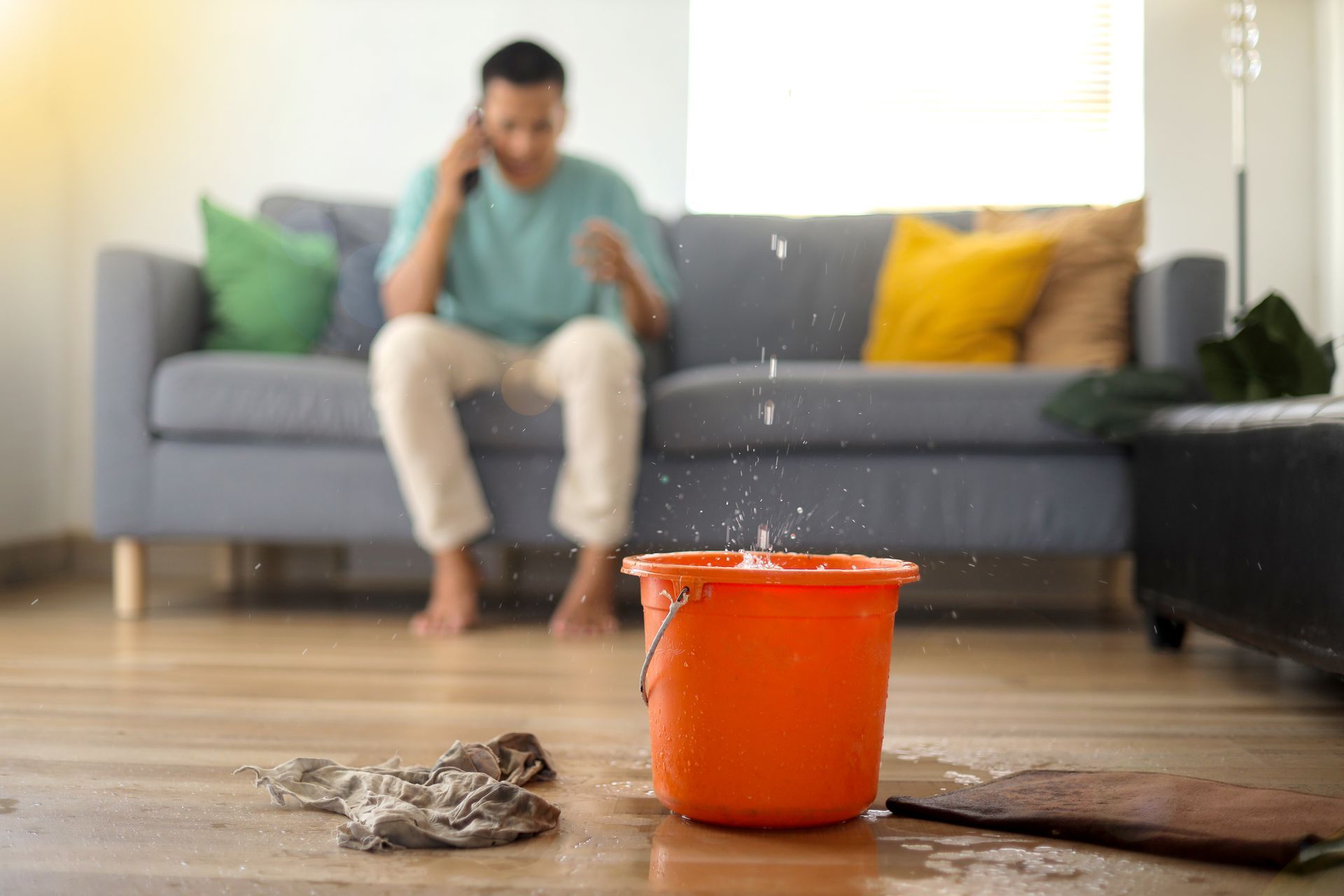
An inexpensive water alarm in the basement alerts you the moment water is detected, giving you time to act before a small amount becomes a major flood. Paired with a sump pump, it adds an early-warning layer.
Keep Interior Drains Clear
If your basement has floor drains, keep them clear so water can escape rather than pool. Blocked drains turn a manageable amount of water into a flood.
Seal Vulnerabilities in the Basement
The third layer is closing off the specific points where water enters. Even small gaps let significant water in under pressure.
Seal Foundation Cracks
Cracks in the foundation walls or floor are common entry points. Small cracks can be sealed with appropriate products, while larger or structural cracks need professional evaluation. Sealing cracks before storm season prevents them from becoming active leaks.
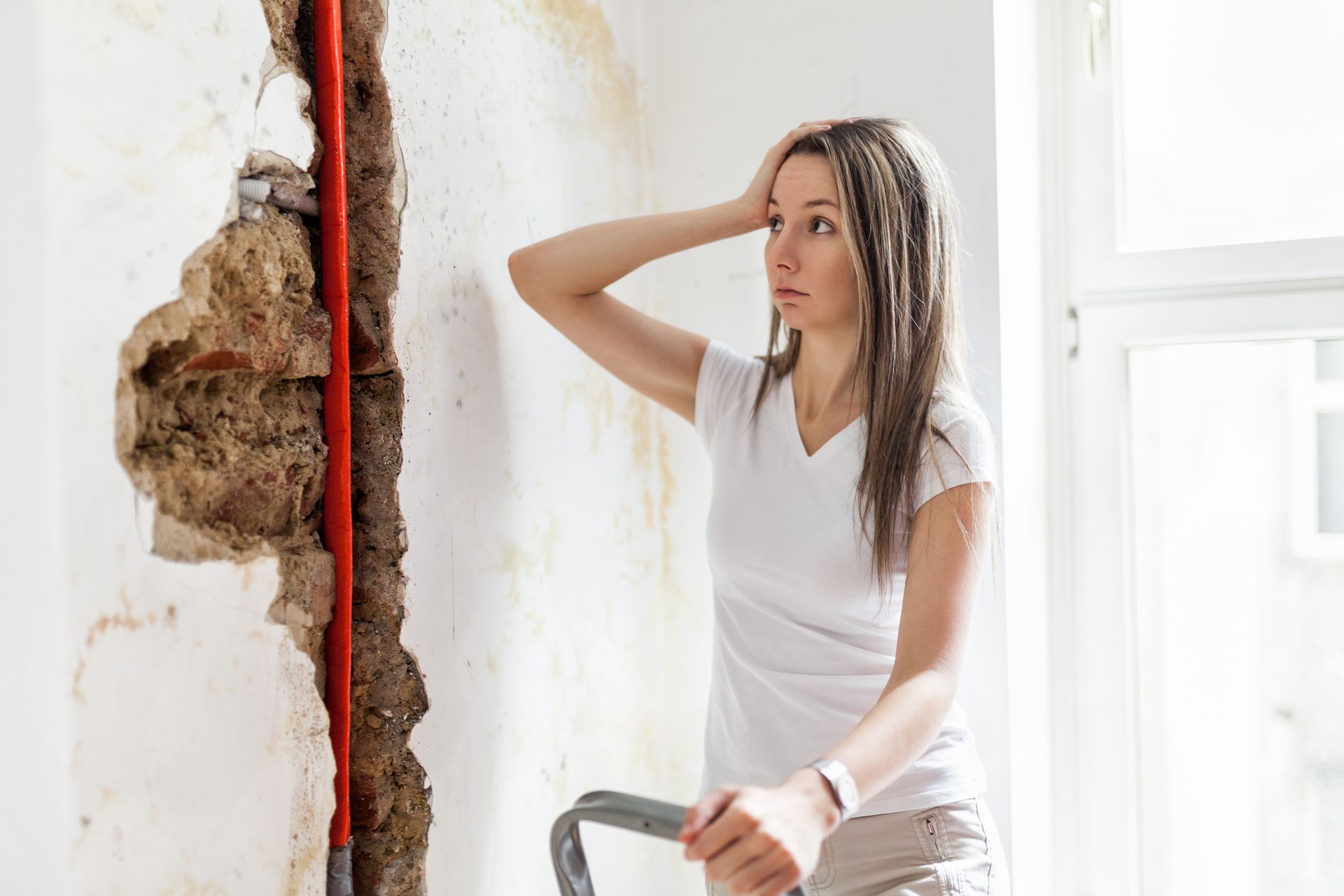
Not all cracks are equal. Fine, hairline cracks are common in concrete foundations and are often just cosmetic, but any crack that lets water in, is widening over time, or runs horizontally deserves attention. Horizontal cracks in particular can signal pressure from water-saturated soil pushing on the wall, which is both a water and a structural concern worth having evaluated rather than just sealing over.
Protect Window Wells
Below-grade window wells can fill with water and leak through the windows. Window well covers keep rain and debris out, and proper drainage in the well prevents water from pooling against the glass.
Address Pipe and Utility Penetrations
Gaps where pipes and utilities pass through the foundation are easy-to-miss entry points. Sealing these gaps closes off a path water uses to get in.
Waterproofing Where Needed
For basements with ongoing moisture, interior or exterior waterproofing systems provide a more comprehensive barrier. This is worth considering for homes with a history of dampness or minor water intrusion.
Your Basement Flood Prevention Checklist
Here is a practical checklist you can work through to protect your basement.
| Task | Frequency | Priority |
|---|---|---|
| Clean gutters | Twice a year (more in fall) | High |
| Check downspout extensions | Twice a year | High |
| Inspect and fix grading | Yearly | High |
| Test sump pump | Every few months | High |
| Confirm battery backup works | Twice a year | High |
| Seal foundation cracks | As found, before storm season | Medium |
| Check and cover window wells | Yearly | Medium |
| Clear interior floor drains | Yearly | Medium |
| Install a water alarm | Once | Medium |
| Consider waterproofing/drainage | As needed for chronic issues | Varies |
Working through the high-priority items first handles the most common flooding causes. The gutter, downspout, grading, and sump pump items alone prevent a large share of basement flooding.
Seasonal Prevention for Connecticut
Connecticut's seasons each bring different flooding risks, so prevention is partly about timing.
Spring
Spring is the highest-risk season, combining snowmelt with heavy rains and a saturated water table. Before spring, confirm your sump pump and backup work, clear gutters of winter debris, and check that downspouts and grading are directing meltwater away.
Summer
Summer brings sudden, heavy thunderstorms that can dump large amounts of water quickly. Keep gutters clear and drains open so your system can handle a fast, intense downpour.
Fall
Fall means falling leaves that clog gutters and downspouts right before winter. Cleaning gutters thoroughly in late fall is one of the most important seasonal tasks for preventing water problems.
Winter
Winter brings freeze-thaw cycles and, later, ice dams and snowmelt. Ice dam melt and midwinter thaws can send water toward the foundation. Our
ice dam roof leak guide covers a related winter water risk.
What to Do If Your Basement Floods Anyway
Even with prevention, severe storms can overwhelm defenses. If your basement floods, acting quickly limits the damage.
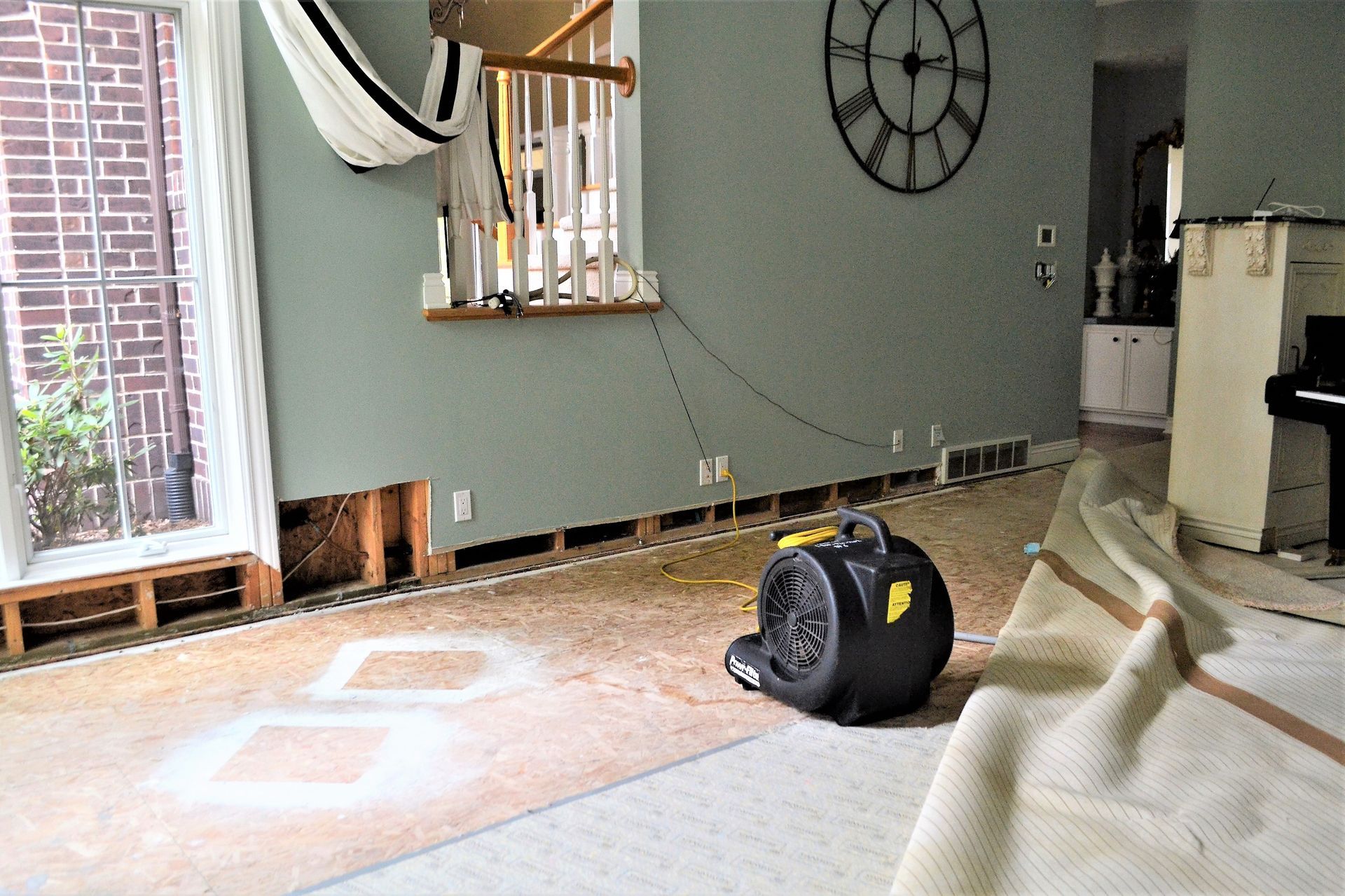
Prioritize safety first: if there is standing water, be cautious of electrical hazards and shut off power to the basement if you can do so safely. Avoid entering deep water. Once it is safe, the goal is to remove the water and begin drying as fast as possible, because mold can start growing within 24 to 48 hours of water exposure.
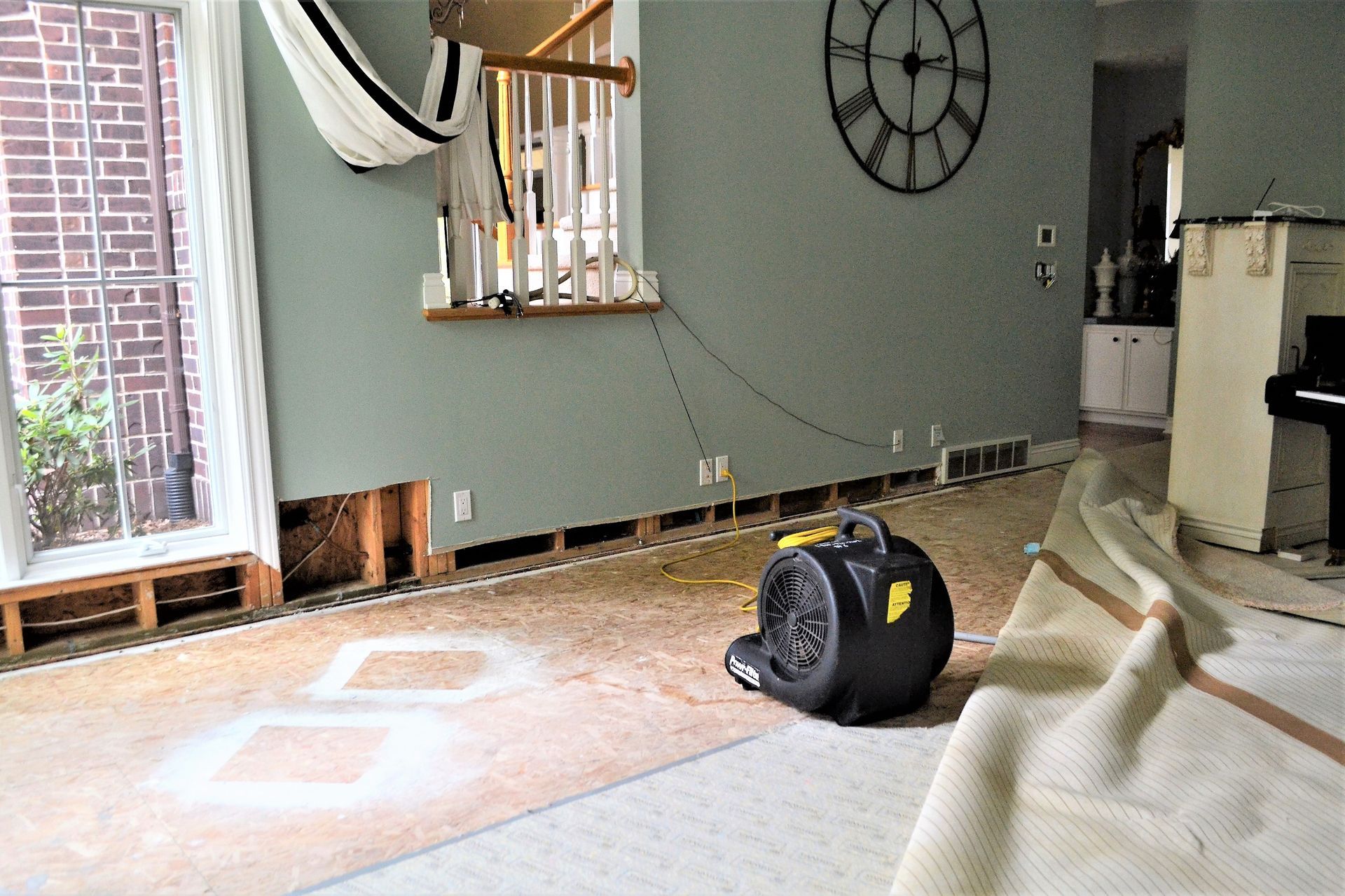
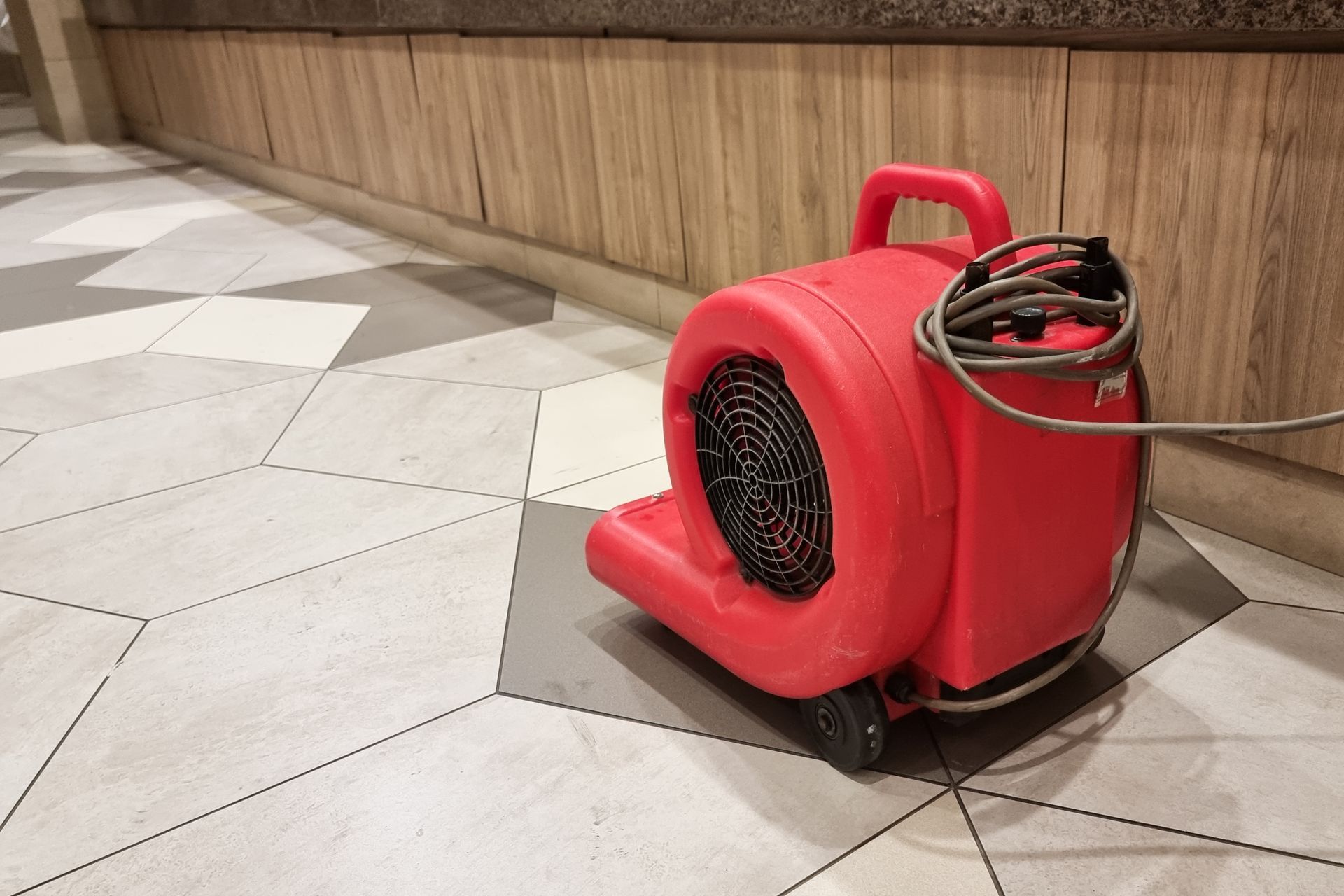
Document the damage with photos for insurance, remove water and wet materials, and get air moving to dry the space. For anything beyond a minor amount of clean water, professional water extraction and drying prevent the secondary damage, like mold and structural issues, that follows a flood. Speed matters more than almost anything else once water is in.
When to Bring in a Professional
Some situations call for professional help, both for prevention and for cleanup.
For Prevention
If your basement floods repeatedly despite basic measures, a professional can identify the underlying cause and recommend solutions like drainage systems or waterproofing. Chronic flooding usually has a root cause worth diagnosing rather than repeatedly cleaning up.
For Cleanup
For anything beyond a small amount of clean water, professional restoration is the safe choice. Standing water, sewage backups, and water that has soaked into walls, flooring, and belongings all need proper extraction, drying, and sometimes remediation to prevent mold and lasting damage.
Why Speed Matters
Because mold can begin growing within a day or two of water exposure, fast professional drying after a flood is what prevents a water problem from becoming a mold problem. Our
flooded basement cost guide covers what professional cleanup involves.
Protect Your CT Basement
Basement flooding is one of the more preventable water problems, and the steps that prevent it are mostly straightforward maintenance and a few targeted upgrades. Keeping water away from the foundation, managing what gets in with a reliable sump pump, and sealing the weak points together handle the large majority of flooding risk. A little prevention before storm season saves a great deal of cleanup after.
Incredible Restorations helps homeowners across Hartford County and central Connecticut both prevent and recover from basement flooding. If you have had water issues or want to protect your basement before the next storm,
contact us for guidance, or learn more about our
water damage and
storm damage restoration services.
Frequently Asked Questions
How do I stop my basement from flooding?
Focus on three layers: keep water away from the foundation with clean gutters, extended downspouts, and proper grading; manage water that gets in with a working sump pump and battery backup; and seal entry points like foundation cracks and window wells. Most basement flooding is prevented by handling these together, especially the exterior water control.
What is the most common cause of basement flooding?
The most common cause is water pooling against the foundation, usually from clogged gutters, downspouts that discharge too close to the house, or ground that slopes toward the foundation. That pooled water builds pressure and finds cracks and gaps to enter through. Heavy rain, snowmelt, and sump pump failure are other frequent causes.
Do I really need a sump pump backup?
For a flood-prone basement, yes. Storms often cause flooding and power outages at the same time, which is exactly when your sump pump is most needed and most likely to fail without power. A battery backup keeps the pump running through an outage, making it one of the most valuable upgrades for preventing storm-related flooding.
How do I prevent basement flooding in the spring?
Spring is the highest-risk season in Connecticut due to snowmelt and heavy rain. Before spring, test your sump pump and its backup, clean gutters of winter debris, confirm downspouts discharge well away from the house, check that grading directs meltwater away, and seal any foundation cracks. These steps handle the seasonal surge in water.
What should I do first if my basement floods?
Safety first: be cautious of electrical hazards with standing water and shut off power to the basement if you can do so safely, avoiding deep water. Then remove water and begin drying as fast as possible, since mold can start within 24 to 48 hours. Document the damage for insurance, and call a professional for anything beyond a minor amount of clean water.