What Happens If Water Damage Is Not Fixed?
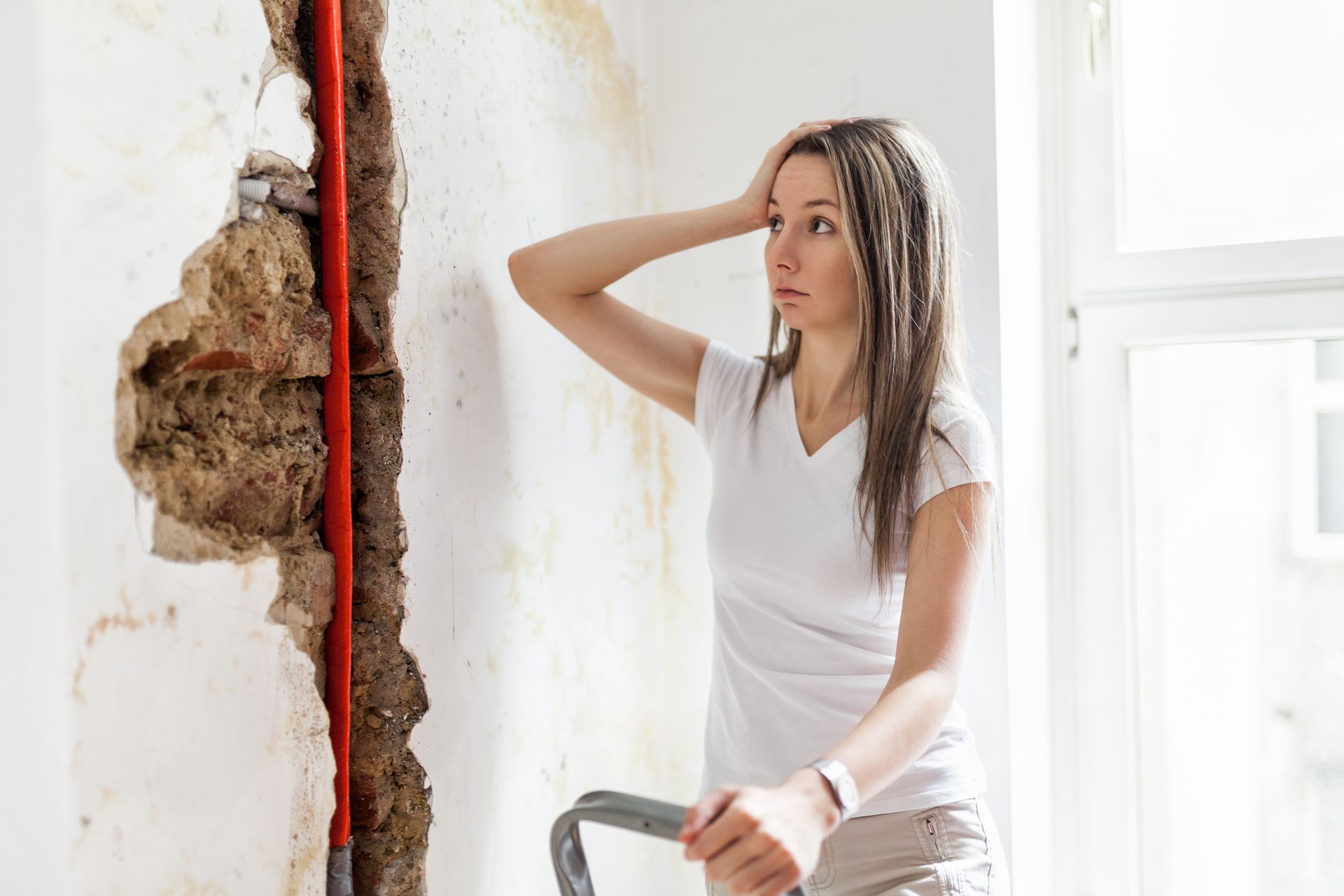
Water damage does not wait, and it does not fix itself. What looks like a small stain or a damp corner today is the visible edge of a problem that keeps spreading behind walls, under floors, and into the air you breathe. Left alone, a minor leak becomes mold, then rotted framing, then a health hazard and a five-figure restoration bill. Understanding exactly what happens, and how fast, is the difference between a quick fix and a major project.
At Incredible Restorations, LLC, we respond to water emergencies across Central Connecticut around the clock, and we have seen firsthand how quickly a delay turns costly. As an IICRC-certified, family-owned company based in Newington since 2017, we restore homes and work directly with insurers every day, so this guide reflects what actually unfolds when water damage is ignored rather than a worst-case scare story.
In This Guide
- The Water Damage Timeline: How fast damage escalates.
- Structural Damage: What water does to your home.
- Mold Growth: The 24 to 48 hour problem.
- Health Risks: Why indoor air matters.
- Rising Cost: How delay multiplies the bill.
- The Insurance Problem: Why waiting can void a claim.
- Warning Signs and What to Do: Acting before it spreads.
- Frequently Asked Questions: Quick answers.
The Water Damage Timeline
The most important thing to understand about water damage is that it is progressive, so every hour it sits, the damage compounds and the repair grows. Knowing the timeline makes the urgency clear in a way that a single photo of a stain never will.
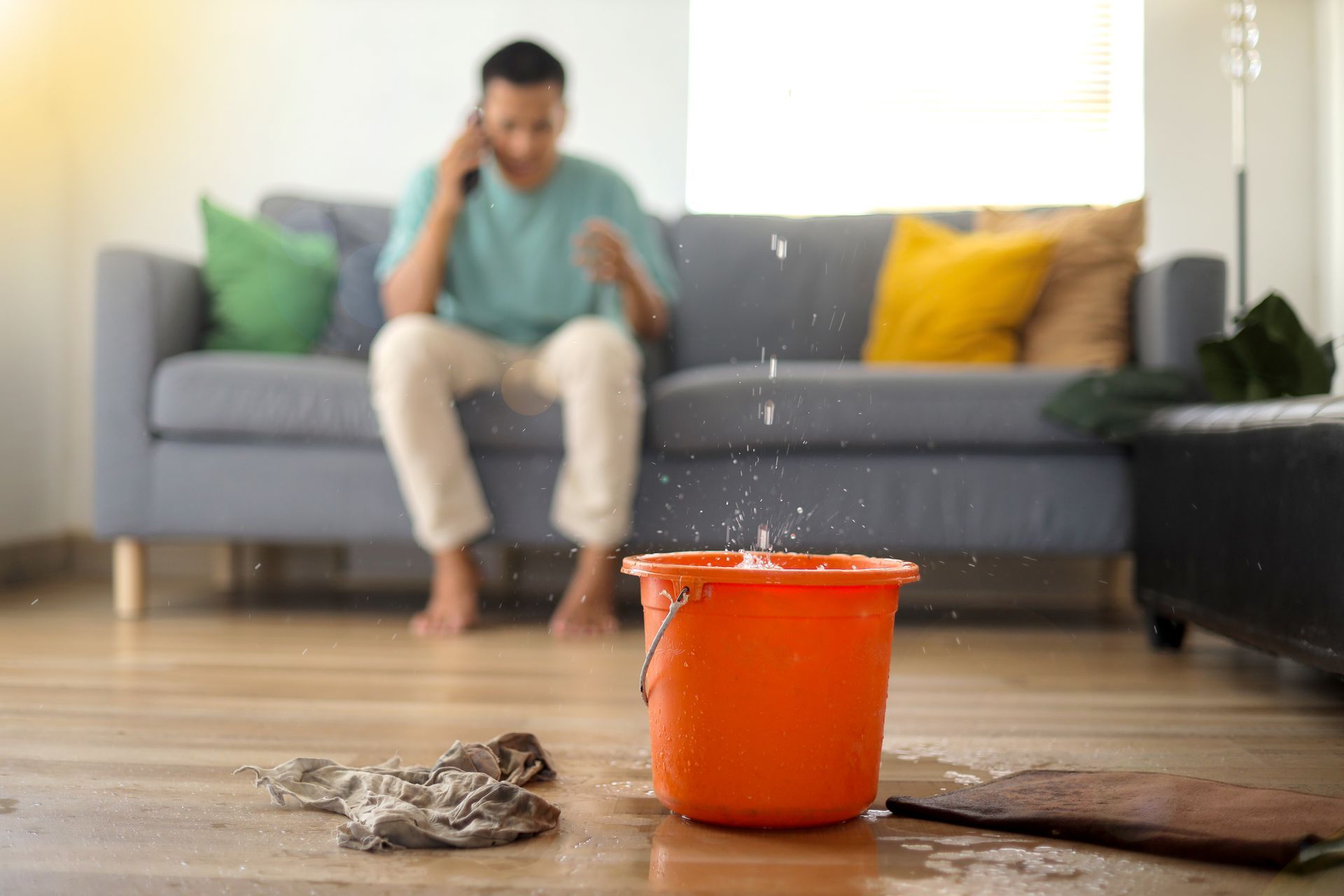
In the first few hours, water spreads far beyond the spot you can see, wicking into drywall, wood, insulation, and subflooring through the porous nature of building materials. Within 24 to 48 hours, saturated materials start to break down, wood begins to warp, drywall softens, and mold can begin to grow. After a few days to a week, mold spreads, odors set in, and structural materials keep weakening. Beyond that, you move into the territory of rotted framing, ruined finishes, and contamination that demands full-scale restoration rather than a simple dry-out.
| Timeframe | What Is Happening | Typical Outcome |
|---|---|---|
| First hours | Water wicks into drywall, wood, and subfloor | Staining, swelling, hidden spread |
| 24 to 48 hours | Materials break down, mold can start | Warping, softening, early mold |
| Days to weeks | Mold spreads, structure weakens | Rot, odors, major repairs |
The takeaway from the timeline is simple: the cost and complexity of fixing water damage rise sharply with time, which is why fast professional drying is the single best way to protect your home and your wallet.
Why Connecticut Homes Are Especially at Risk
Our climate adds a few wrinkles that make a fast response even more important here. Connecticut winters bring freeze-thaw cycles and frozen pipes that can burst and flood a home in minutes, while humid summers keep indoor moisture high and give mold ideal conditions to grow. Many homes in the region also have finished or partially finished basements, which are the first place water collects and the last place it is noticed. A leak that might dry out quickly in a dry climate can linger for weeks in a damp Connecticut basement, which is exactly the kind of slow, hidden exposure that leads to the worst outcomes.
Structural Damage
Water quietly attacks the materials that hold a house together, and because so much of the damage happens out of sight, homeowners often underestimate it until something sags, cracks, or gives way. The structure is where a delayed response gets expensive.
What Water Does to Building Materials
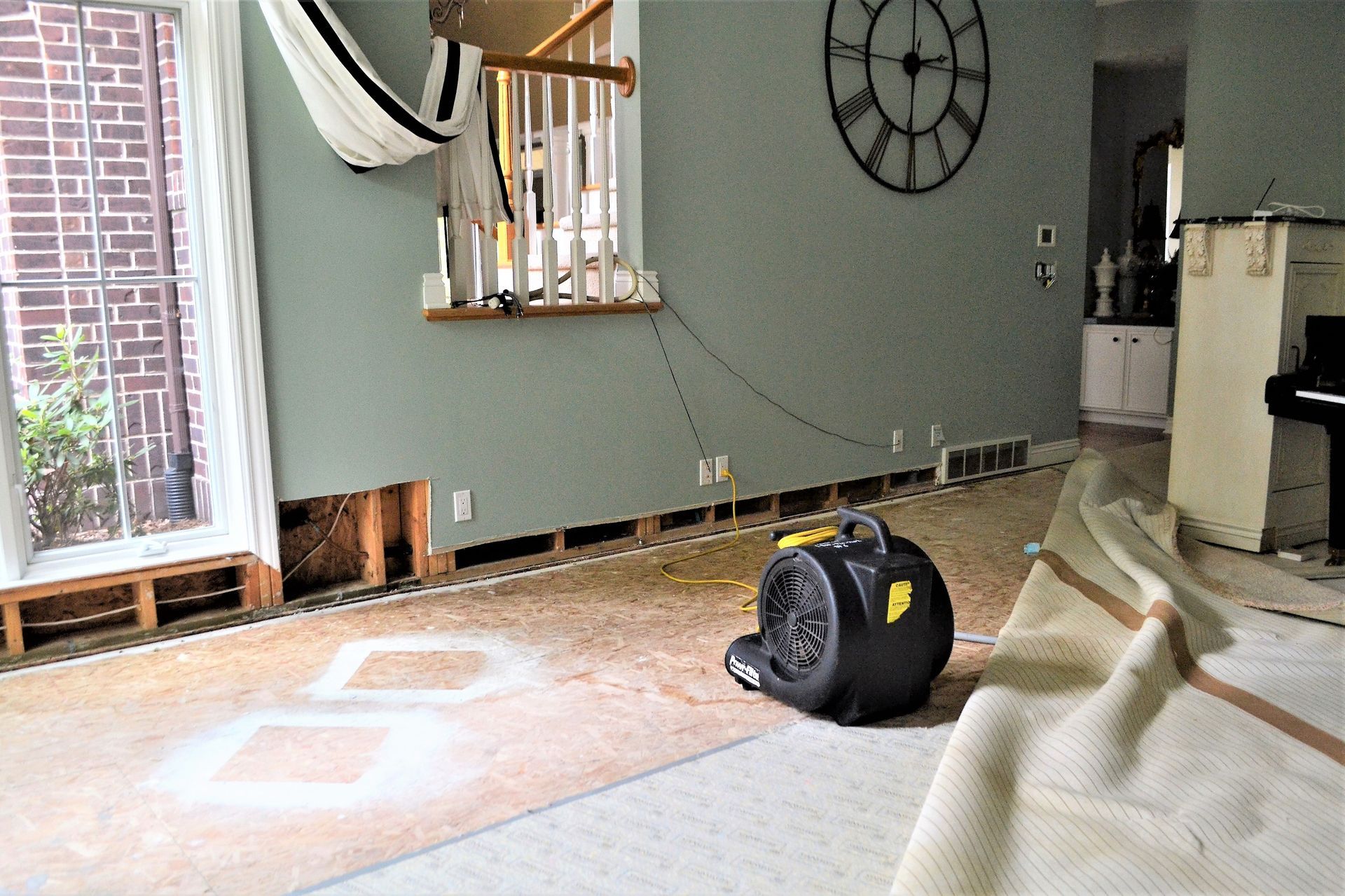
Wood framing and subflooring absorb moisture, then swell, warp, and eventually rot, losing the strength they were designed to provide. Drywall wicks water upward, softens, crumbles, and often has to be cut out and replaced rather than dried in place. Flooring is especially vulnerable, since hardwood cups and buckles and laminate delaminates, and once those materials deform, replacement is usually the only option.
The Hidden Spread
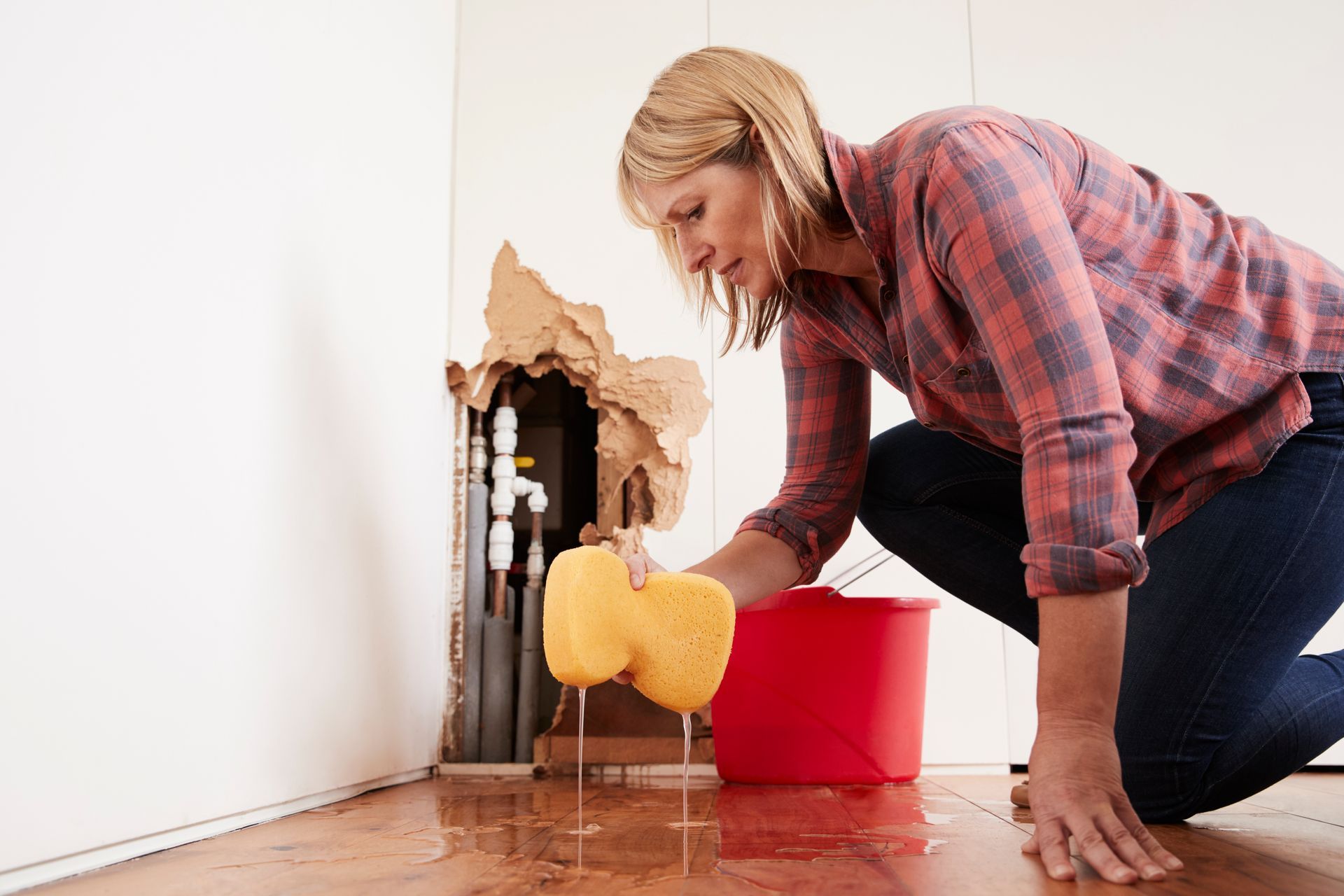
The damage you cannot see is the part that turns a repair into a reconstruction. Moisture travels through wall cavities, under flooring, and into ceilings, weakening materials in rooms far from the original leak. This is exactly why professional restoration relies on moisture meters and thermal imaging to find water that a visual check would miss, and why guessing at the extent of a leak so often leaves damage behind.
Mold Growth
Of all the consequences of untreated water damage, mold is the fastest to arrive and the most stubborn to remove, which is why it deserves its own attention. Where there is lingering moisture, mold is not a possibility but a near certainty.
Under the right conditions, mold can begin to grow within 24 to 48 hours of a water event, feeding on damp drywall, wood, and insulation. Once established, it releases spores into the air and spreads into hidden spaces like wall cavities, the areas under flooring, and HVAC systems, which is what turns a contained water problem into a whole-home air quality problem. Painting over a stain or running an air freshener does nothing to stop it, because the mold is feeding on moisture inside the structure. The only real fix is to dry the source completely and, once mold has taken hold, to remediate it properly. When water damage has already led to mold, our
mold remediation team handles the containment and safe removal that a surface cleaning cannot.
Health Risks
A water-damaged home is not just a structural concern; it can affect the health of everyone living in it, and that is often the consequence homeowners weigh most heavily once they understand it. Damp indoor environments and the mold they breed degrade the air quality inside your home.
Exposure to mold and persistent dampness is commonly linked to respiratory irritation, coughing, congestion, and worsened allergies and asthma. The effects tend to hit hardest for the people most sensitive to them, including young children, older adults, and anyone with a compromised immune system or an existing respiratory condition. Musty odors are a warning that moisture or growth is still active inside the structure, not a cosmetic nuisance to be masked. Because these risks build quietly over weeks and months, a water problem that seems minor can slowly undermine the comfort and health of the whole household.
Rising Cost
The financial case for acting quickly is the one most homeowners find persuasive, because the numbers move in one direction: up. Delay is what turns an affordable repair into a major expense.
Caught early, water damage is typically a matter of extraction, professional drying, and targeted repairs, which is the least disruptive and least costly path. Left to spread, the same event can require replacing flooring, drywall, and framing, plus mold remediation on top of it all, and a repair that might have cost a few hundred dollars can climb into the thousands. There is also the resale angle: visible water damage or a history of it can lower your home's value and scare off buyers or their inspectors. The pattern is consistent, so the earlier the response, the smaller the bill, which is the core reason not to wait even when the damage looks minor on the surface.
The Insurance Problem
Here is the consequence that catches homeowners most off guard: waiting to address water damage can jeopardize your insurance coverage, turning a covered loss into an out-of-pocket one. This is the part worth reading twice.
Most homeowners policies expect you to mitigate damage promptly, meaning you are obligated to take reasonable steps to stop a loss from getting worse. If an insurer determines that damage spread because you delayed or failed to report it in a timely way, it may reduce or deny the claim, arguing the additional damage was preventable. Documenting the damage right away and getting a professional response quickly protects your claim as well as your home. Because navigating this is stressful in the middle of an emergency, we work directly with insurers on our clients' behalf, documenting the loss and the work so the claim is as strong as it can be. Acting fast is not only cheaper, it is often what keeps your coverage intact.
Warning Signs and What to Do
Since so much water damage hides inside the structure, knowing the early warning signs lets you act before a small problem becomes a large one. If you notice any of these, treat them as a reason to investigate rather than wait.
- Stains or discoloration on walls, ceilings, or floors with no obvious cause.
- A persistent musty smell, which often signals hidden moisture or mold.
- Warping, bubbling, or peeling of paint, flooring, or drywall.
- Unexplained dampness or humidity in a basement, bathroom, or wall.
- A spike in your water bill, which can point to a hidden leak.
If you spot these signs, the right move is to stop the water source if you safely can, avoid painting or covering the damage, and call a professional to assess the full extent with proper equipment. Fast, thorough drying is what prevents the cascade of mold, structural damage, and cost this guide describes. Our team responds 24/7 across Connecticut, and you can learn more about our
water damage restoration process or how long a proper dry-out takes in our guide to
how long water damage takes to dry.
Do Not Wait on Water Damage, Call Incredible Restorations
Water damage only gets worse and more expensive the longer it sits, and the smartest move is always a fast, professional response. For homeowners across Connecticut, Incredible Restorations is ready around the clock to dry, repair, and protect your home and your insurance claim.
Call Incredible Restorations at (866) 985-4551 or
contact us online
for 24/7 emergency service and a free assessment. We work directly with your insurance to make the process as stress-free as possible.
Frequently Asked Questions
How quickly does water damage cause mold?
Mold can begin to grow within 24 to 48 hours of a water event under the right conditions, feeding on damp drywall, wood, and insulation. That short window is why fast, professional drying matters so much. Once mold takes hold, it spreads into hidden areas and requires proper remediation rather than surface cleaning.
Can I just let water damage dry on its own?
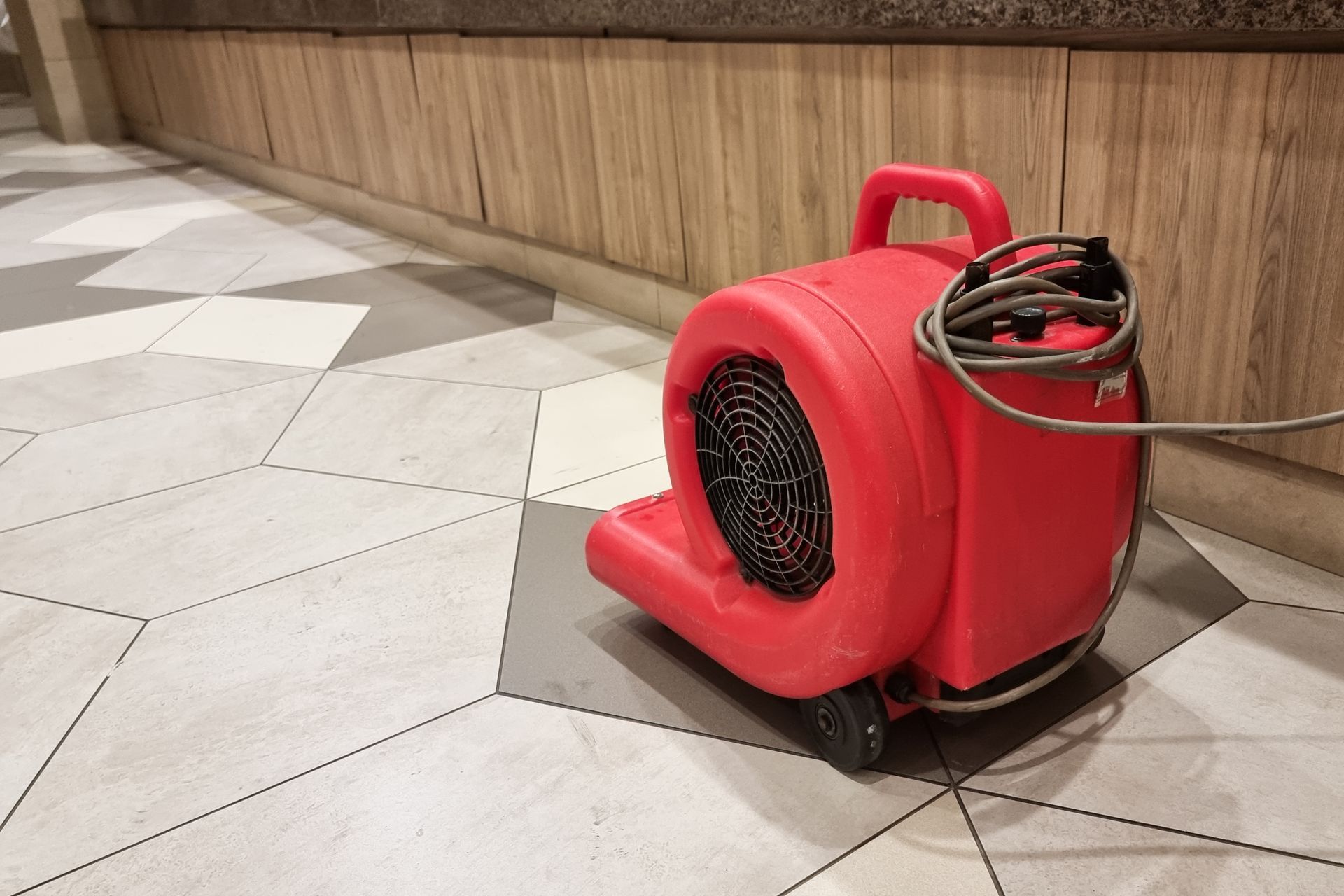
No. Air-drying rarely reaches the moisture trapped inside walls, under floors, and in subflooring, so damage and mold continue to develop out of sight. Professional restoration uses moisture meters, thermal imaging, and commercial drying equipment to dry the structure fully, which is what prevents long-term problems.
Will my insurance still cover water damage if I wait?
It may not. Most policies require you to mitigate damage promptly, and an insurer can reduce or deny a claim if it decides the damage worsened because you delayed or failed to report it. Documenting the loss and calling a professional right away protects both your home and your coverage.
Is water damage really that dangerous to my health?
It can be. Damp environments and the mold they breed are linked to respiratory irritation, allergies, and worsened asthma, with the greatest effects on children, older adults, and those with existing health conditions. A musty smell is a sign that moisture or mold is still active and affecting your indoor air.
How much does it cost to fix water damage if I act early?
Caught early, water damage is usually limited to extraction, drying, and targeted repairs, which is far less costly than the full restoration a delayed response can require. Because the price depends on the source, the area affected, and whether mold has developed, a professional assessment gives you an accurate figure for your situation.