Water Damage Behind Walls: Signs, Risks, and What to Do
Quick Answer: Water damage behind walls usually shows up before you ever see a drip. Watch for discoloration or stains, bubbling or peeling paint, a musty smell, soft or warped drywall, and unexplained damp spots. The risks are serious, because hidden moisture leads to mold within 24 to 48 hours, wood rot, and structural and electrical problems. If you notice the signs, act fast: find and stop the source, and bring in a professional to assess and dry the area before the damage spreads.
At Incredible Restorations, we are an IICRC-certified, family-owned restoration company that has served Central Connecticut since 2017, and hidden in-wall water damage is one of the most common problems we are called to fix. We see every day how a small leak behind drywall becomes a major repair when it goes unnoticed. This guide walks you through the warning signs, the real risks, and exactly what to do if you suspect water is getting into your walls.
Signs of Water Damage Behind Walls
The tricky thing about water damage inside a wall is that the water itself is hidden. What you can see are the clues it leaves on the surface, and those clues usually appear weeks before any visible drip. Learning to read them is the key to catching a problem early.
The signs tend to arrive in a rough order. A faint stain or a slightly musty smell often comes first, followed by paint changes and, eventually, soft or warped drywall as the material absorbs more water. The earlier in that progression you catch it, the smaller and cheaper the fix, which is why it pays to investigate the subtle signs rather than wait for something obvious.
If you notice several of these signs in the same area, treat it as time-sensitive. Together they strongly suggest an active moisture source behind the surface.
Visual Signs
These are the changes you can spot with your eyes, often the first thing homeowners notice.
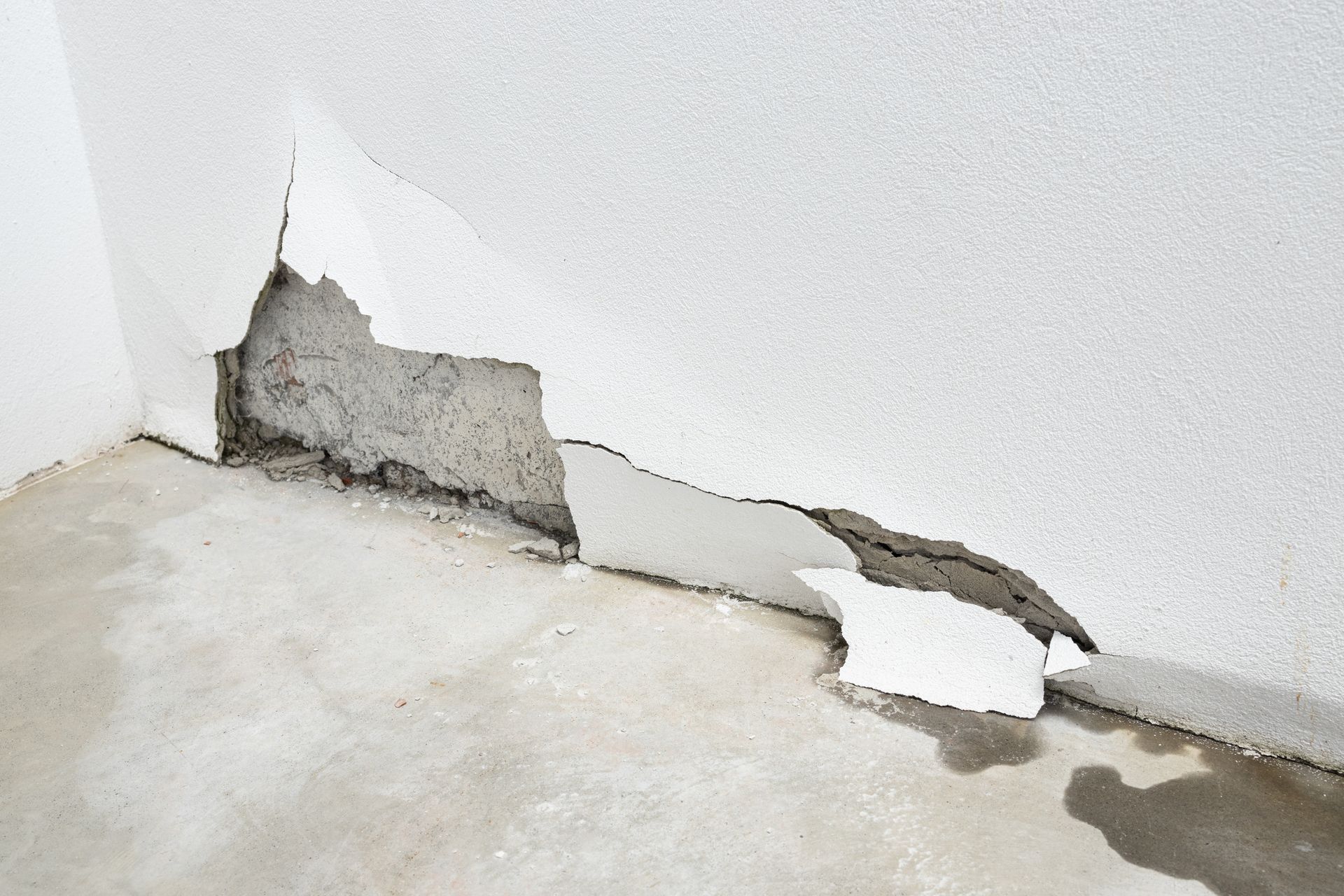
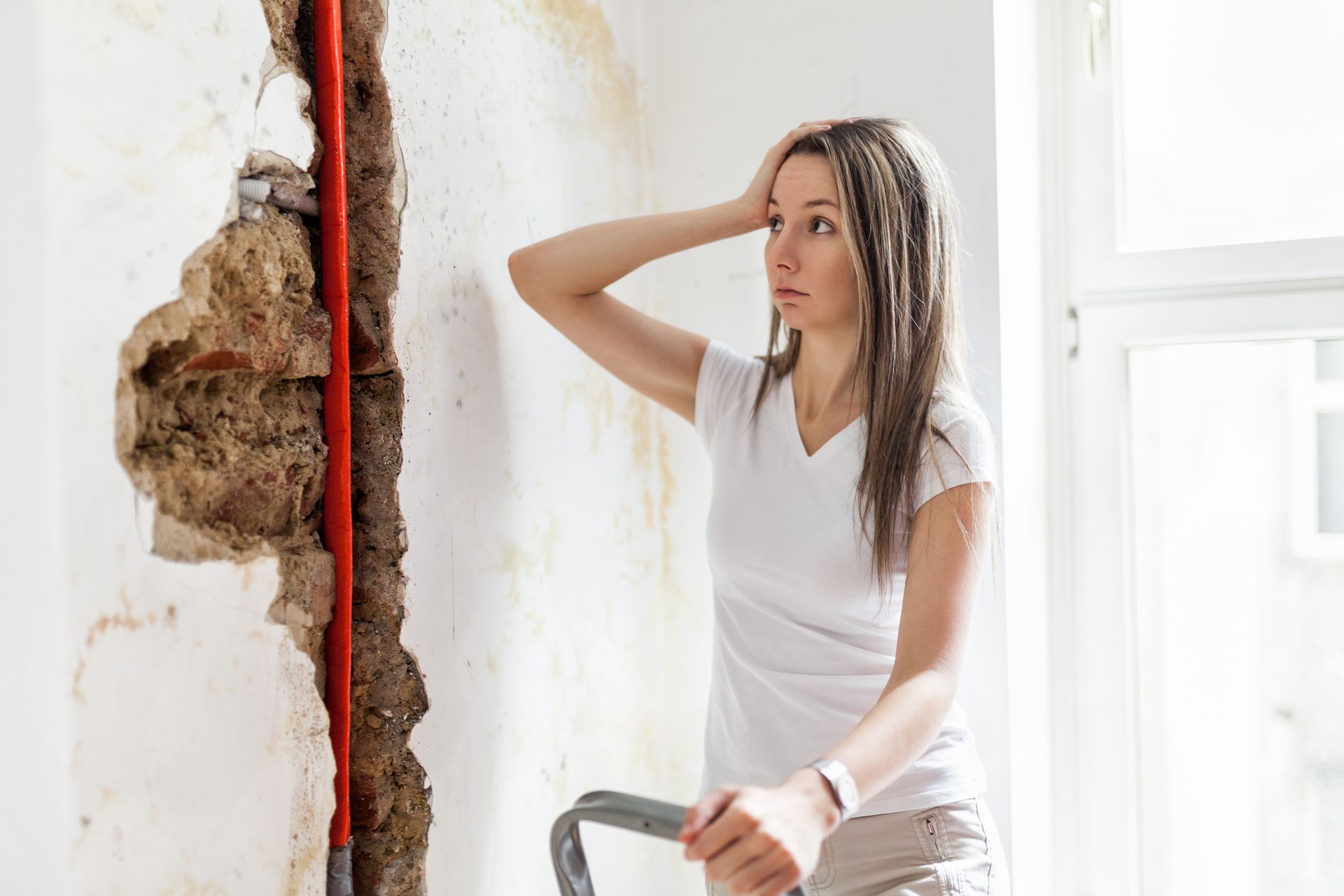
- Yellow, brown, or copper-toned stains on the wall or near baseboards
- Bubbling, peeling, or blistering paint or wallpaper
- Warped, bulging, or uneven wall surfaces
- Visible mold or dark spots, especially in corners
- White, chalky deposits on masonry, known as efflorescence
Reading the Signs at a Glance
This table lines up the most common signs with what they usually point to and how quickly to act.
| Sign | What It Usually Means | How Urgent |
|---|---|---|
| Stains or discoloration | Moisture reaching the drywall surface | Investigate soon |
| Bubbling or peeling paint | Water collecting behind the paint | Investigate soon |
| Soft or warped drywall | Active saturation from behind | Act quickly |
| Musty odor | Likely mold already growing | Act quickly |
Signs You Can Feel or Smell
Not every clue is visible, so use your other senses too. A persistent musty or earthy odor is one of the most reliable indicators of hidden moisture and possible mold. Soft or spongy drywall that gives when you press gently points to water saturating it from behind, and areas that feel cool or damp to the touch often mark where moisture is collecting. An unexplained jump in your water bill can also signal a hidden leak.
What Causes It
Water gets behind walls from a handful of common sources, and knowing them helps you figure out where to look. Most of the time the culprit is plumbing, but not always.
Pinpointing the source matters, because stopping the water is the first step to any lasting fix. Treating the surface without addressing the cause just lets the problem return.
Common Sources
The usual causes of in-wall water damage fall into a few categories.
- Plumbing leaks: Burst or slowly leaking pipes hidden inside the walls are the most frequent cause.
- Bathroom failures: Aging or cracked caulk and grout let shower and sink water seep behind tiled walls.
- Roof and exterior intrusion: Water from a roof leak or a gap in the exterior can travel down inside a wall cavity.
- Appliance connections: Supply lines to washing machines, dishwashers, and refrigerators can fail behind or near walls.
The Connecticut Winter Factor
Our climate adds a seasonal risk. Connecticut winters bring frozen and burst pipes, which can release large amounts of water inside walls very quickly. Ice dams on the roof can also force meltwater down into wall cavities. If you are dealing with a winter pipe problem, our guides on
what to do about a burst pipe and
frozen pipe cleanup walk through the immediate steps.
The Risks of Ignoring It
It can be tempting to wait and see with a small stain or a faint smell, but water damage behind walls almost never resolves on its own. Left alone, a minor problem compounds into several serious ones, which is why early action matters so much.
The risks fall into three main categories, and they tend to build on one another the longer the moisture stays.
Mold and Health
Mold is the fastest-moving risk. According to EPA and CDC guidance, mold can begin colonizing wet building materials within 24 to 48 hours, and indoor humidity issues like these are linked to a large share of indoor air quality problems. Hidden wall cavities are an ideal environment for mold, and it can affect the air your family breathes before you ever see it. Our mold remediation team handles exactly this kind of hidden growth.
What makes in-wall mold especially stubborn is that it grows in the dark, undisturbed, on the paper backing of drywall and on wood framing. By the time a musty smell reaches the room, the colony behind the surface is often well established. This is why surface cleaning alone rarely solves the problem, and why the source of moisture has to be found and dried before the mold is removed.
Structural and Electrical Damage
Over time, trapped moisture weakens the materials that hold your home together. Wood framing can rot, drywall breaks down, and the wall's structural integrity suffers. There is an added danger when water reaches wiring, outlets, or junction boxes inside the wall, which creates a genuine electrical hazard. This is one reason poking around a wet wall yourself is risky, and why a professional assessment is the safer path.
How to Confirm Hidden Water Damage
If you suspect water behind a wall but are not certain, there are ways to confirm it before opening anything up. Some you can do yourself, and some are best left to a professional with the right equipment.
Confirming the problem, and its extent, is what tells you whether you are dealing with a small fix or something larger.
What You Can Check
A few simple checks are safe for any homeowner. Gently press on suspect drywall to feel for softness, use the back of your hand to check for cool or damp spots, and follow your nose to the strongest source of any musty odor. An inexpensive moisture meter, often $30 to $80, can confirm elevated moisture in drywall and wood when pressed against the surface.
Focus your checks on the areas most likely to hide moisture: around and under bathrooms and kitchens, near exterior walls, behind appliances that use water, and along baseboards below plumbing runs. Water also travels, so the wet spot you find is not always directly below the leak. If your readings are high or the signs cluster in one area, that is your cue to bring in a professional rather than start opening the wall yourself.
When a Professional Is the Better Call
Professionals bring tools that see what you cannot. Thermal imaging cameras reveal temperature differences that map hidden moisture behind walls, and professional-grade moisture meters measure exactly how far the damage extends. That matters because the visible damage is often smaller than the actual wet area. An accurate assessment prevents both under-drying, which leaves moisture to fuel mold, and unnecessary demolition.
What to Do About It
When you have confirmed or strongly suspect water damage behind a wall, a clear sequence protects your home and limits the cost. The two priorities are stopping the water and drying the area quickly and completely.
Speed matters here more than almost anywhere else in home maintenance, because of how fast mold takes hold.
Immediate Steps
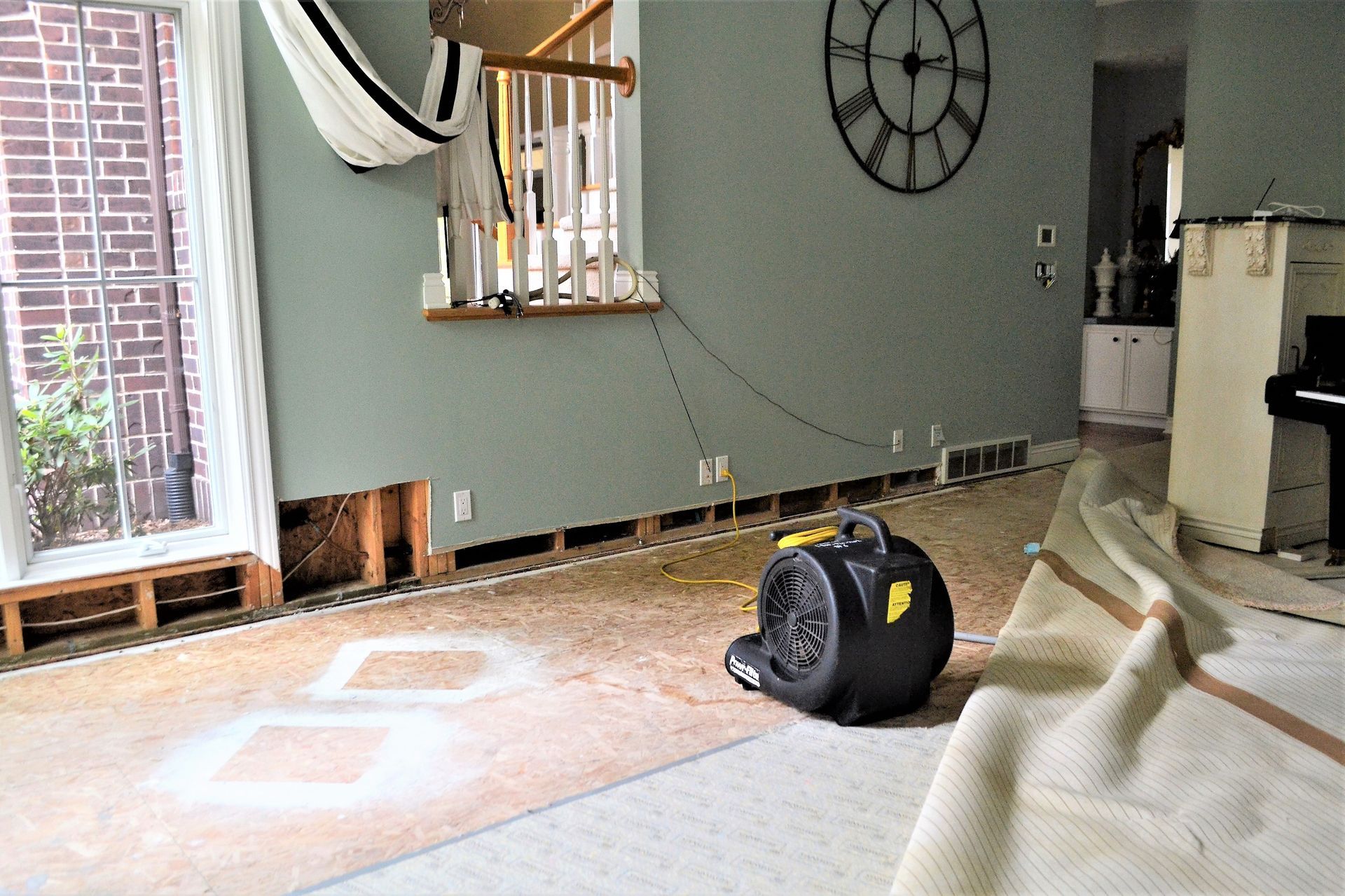
First, stop the water at its source, which may mean shutting off the supply to a fixture or the main if a pipe has failed. Then remove what you can from the area to protect it, and if there is any chance water has reached wiring or outlets, avoid contact with the wall and keep the power off to that area until it is checked. Document everything with photos, since that record helps if you file an insurance claim.
Resist the urge to simply paint over a stain or patch the drywall to make it disappear. Cosmetic fixes hide the problem without solving it, and the moisture keeps working behind the surface, often emerging larger a few months later. The goal at this stage is containment and documentation, not a permanent repair, which comes only after the cavity is fully dried and the source is fixed.
Bring in a Professional
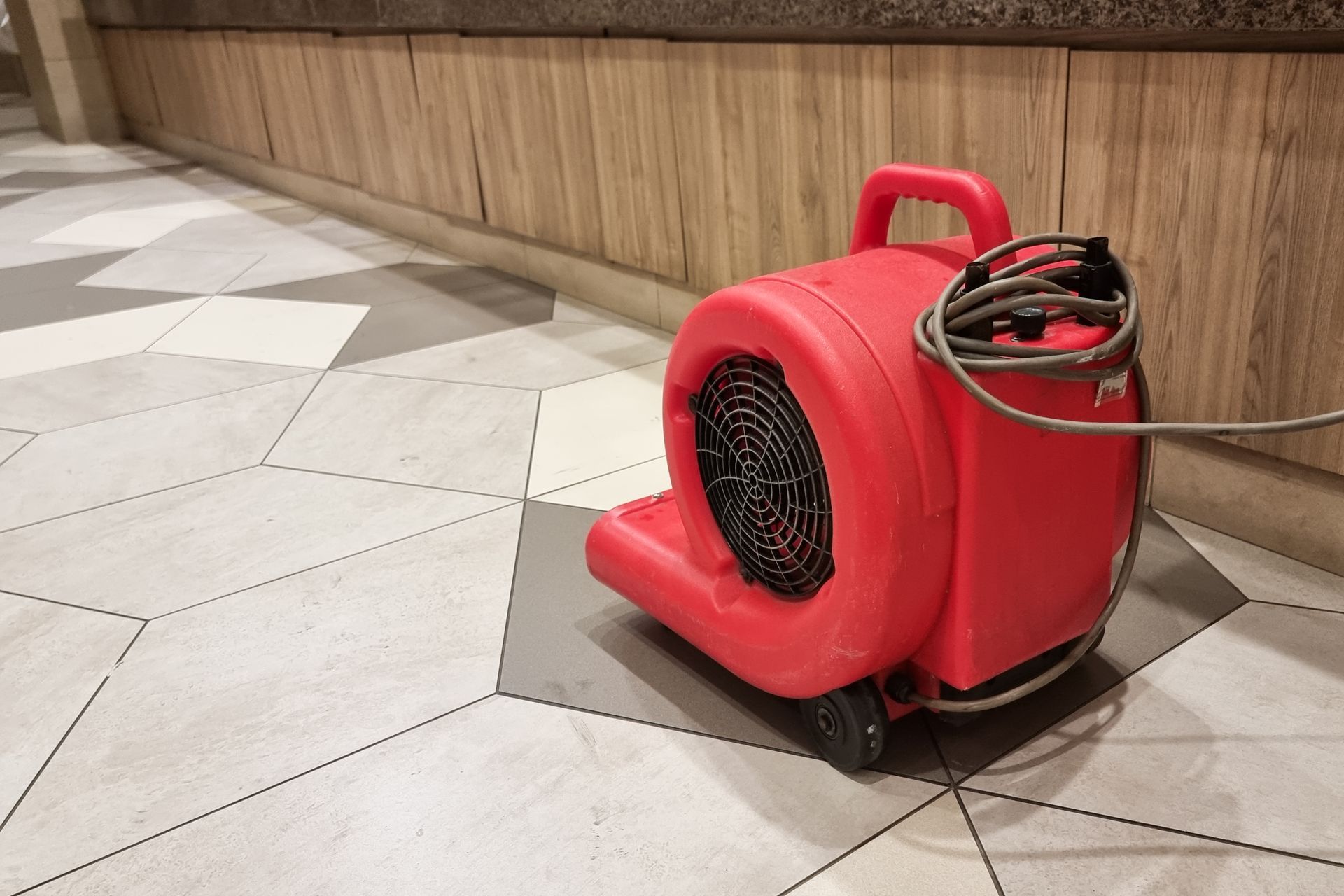
Proper restoration means drying the wall cavity completely, not just the surface, using professional dehumidifiers and air movers, and removing any materials too saturated to save. Doing this correctly is what prevents mold and repeat damage down the road, as we explain in our guide on whether
water damage can come back. Because insurance often plays a role, and coverage can be confusing, our overview of whether
homeowners insurance covers water damage
can help you understand what to expect.
Protect Your Home From Hidden Water Damage
If you suspect water damage behind your walls, the smartest move is to act quickly. Incredible Restorations is an IICRC-certified, family-owned restoration company serving Central Connecticut since 2017, with 24/7 emergency response and a team that works directly with your insurance provider. Call or text us anytime at (866) 985-4551, and we will help you find the source, dry it out properly, and restore your home.
Frequently Asked Questions
How can I tell if there is water damage behind my wall?
Look for discoloration or stains, bubbling or peeling paint, warped or soft drywall, and a persistent musty odor, which often appear weeks before any visible drip. If you notice several of these signs in the same area, there is likely an active moisture source behind the surface, and it is worth investigating quickly.
Is water damage behind walls dangerous?
It can be. Hidden moisture leads to mold growth within 24 to 48 hours, which affects indoor air quality, and over time it causes wood rot and weakens the wall's structure. It also poses an electrical hazard if water reaches wiring or outlets, which is why a professional assessment is the safer approach.
How fast do I need to act on water behind a wall?
Quickly. Public health guidance indicates mold can begin developing on wet materials within 24 to 48 hours, so the sooner you stop the source and dry the area, the better. Fast action limits both the health risks and the cost of repairs.
Can I fix water damage behind a wall myself?
You can safely check for signs with a moisture meter and stop the water at its source, but full restoration is best left to professionals. They use thermal imaging to map the true extent of the damage and dry the wall cavity completely, which prevents the mold and repeat damage that surface fixes miss. There is also an electrical risk in a wet wall that makes DIY tear-out unwise.
Will insurance cover water damage behind my walls?
It depends on the cause. Homeowners insurance often covers sudden and accidental water damage, such as a burst pipe, but typically not gradual leaks or neglect. Coverage varies by policy, so check yours and speak with your insurer. Our guide on whether homeowners insurance covers water damage explains the distinctions in more detail.