Does Homeowners Insurance Cover Water Damage? What's Actually Included
Quick Answer: Homeowners insurance usually covers water damage that is sudden and accidental, like a burst pipe or a ruptured water heater, but not damage that develops gradually from a slow leak or neglect. Two big exclusions catch people off guard: outside flooding needs a separate flood policy, and sewer or drain backups usually require an add-on. The deciding question on almost every claim is whether the damage happened suddenly or built up over time. Coverage varies by policy, so this is a general guide, not a substitute for reading yours.
At Incredible Restorations, we are an IICRC-certified, family-owned restoration company serving Central Connecticut since 2017, and we work directly with our clients' insurance providers on water damage claims all the time. That gives us a practical, on-the-ground view of what tends to get covered and what gets denied. This guide explains how coverage generally works so you know what to expect, though your own policy and insurer always have the final say.

The Rule That Decides Most Claims
If you remember one thing about water damage coverage, make it this: standard homeowners policies distinguish between sudden and accidental damage, which is generally covered, and gradual damage, which generally is not. This single distinction determines whether most claims get paid or denied.
It applies to virtually every standard homeowners policy in the country, which is why understanding it up front saves so much frustration later. Homeowners who know the distinction tend to respond to a leak differently, acting fast and documenting the event, which happens to be exactly what supports a successful claim. Those who do not know it are the ones most often caught off guard when a claim is denied.
Insurers take this position because they see gradual damage as preventable through routine maintenance, while a sudden, unexpected failure is exactly the kind of loss insurance exists to cover. Understanding where your situation falls is the first step to knowing what to expect.
Sudden and Accidental
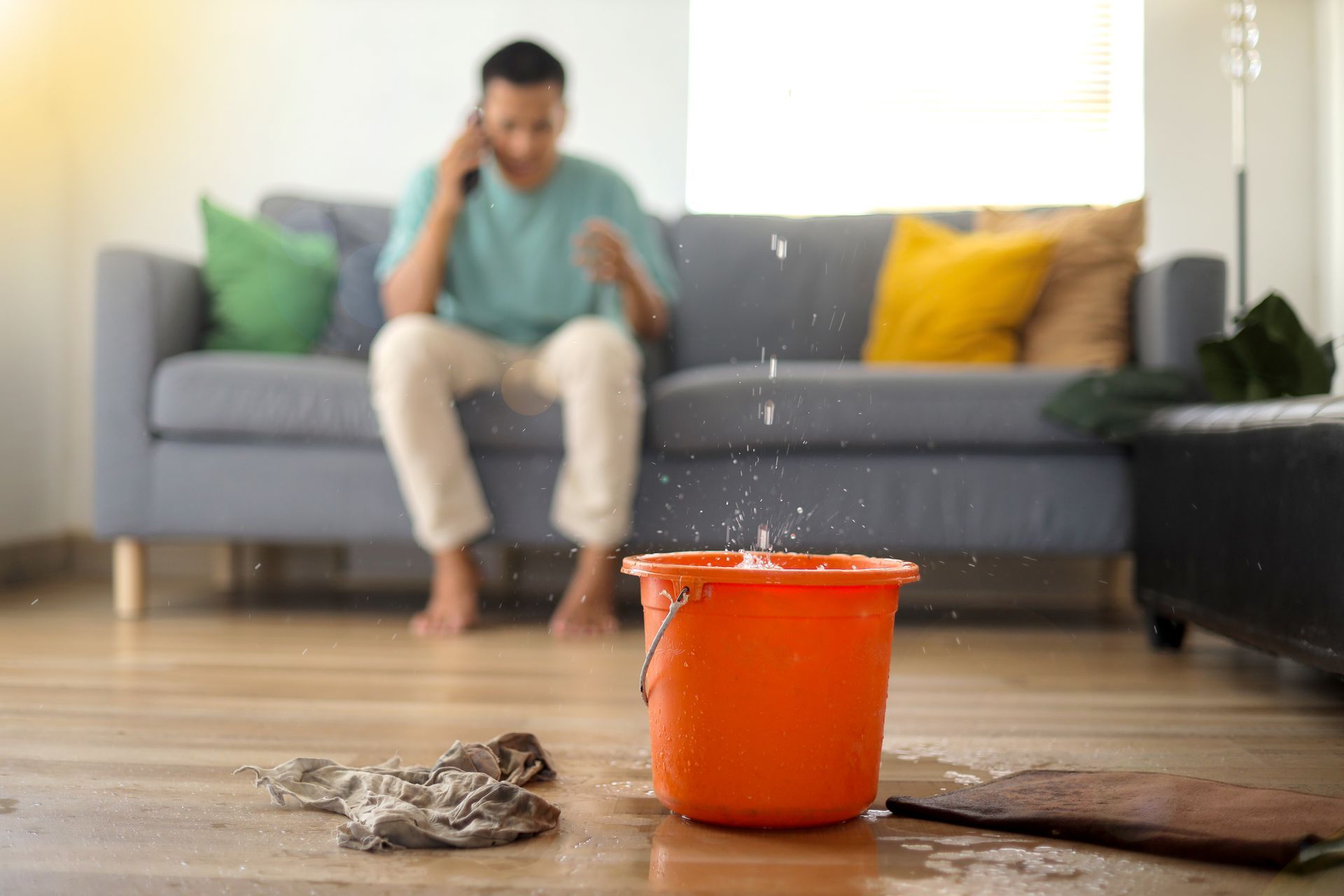
Sudden and accidental means the damage happened quickly and without warning, and was not the result of neglect. A pipe that bursts, a water heater that ruptures, or an appliance hose that suddenly fails all fit this description. These events are unpredictable and immediate, which is why standard policies are designed to respond to them.
Gradual Damage
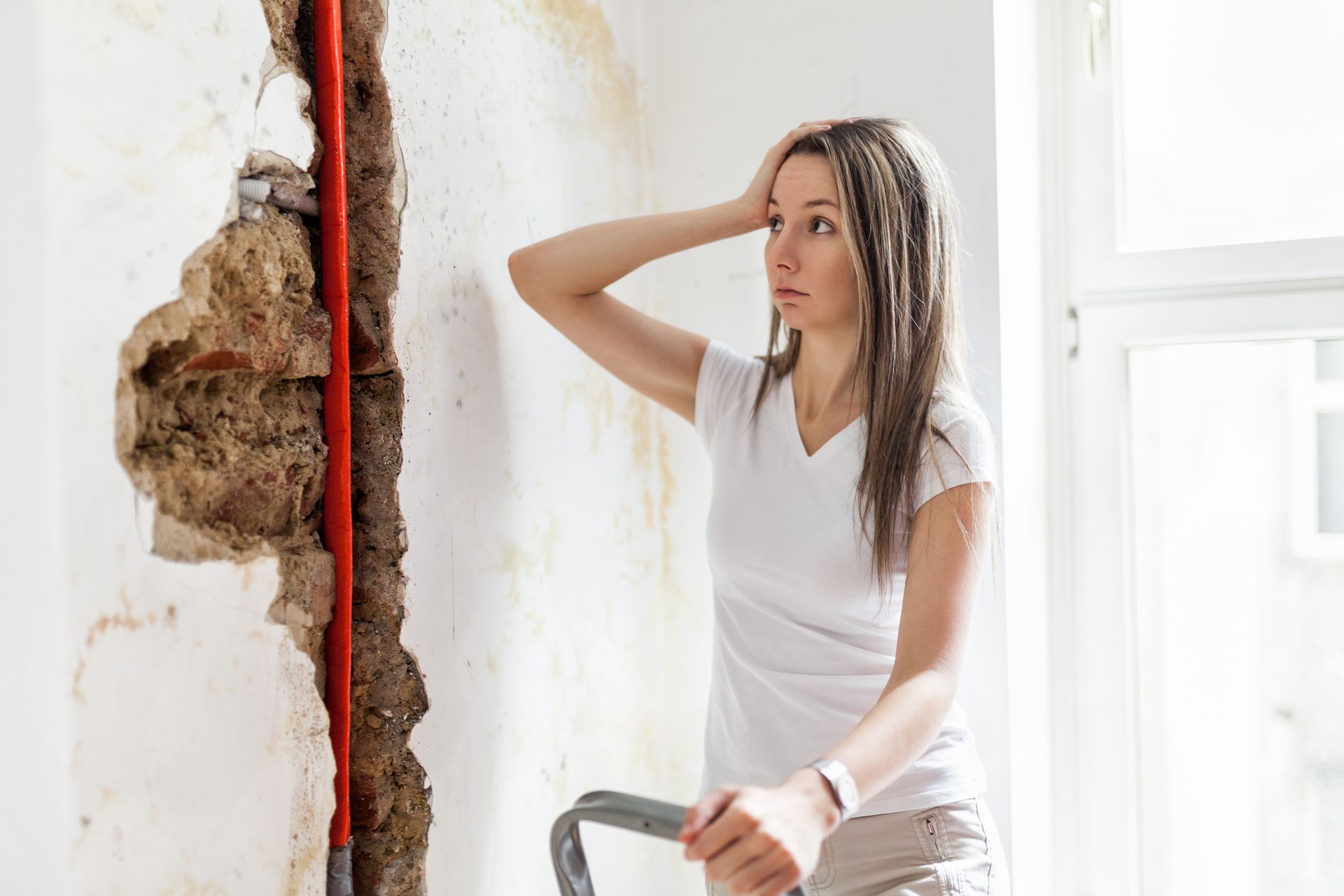
Gradual damage builds up slowly over weeks or months, such as a pipe fitting that has been slowly dripping behind a wall or a fixture that has leaked for a long time. Because insurers view this as a maintenance issue the homeowner could have caught, these claims are typically denied. It is one of the most common reasons a water damage claim is turned down.
This is where hidden leaks become especially costly. A slow drip inside a wall can cause thousands of dollars in damage and mold before anyone notices, and because it happened gradually, the resulting claim is often denied. That combination, high cost and low odds of coverage, is exactly why catching hidden water damage early matters so much, both for your home and your wallet. Our guide on the
signs of water damage behind walls can help you spot a slow leak before it becomes an uncovered loss.
What Is Usually Covered
When the cause is sudden and accidental and comes from inside your home, a standard policy will often help. Coverage typically applies to both the structure of your home, through dwelling coverage, and your belongings, through personal property coverage, minus your deductible.
In practice, that means a covered claim can pay to repair the damaged drywall, flooring, and framing, and also to replace soaked furniture, electronics, or other possessions, up to your policy's limits. Some policies also cover the cost of tearing out and accessing the failed plumbing itself, though the worn part that failed is usually not reimbursed. Knowing which parts of a loss your policy addresses helps you set expectations before the adjuster ever arrives.
The examples below are commonly covered, though your specific policy terms always control the outcome.
Commonly Covered Situations
These are the kinds of sudden, internal water events that standard policies frequently cover.
- A pipe that suddenly bursts, including a frozen pipe if the home was properly heated
- A water heater that ruptures without warning
- An appliance that suddenly fails, like a washing machine supply hose or dishwasher
- An overflow from a tub, sink, or toilet that happens accidentally
- A roof leak from a covered event like a storm, when it is not due to wear and tear
A Note on Frozen Pipes
Frozen and burst pipes are a real Connecticut winter risk, and they are often covered, but with an important condition. Most policies require that you kept the home adequately heated. If a pipe freezes and bursts because the heat was off or the home was left unheated, the claim may be denied as preventable. If you are dealing with this, our guide on
what to do about a burst pipe in CT
covers the immediate steps.
What Is Usually Not Covered
Many homeowners are surprised by how much standard water damage coverage leaves out. Knowing these gaps ahead of time lets you decide whether to add coverage before you ever need it.
Beyond gradual damage, there are three exclusions that catch people most often.
Flooding From Outside
Water that enters from outside, meaning flooding, rising groundwater, or surface runoff, is not covered by a standard homeowners policy. If rain hits the ground and then flows into your home, that is considered flood damage and requires a separate flood insurance policy. This is a frequent surprise after basement flooding, a topic we cover in our guide on flooded basement cost in CT.
Sewer and Drain Backups
Water that backs up through sewer lines or drains is usually excluded from a standard policy, even though it is sudden, unless you have purchased a specific sewer backup endorsement. Given how much damage a backup causes, this add-on is worth asking your agent about.
Neglect and Wear and Tear
Damage that results from deferred maintenance, aging materials, or a problem you knew about and did not address is generally not covered. Insurers expect homeowners to maintain their property, so a long-ignored leak or a worn-out fixture that finally fails will usually fall outside coverage.
Mold is a related gray area. Coverage for mold usually depends on what caused it and how quickly you responded, and many policies limit or cap mold coverage regardless. If mold grew because water sat untreated, an insurer may treat it as a consequence of neglect. Because public health guidance points to mold developing within 24 to 48 hours of a water event, acting fast is not only good for your home, it also strengthens the case that any mold was an unavoidable result of a sudden loss rather than a maintenance failure.
Coverage at a Glance
The table below summarizes how common water damage scenarios are generally treated. Use it as a starting point, then confirm the details against your own policy, since terms and endorsements vary widely.
| Water Damage Scenario | Typically Covered? | Notes |
|---|---|---|
| Burst or frozen pipe | Usually yes | If home was properly heated |
| Appliance or water heater failure | Usually yes | If sudden, not from wear |
| Gradual or slow leak | Usually no | Seen as a maintenance issue |
| Outside flooding | No | Needs separate flood policy |
| Sewer or drain backup | Usually no | Needs a specific endorsement |
How to Protect Your Claim
Whether a claim is approved often comes down to how you respond in the first hours and days. A few smart steps strengthen your position and help the process go smoothly.
These habits support the sudden and accidental narrative that adjusters look for and show that you acted responsibly.
Act Fast and Document
Report the damage to your insurer promptly, and document everything with photos and video before you start cleanup. Keep receipts for any emergency work and note the date and time you discovered the problem. Good documentation, including moisture readings and mitigation records, directly supports a claim and helps counter any suggestion that the damage was gradual.
The date you discovered the damage is more important than homeowners realize. Because coverage hinges on the sudden versus gradual question, being able to show when the event happened, and that you responded right away, is often what separates an approved claim from a denied one. Photos time-stamped to the discovery, a record of when you shut off the water, and receipts from the mitigation crew all build that timeline for the adjuster.
Mitigate the Damage
Most policies require you to take reasonable steps to prevent further damage, so stopping the water and starting the drying process quickly is not just smart, it is often an obligation under your policy. This is where a restoration company helps: we respond fast, document the loss properly, and work directly with your insurance provider so the mitigation and paperwork support your claim rather than complicate it.
One more thing worth knowing: there is usually a difference between the emergency mitigation and the full repair. Insurers generally expect you to mitigate right away to stop the loss from growing, and that emergency work is often part of a covered claim. The rebuild that follows is handled as its own phase. A restoration company that understands this sequence, and communicates it clearly to your adjuster, keeps the process moving and reduces the chance of a dispute over what is owed.
Dealing With Water Damage in Connecticut?
Water damage is stressful enough without fighting the insurance process alone. Incredible Restorations is an IICRC-certified, family-owned restoration company serving Central Connecticut since 2017, with 24/7 emergency response and a team that works directly with your insurance provider to make the process easier. Call or text us anytime at (866) 985-4551, and we will help you dry, document, and restore your home.
Frequently Asked Questions
Does homeowners insurance cover water damage?
Often, yes, if the damage is sudden and accidental, such as a burst pipe or a ruptured water heater. It generally does not cover gradual leaks, neglect, outside flooding, or sewer backups. Because coverage depends on the cause and your specific policy, the sudden versus gradual distinction is the key question, and you should confirm details with your insurer.
Why would a water damage claim be denied?
The most common reason is that the damage is considered gradual, meaning it built up slowly over time and is viewed as a maintenance issue. Claims are also denied for excluded causes like outside flooding or sewer backups without the right add-on, or when the homeowner did not take reasonable steps to prevent further damage.
Does insurance cover a frozen pipe that bursts?
Usually, but with a condition. Most policies cover a burst frozen pipe as long as you kept the home adequately heated. If the pipe froze because the heat was off or the home was left unheated, the insurer may deny the claim as preventable, so maintaining heat during Connecticut winters matters for coverage.
Do I need separate insurance for flooding?
Yes. Standard homeowners policies do not cover flooding from outside sources like rising water, storm surge, or surface runoff. That requires a separate flood insurance policy. If your home faces flood risk, it is worth discussing a flood policy with your agent before a storm, not after.
What should I do first when I discover water damage?
Stop the water at its source, document the damage with photos and video, and report it to your insurer promptly. Then begin drying the area or call a restoration company to mitigate, since most policies require you to prevent further damage. Acting quickly protects both your home and your claim.