How Fast Does Mold Grow After Water Damage?
Incredible Restorations, LLC is a family-owned, IICRC-certified restoration company in Newington, serving Central Connecticut since 2017. We dry out homes after water damage and remediate mold when drying comes too late, so we see both ends of this timeline every week. This guide explains how quickly mold really develops, what changes the speed, and what to do while you still have time.
Quick Answer: Mold can begin growing on wet drywall, carpet pad, and wood within 1 to 2 days when conditions are right. Visible growth usually takes longer, often several days to a couple of weeks. The well-known "24 to 48 hours" figure is the EPA's deadline for drying wet materials. It is not a countdown to guaranteed mold, but missing it is when the risk climbs fast.
In This Guide
- What the 24 to 48 Hour Rule Means: What the EPA actually says.
- A Realistic Mold Growth Timeline: From day one to months later.
- What Speeds Mold Up or Slows It Down: Materials, temperature, water, airflow.
- Where Mold Shows Up First: The spots we check first.
- Signs Mold Has Already Started: Smell, stains, and stalled drying.
- Dry to the Touch Is Not Dry: Why readings matter.
- What to Do Inside the Window: The first 48 hours.
- When the Window Has Passed: From drying to remediation.
- Get Help Before Mold Takes Hold: 24/7 response.
- Frequently Asked Questions: Quick answers.
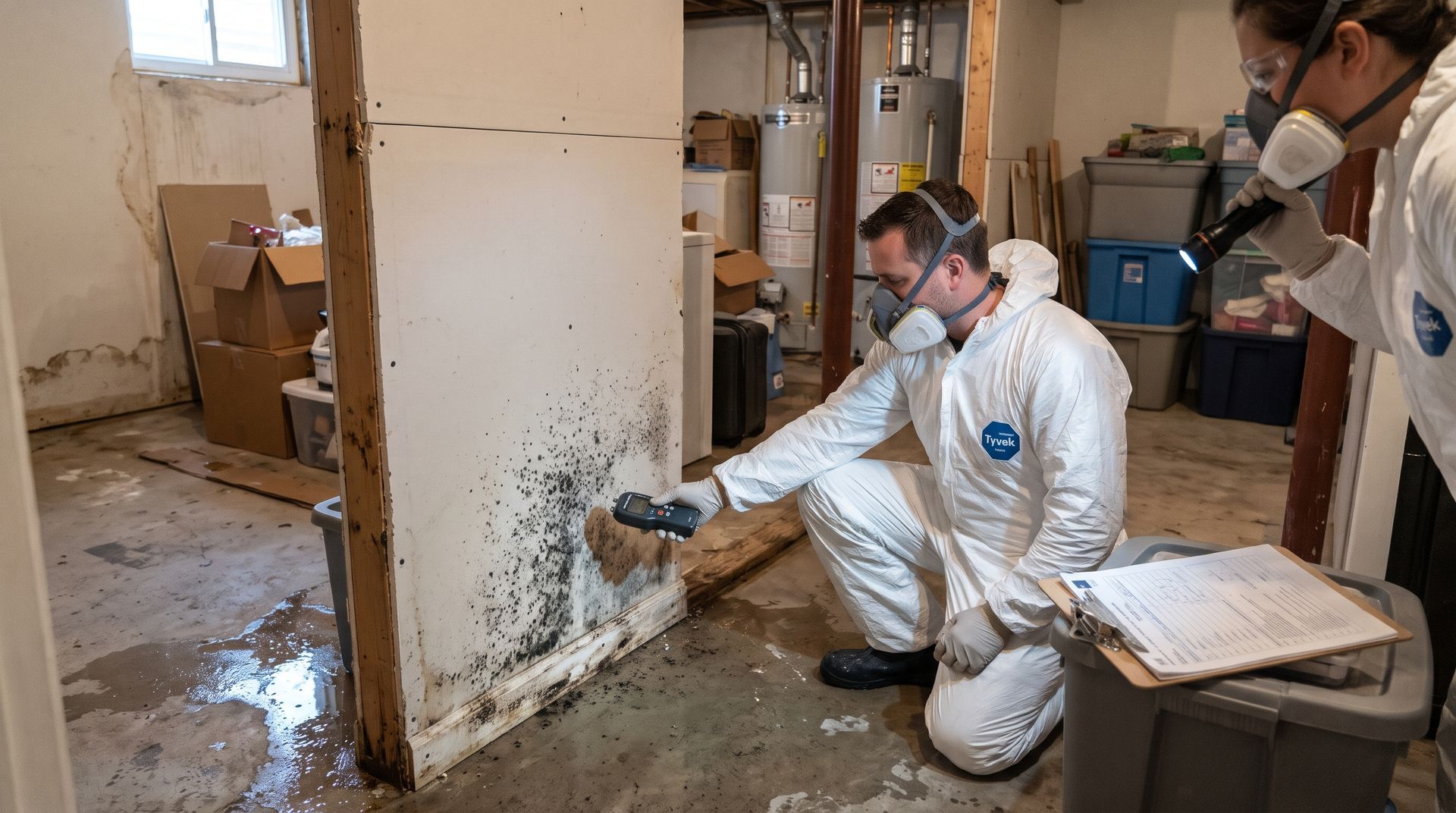
What the 24 to 48 Hour Rule Really Means
Search this question and nearly every result gives the same answer: mold grows in 24 to 48 hours. That number is real, but it often gets repeated with the wrong meaning.
It Is a Drying Deadline
The U.S. Environmental Protection Agency tells homeowners to dry water-damaged areas and items within 24 to 48 hours to prevent mold growth. In its cleanup guidance, the EPA also notes that mold will not always grow after 48 hours and that the window is a guideline. In other words, the clock describes how fast you need to act, not the exact hour mold appears.
Why the Distinction Matters
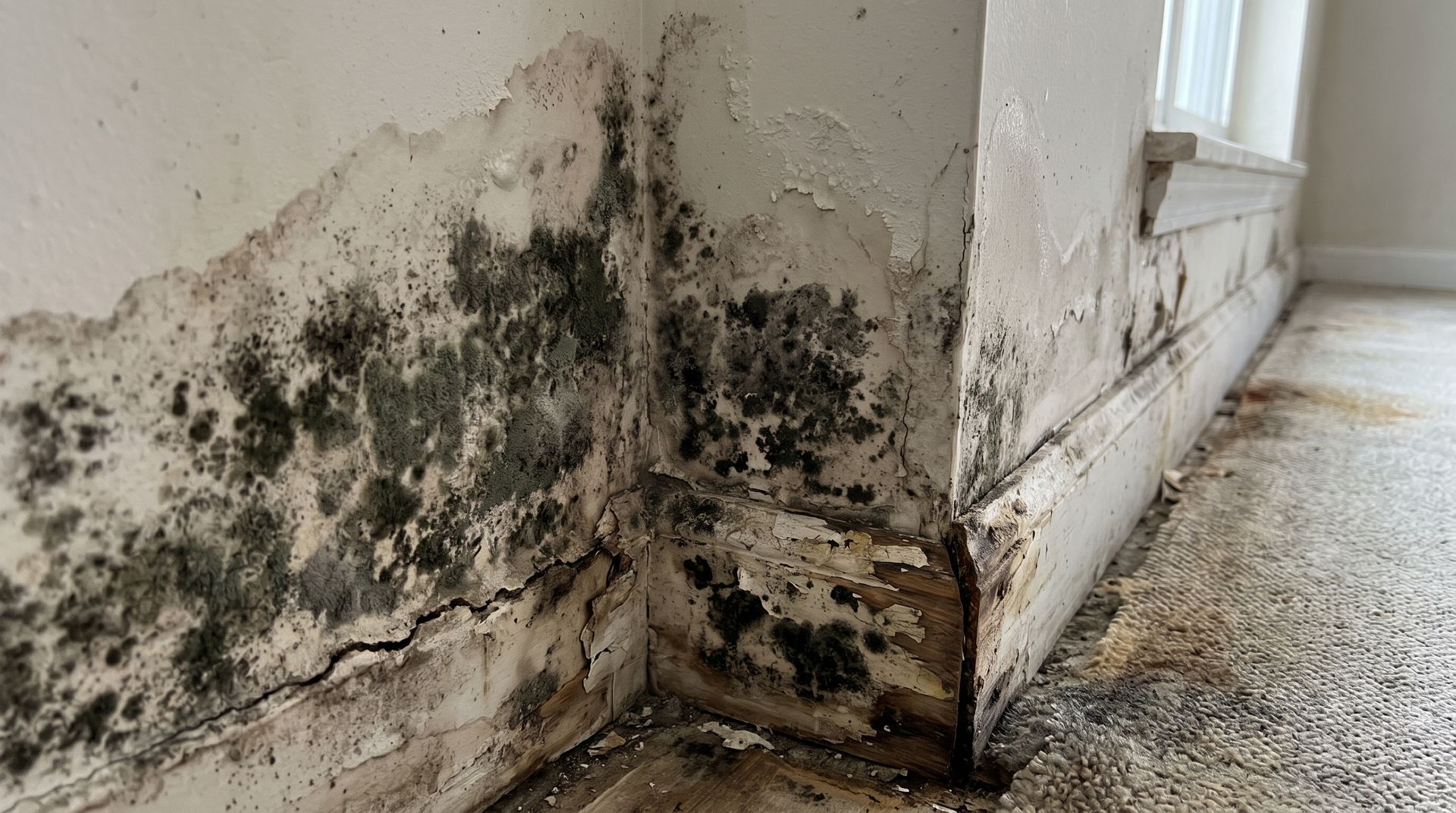
If you believe mold appears on schedule at hour 48, two bad decisions follow. Some people panic and tear out materials that could have been dried. More often, people look at a wall on day three, see nothing, and assume they escaped. Early growth is invisible and usually starts on the back of drywall or the underside of carpet, where nobody looks.
Mold Spores Are Already in Your Home
Mold spores float in every house, all the time. They do not need to "arrive" after a leak. What water damage provides is the missing ingredient: moisture on materials mold can feed on. Remove the moisture fast enough and the spores stay dormant.
A Realistic Mold Growth Timeline
This is the pattern we see most often on drywall, wood, and carpet in a heated home. Cold, dry, or quickly dried spaces move slower. Warm, humid, or sealed spaces move faster.
| Time Since the Water Event | What Is Happening | What You Will Notice |
|---|---|---|
| First 24 hours | Water soaks into drywall, pad, insulation, and wood | Wet surfaces, stains, swelling edges |
| 24 to 48 hours | Dormant spores begin activating on the wettest porous materials | Usually nothing visible yet |
| 3 to 7 days | Early colonies form in hidden areas | Faint musty smell, small spots behind baseboards or furniture |
| 1 to 3 weeks | Colonies spread across damp surfaces and inside cavities | Visible patches, stronger odor, stains that keep growing |
| Months | Growth breaks down paper facing, wood, and insulation | Rot, crumbling drywall, persistent odor in nearby rooms |
These ranges are typical, not guaranteed. A soaked wall cavity behind vinyl wallpaper can move faster than the table suggests, while a concrete basement floor dried with a dehumidifier may never grow anything.
What Speeds Mold Up or Slows It Down
Four factors explain almost every difference we see between one water loss and the next.
The Material That Got Wet
Mold needs food, and most of a house is food. Some materials feed it far better than others.
- Fastest to grow mold: paper-faced drywall, ceiling tiles, cellulose insulation, carpet pad, cardboard boxes, and particleboard cabinet bases.
- Moderate: plywood and OSB subfloors, solid wood trim, and the paper backing on fiberglass batts.
- Slowest: solid framing lumber that dries quickly, plaster, tile, and metal.
- Rarely a food source on its own: concrete and block, although dust and dirt sitting on damp concrete can still support growth.
Temperature and the Connecticut Seasons
Mold grows fastest in the same temperature range people find comfortable. A finished basement in a humid Connecticut August is close to ideal for it. Winter does not stop mold, because heated living spaces stay warm. What winter does is slow growth in unheated spaces like attics and crawl spaces. That is why we often find mold from a January ice dam leak only once the attic warms up in spring.
The Type of Water
A clean supply line gives mold water but few extra nutrients. Floodwater and sewage carry organic matter and bacteria, so contamination begins immediately. That is a different problem with its own cleanup rules, covered in our guide to sewage backup cleanup in CT.
Trapped Moisture and Airflow
Moisture that cannot escape is the biggest accelerator we see. Water trapped under laminate, behind vinyl wallpaper, inside a wall cavity with foam board, or under a sink cabinet base stays wet for days while the room around it seems fine. Still air in closets and behind furniture pushed against a wall does the same.
Where Mold Shows Up First After Water Damage
When we investigate a water loss that sat too long, these are the first places we check, because they are where growth almost always starts.
- The back side of baseboards and the bottom inch of drywall behind them.
- Drywall behind furniture pushed tight against an exterior or wet wall.
- Carpet tack strip and the underside of the pad, especially along walls.
- The floor of sink and vanity cabinets, under the toe kick.
- The paper facing on insulation inside wall and ceiling cavities.
- Bottom plates and studs in finished basements after a flood.
- Roof sheathing in the attic after ice dam or flashing leaks.
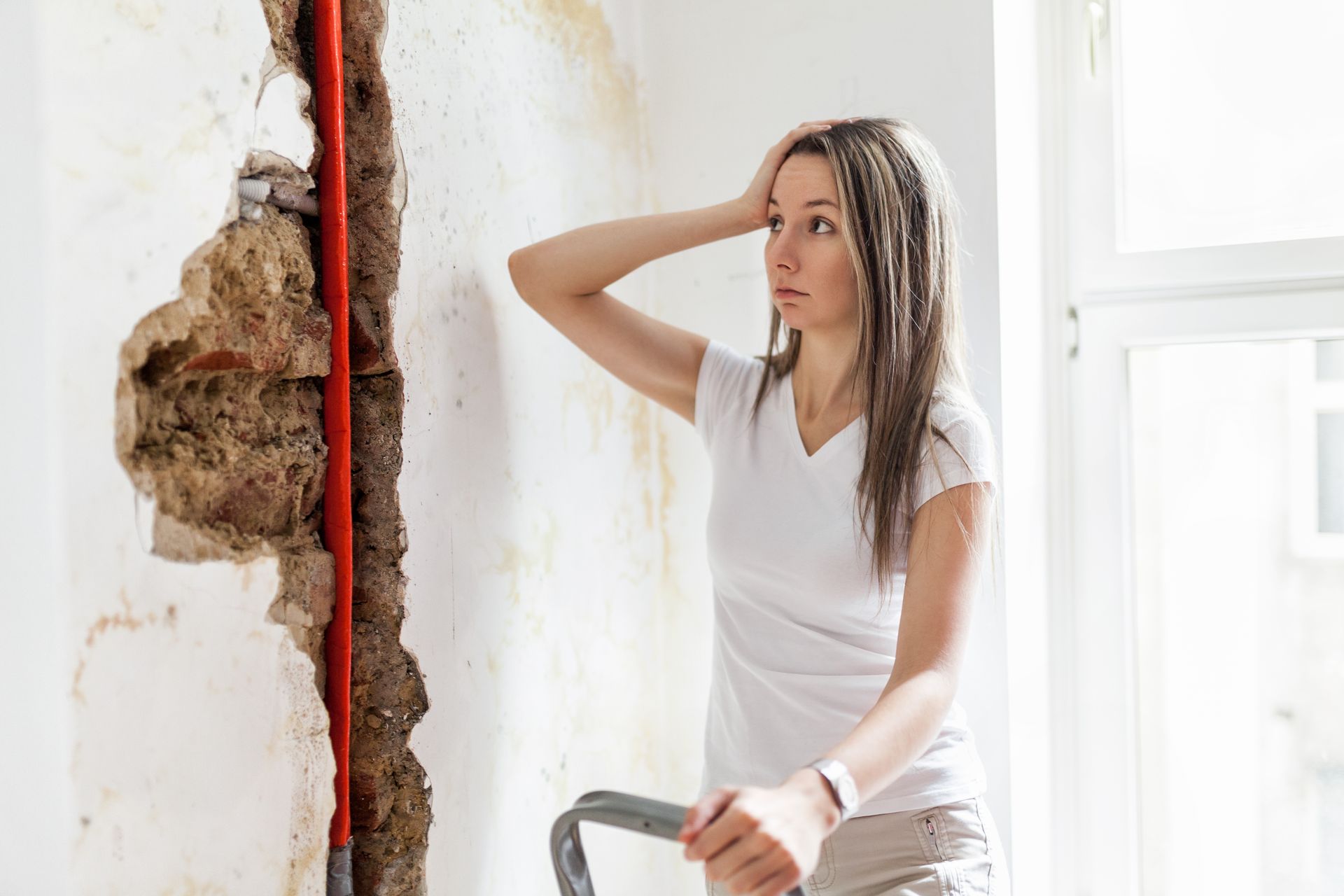
Most of these are hidden. That is why "I don't see mold" is weak evidence after a leak. Our article on
water damage behind walls covers how moisture hides inside wall cavities.
Signs Mold Has Already Started
Your nose usually catches early mold before your eyes do. A damp, earthy, or stale odor that lingers in one room or grows stronger after the space is closed up is a common first sign. Our guide on what mold smells like describes the odor and where it tends to come from.
Stains That Change
A water stain that holds its shape is old moisture. A stain that grows, darkens, or develops speckled edges usually means active moisture, and often mold behind it.
Drying That Stalls
If equipment has been running for days and readings stop improving in one area, something is still feeding water to that spot. It may be an unfound leak or a cavity that never opened. Either way, that area deserves a closer look before mold settles in.
Symptoms That Ease When You Leave
Allergy-like symptoms that improve when you are away from the house and return when you come back can point to an indoor mold problem. Talk to your doctor about health concerns, and have the home inspected.
Why Dry to the Touch Is Not Dry
This is the gap where most mold problems after water damage begin. A carpet can feel dry on top while the pad underneath is still saturated. Painted drywall can feel dry while the gypsum core and the paper on the back side stay wet for days.
What Professionals Measure
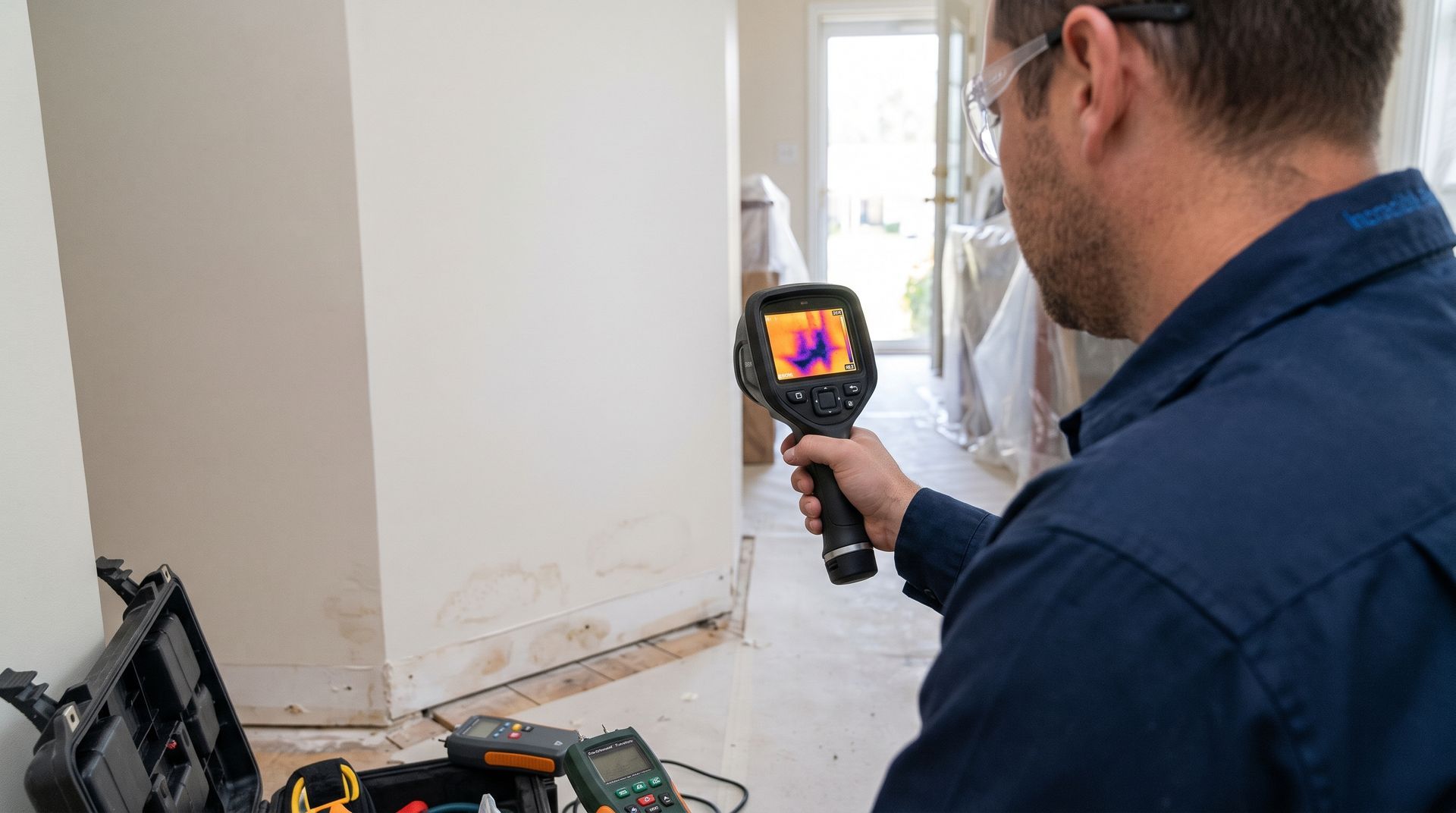
We use moisture meters and thermal imaging to compare wet materials against dry materials elsewhere in the same house. A material counts as dry when its readings match its dry reference, not when it feels dry. We log those readings daily until the job meets that standard.
Why Closing Up Early Backfires
Reinstalling baseboards, painting, or laying new flooring over materials that are still wet seals the moisture in. Mold then grows behind finished surfaces where you cannot see it. Our article on
whether water damage can come back after drying explains how this plays out weeks later.
What to Do Inside the 48-Hour Window
The first two days decide whether you are drying a house or remediating one. These steps give you the best odds.
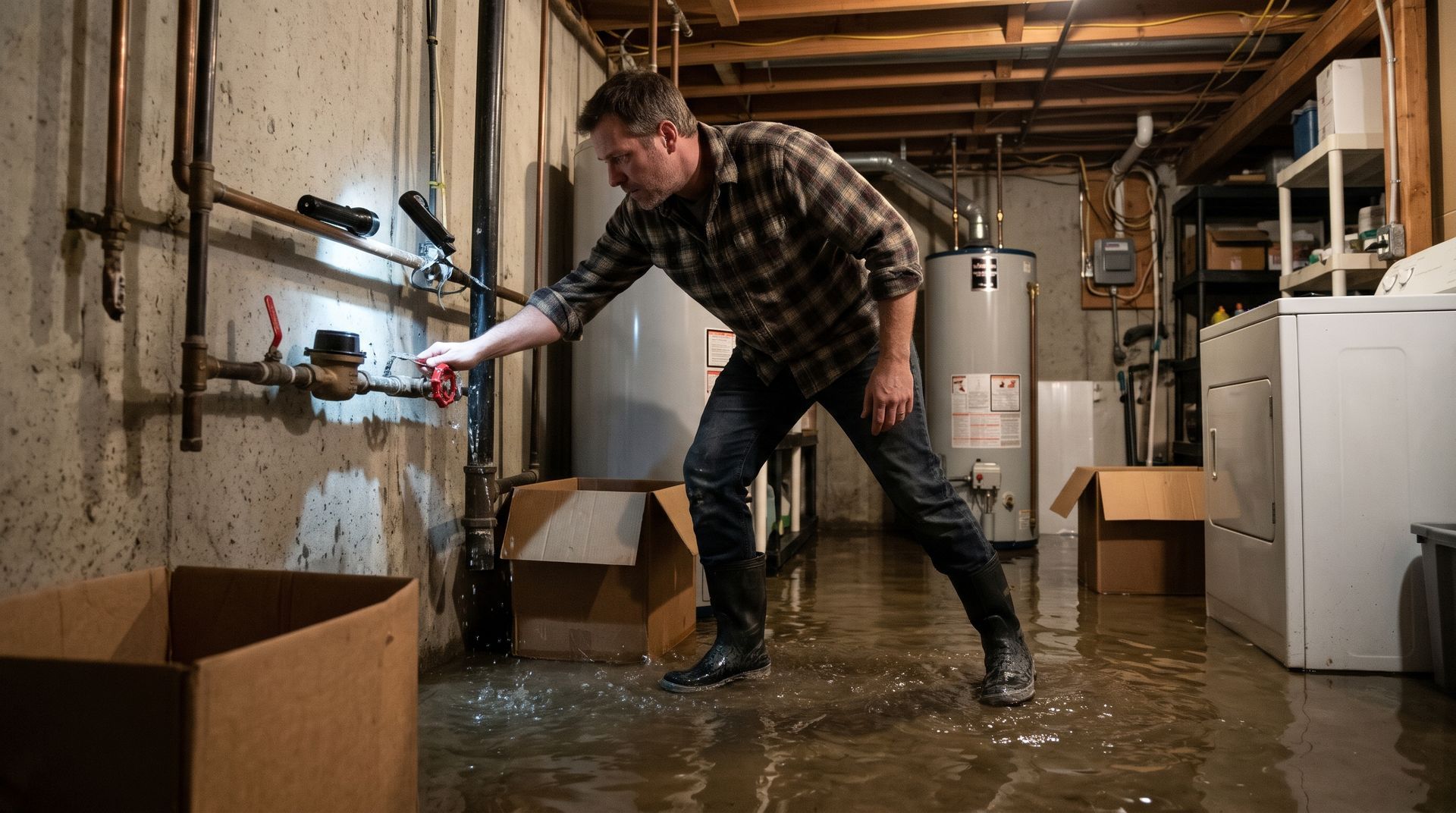
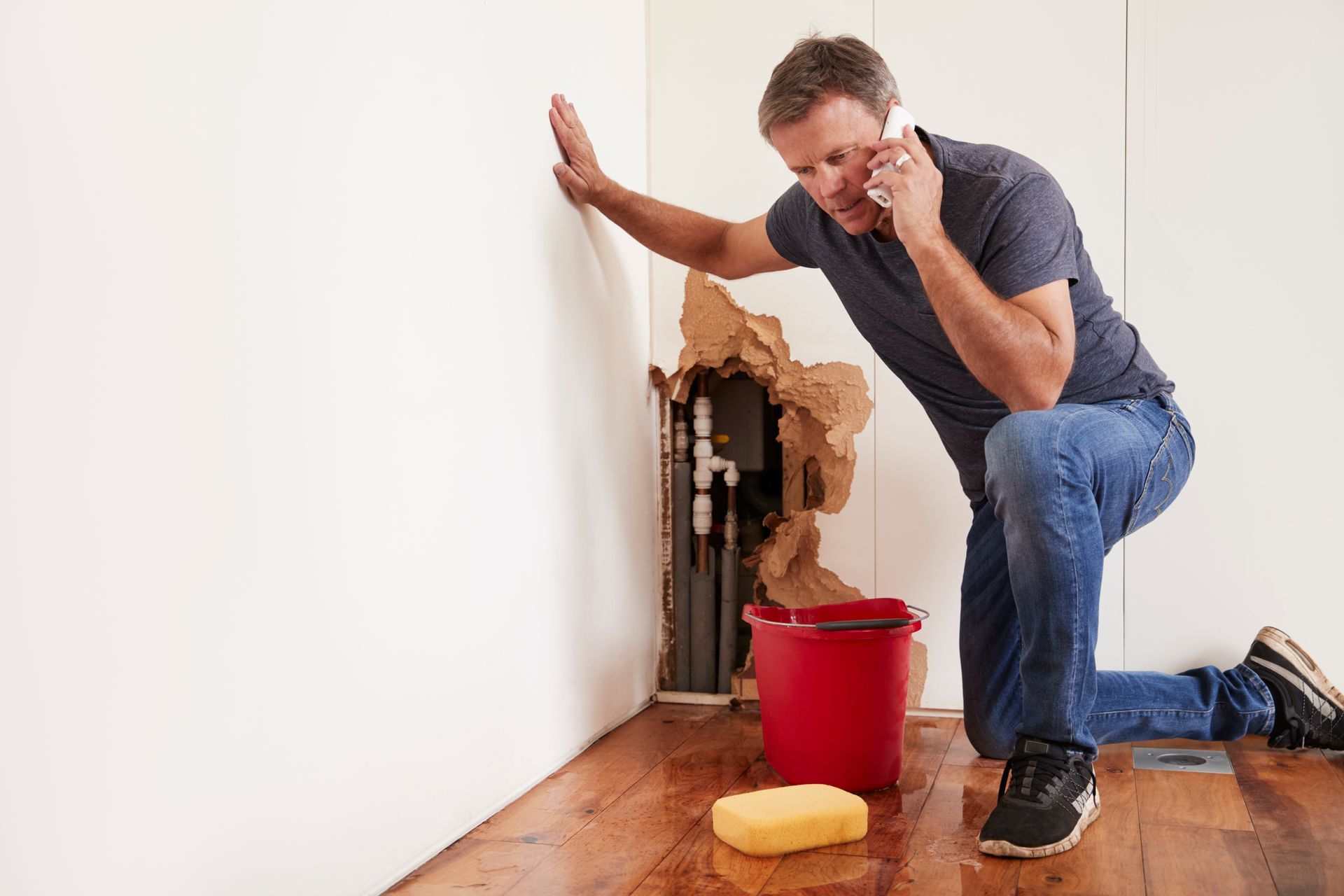
- Stop the water source and get the leak repaired or isolated.
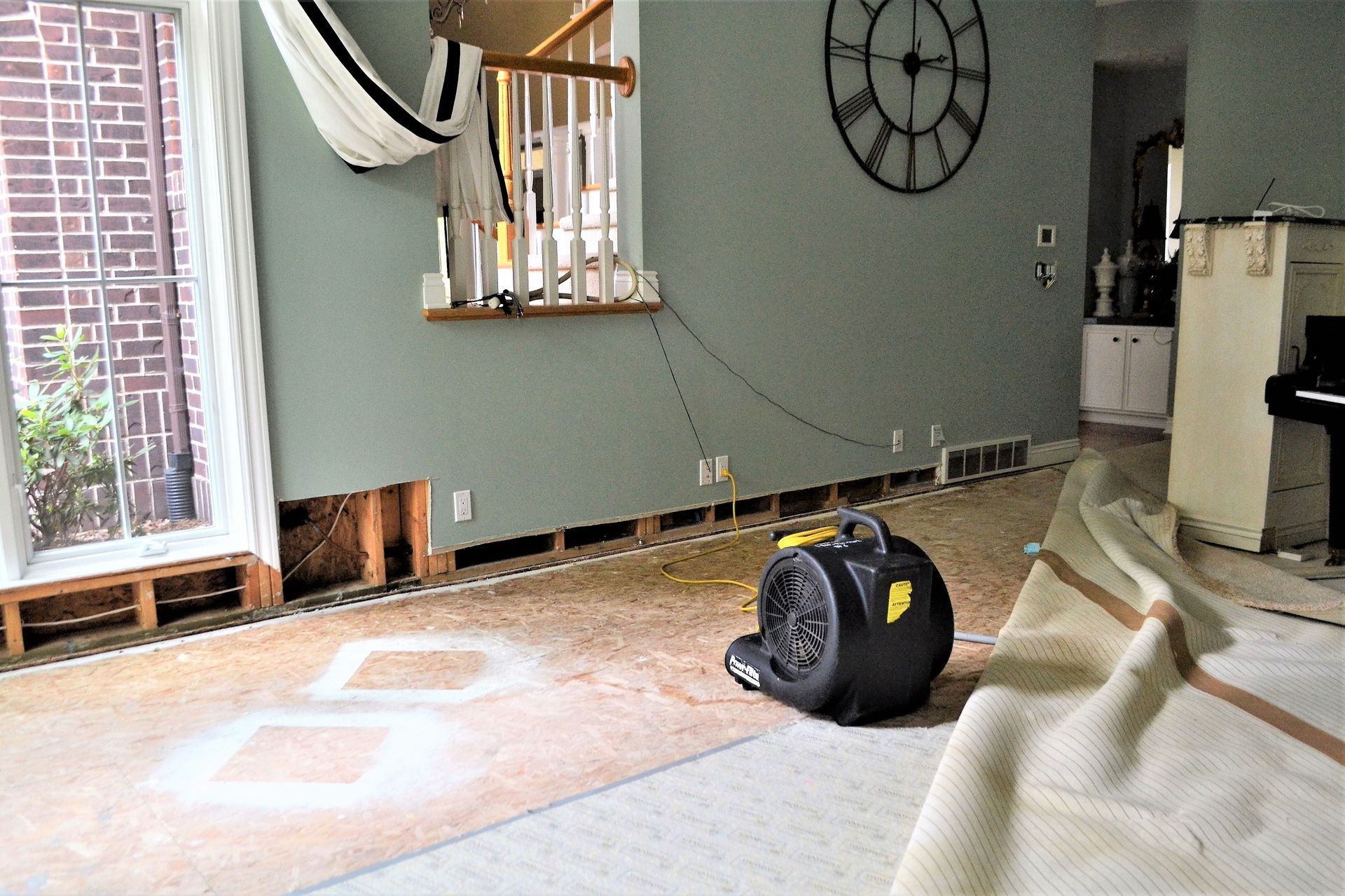
- Remove standing water and extract wet carpet and pad as soon as possible.
- Pull out materials that cannot dry in time, such as soaked pad, sagging ceiling drywall, and wet cellulose insulation.
- Open wet cavities by removing baseboards and cabinet toe kicks so air can reach them.
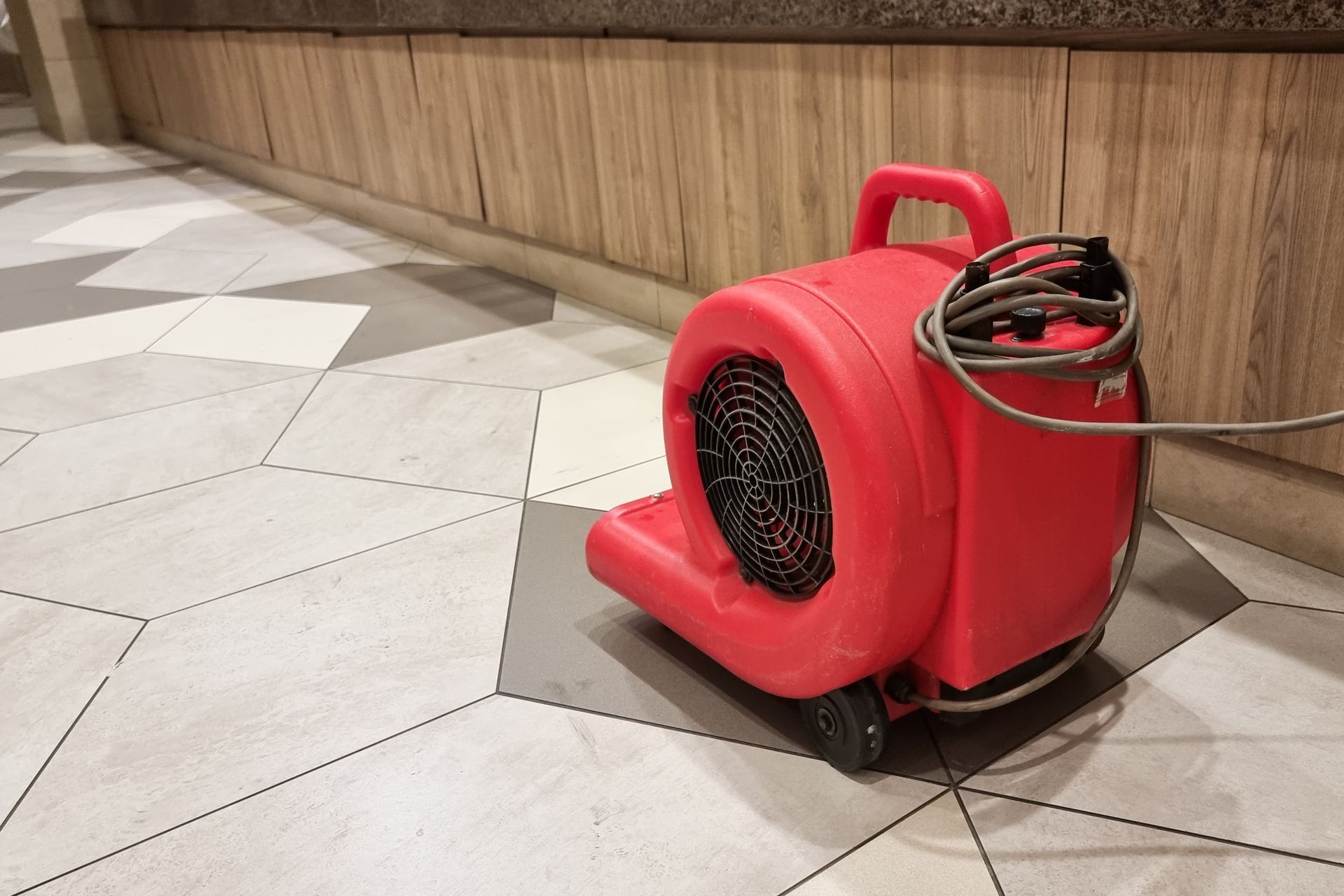
- Run dehumidifiers and air movers continuously, with windows closed in cold or humid weather.
- Move furniture, boxes, and rugs away from wet walls and floors.
- Measure, do not guess. Have moisture readings taken so you know when the area is truly dry.
If the leak came from a burst pipe, our guide to
burst pipe cleanup in the first 24 hours walks through these steps hour by hour. For a broader look at the drying phase, see
how long water damage takes to dry.
What Changes Once the Window Has Passed
Missing the 48-hour mark does not mean your home has mold. It does change the approach.
Porous Materials Get Treated Differently
Drywall, insulation, carpet pad, and ceiling tiles that stayed wet for several days are usually removed rather than dried, even with no visible growth yet. Trying to save them often costs more later. Solid wood framing can usually be dried, cleaned, and kept.
When It Becomes a Remediation Job
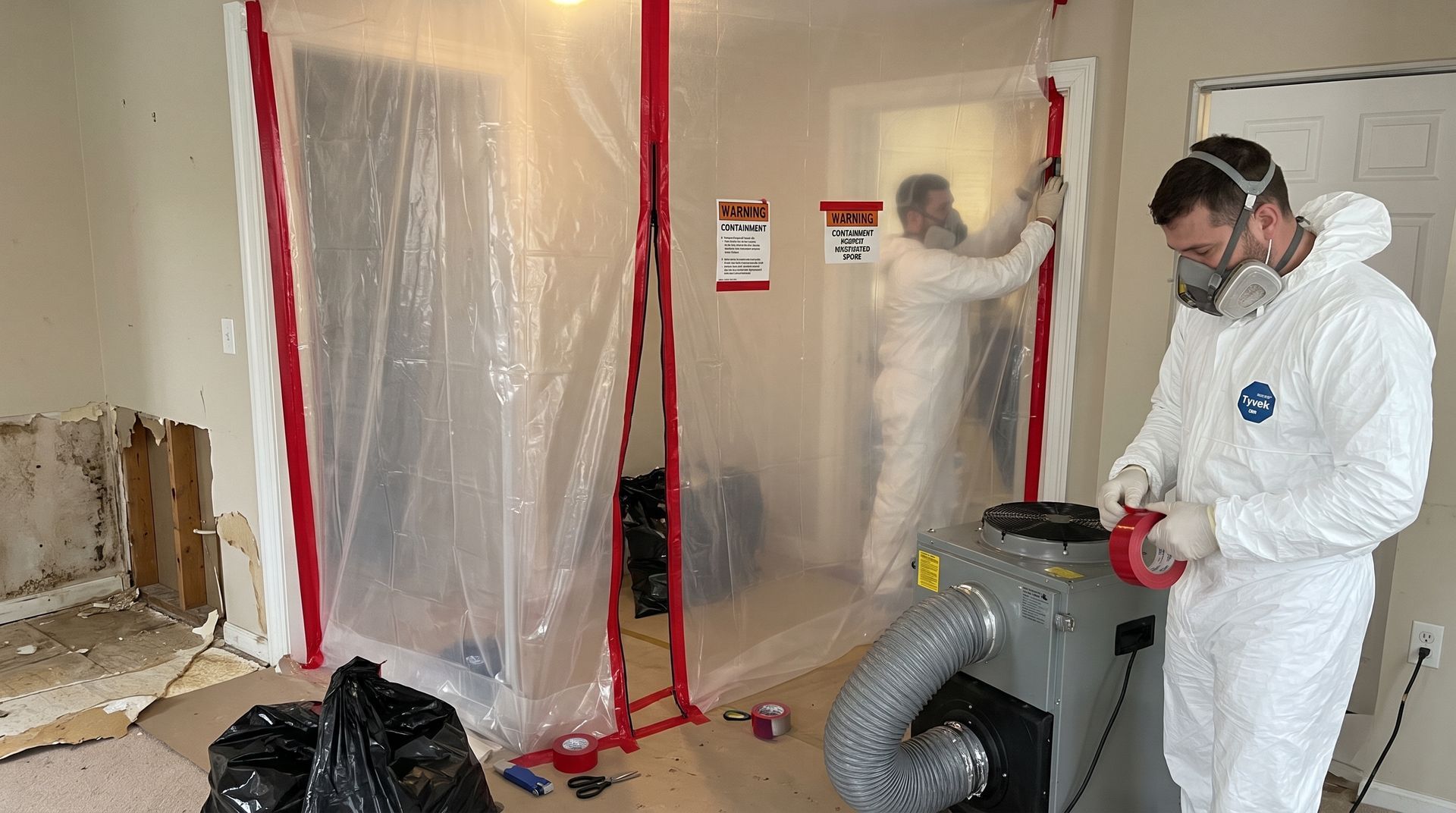
Once mold is growing, the work shifts from drying to remediation. That means containment to keep spores from spreading, HEPA air filtration, careful removal of contaminated materials, and cleaning of what stays. EPA guidance treats areas of roughly 10 square feet or more as larger cleanups. The Connecticut Department of Public Health also publishes guidance on when to hire a professional. Our mold remediation services follow IICRC standards from inspection through cleanup.
Testing Is Not Always the First Step
If you can see mold or know the area stayed wet, you usually do not need a lab test to confirm it. Fixing the moisture and removing the growth comes first. Our guide to mold inspection vs. testing explains when sampling adds real value.
Insurance and Mold
Coverage often depends on whether the mold resulted from a sudden, covered water event and whether the homeowner acted promptly. Our article on
whether homeowners insurance covers water damage explains how policies treat sudden versus long-term leaks.
Get Help Before Mold Takes Hold
If you are inside the first 48 hours, fast drying is the cheapest mold prevention there is. If you are past it, an inspection tells you what can be dried, what has to go, and whether mold has started. Either way, our IICRC-certified team responds 24/7 across Central Connecticut.
We handle water damage restoration, mold remediation, and reconstruction under one roof, so you are not coordinating separate contractors. We work directly with your insurance company and offer financing. We serve Newington, Hartford, West Hartford, Wethersfield, New Britain, and surrounding towns.
Call Incredible Restorations at (866) 985-4551 or
contact us online. Our office is at 151 Carr Avenue, Suite 1, in Newington.
Frequently Asked Questions
Can mold grow in 24 hours?
It can start on very wet, porous materials in warm conditions within about a day, but it is usually not visible that early. The 24 to 48 hour window is the EPA's recommended deadline for drying, which is why acting on day one matters.
How long does it take for mold to become visible after a leak?
Visible mold usually appears within several days to a couple of weeks, depending on the material, temperature, and how wet it stayed. Growth often starts in hidden areas first, so a clean-looking wall does not rule it out.
Does mold grow in cold weather?
Mold slows down in cold, unheated spaces like attics and crawl spaces, but it does not die. Heated living areas stay warm enough for growth all winter, and mold in cold spaces often becomes active again as temperatures rise.
Will mold die once the area dries out?
Drying stops active growth, but dormant mold and its residue stay on the material. It can still release spores and odor, and it can regrow if moisture returns. Contaminated porous materials are usually removed, not just dried.
Can I clean mold myself after water damage?
Small surface spots on hard materials can often be cleaned by a homeowner with proper protection. Larger areas, mold inside walls, or growth after sewage or flooding should be handled by a professional with containment and HEPA filtration.