What Is Water Mitigation? How It Differs From Water Restoration
Water mitigation is the emergency work done right after a water loss to stop the damage from getting worse. It includes stopping or containing the source, extracting standing water, removing wet materials that cannot be saved, and drying the structure until it meets a documented dry standard. Water restoration is the repair and rebuilding that comes after, such as new drywall, flooring, trim, cabinets, and paint. Mitigation always comes first, it is often billed separately from restoration, and most homeowners policies expect you to take reasonable steps to protect your home from further damage, which is exactly what mitigation does.
Incredible Restorations, LLC is a family-owned, IICRC-certified restoration and remodeling company based in Newington, serving homeowners across Central Connecticut since 2017. We handle both phases: 24/7 emergency mitigation and in-house reconstruction. Because we see how insurance claims, invoices, and timelines work from both sides, this guide explains where mitigation ends, where restoration begins, and why the difference matters to you.
In This Guide
- Water Mitigation in Plain Terms: What the word means.
- What Water Mitigation Includes: The typical scope.
- Mitigation vs. Restoration vs. Remediation: Three terms compared.
- Why Mitigation Has to Happen Fast: How damage spreads.
- What Mitigation Looks Like in Real Homes: Common Connecticut examples.
- Mitigation and Your Insurance Claim: Why there are two bills.
- What Mitigation Does Not Include: Where it stops.
- Can You Handle Mitigation Yourself?: Small leaks vs. real losses.
- How Long Mitigation Takes and What It Costs: Typical expectations.
- How to Choose a Mitigation Company: Questions to ask.
- Frequently Asked Questions: Quick answers.
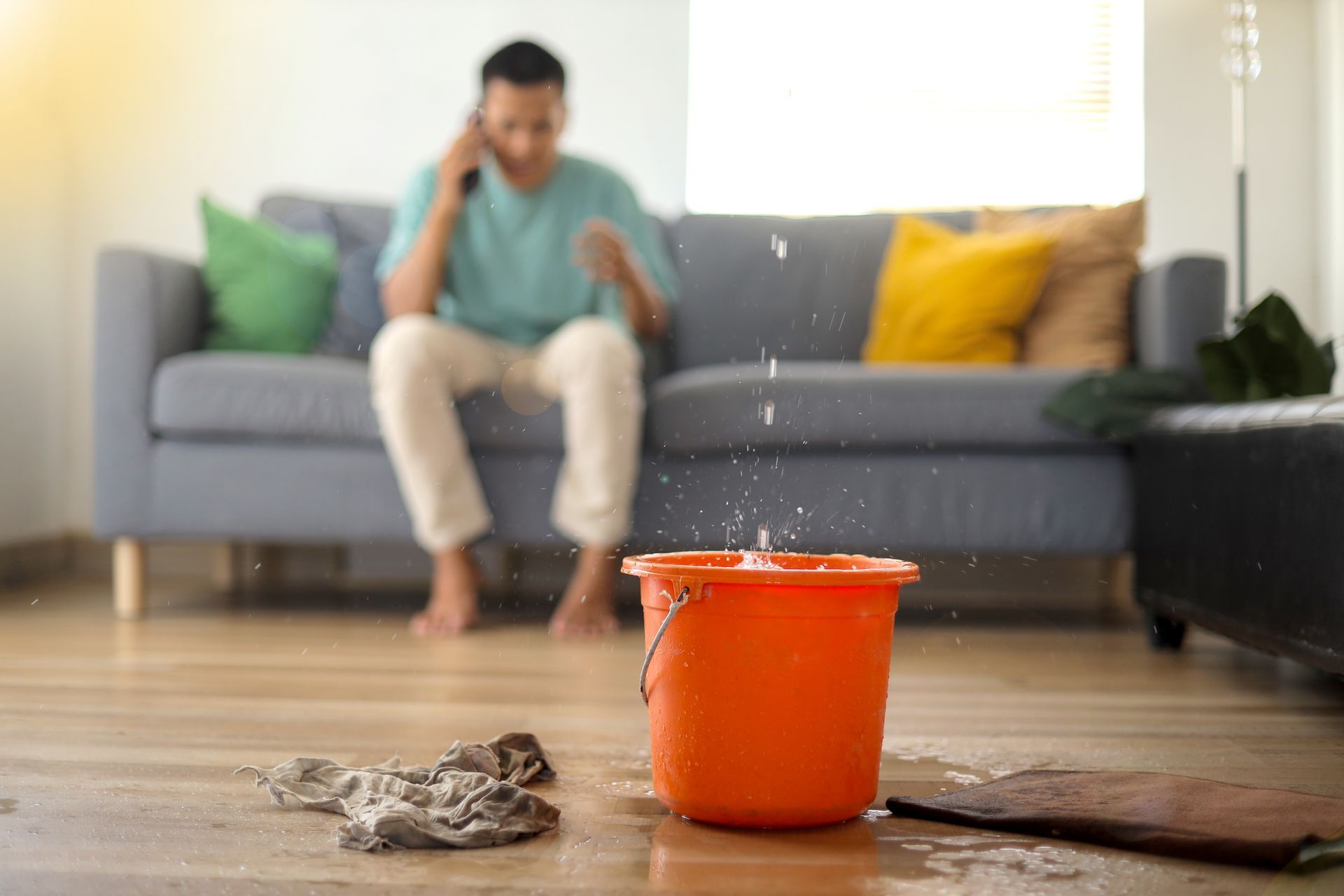
Water Mitigation in Plain Terms
To mitigate means to lessen or reduce. In water damage, mitigation is everything done to limit how much harm the water causes.
The Goal Is Stabilization
Mitigation is not about making the house look normal again. It is about getting the water out, stopping it from spreading, and drying the structure before secondary damage sets in. Secondary damage includes swollen flooring, delaminated cabinets, warped trim, odors, and mold, much of which can be prevented by acting quickly.
Who Performs It
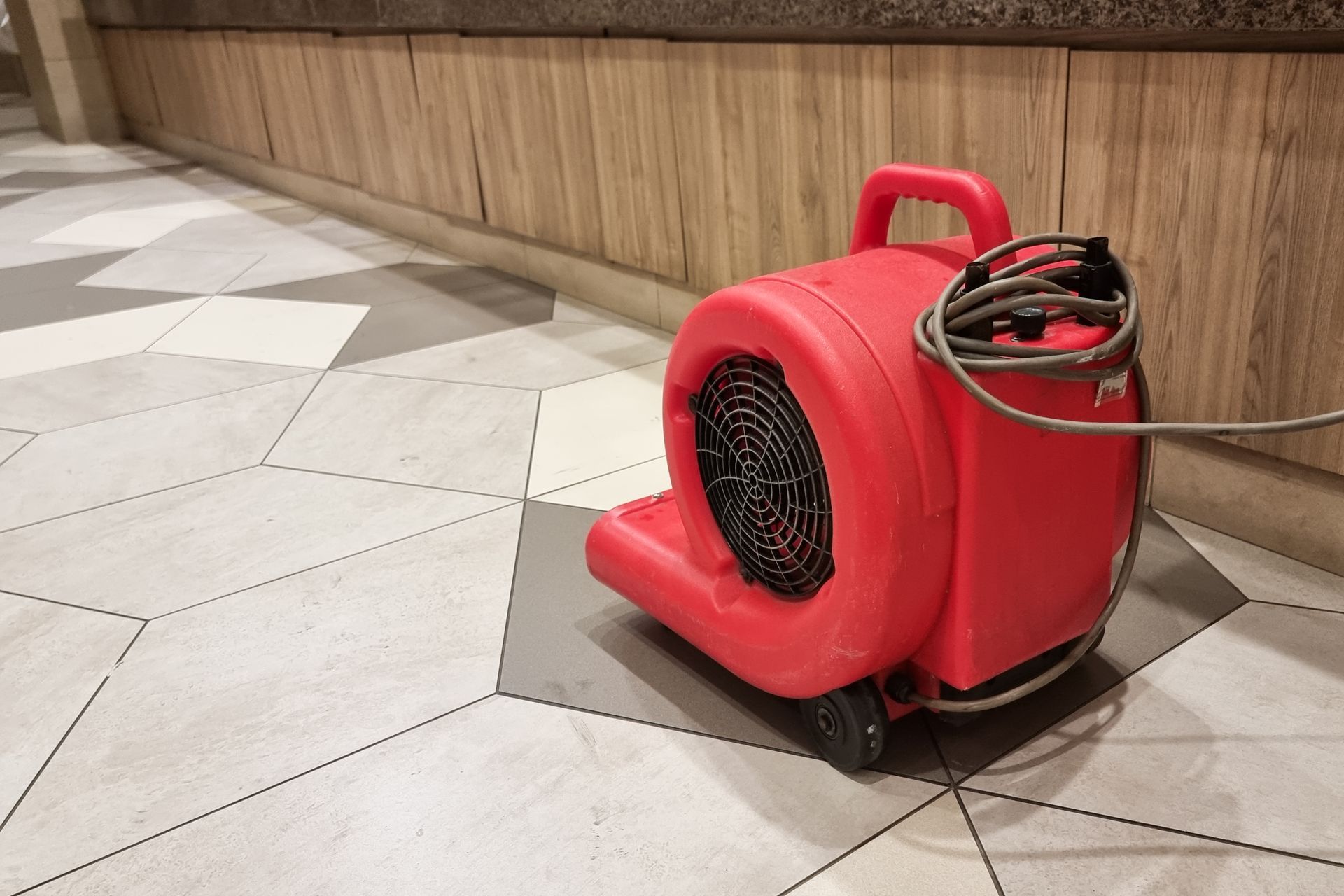
Mitigation is usually performed by a water damage restoration company with extraction equipment, commercial dehumidifiers, air movers, and moisture meters. Technicians trained under IICRC standards follow a defined process for assessing water category, removing materials, and verifying dryness.
What Water Mitigation Includes
A typical mitigation scope includes:
- Emergency response and an initial safety check for electrical hazards, contamination, and sagging ceilings.
- Stopping or containing the source, or coordinating with a plumber when a repair is needed.
- Inspection and moisture mapping with meters and thermal imaging to find where water traveled.
- Water extraction from floors, carpet, and padding.
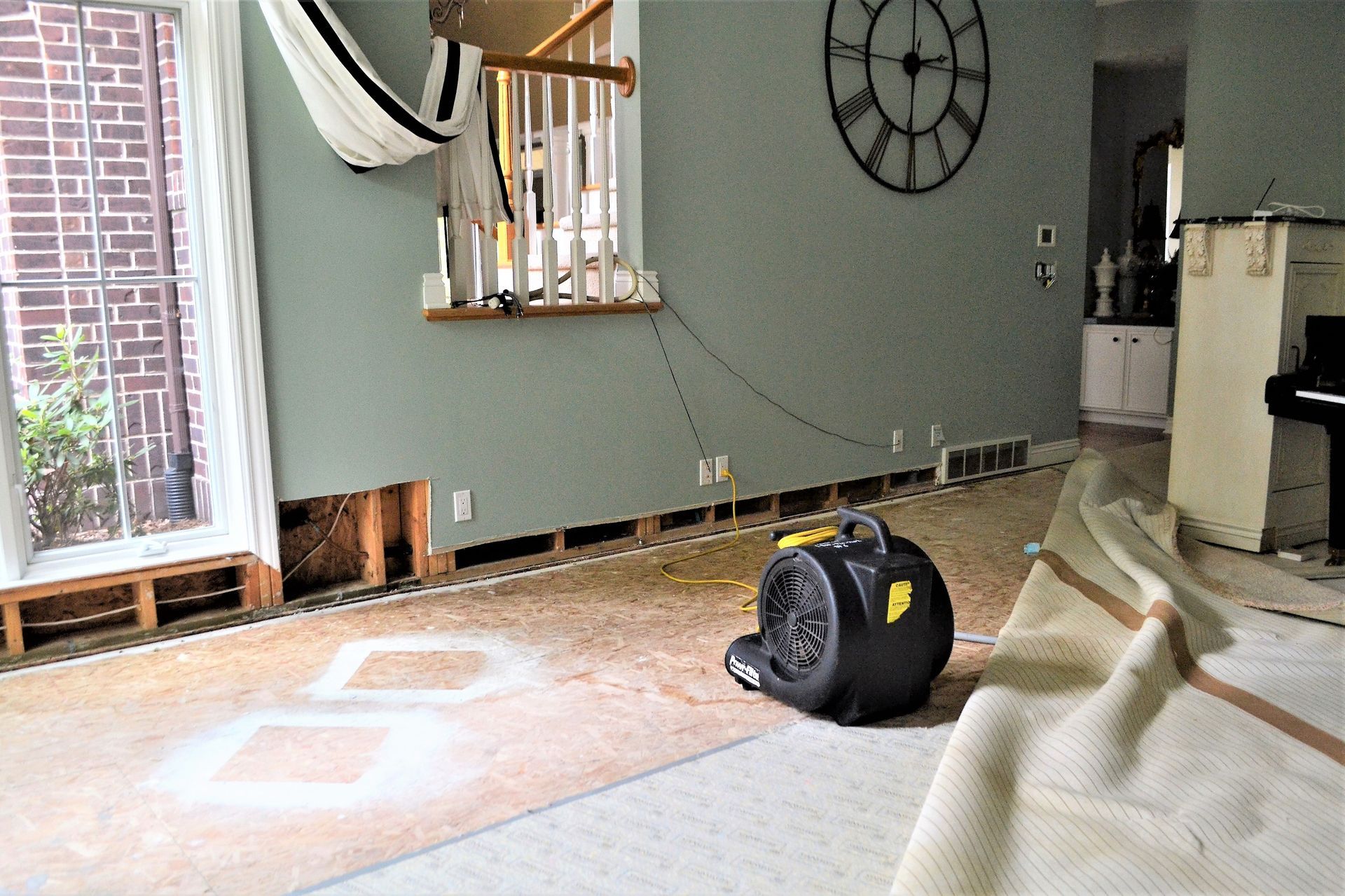
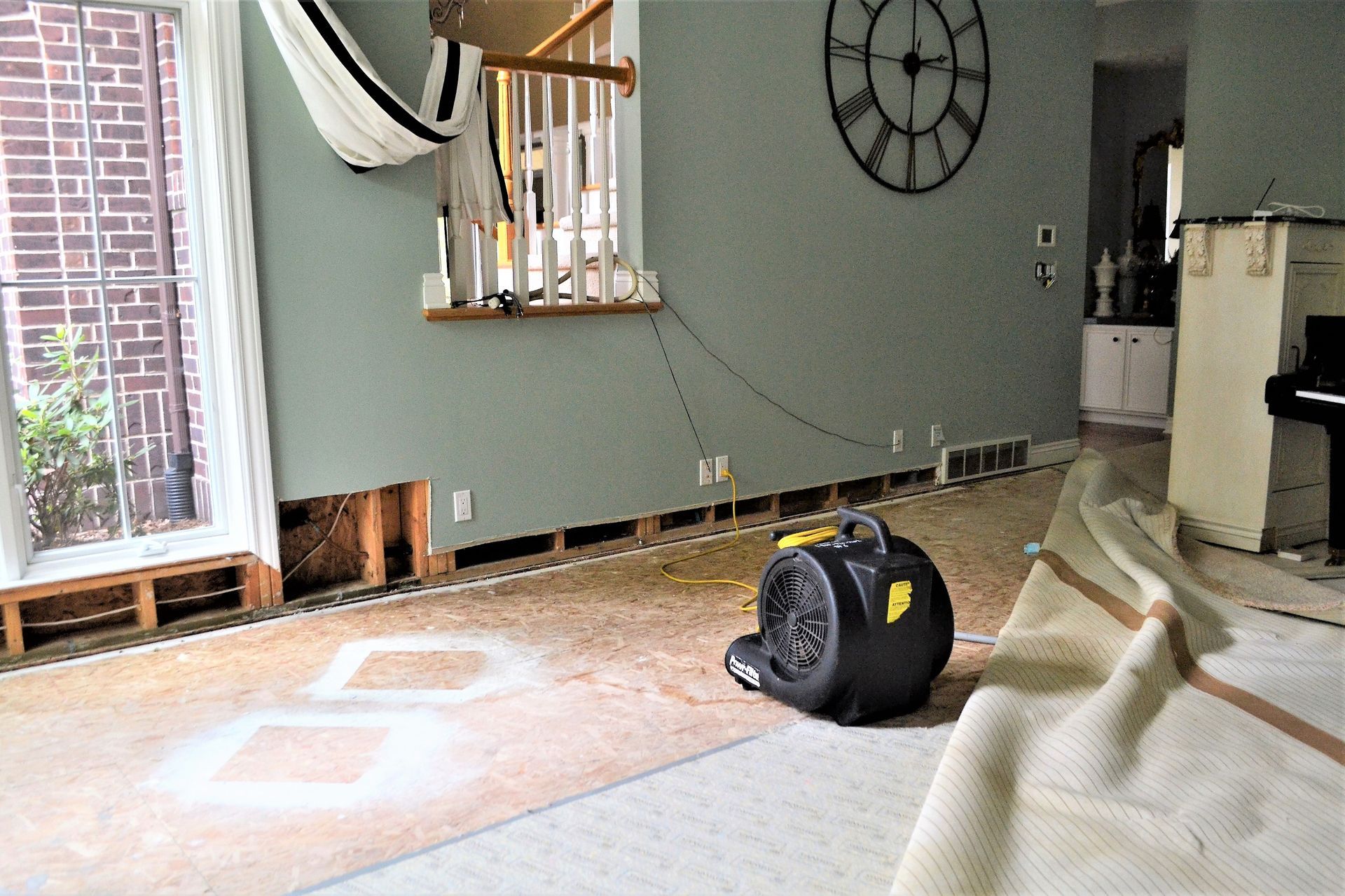
- Removal of unsalvageable materials, such as wet drywall, insulation, carpet padding, and some flooring.
- Moving and protecting contents in the affected area.
- Structural drying with air movers and dehumidifiers, checked and adjusted daily.
- Cleaning and antimicrobial treatment of affected surfaces and framing.
- Documentation, including photos, moisture readings, and drying logs.
For a step-by-step look at how a full job runs, see our guide to
the water damage restoration process.
Mitigation vs. Restoration vs. Remediation
These three terms are often used interchangeably, but they describe different work.
| Term | Main Goal | Typical Work | When It Happens |
|---|---|---|---|
| Mitigation | Stop the damage from spreading | Extraction, material removal, drying, cleaning | Immediately, usually the first few days |
| Remediation | Remove contamination such as mold or sewage | Containment, removal, cleaning, verification | During or after mitigation, when needed |
| Restoration | Return the home to its pre-loss condition | Drywall, flooring, trim, cabinets, paint, repairs | After the structure is confirmed dry |
How They Fit Together
On a clean water loss caught quickly, the job may be mitigation followed by restoration. If water sat long enough for mold to grow, or if it came from a sewer line, remediation becomes part of the process. Learn more about our
mold remediation services
and
sewage backup cleanup.
Why Mitigation Has to Happen Fast
Water damage gets worse with time, and the cost of waiting builds quickly.
What Happens in the First Days
Within hours, water wicks up drywall, soaks into carpet padding, and spreads under flooring. Over the next day or two, wood and laminate begin to swell, paint can bubble, and odors start. If materials stay wet beyond roughly 24 to 48 hours, the risk of mold growth rises significantly. After several days, damage to subfloors, framing, and cabinets becomes more likely.
Clean Water Does Not Stay Clean
Water from a clean supply line can become contaminated as it sits and picks up bacteria from building materials and surfaces. A loss that starts as clean water may need more aggressive treatment if mitigation is delayed.
Connecticut Timing
Many Connecticut water losses happen in winter, from frozen pipes and ice dams, often when homeowners are away or the damage is hidden in a ceiling or wall. Our guides to
ice dam roof leak cleanup and
frozen pipe cleanup
cover these situations.
What Mitigation Looks Like in Real Connecticut Homes
The definition is easier to understand with examples. These are common situations we see across Central Connecticut.
A Burst Pipe in a Finished Basement
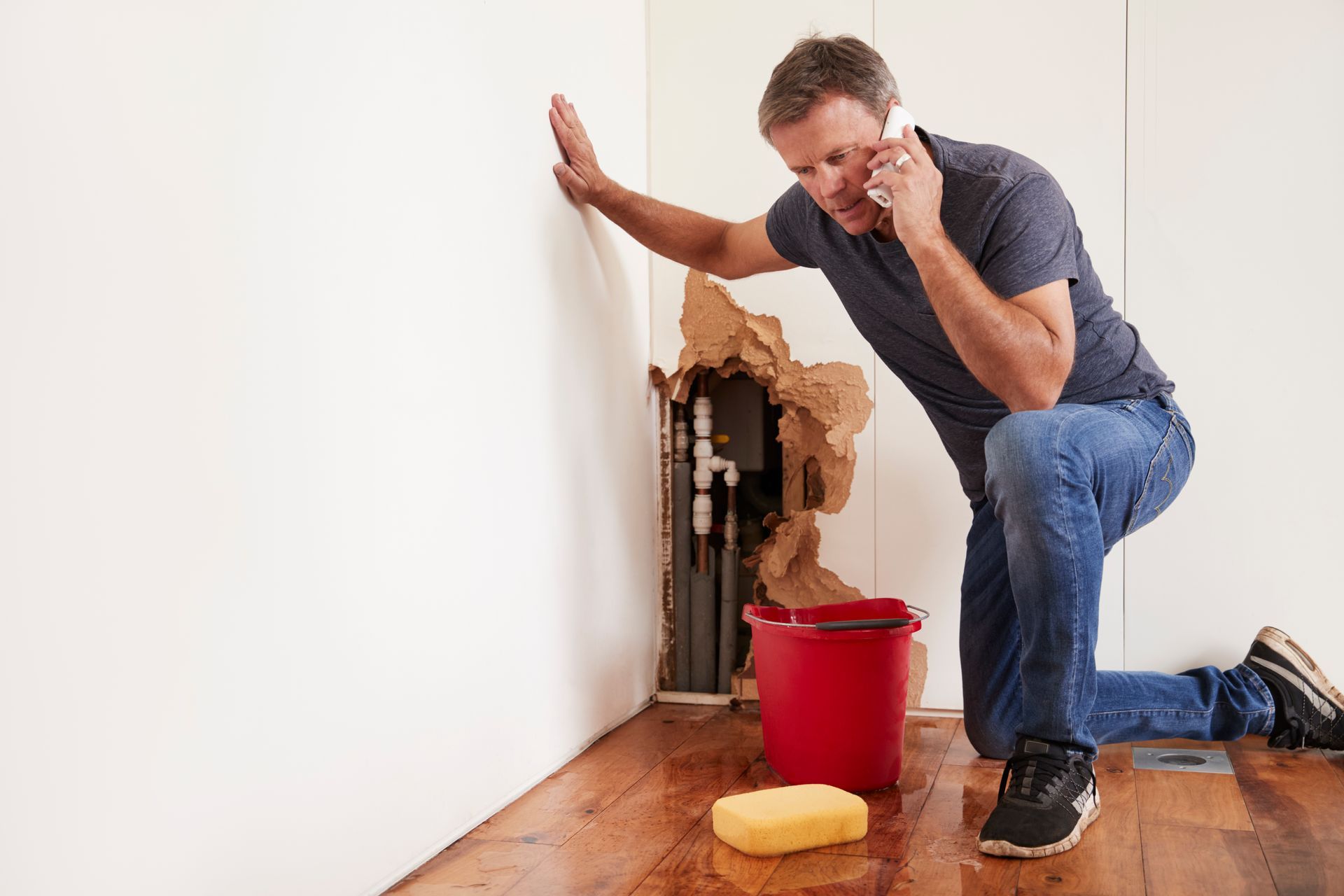
A pipe freezes in an exterior wall during a January cold snap and splits. By the time the homeowner finds it, water has soaked the carpet, padding, and the bottom of the drywall. Mitigation means shutting off the water, extracting the carpet, removing the padding and a strip of wet drywall and insulation, drying the slab and wall cavities, and documenting it all. Restoration later replaces the drywall, insulation, carpet, and baseboards. Our guide to burst pipes covers the first hour, and our guide to flooded basement costs explains typical pricing.
An Ice Dam Leak Into a Bedroom Ceiling
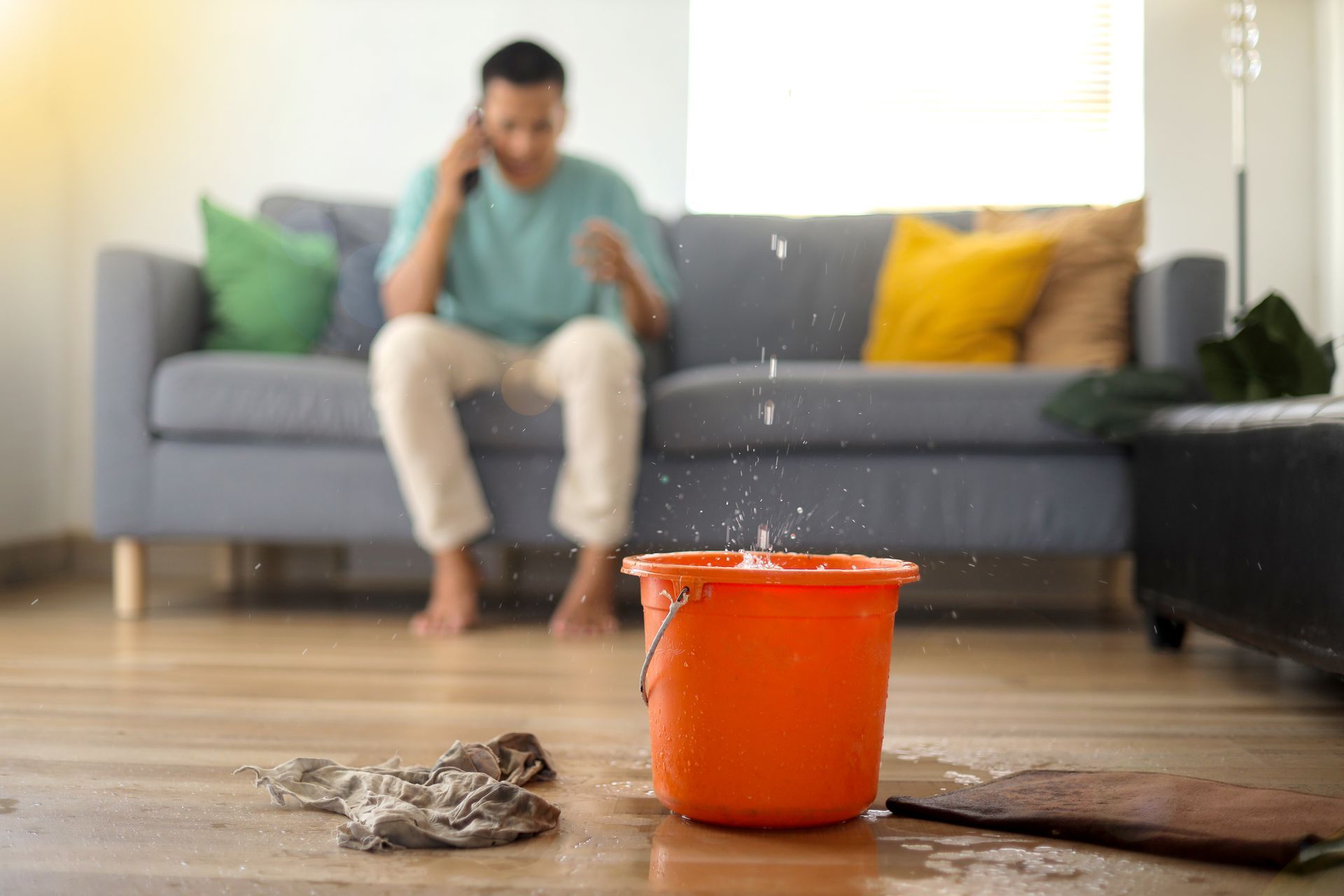
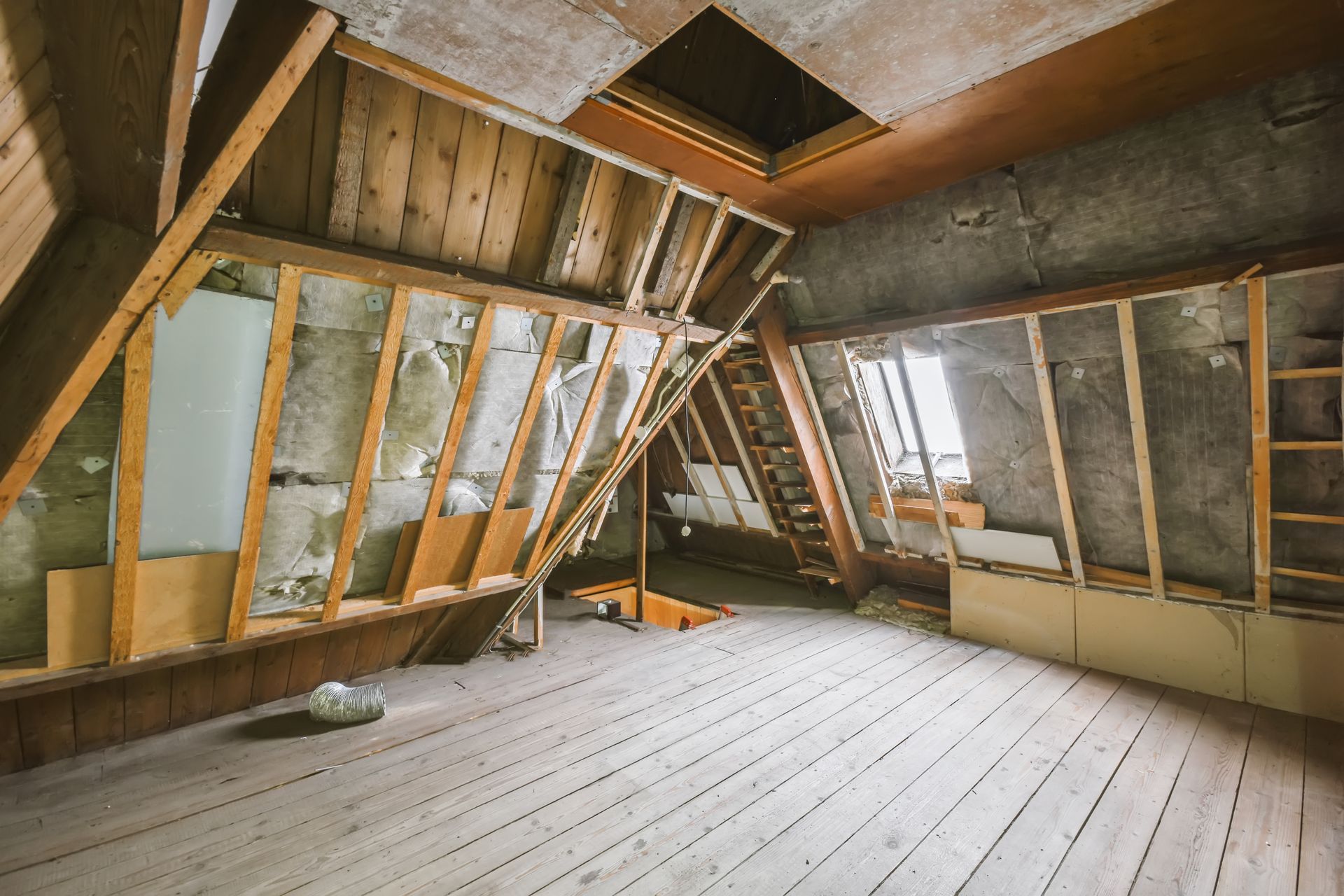
Melting snow backs up under the shingles and drips into the attic, then through a bedroom ceiling. Mitigation includes catching the water, checking the attic insulation and ceiling for moisture, removing wet ceiling drywall if needed, and drying the attic and room. Fixing the roof is a separate repair. See our guide to ceiling leak water damage.
A Washing Machine Overflow Upstairs
A supply hose fails on a second-floor laundry, and water runs through the floor into the kitchen below. Mitigation involves tracing the water path through both floors, drying the subfloor and ceiling cavity, and protecting kitchen cabinets before they swell.
Mitigation and Your Insurance Claim
Understanding the difference between mitigation and restoration helps your claim go more smoothly.
Protecting the Property Is Part of the Policy
Standard homeowners policies generally include duties after a loss, which commonly include taking reasonable steps to protect the property from further damage and keeping records of what you spend to do it. Prompt mitigation is how homeowners meet that expectation. Waiting can give an insurer grounds to question damage that could have been prevented.
Why You May See Two Bills
Mitigation and restoration are often scoped and billed separately. The mitigation invoice covers the emergency work and drying. The restoration or reconstruction estimate covers rebuilding. Insurers usually review them separately, and the mitigation portion is often addressed first because it happens first.
Who Chooses the Company
In most cases, you can choose the restoration company you want to work with, even if your insurer suggests a preferred vendor. Check your policy and talk with your adjuster, but do not delay mitigation while waiting for a decision.
What Coverage Depends On
Whether mitigation and restoration are covered depends on the cause of the water and your policy. Sudden events, like a burst pipe, are often covered. Long-term leaks, flooding from outside, and lack of maintenance are often excluded or need separate coverage. Our guide to
whether homeowners insurance covers water damage covers these questions in more detail.
What Mitigation Does Not Include
Mitigation is the first phase, not the whole job. It usually does not include:
- Rebuilding drywall, insulation, and trim that were removed.
- Replacing flooring, cabinets, or countertops.
- Painting and finish work.
- Repairing the plumbing or roof issue that caused the leak, which may require a plumber or roofer.
- Replacing personal belongings that could not be saved.
That work falls under restoration or reconstruction. Some companies only perform mitigation, which means you will need a separate contractor to rebuild. Learn more about our in-house
reconstruction services.
Can You Handle Mitigation Yourself?
For very small leaks, homeowners can often handle the basics.
When DIY Can Work
A small spill on a hard floor or a minor leak under a sink that was caught right away can often be dried with towels, fans, and a dehumidifier. Watch the area closely for several days for odors, staining, or swelling.
When to Call a Professional
Call a professional when water has soaked carpet, entered walls or ceilings, reached a finished basement, come from a sewer line or outside flooding, or sat for more than a day. Wet materials inside walls and under floors are hard to detect and dry without equipment, and hidden moisture is a common source of mold later. Our guide to
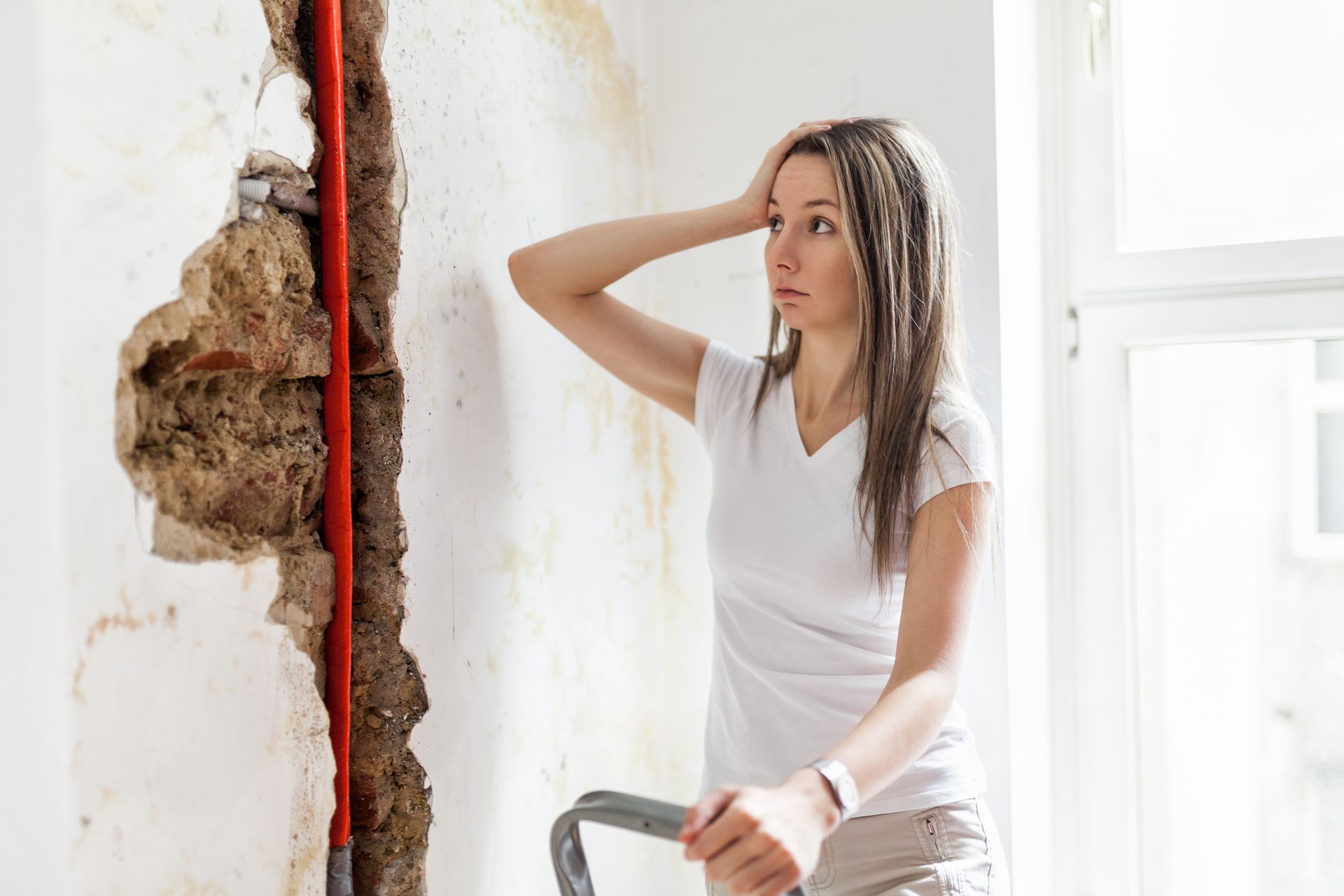
signs of hidden water damage
explains what to look for. A good rule of thumb: if you cannot see every surface the water touched, you probably cannot be sure it is dry.
How Long Mitigation Takes and What It Costs
Timing
For many clean water losses, drying takes about 3 to 5 days once equipment is in place. Larger losses, contaminated water, hardwood floors, plaster, and concrete can take longer. Our guide to how long water damage takes to dry breaks down timelines by material.
Cost
Mitigation cost depends on the size of the affected area, the water category, how much material must be removed, and how many days equipment runs. For typical pricing in Connecticut, see our guide to
water damage restoration cost.
How to Choose a Mitigation Company
The company you call in the first hours shapes the rest of the claim.
What You Can Do Before the Crew Arrives
Stop the water if you can, keep people and pets away from wet areas with electrical hazards, lift furniture off wet floors, and take photos and video. Do not use a household vacuum on standing water, and avoid turning on ceiling fixtures in rooms where water came through the ceiling. These steps protect your safety and your claim.
What to Ask
Ask whether technicians are IICRC-trained or certified, whether the company responds 24/7, and whether they take daily moisture readings and provide drying logs. Ask whether they document everything with photos for your insurer and whether they will show you the readings that prove the structure is dry before anything is closed up.
One Company or Two
Ask whether they also handle reconstruction themselves. Using one company for both phases can simplify scheduling and keep the scope consistent, though you are always free to choose separate contractors.
Get Water Mitigation in Central Connecticut
If you have water damage now, the most important step is to start mitigation quickly. Our team responds 24/7, documents everything for your claim, and can carry the job through reconstruction if you choose. Learn more about our water damage restoration services, read our reviews, or ask about financing.
Call Incredible Restorations 24/7 at (866) 985-4551 or
contact us. We are based in Newington and serve homeowners throughout Central Connecticut.
Frequently Asked Questions
What is the difference between water mitigation and water restoration?
Water mitigation is the emergency work that stops damage from spreading, including extraction, removing wet materials, and drying. Water restoration is the repair and rebuilding that comes after the structure is dry, such as new drywall, flooring, and paint.
Does homeowners insurance cover water mitigation?
Often, if the water damage was caused by a sudden, covered event like a burst pipe. Coverage depends on your policy and the cause of the loss. Long-term leaks and outside flooding are commonly excluded unless you have separate coverage.
How long does water mitigation take?
Drying a typical clean water loss often takes about 3 to 5 days. Larger losses, contaminated water, and slow-drying materials like hardwood, plaster, and concrete can take longer.
Is water mitigation necessary for small leaks?
Not always. A small leak caught right away on a hard surface can often be dried by the homeowner. If water reached carpet, walls, ceilings, or a basement, or sat for more than a day, professional mitigation is usually the safer choice.
Do I have to use my insurance company's preferred mitigation company?
In most cases, no. You can usually choose the restoration company you want. Check your policy and talk with your adjuster, but start mitigation quickly rather than waiting.