Water Damage Restoration Process: From Emergency Call to Final Dry-Out
A professional water damage restoration job usually follows the same sequence: emergency contact, on-site inspection, water extraction, removal of materials that cannot be saved, structural drying with daily moisture checks, cleaning and antimicrobial treatment, verification that everything is dry, and then reconstruction. Drying alone typically takes about 3 to 5 days for a clean water loss, while the full job, including rebuilding, can take a few weeks depending on the damage. The steps that matter most are the ones homeowners rarely see: measuring moisture inside walls and floors, and not putting anything back until the materials meet a documented dry standard.
Incredible Restorations, LLC is a family-owned, IICRC-certified restoration and remodeling company based in Newington, serving homeowners across Central Connecticut since 2017. We respond 24/7 to water, fire, and mold emergencies, work directly with insurance providers, and handle reconstruction in-house through our general contracting team. This guide walks through what happens on a water job from our side of the process, so you know what to expect and what to ask.
In This Guide
- The Process at a Glance: Every stage and its timing.
- Step 1: The Emergency Call: What we ask and why.
- Step 2: Inspection and Water Classification: Category, class, and moisture mapping.
- Step 3: Water Extraction: Removing standing water fast.
- Step 4: Removing What Cannot Be Saved: Flood cuts, flooring, and insulation.
- Step 5: Structural Drying and Monitoring: Equipment and daily readings.
- Step 6: Cleaning and Antimicrobial Treatment: Preventing odor and mold.
- Step 7: Verifying the Dry Standard: When the job is really dry.
- Step 8: Reconstruction: Putting the home back together.
- Insurance Documentation Throughout: What gets recorded.
- Frequently Asked Questions: Quick answers.
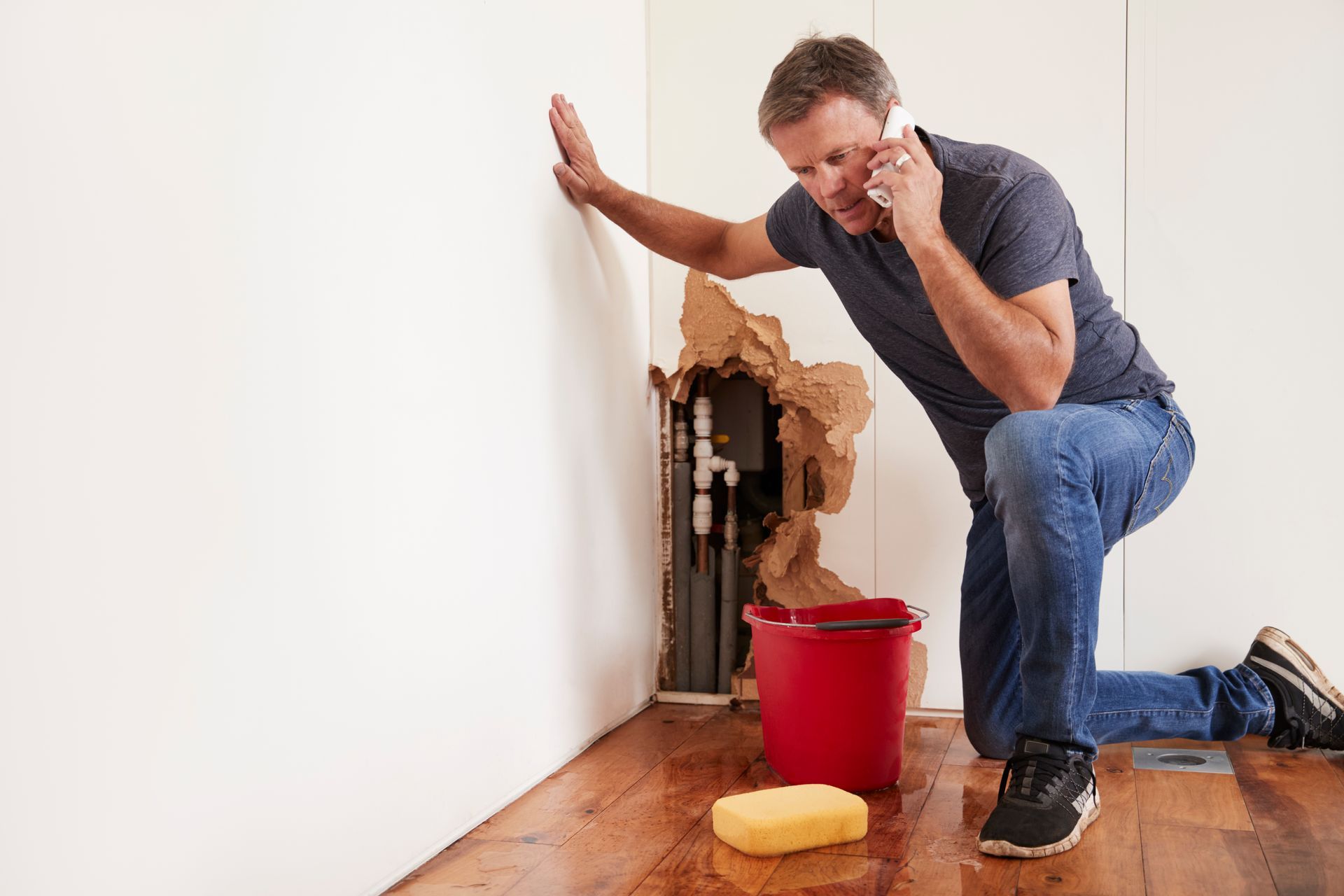
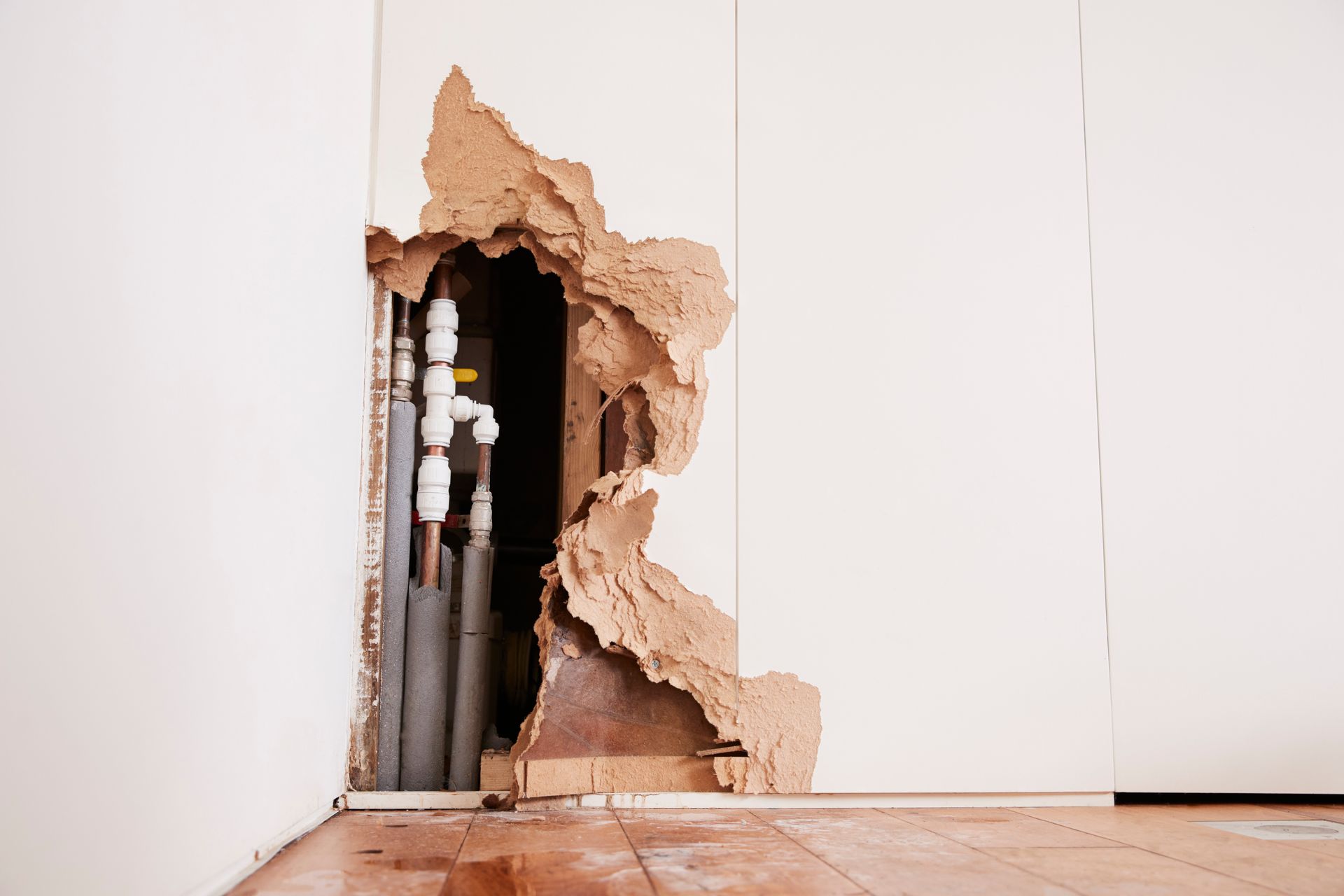
The Process at a Glance
Every water loss is different, but most follow this general timeline.
| Stage | What Happens | Typical Timing |
|---|---|---|
| Emergency call | Intake, safety questions, crew dispatched | Minutes to a few hours |
| Inspection | Source confirmed, water category and class identified, moisture mapped | First visit |
| Extraction | Standing water removed from floors, carpet, and cavities | First visit |
| Material removal | Unsalvageable drywall, insulation, flooring, and padding removed | First visit or day two |
| Drying and monitoring | Air movers and dehumidifiers run, readings taken daily | About 3 to 5 days for many clean water losses |
| Cleaning and treatment | Surfaces cleaned, antimicrobial applied, odors addressed | During and after drying |
| Dry verification | Materials checked against a documented dry standard | End of drying |
| Reconstruction | Drywall, flooring, trim, cabinets, and paint restored | Days to several weeks |
Contaminated water, hardwood floors, plaster walls, and finished basements usually take longer. So do losses that sat for a day or more before anyone called, since water has more time to wick up walls and into subfloors.
Step 1: The Emergency Call
The process starts before anyone arrives.
What We Ask
When you call, we ask where the water is coming from, whether it has been stopped, how long it has been there, which rooms and floors are affected, and whether the water could be contaminated, such as from a toilet, sewer line, or outside flooding. We also ask about safety: whether water is near outlets or the electrical panel, and whether ceilings are sagging.
What You Should Do While We Are on the Way
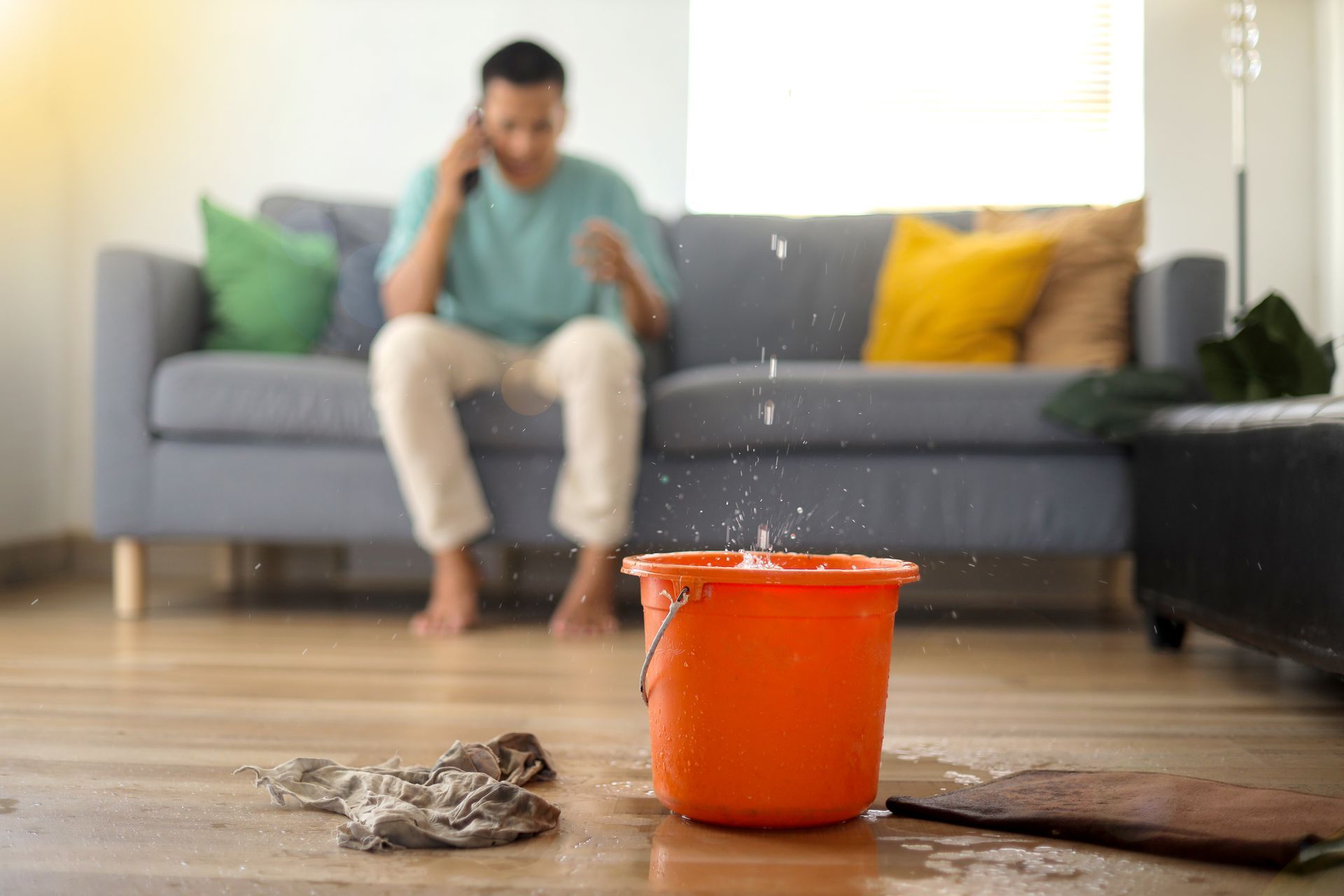
Shut off the water source if you can do so safely, turn off power to wet areas only if the panel is in a dry location, move valuables and furniture out of standing water, and take photos and video. Our guide to
what to do after water damage
covers the first hours in detail, and if the cause is a burst pipe, see our
burst pipe guide.
Step 2: Inspection and Water Classification
Before any equipment goes down, the technician needs to understand what kind of water loss this is.
Water Category
Industry standards from the IICRC sort water into three categories based on contamination. Category 1 is clean water, such as from a supply line. Category 2 is gray water with some contamination, such as from a washing machine or dishwasher. Category 3 is grossly contaminated water, such as sewage or outside floodwater. The category determines safety precautions and what can be saved. Clean water can become contaminated over time, which is one reason fast response matters. For sewage, see our guide to sewage backup cleanup.
Water Class
Class describes how much water is present and how hard it will be to dry, from small areas with low-absorbency materials to deeply saturated materials like hardwood, plaster, and concrete. Class drives how much drying equipment is needed.
Moisture Mapping
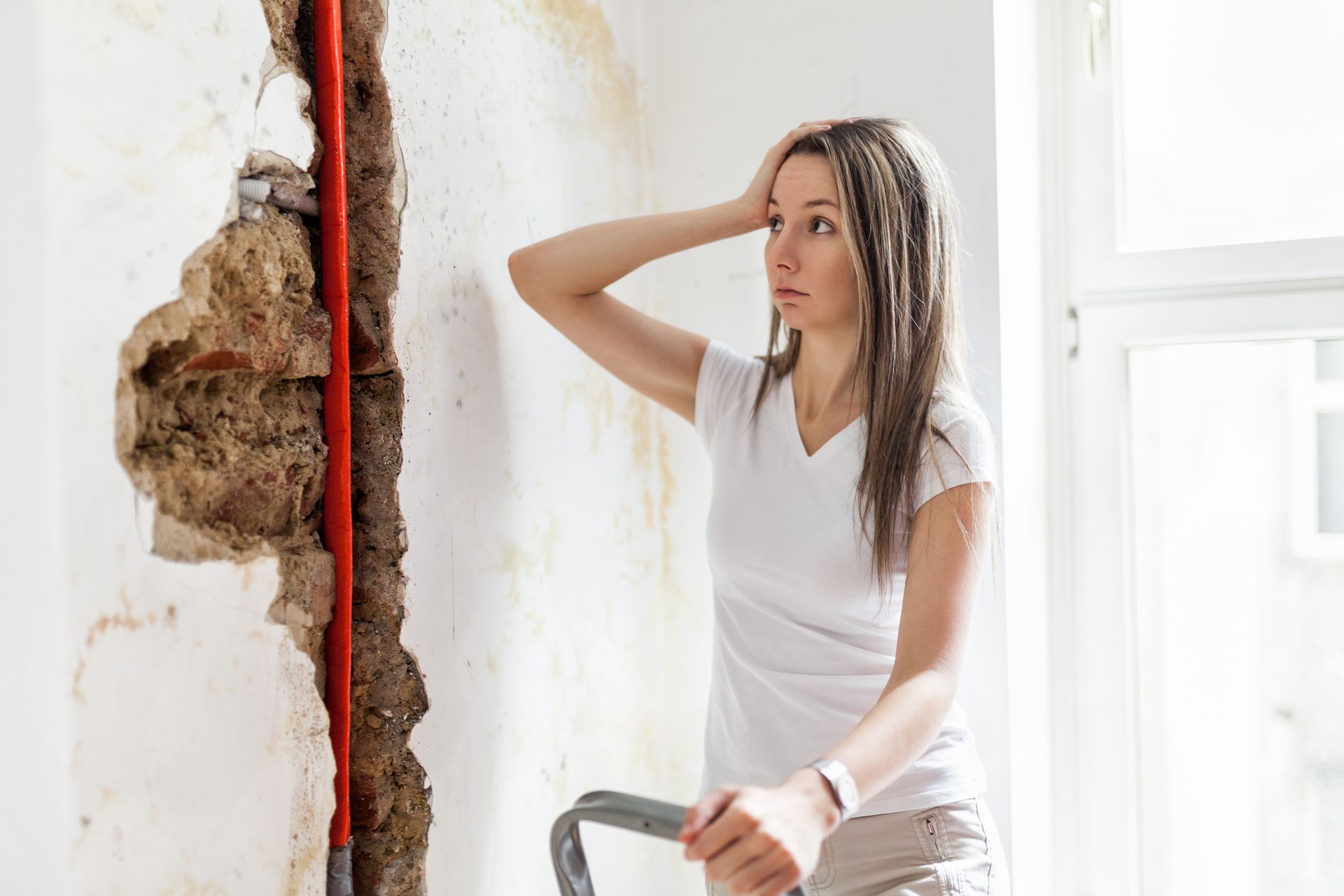
Technicians use moisture meters and thermal imaging to find where water has traveled, including inside walls, under flooring, and into ceilings below. Water spreads farther than it looks. A leak in an upstairs bathroom often shows up in the kitchen ceiling and the wall cavities between. Our guide to
water damage behind walls explains why this matters.
Step 3: Water Extraction
Removing liquid water is the fastest way to reduce damage and drying time.
Equipment
Crews use truck-mounted or portable extractors to pull water from floors, carpet, and padding. In basements, submersible pumps may be needed for standing water. Specialized tools can extract water from beneath carpet and some flooring.
Why Extraction Comes First
Extracting water is far faster than evaporating it. Every gallon removed by extraction is a gallon the dehumidifiers do not have to pull out of the air, which shortens the drying phase.
Saving Contents
Furniture, rugs, and belongings in the affected area are moved, blocked up off wet floors, or packed out for cleaning. Items that are wet but salvageable, like solid wood furniture and many hard goods, can often be cleaned and dried. Porous items soaked by contaminated water usually cannot. Photograph everything before it is moved or discarded.
Step 4: Removing What Cannot Be Saved
Some materials can be dried in place. Others cannot. Common removals include:
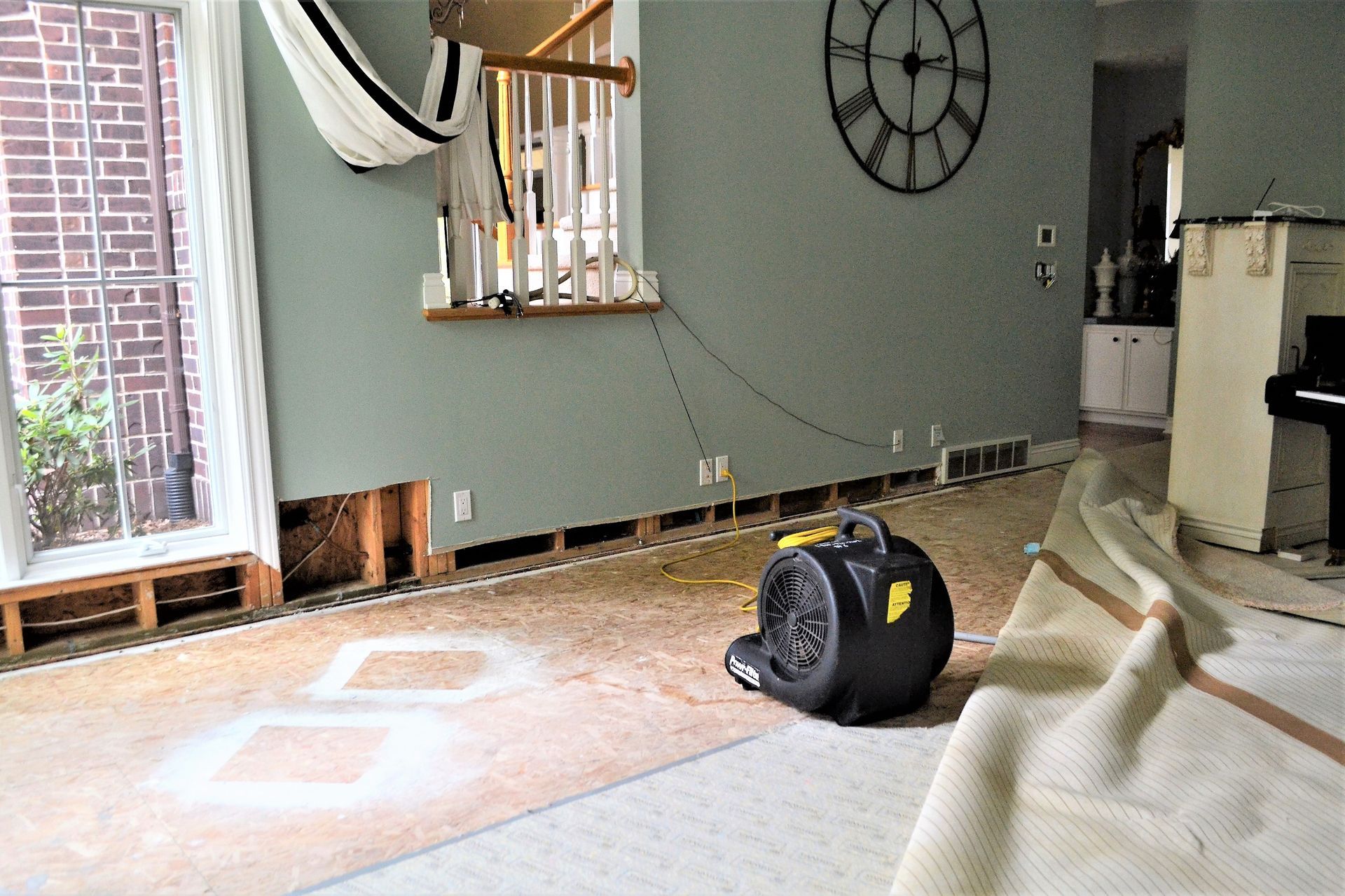
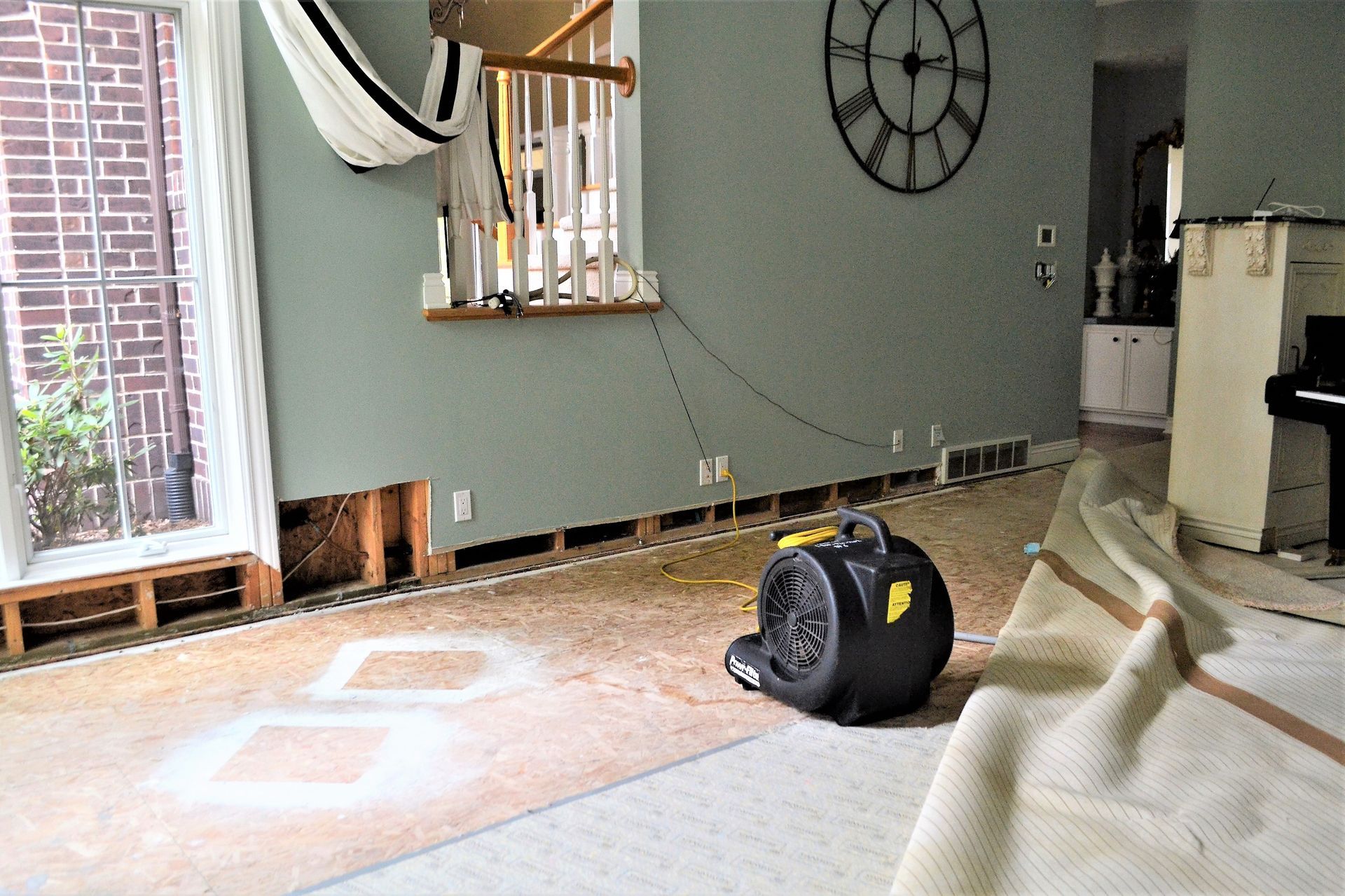
- Wet drywall at the bottom of walls, usually cut in a straight line above the water line, known as a flood cut.
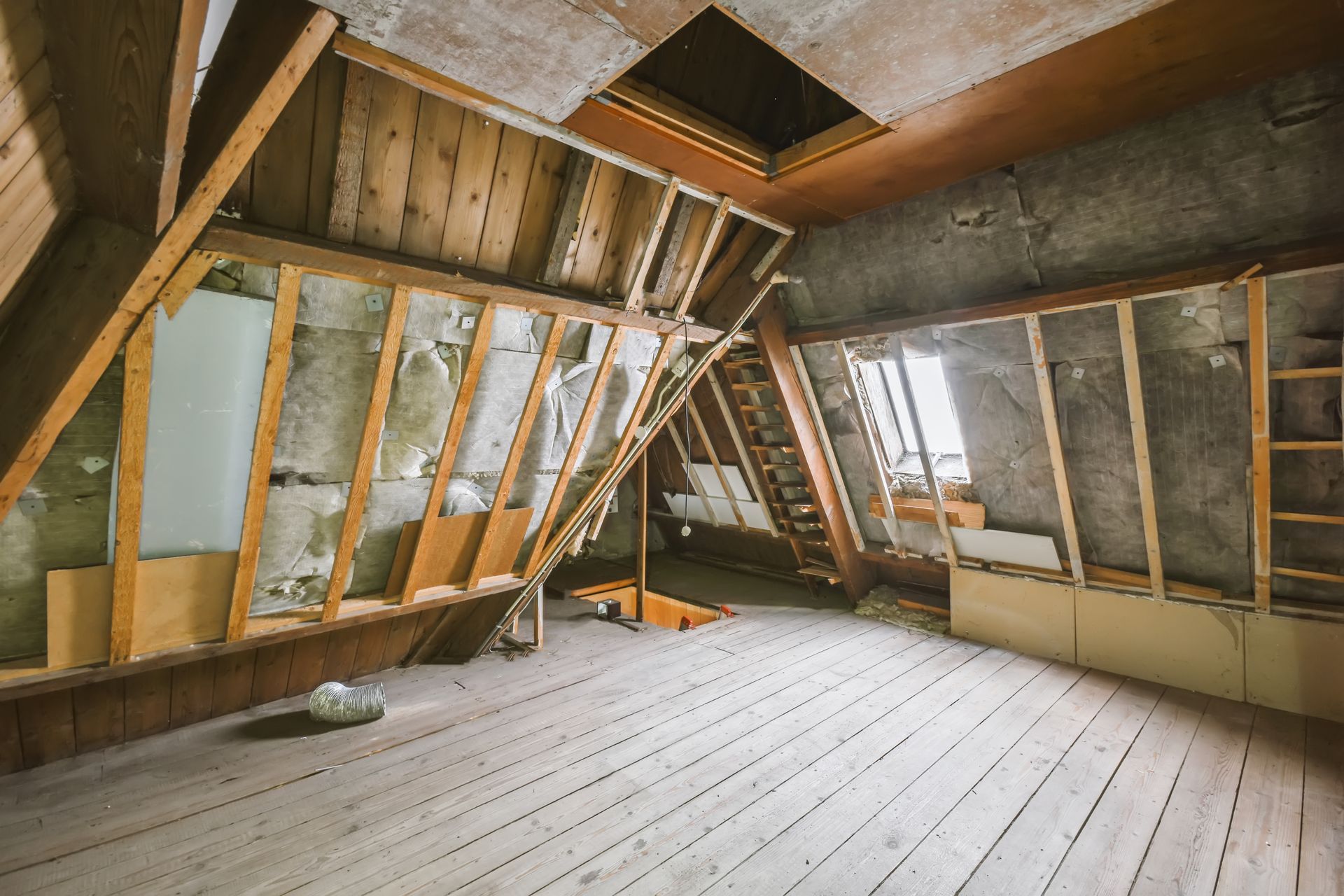
- Insulation inside wet wall cavities, since soaked fiberglass and cellulose rarely dry properly.
- Carpet padding, which acts like a sponge and is usually replaced.
- Laminate and some vinyl plank flooring, which can trap water underneath and swell.
- Baseboards and trim that need to come off to dry the wall behind them.
- Anything contaminated by Category 3 water, which typically cannot be safely cleaned.
Why Removal Helps Drying
Opening up wall cavities and removing wet padding lets air reach materials that would otherwise stay wet for weeks. Removing a strip of drywall now usually prevents a much larger mold problem later. Before any material comes out, it should be photographed and documented for insurance.
Step 5: Structural Drying and Monitoring
This is the longest phase of mitigation and the one that most affects the final result.
Equipment
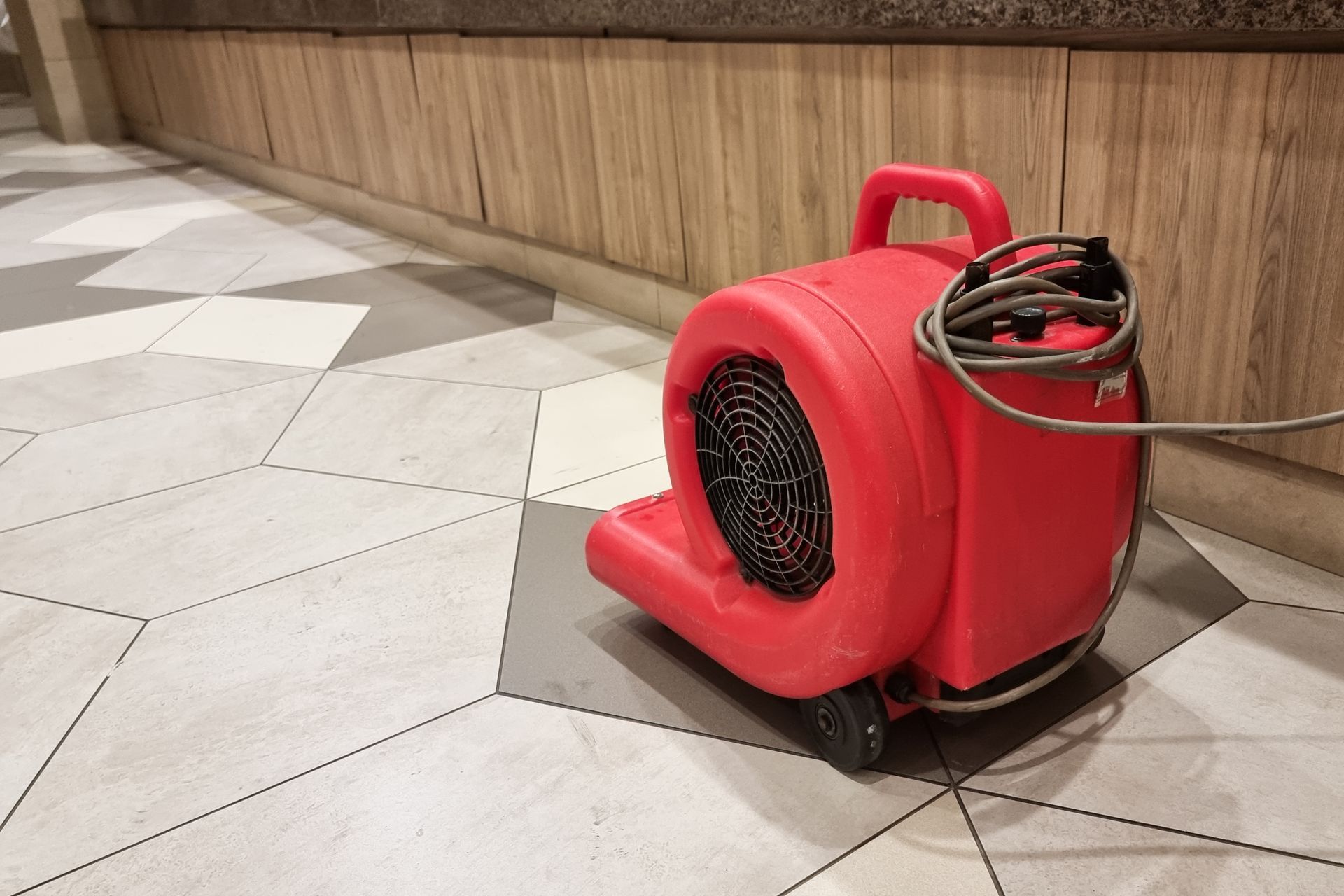
Air movers circulate air across wet surfaces, while commercial dehumidifiers pull moisture out of the air. Specialized systems may be used for hardwood floors, cabinets, and wall cavities. Equipment placement is planned based on the moisture map.
Daily Monitoring
A technician should return regularly, typically every day, to take moisture readings, record temperature and humidity, and adjust equipment. Those readings show whether drying is on track. Turning off equipment early because surfaces feel dry is one of the most common reasons water damage seems to come back later. Our guide to how long water damage takes to dry explains typical timelines by material.
Connecticut Conditions
In Connecticut, conditions inside the house change with the season. Humid summer air makes dehumidifiers work harder, while winter losses from frozen pipes often involve cold, dense materials that dry more slowly. Plaster walls in older homes and finished basements with concrete slabs also take longer than modern drywall. Hardwood floors are another slow case. They are dried in place when possible with specialized mats or panels, and they need to be monitored closely so boards do not cup or crack as they dry.
Step 6: Cleaning and Antimicrobial Treatment
Drying removes water, but it does not clean.
Cleaning Affected Surfaces
Hard surfaces, structural framing, and salvageable contents are cleaned. For Category 2 and 3 losses, cleaning and disinfection are essential before anything is closed up.
Antimicrobial Treatment
An antimicrobial is often applied to exposed framing and wall cavities to help limit microbial growth. It is not a substitute for proper drying, but it adds protection.
Odor Control
Musty or sewage odors are addressed through cleaning, removal of contaminated materials, and, if needed, odor treatment. If mold is already present, remediation follows specific containment steps. Learn more about our
mold remediation services.
Step 7: Verifying the Dry Standard
A home is not dry just because it looks or feels dry.
What a Dry Standard Is
Technicians compare moisture readings in affected materials with readings from unaffected materials of the same type in the house. When affected materials reach that normal level, they have met the dry standard. That comparison should be documented.
Why It Matters
Closing up a wall that still holds moisture traps water inside, which can lead to mold, odors, and warped materials weeks later. Our guide on whether water damage can come back after drying explains what happens when this step is rushed.
What You Should Receive
Before reconstruction begins, you should be able to see documentation that the materials are dry. It protects both you and your insurance claim.
Step 8: Reconstruction
Once everything is dry, the home can be rebuilt.
What Gets Rebuilt
Reconstruction may include new drywall, insulation, flooring, baseboards, trim, cabinets, and paint, along with any electrical or plumbing repairs. For larger losses, it can involve kitchens, bathrooms, or finished basements.
One Company or Two
Some mitigation companies stop after drying, leaving you to find a separate contractor. Having the same team handle both phases keeps the documentation and scope consistent. It also means the crew rebuilding your walls already knows exactly which areas were opened, dried, and treated. Learn more about our
reconstruction services.
Insurance Documentation Throughout
Good documentation runs through every step. On a well-run job, you should be able to get:
- Photos and video of the damage before, during, and after work.
- A moisture map and daily drying logs showing readings over time.
- A list of removed materials with photos.
- An itemized mitigation invoice separate from the reconstruction estimate.
- A reconstruction estimate with the scope of repairs.
Many policies treat mitigation and reconstruction as separate parts of a claim. Our guide to
whether homeowners insurance covers water damage explains common coverage questions, and our guide to
water damage restoration cost covers typical pricing. If you are curious about the difference between the emergency phase and the rebuild, see our guide to
what water mitigation is.
Get Help With Water Damage in Central Connecticut
If you have water damage, the sooner the process starts, the more of your home can be saved. Our team responds 24/7, documents everything for your claim, and can handle the job from extraction through final reconstruction. Learn more about our water damage restoration services, read our reviews, or ask about financing.
Call Incredible Restorations 24/7 at (866) 985-4551 or
contact us. We are based in Newington and serve homeowners throughout Central Connecticut.
Frequently Asked Questions
What are the steps of water damage restoration?
The main steps are the emergency call, inspection and water classification, water extraction, removal of unsalvageable materials, structural drying with daily monitoring, cleaning and antimicrobial treatment, verification that materials are dry, and reconstruction.
How long does the water damage restoration process take?
Drying a typical clean water loss often takes about 3 to 5 days. The full process, including reconstruction, can take anywhere from a few days to several weeks depending on how much was damaged and what needs to be rebuilt.
Do I need to leave my home during water damage restoration?
Often not. Many homeowners stay during drying, though the equipment is noisy and some areas may be off limits. Large losses, contaminated water, or damage to kitchens and bathrooms may make staying elsewhere more practical for a while.
Why do restoration companies remove drywall?
Wet drywall and the insulation behind it often cannot dry properly in place. Removing the lower section of wall lets air reach the wall cavity, speeds up drying, and reduces the risk of mold. It also allows technicians to see and clean the framing.
How do you know when water damage is completely dry?
Technicians take moisture readings in affected materials and compare them with readings from similar, unaffected materials in the same home. When the affected materials match that normal level, they have reached the dry standard and can be safely closed up or rebuilt.